- Seiðhvalur
- Tikaagulliusaarnaq
- Sandreyður
- Seihval
- Sáidefális
- Sejhval

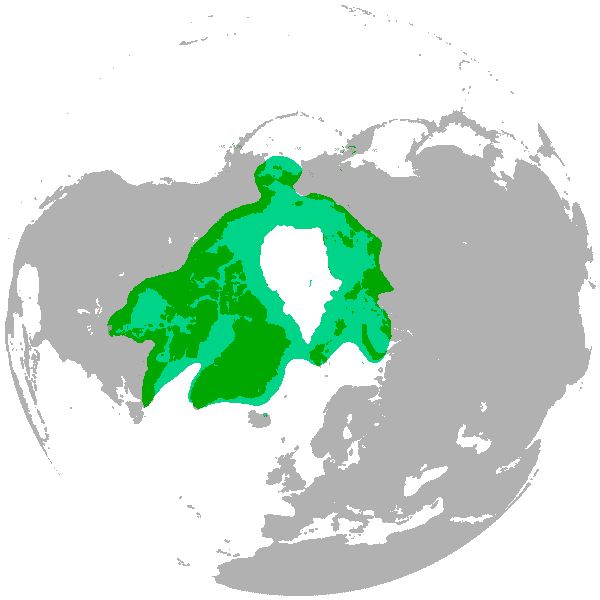
Although the sei whale is the third longest whale, there is surprisingly little known about the species, neither from old whaling records nor modern scientific accounts. This is because the sei whale is easily mistaken for a fin whale, and because they are mainly found offshore. Sei whales use a range of different feeding techniques, making them flexible in their prey. They are believed to be the fastest of the large whales, reaching speeds up to 50 km/h!
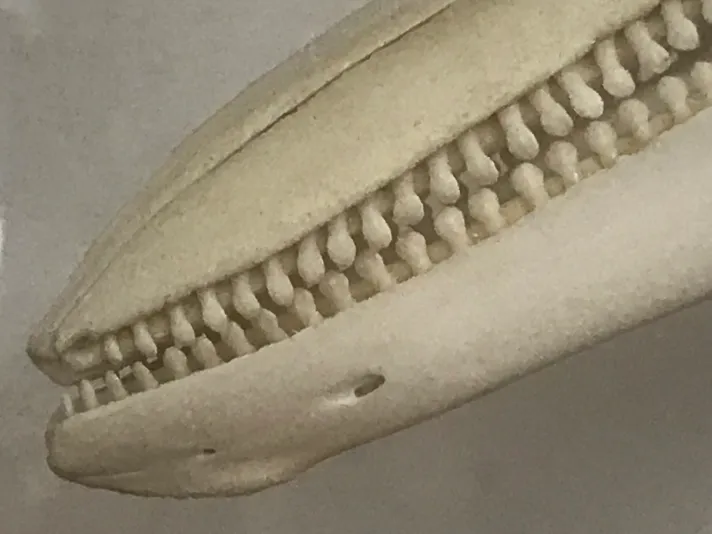
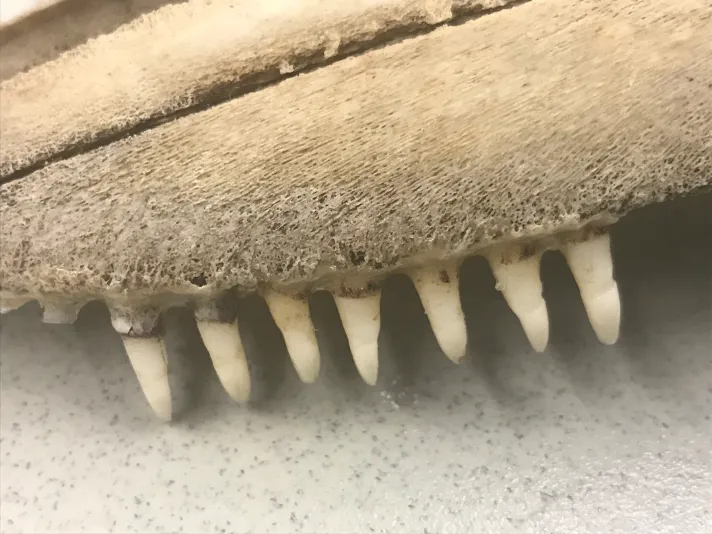
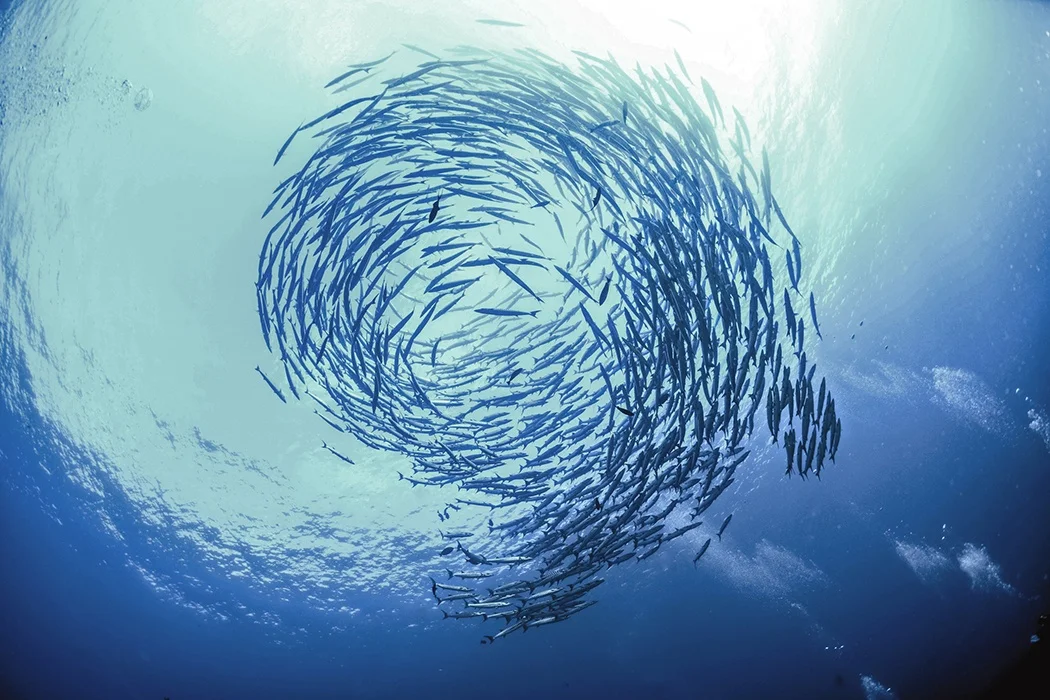
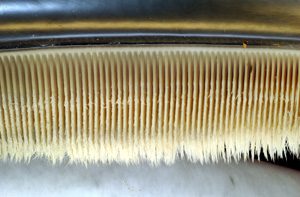
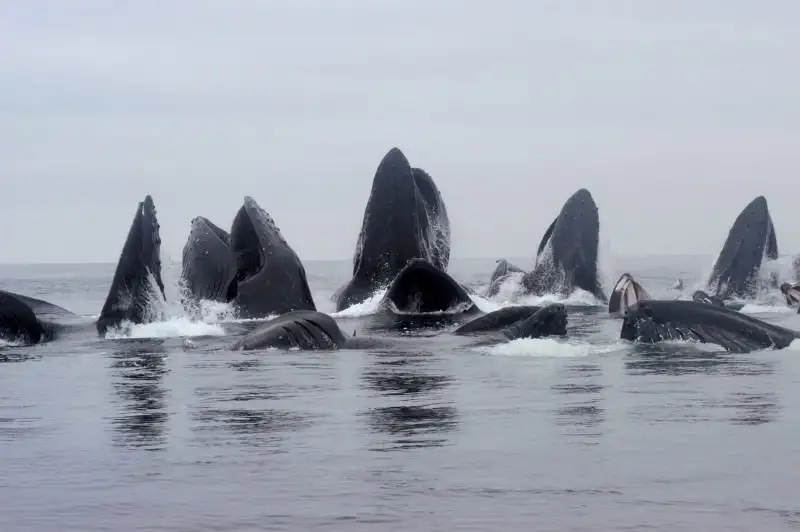
Sei whales share a similar mouth shape to other rorquals (for example the fin and blue whale), but their baleen fringes are exceptionally fine and silky. This helps them change the types of food they eat by using two different feeding methods: “lunge feeding” and “surface skim feeding“. Lunge feeding is when whales rush forward with their mouth open to catch prey in one go, while in skim feeding the whale slowly swims near the surface with its mouth open, filtering its prey as it moves along. What’s special about sei whales is that they can do both! This lets them eat a wider variety of prey than other baleen whales.
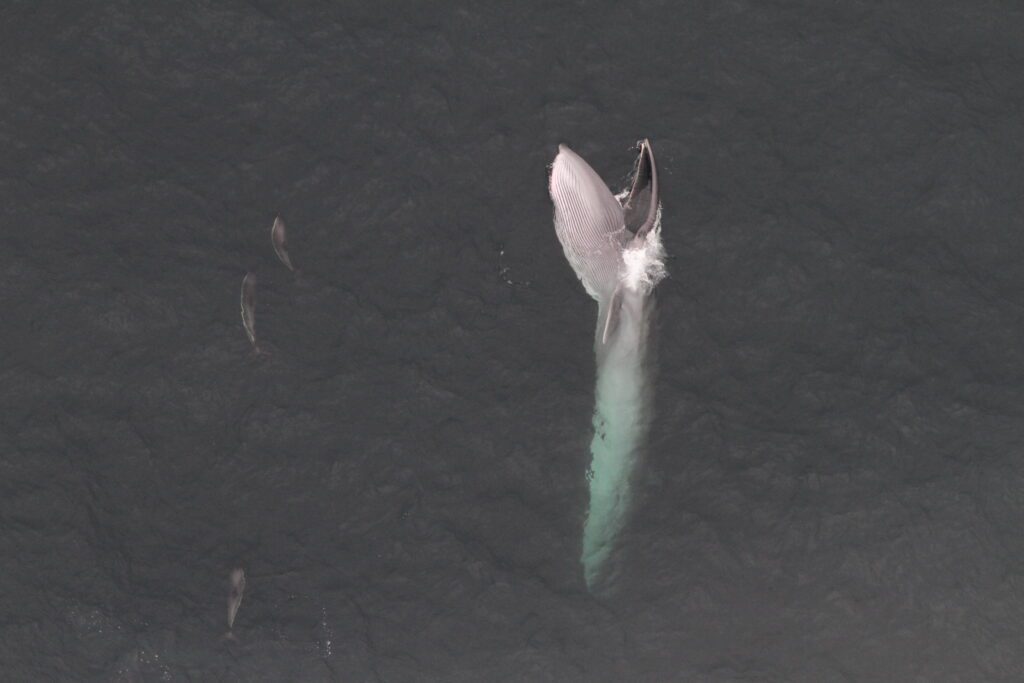
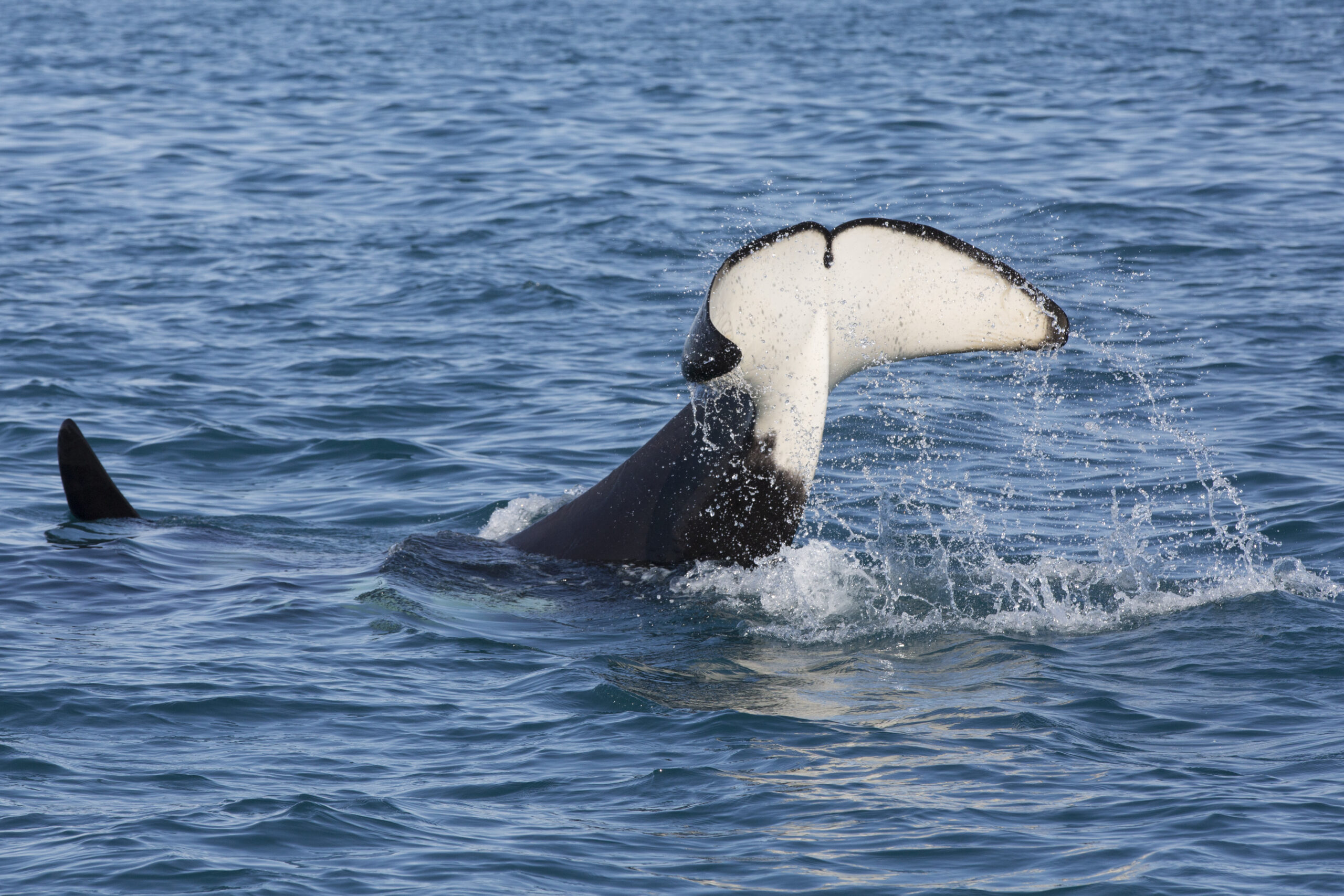
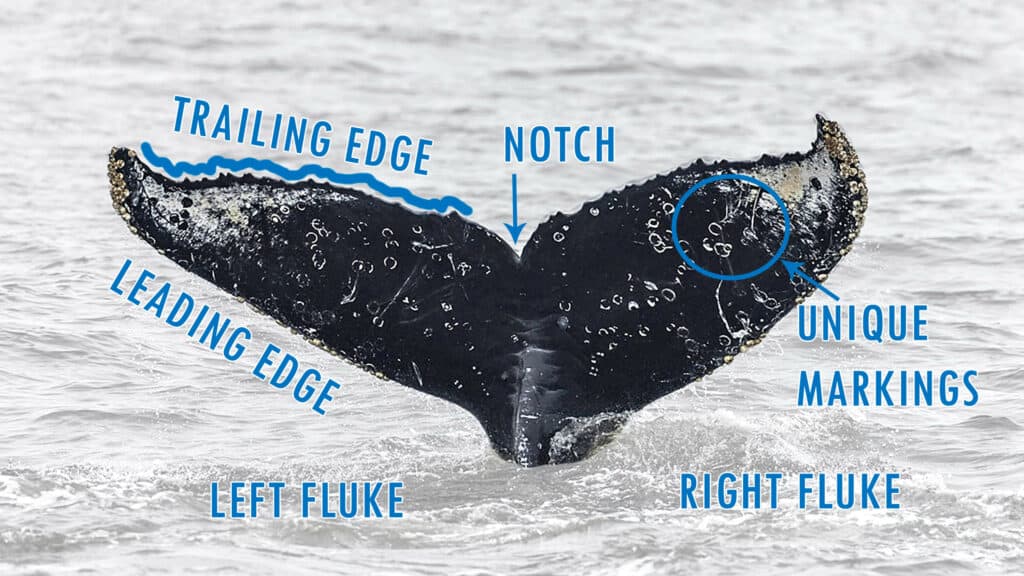
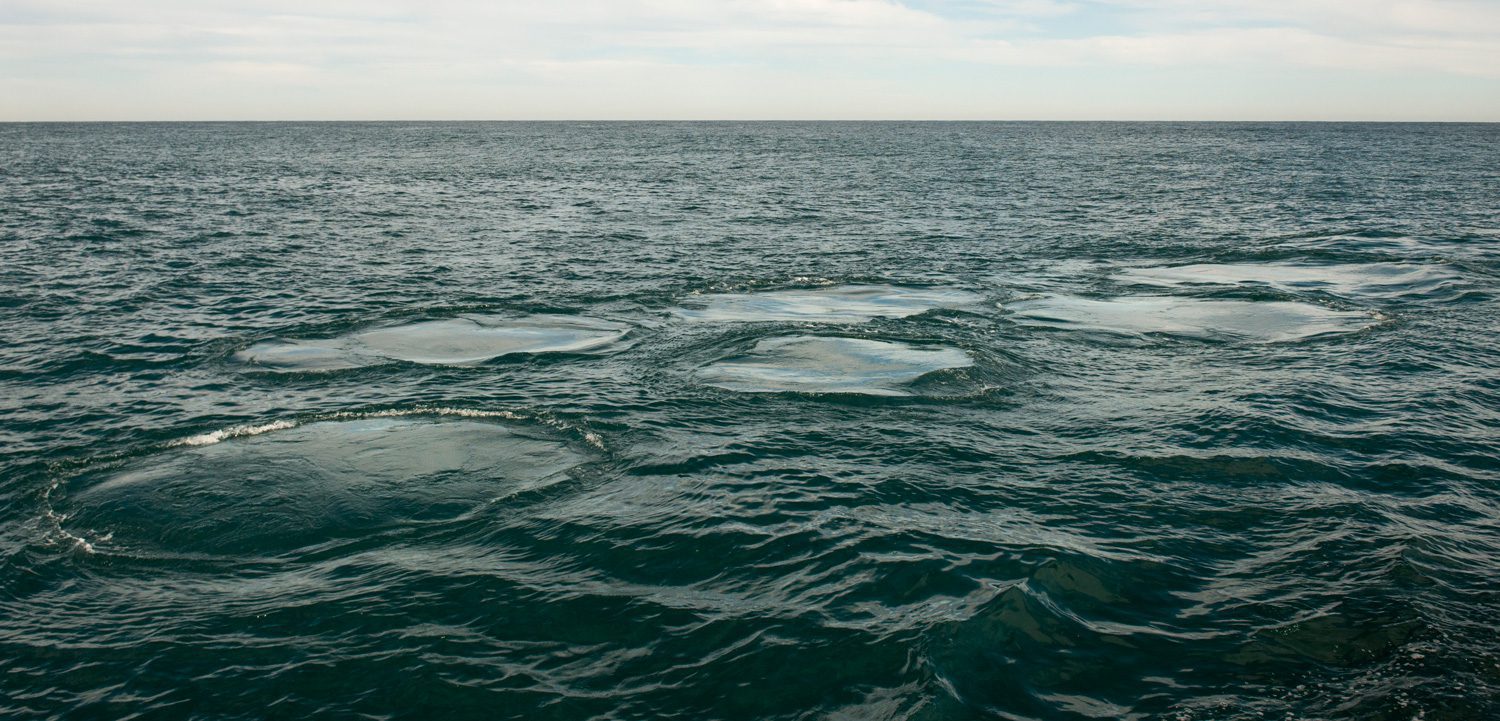
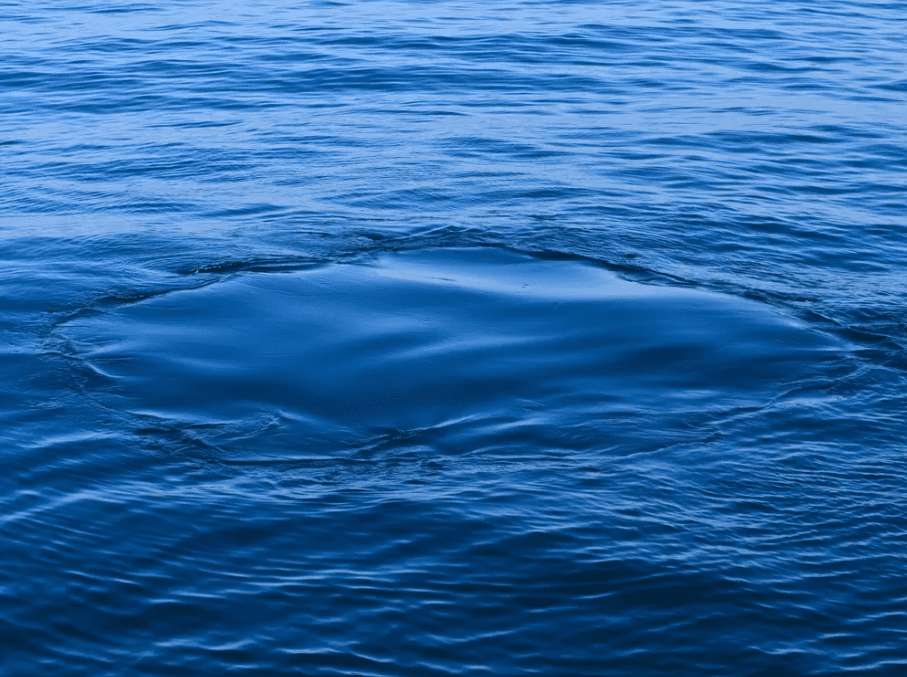
Sei whales dive a bit differently than most other whales. Instead of arching their backs or lifting their tails out of the water before diving, they simply sink below the surface. But just as other whales, when they dive, they often leave behind “fluke prints”. These are smooth circles on the water’s surface made by the movement of their tails underwater. These prints are like gentle ripples that show where the whale has been.
The situation of sei whales in the Faroe Islands
We are working on this.
The situation of humpback whales in Greenland
We are working on this.
The situation of sei whales in Iceland
We are working on this.
The situation of sei whales in Norway
We are working on this.
The situation of sei whales in Denmark
We are working on this.
Adult length 15 metres
Adult weight 20,000 kg
Max age 70 years
Eats krill, crustaceans, fish
Group size 1-5
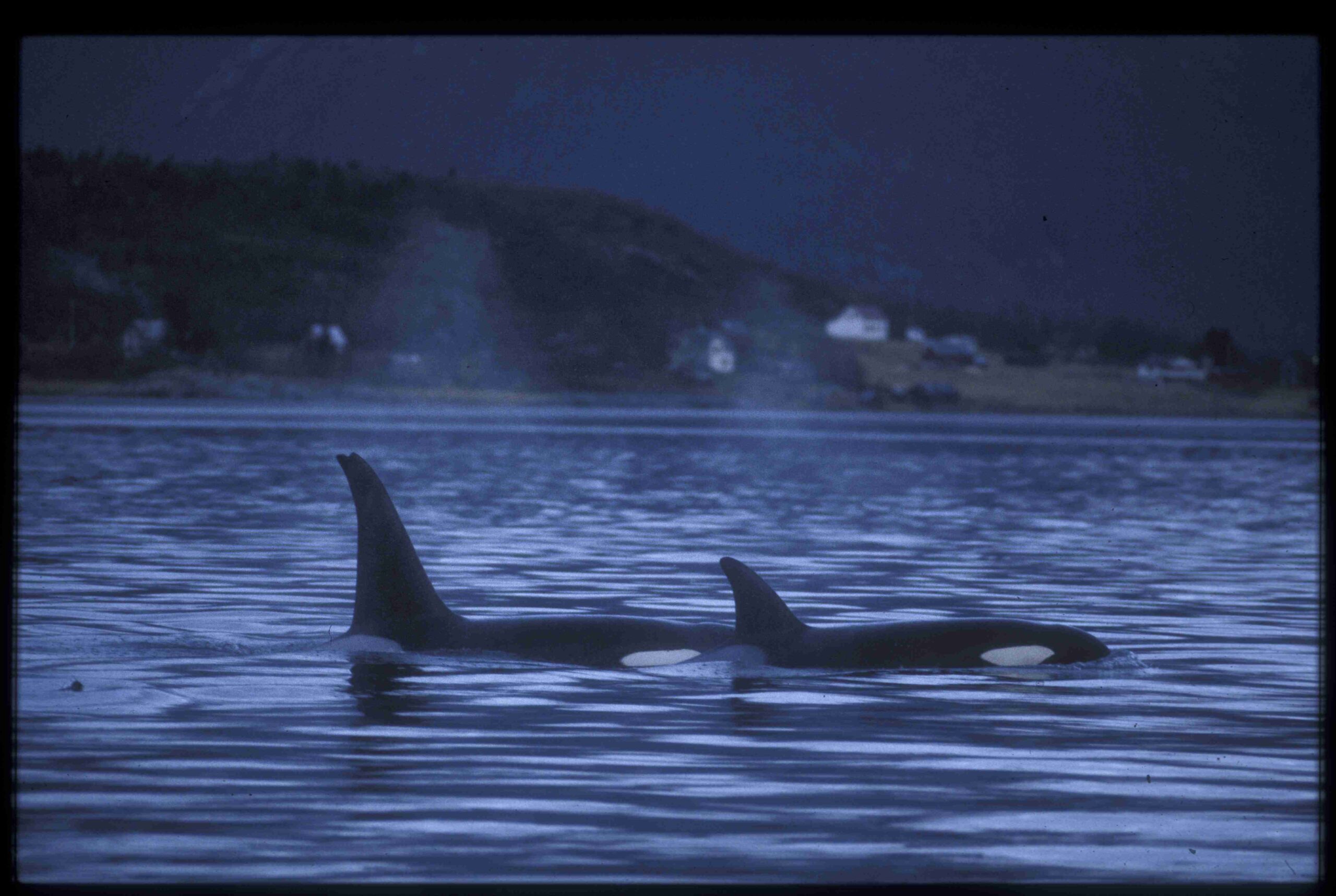
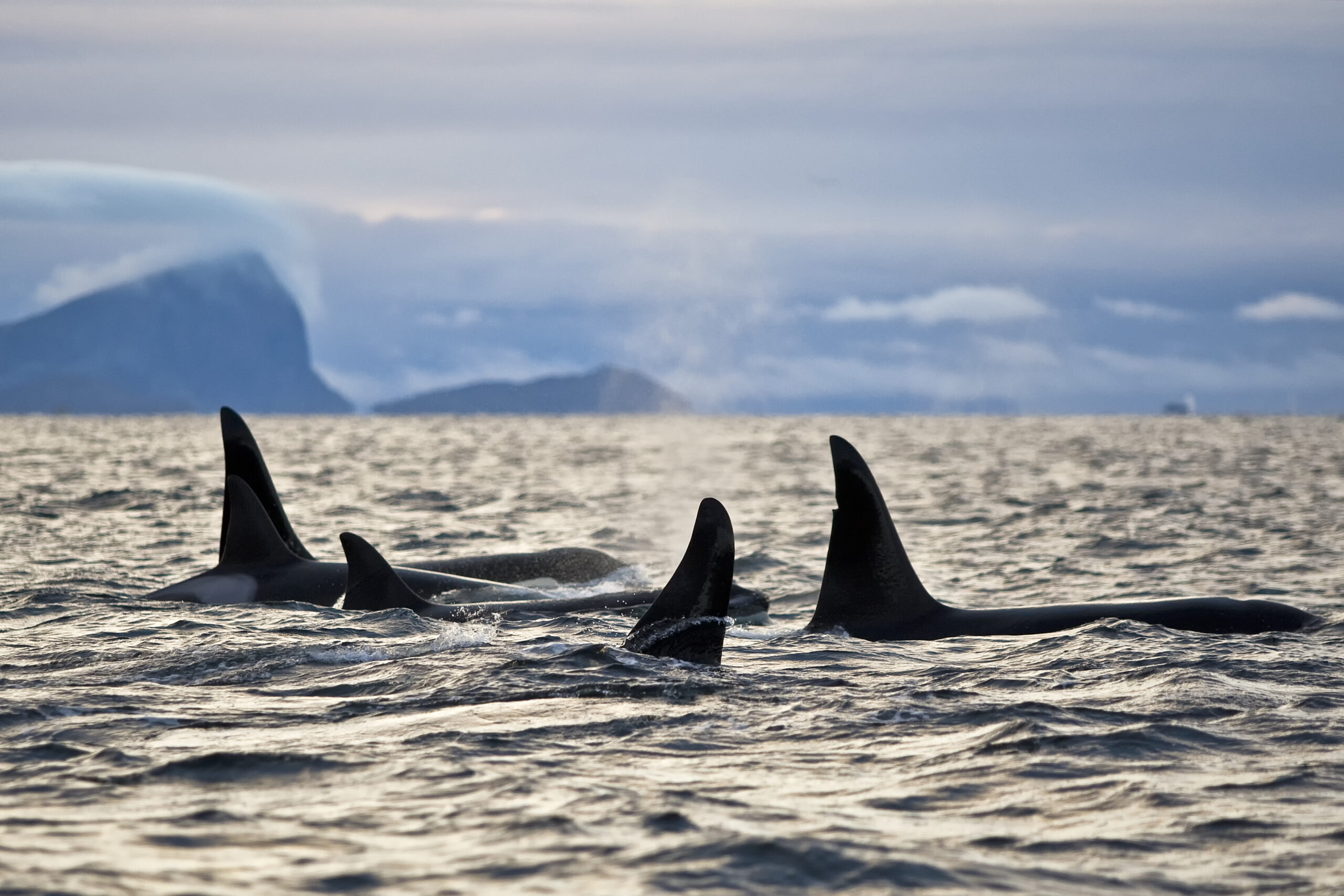
Predators killer whales
IUCN status least concern (2022)
NEA abundance >10,000
The sei whale is protected globally
Sound credit: Heidi Ahonen, Norwegian Polar Institute
Main threats
Research
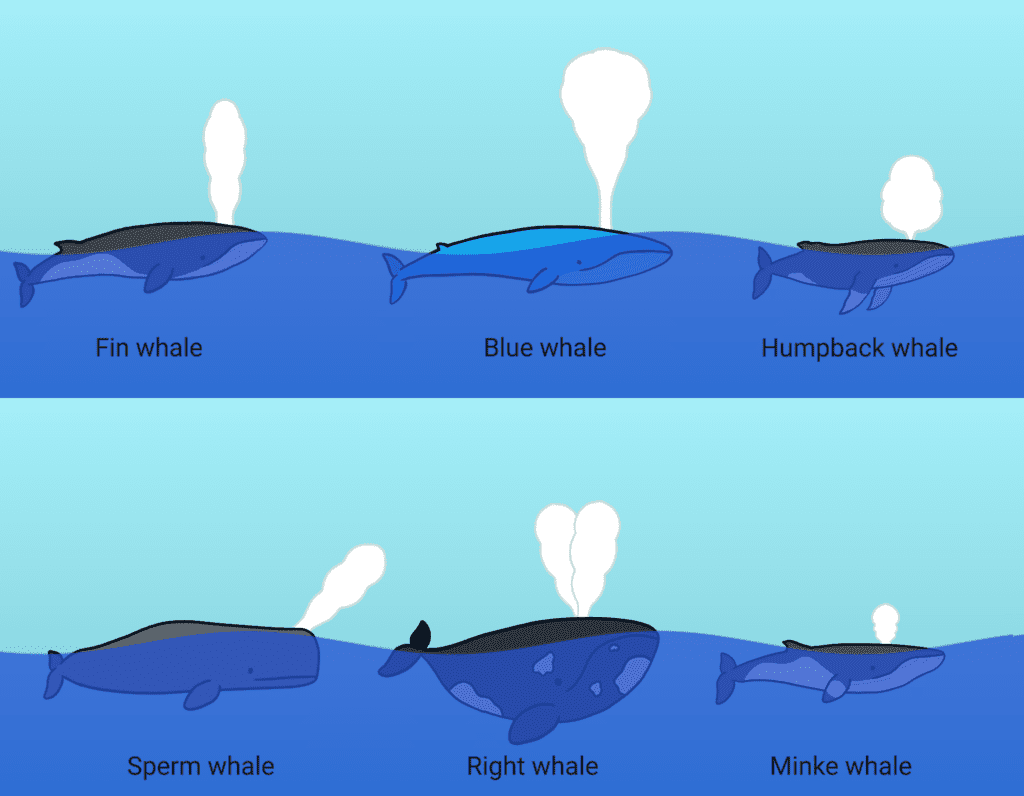
Sei whales are often confused with fin whales. What are some of the main differences? Think of the way they look, where you can find them, and how they behave.
Did you know that sei whales...
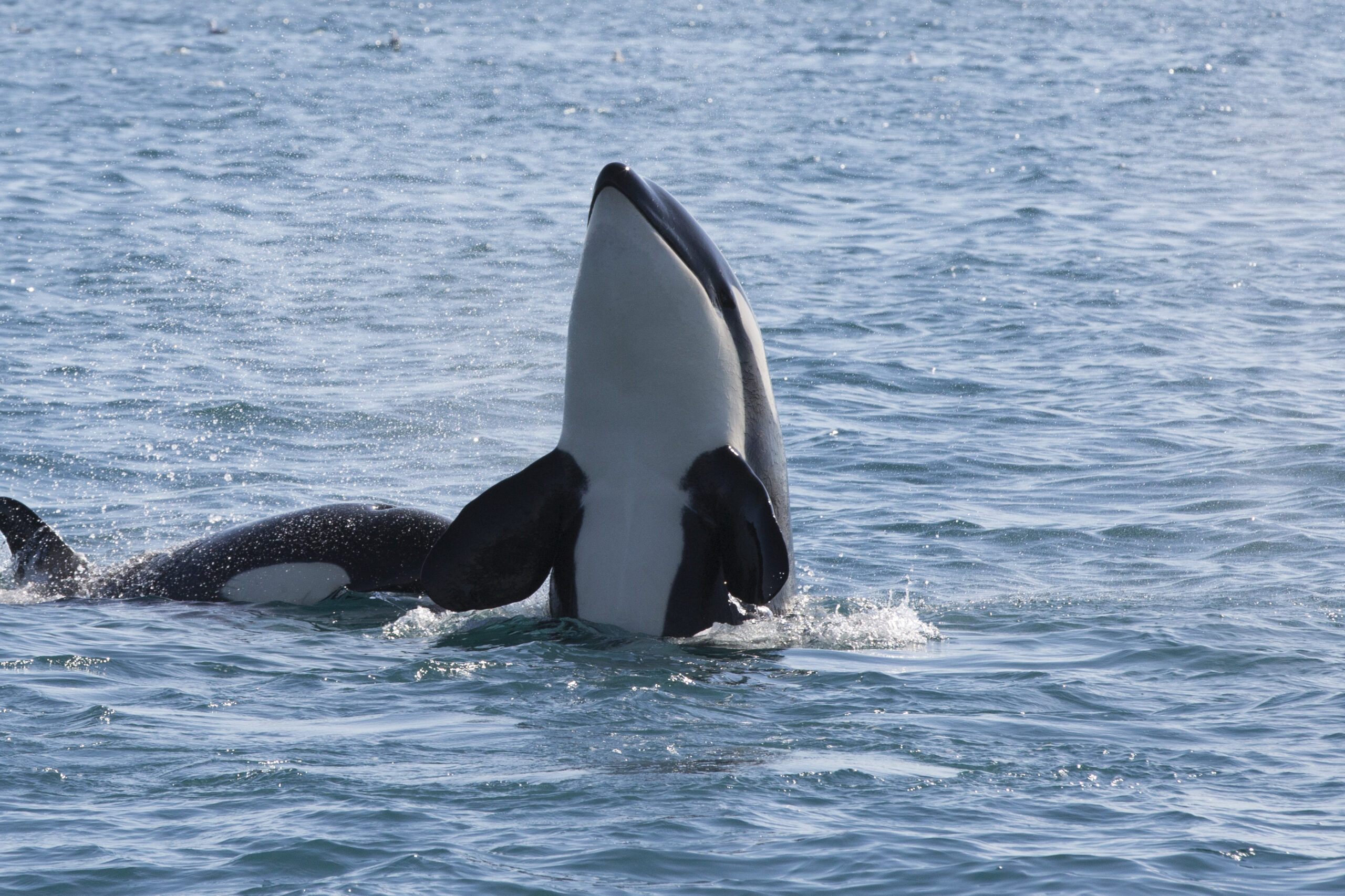
Sei whales are some of the largest whales in the world. Their name comes from the Norwegian word sei, which means pollock fish. They got that name due to appearing along the Norwegian coastline at the same time of the year as the fish. Sei whales have dark grey backs with light grey bellies with white markings. What is interesting this species, is that they are among the fastest swimming large whales. They don’t dive to great depths, and they don’t dive for long time. They do have unique diving style: instead of arching their backs and showing their tail fluke when diving down, like other large whales, sei whales simply sink below the surface. One of the recognising patterns they leave are “fluke prints”—smooth circles on the surface created by the movement of the fluke underwater.