Clothing and artefacts
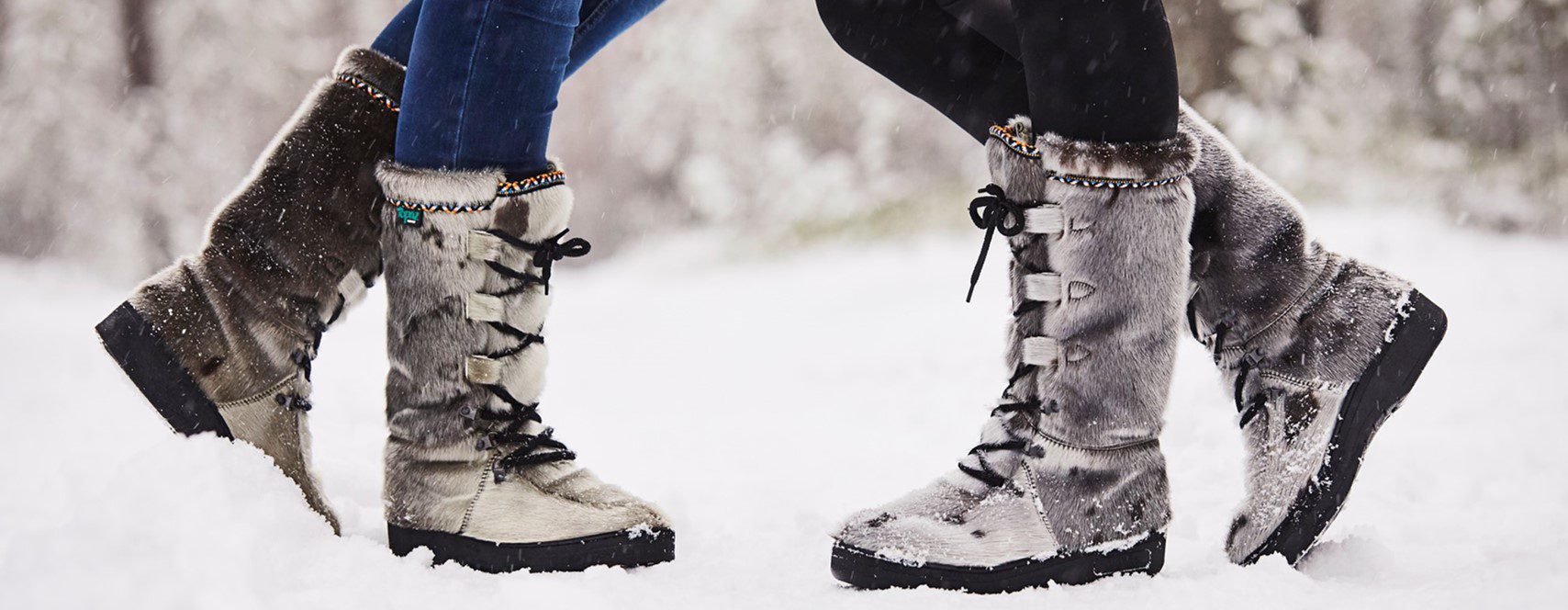
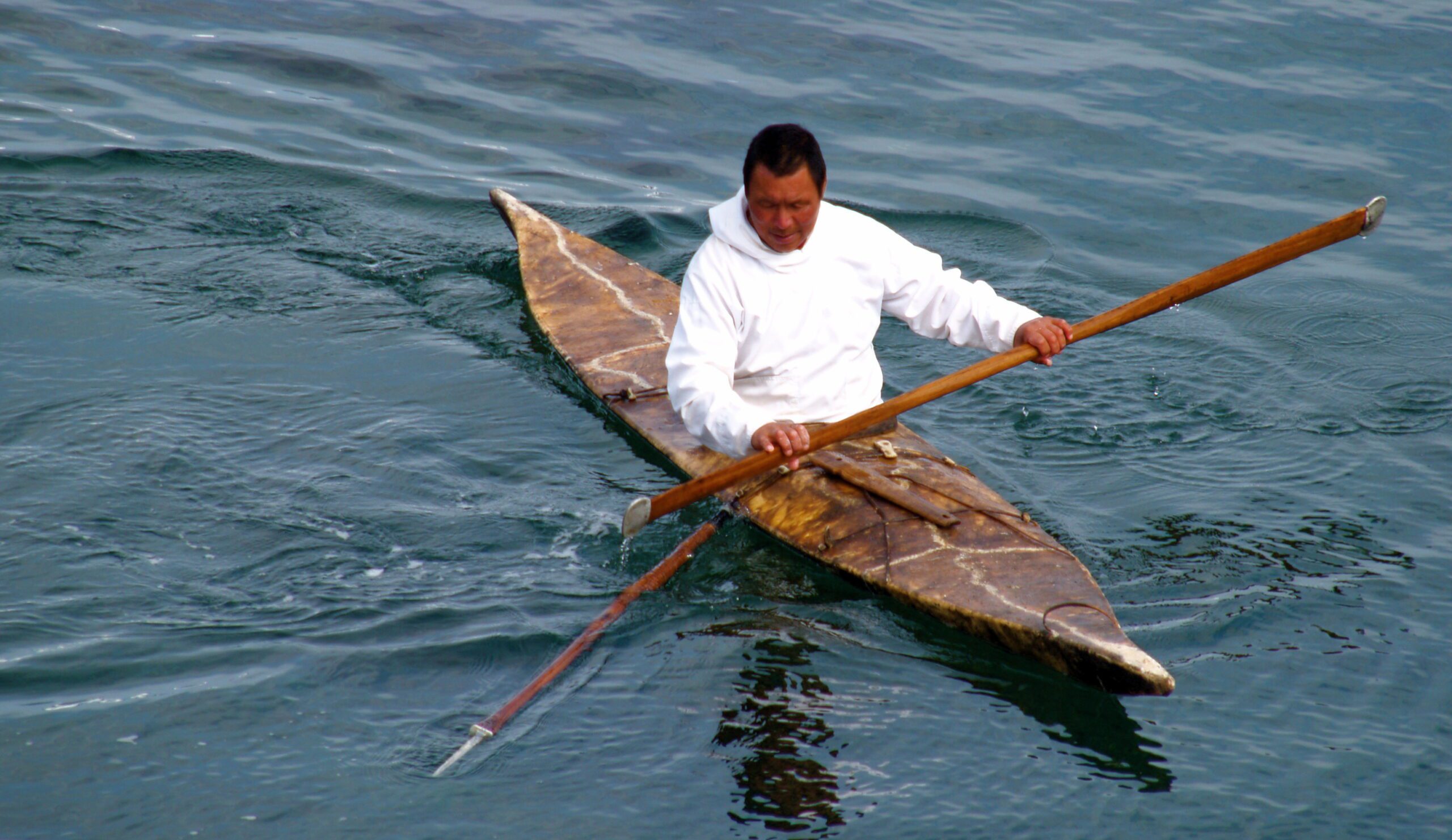
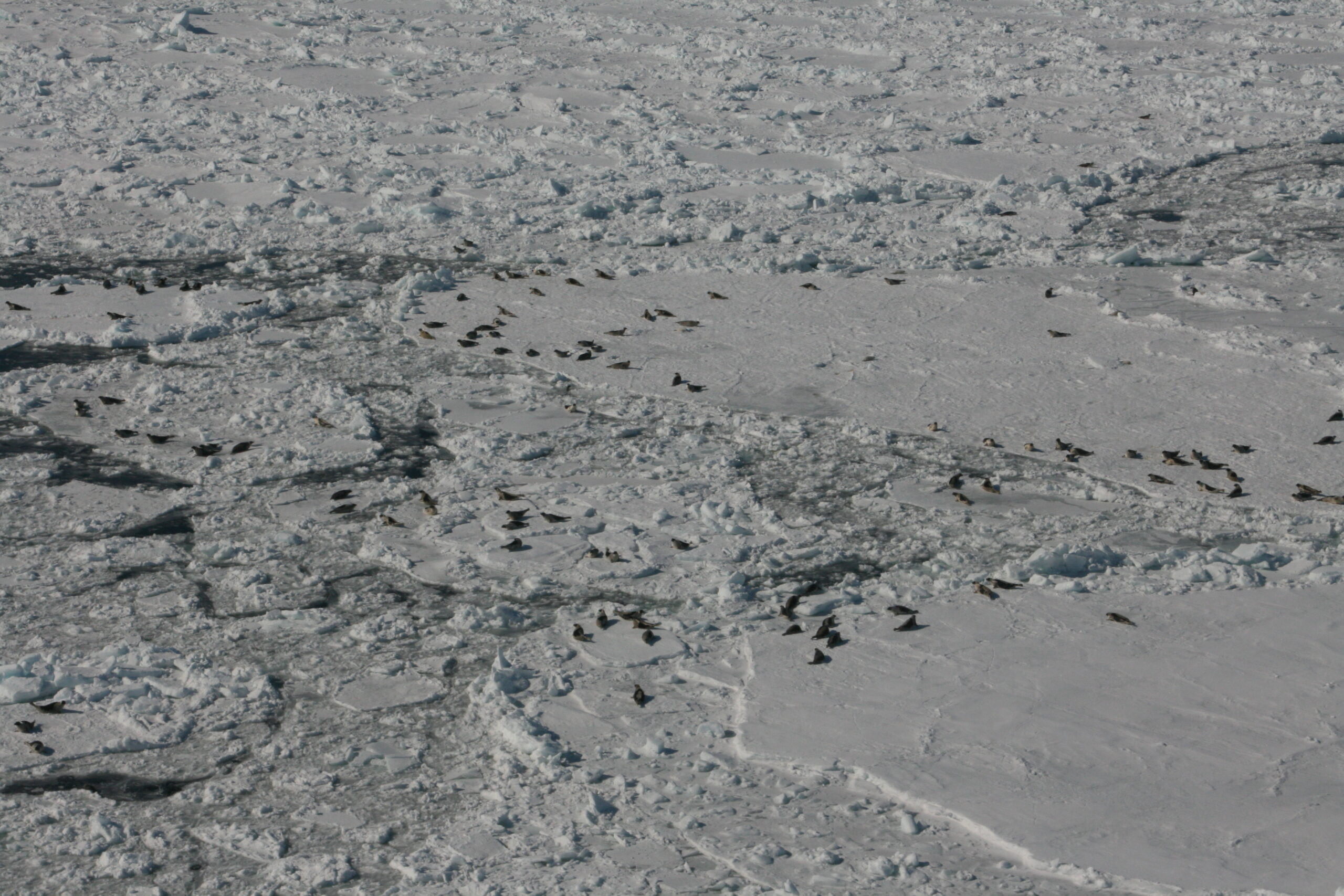
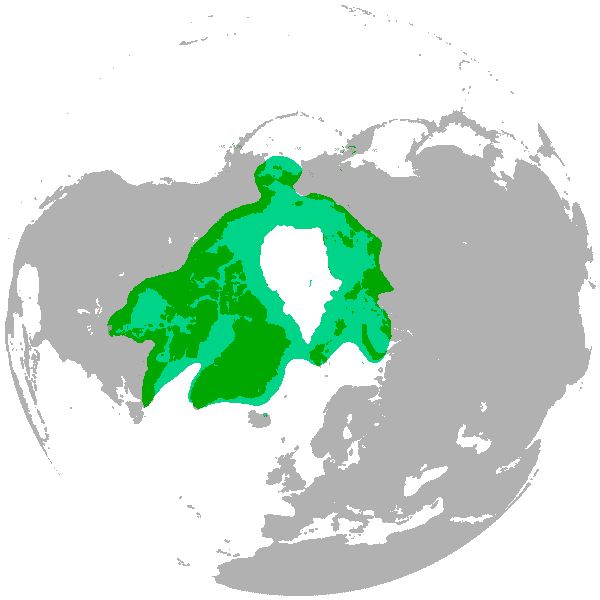
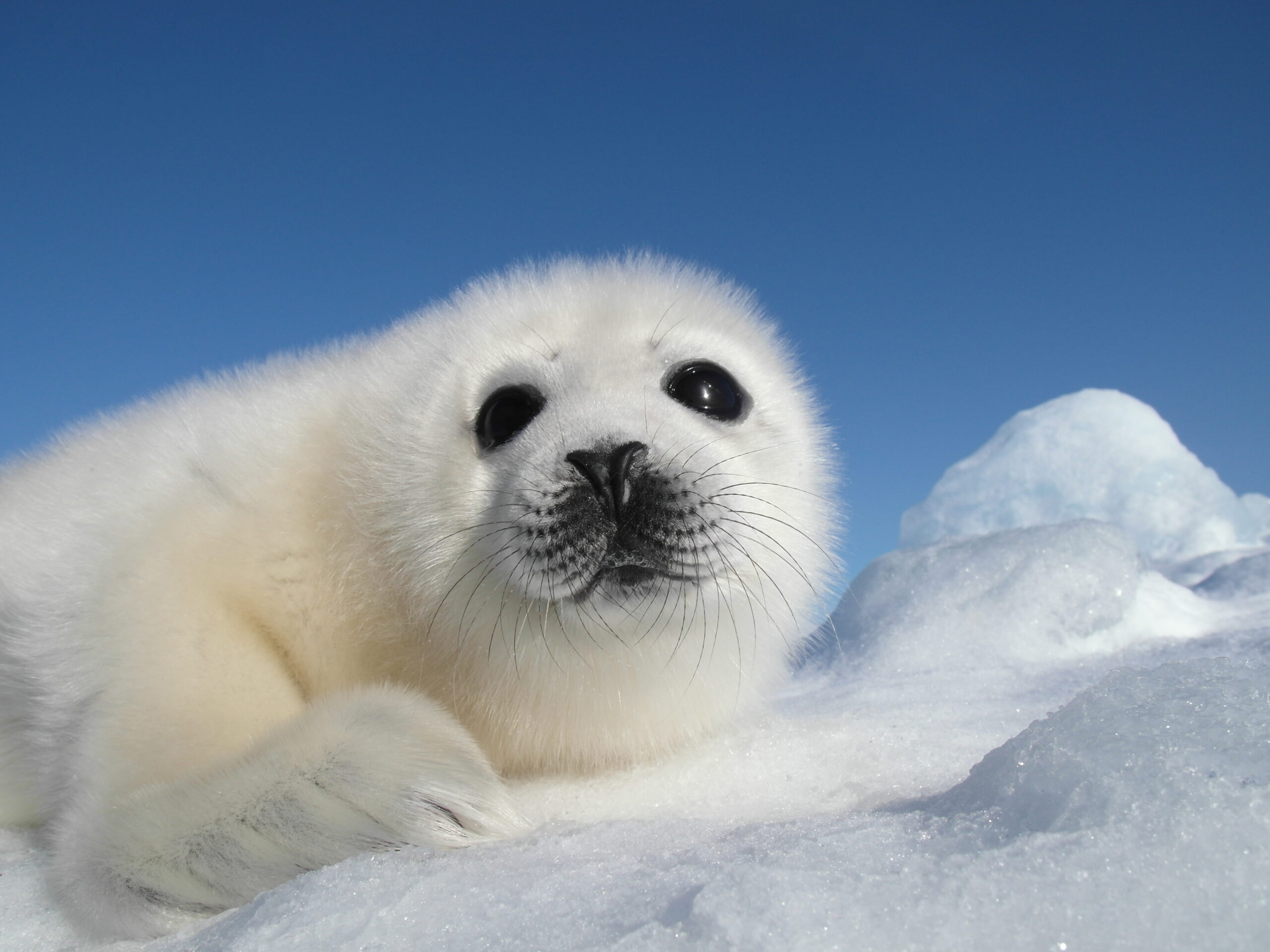
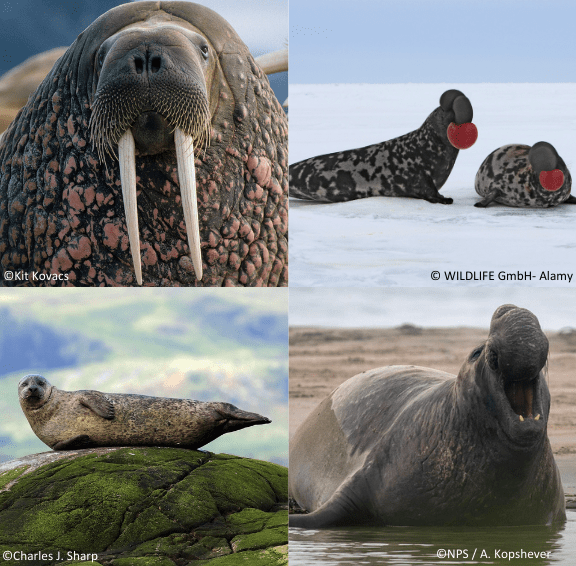
Seal and whale products are, from an old age, known to be valuable resources in Greenland, North Canada and Alaska, but also in Scandinavian, Baltic and other southern European countries like France, Spain and England.
Old seal skin shoes with metal spikes were found near Umeå in Sweden to help people walk on ice. Straps of seal skin used to be put under skis enable the skier to walk uphill without sliding down. Nowadays these strips are made of nylon or mohair, but are still called skins. This imitation of nature’s design is an example of biomimicry.
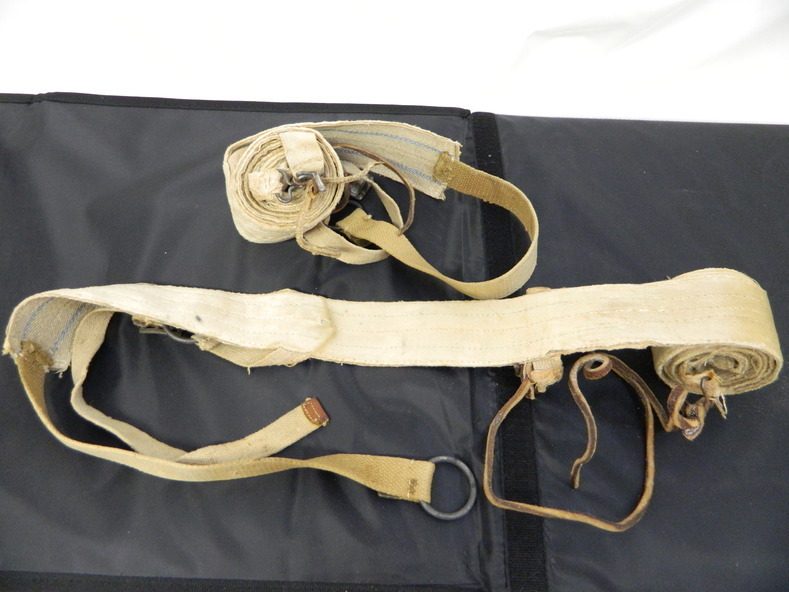
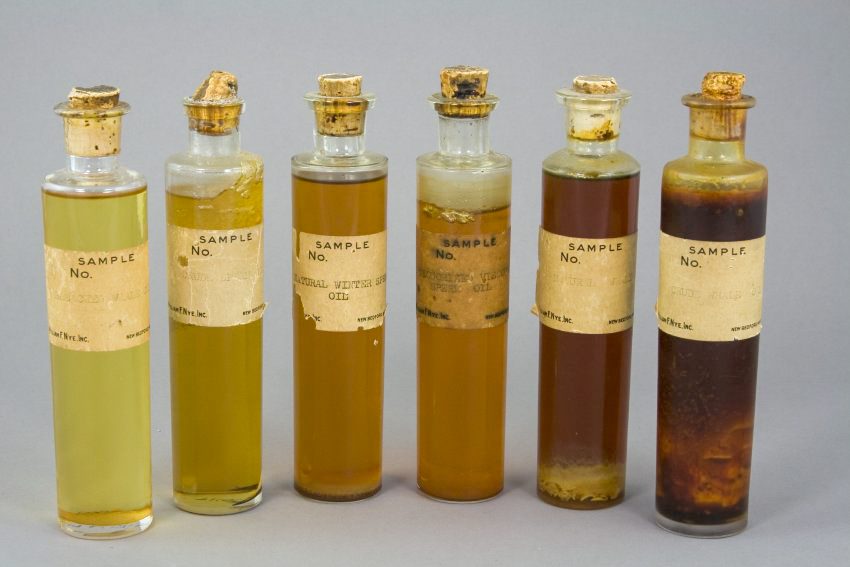
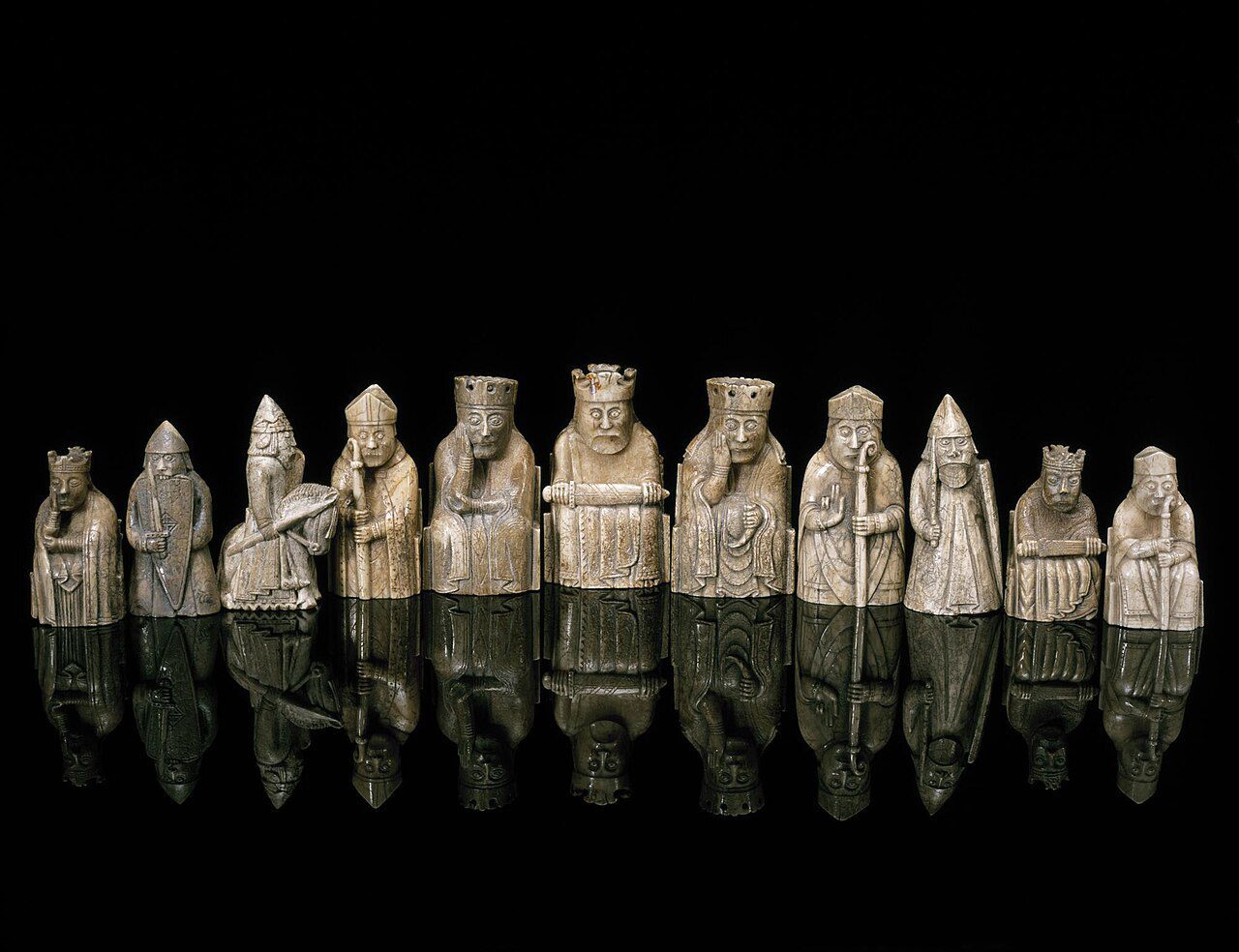
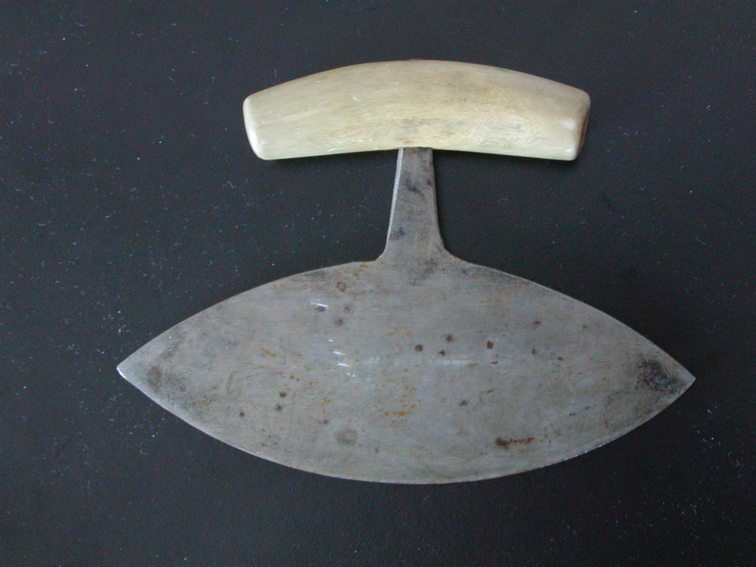
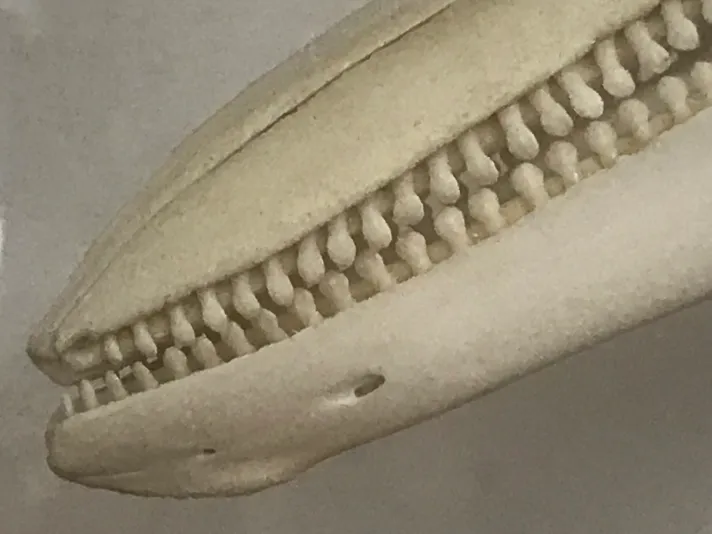
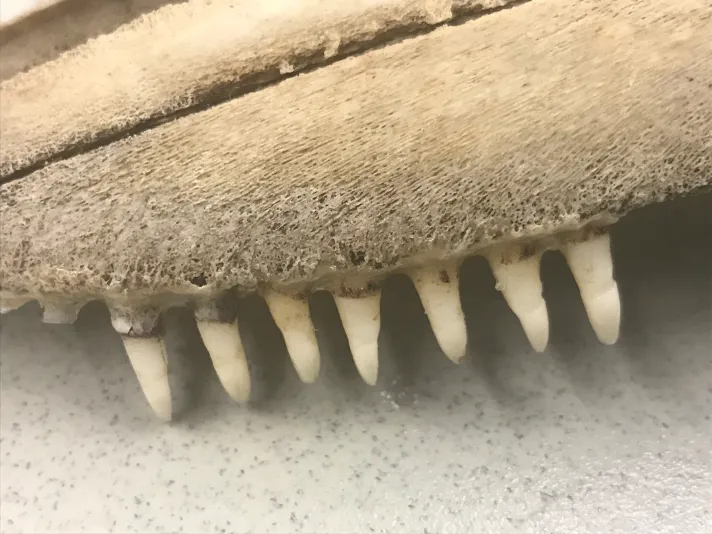
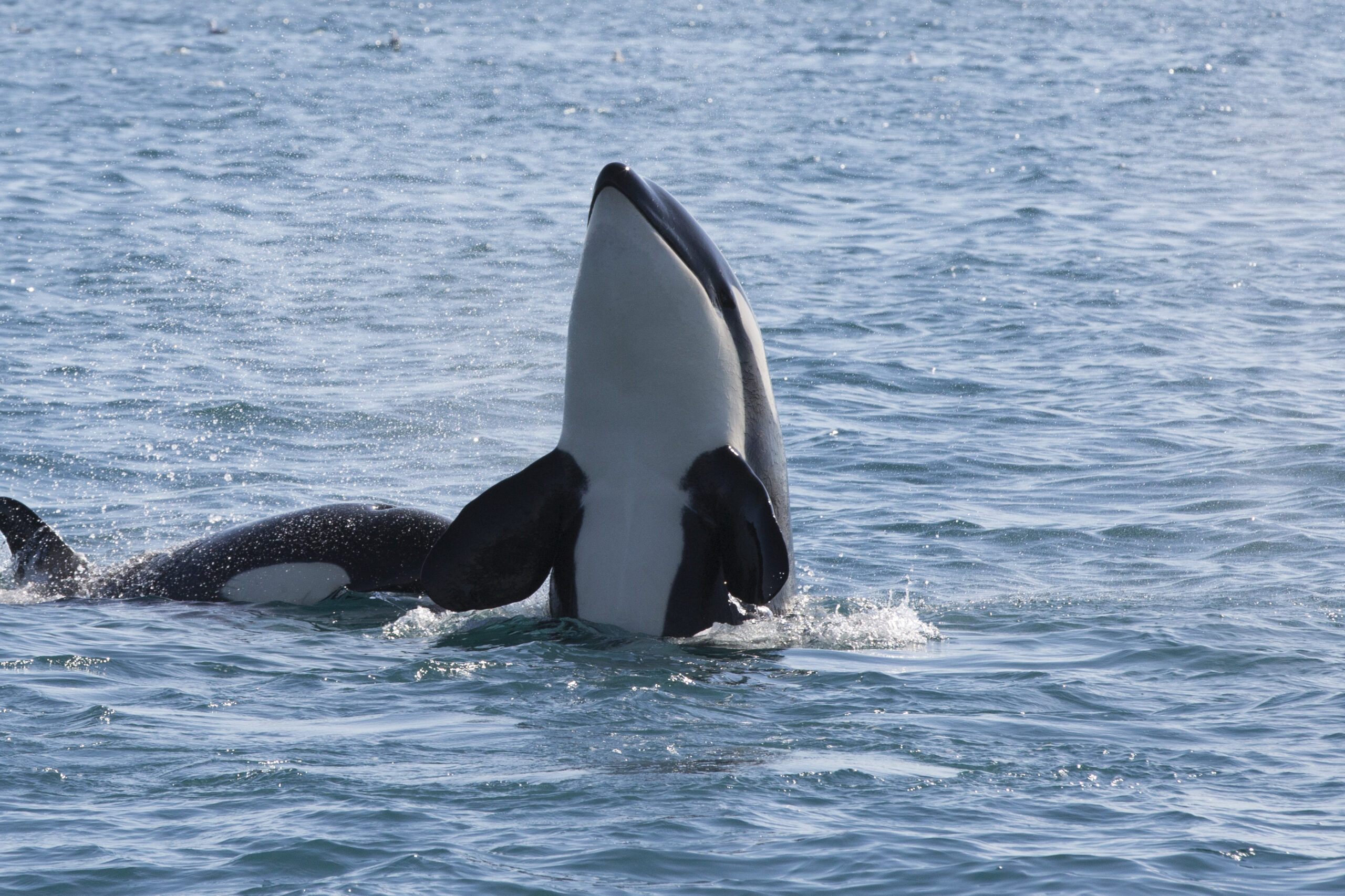
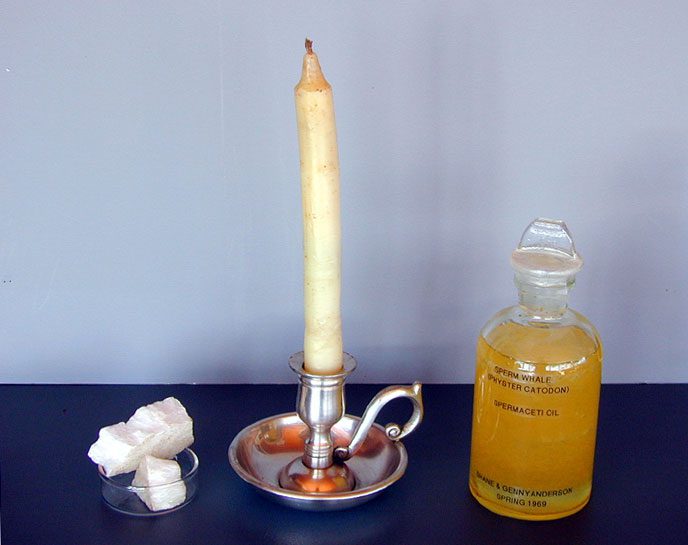
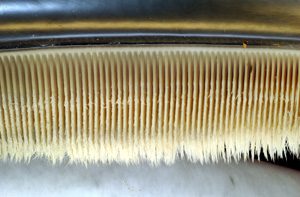
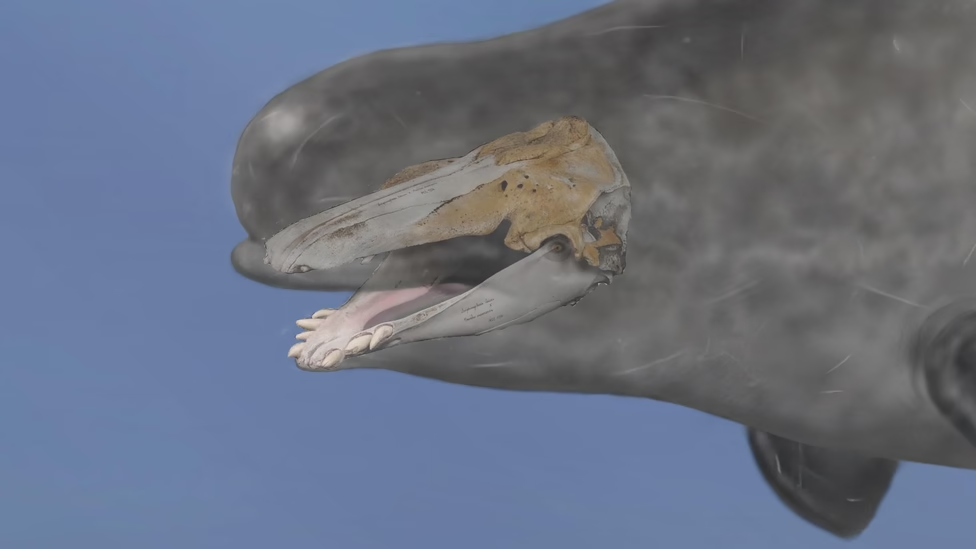
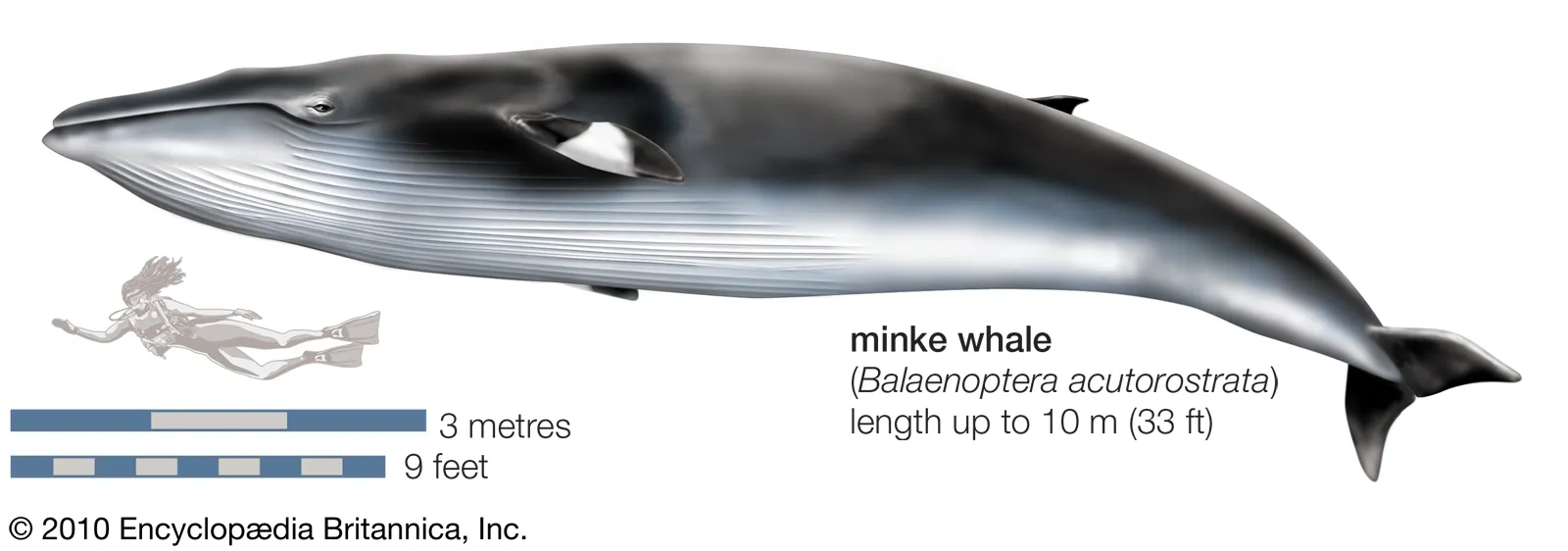
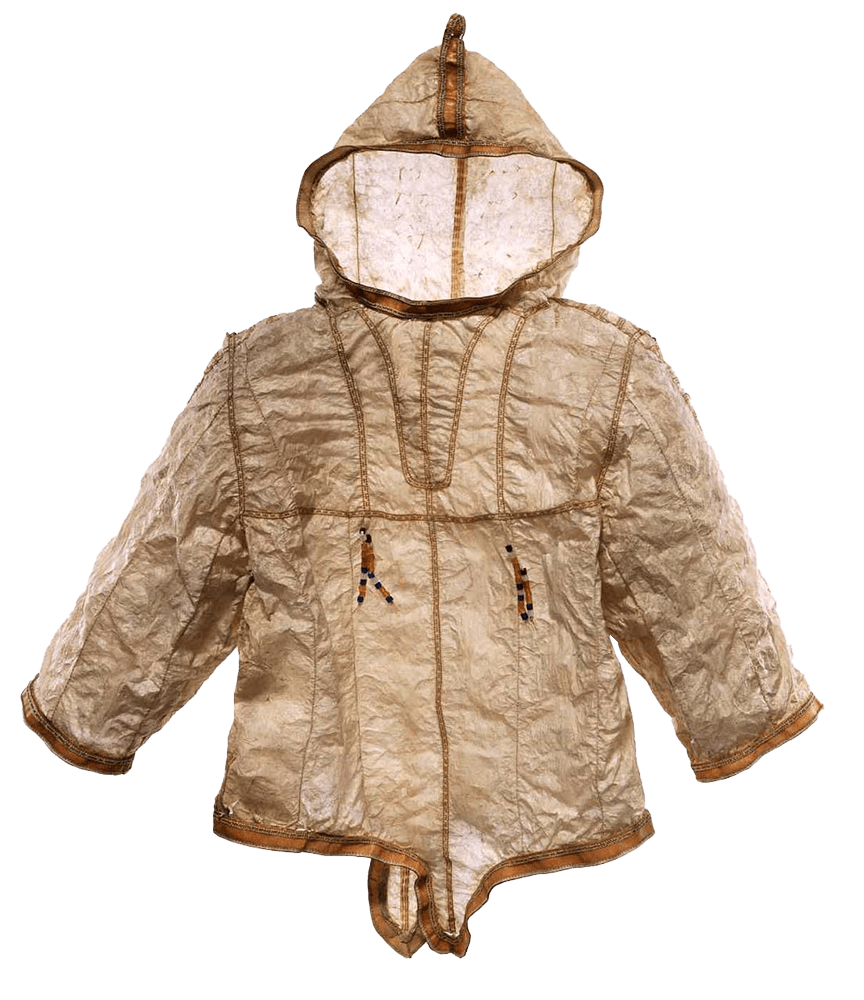
Beyond their skin, many parts of marine mammals have historically been used to craft a wide range of products. In the past, marine mammal bones were carved into game pieces in Scandinavia. Whale’s baleens were used to make corsets until the 20th century. Not only that, but whale oil was used to make margarine and soap until mid 20th century, and nitroglycerine for explosives in both World Wars. The stomachs of pilot whales were used as buoys on traditional Faroese boats until the 1970’s. In the Arctic, the intestines of marine mammals were crafted into lightweight, breathable, and waterproof coats.
Did you know that....
- Seal fur is durable yet biodegradable.
- Many Indigenous communities do not only rely on seal products for food and clothing, but they also sustain their livelihood by selling these products.
- Seal skin is also used internationally in high fashion, luxury clothing.
- In 2009, the EU banned the import of all seal products. While there is an exception for products from Indigenous hunts, this exception was not publicised enough, as it ought to be, and the Indigenous seal skin market has collapse, depriving the communities from this income opportunity and opening to the global market.