Hunters
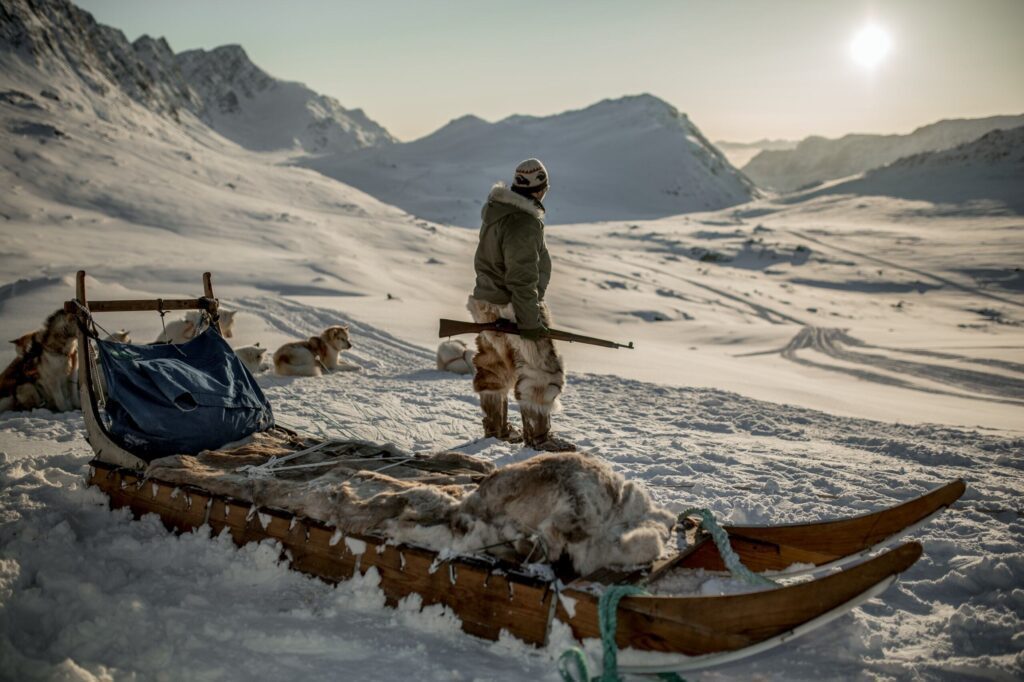
The North Atlantic is home to diverse marine mammal hunting communities, each with its own techniques and traditions. From the practices of the Inuit in Greenland to those in Iceland, the Faroe Islands, and Norway, the hunts reflect a rich and varied cultural heritage. Some hunters hunt marine mammals for sustenance, directly providing food and resources for their families and communities, while for others, it is a livelihood to earn money to support their families. Hunting can be a primary profession, but it may also be done part-time or as a recreational activity, and depending on the targeted species it may be seasonal.
Marine mammal hunter organisations play a crucial role in shaping the rules and policies around their activities. They advocate for the interests of their communities, and their focus lies in securing a sustainable livelihood from marine mammal hunting and enhancing the safety of the hunters. They are in dialogue with the managing authorities and international organisations like NAMMCO, so a responsible resource management can ensure sustainable practices and the long-term viability of the resource and hunting traditions.

Hunting of marine mammals often takes place under challenging and demanding circumstances. A rough Arctic marine environment, often with sea ice and cold temperatures, and moving targets make it a difficult and even life-threatening endeavour. Intimate knowledge of the surrounding circumstances, the behaviour of the animal, and the equipment are of the utmost importance to make the hunting as safe and quick as possible for both the hunters and the animals. While animal welfare—including how quickly the animal dies—has improved significantly over the past 35 years, there is still room for progress to achieve the highest standards of animal welfare. NAMMCO provides training manuals and videos to support efficient and safe hunting techniques.
Discuss
Does the matrix reflect each stakeholder‘s interest and influence in marine mammal management decisions? Move each stakeholder to a position in the graph based on what you think their level of interest and ability to influence decisions is.


Did you know that....
- Hunters’ Traditional Ecological Knowledge is more and more recognised and used in Western Science.
- Hunters can cooperate with scientists by collecting data and samples from their hunt.
- Traditionally, hunter knowledge is passed on down through generations, from elders to youth.