Culture, identity & spirituality
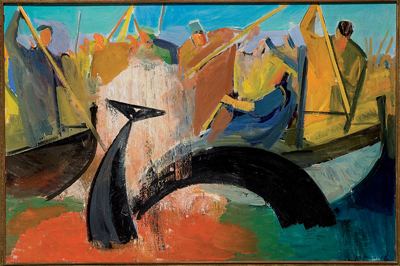
Marine mammals hold a special place in the culture of many communities. They have represent for millennia an accessible, abundant and often lifesaving resource. As such they are essential part of some coastal communities’ gastronomic, cultural and spiritual identity, gaining the communities’ admiration and respect. Their enigmatic behaviour and graceful mastering of an alien and difficult environment make them fascinating creatures to many.
Whales and seals appear in peoples’ legends all over the world. Bowhead whales are an important symbol of Inuit perseverance and culture. For some Pacific Northwest communities, orcas are connected to ancestral spirits and can take the body of a drowned person to the deep ocean and transform it into one of them.
In Celtic and Norse mythology, seals are associated with transformation and mystery; the mysterious and enigmatic Selkies can shape-shift between seal and human forms by removing or putting on their seal skin. Seals are also messengers of the Inuit sea Goddess Sedna, who controls the abundance of marine animals.

Because some whales and seals were severely overexploited by the Global North, they became its symbols for caring about nature and protecting the environment. The album “Songs of the Humpback Whale” in the ‘70s by Roger Payne supported the “Save The Whales” movement. The replacement of whale oil by easier-to-get products, coupled with the need to protect some populations, led to a cultural shift resulting in the adoption of a moratorium on large whale hunting by the International Whaling Commission in 1982. In parallel, the anti-sealing campaign grounded on moral concerns, led to the EU ban against the import of seal products in 2009. This does not change the fact that marine mammals remain a resource for many people all over the world.

References
[1] United Nations (General Assembly). (1966). Article 27 International Covenant on Civil and Political Rights. Treaty Series, 999, 171. https://doi.org/10.14430/arctic2611
[2] Sakakibara, C. (2011). Climate Change and Cultural Survival in the Arctic: People of the Whales and Muktuk Politics. Weather, Climate, and Society, 3(2), 76-89. https://doi.org/10.1175/WCAS-D-10-05007.1
Did you know that....
- Culture encompases language, traditions, rituals, knowledge, art, beliefs, and food. Culture makes a group of people unique and gives them a sense of belonging.
- Whaling and sealing is a recognised cultural right for Indigenous Peoples, which States must safeguard [1].
- Whales and seals as food carry a wealth of cultural and social connotations across different regions and times, including ideas of teamwork, care, sharing, and community [2].
Discuss
Is the EU ban on seal products in conflict with the right of Indigenous Peoples to practice traditional activities?
Our foods do more than nourish our bodies. They feed our souls. When I eat Inuit foods, I know who I am. I feel the connection to our ocean and to our land, to our people, to our way of life.
–Ingmar Egede at the Inuit Circumpolar Conference, 1995