- Grindahvalur
- Niisarnaq
- Grindhvalur
- Grindhval
- Grindehval
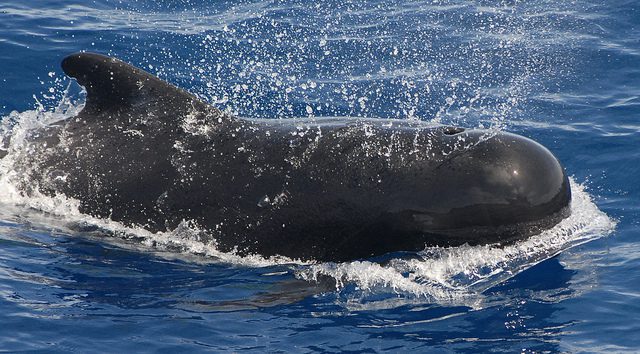
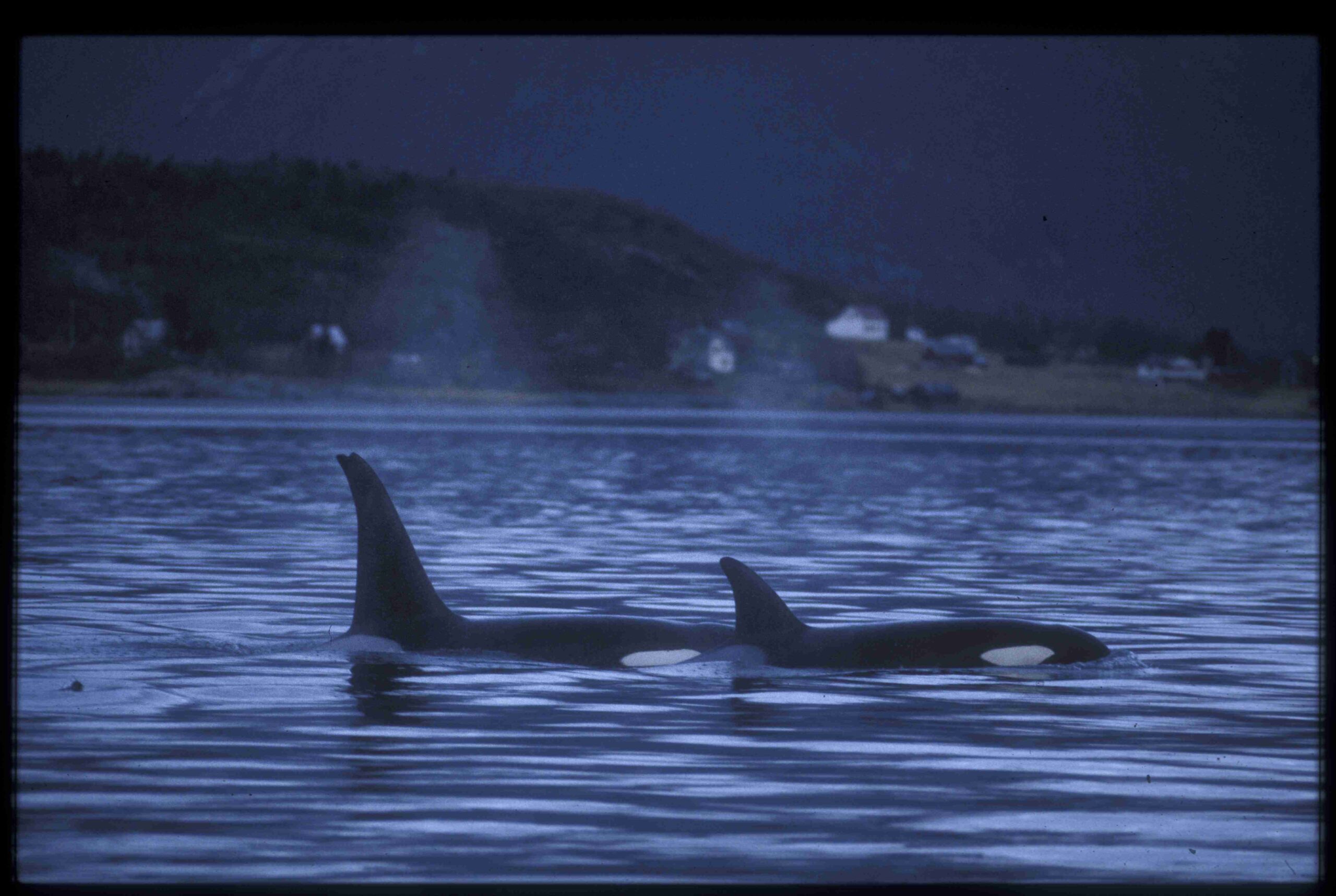
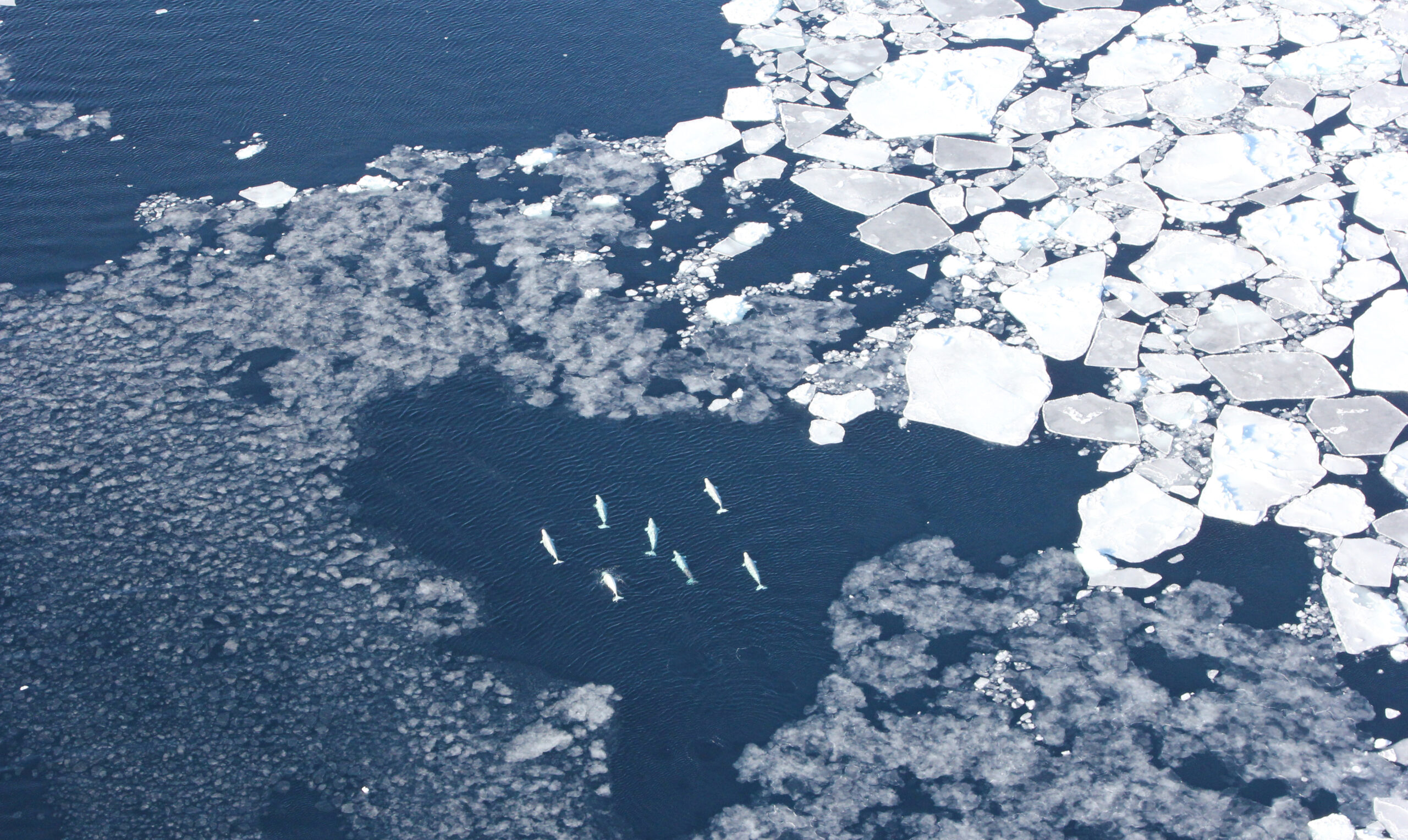
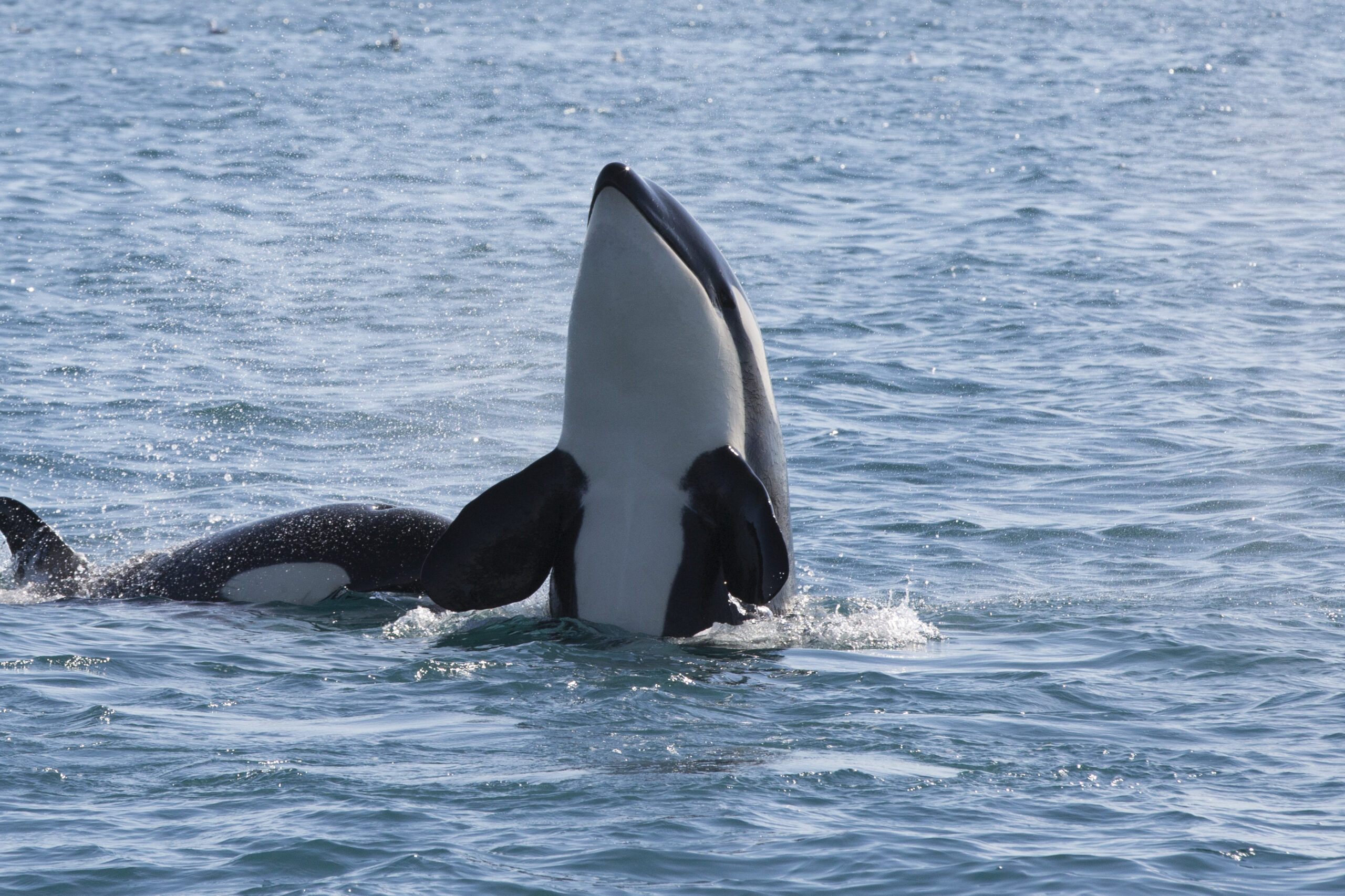
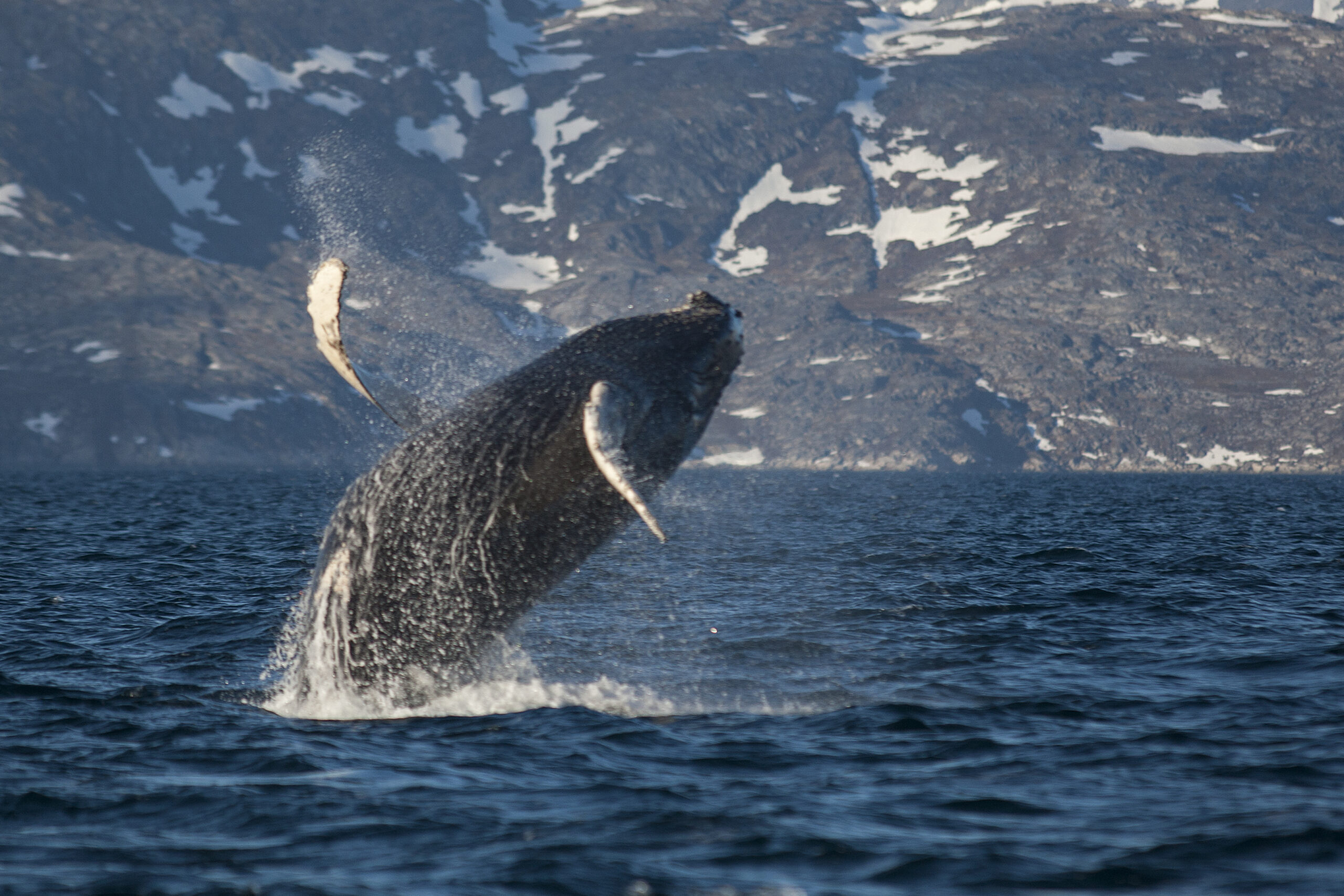
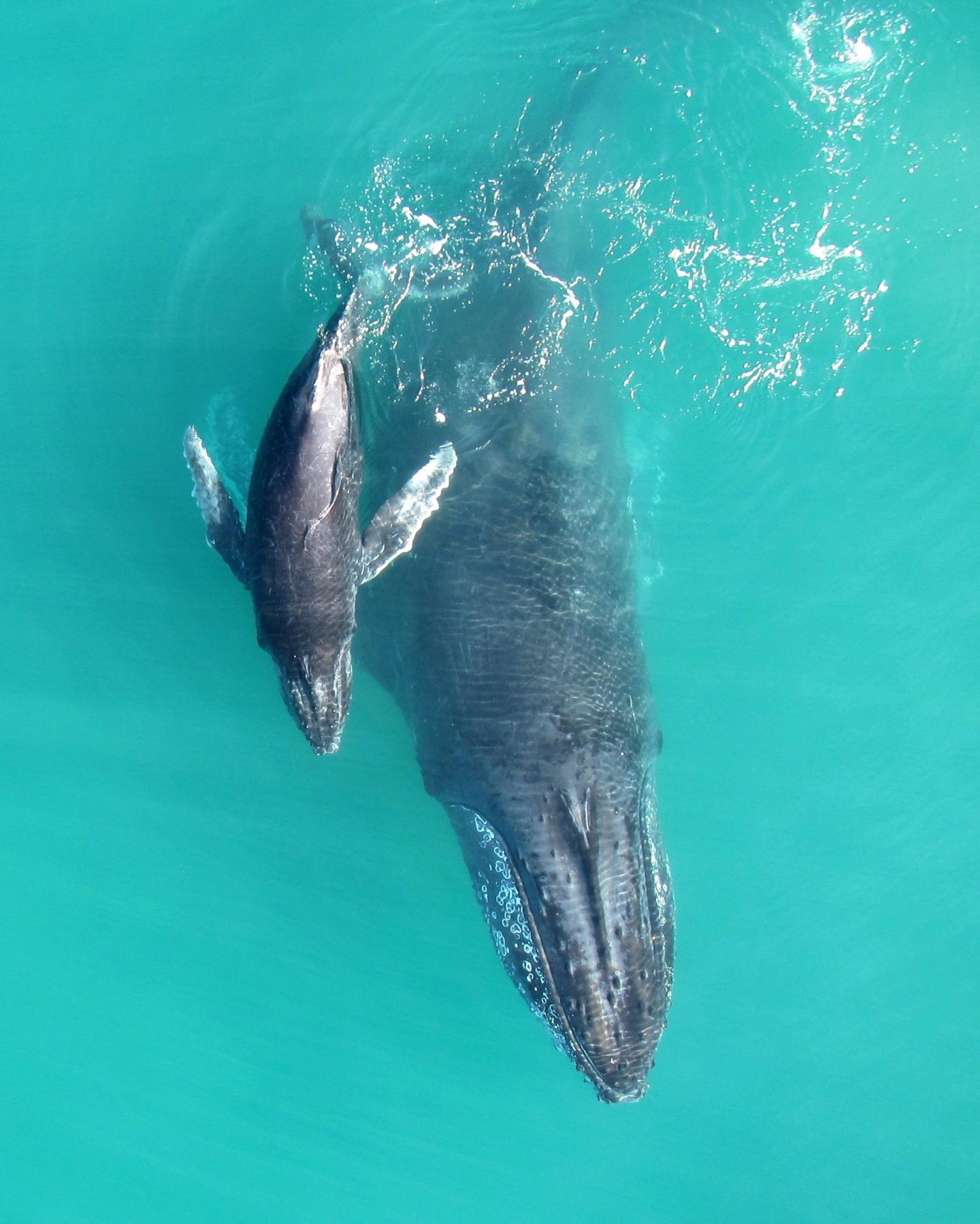
Pilot whales are known for their large, round heads and their strong social bonds. While family groups typically number between 10 and 20 animals, it is not uncommon to see temporary aggregations of several hundreds. They get their name from the old belief among North Atlantic peoples that a “pilot” guided the group. This knowledge was then used to drive them into shallow bays to hunt them, a tradition that still exists today in the Faroe Islands, known as the “grindadráp”.
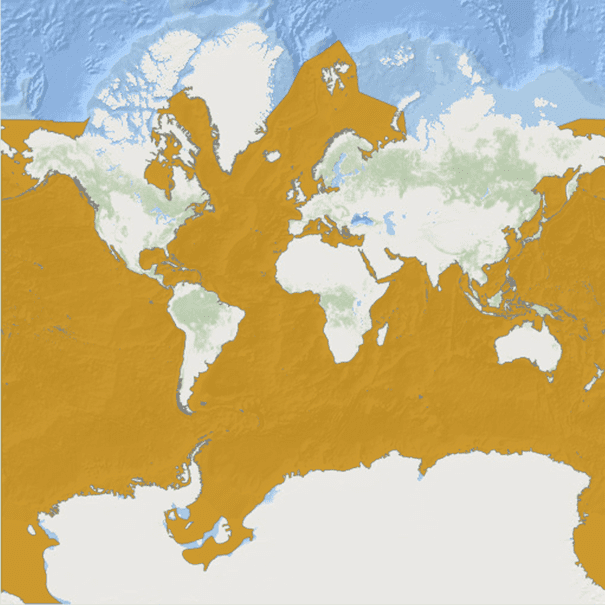
Did you know there are two different species of pilot whale in the world? These are the long-finned and the short-finned pilot whales. In the northern part of the North Atlantic we only find the long-finned pilot whales. These prefer the colder waters, while short-finned pilot whales can be found in more tropical waters. Another difference is that long-finned pilot whales have longer pectoral fins, up to 20% of their body length, and a bigger dorsal fin.
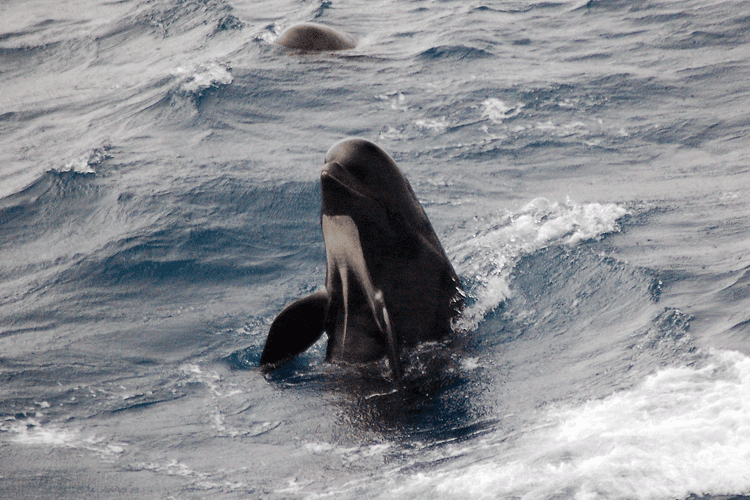
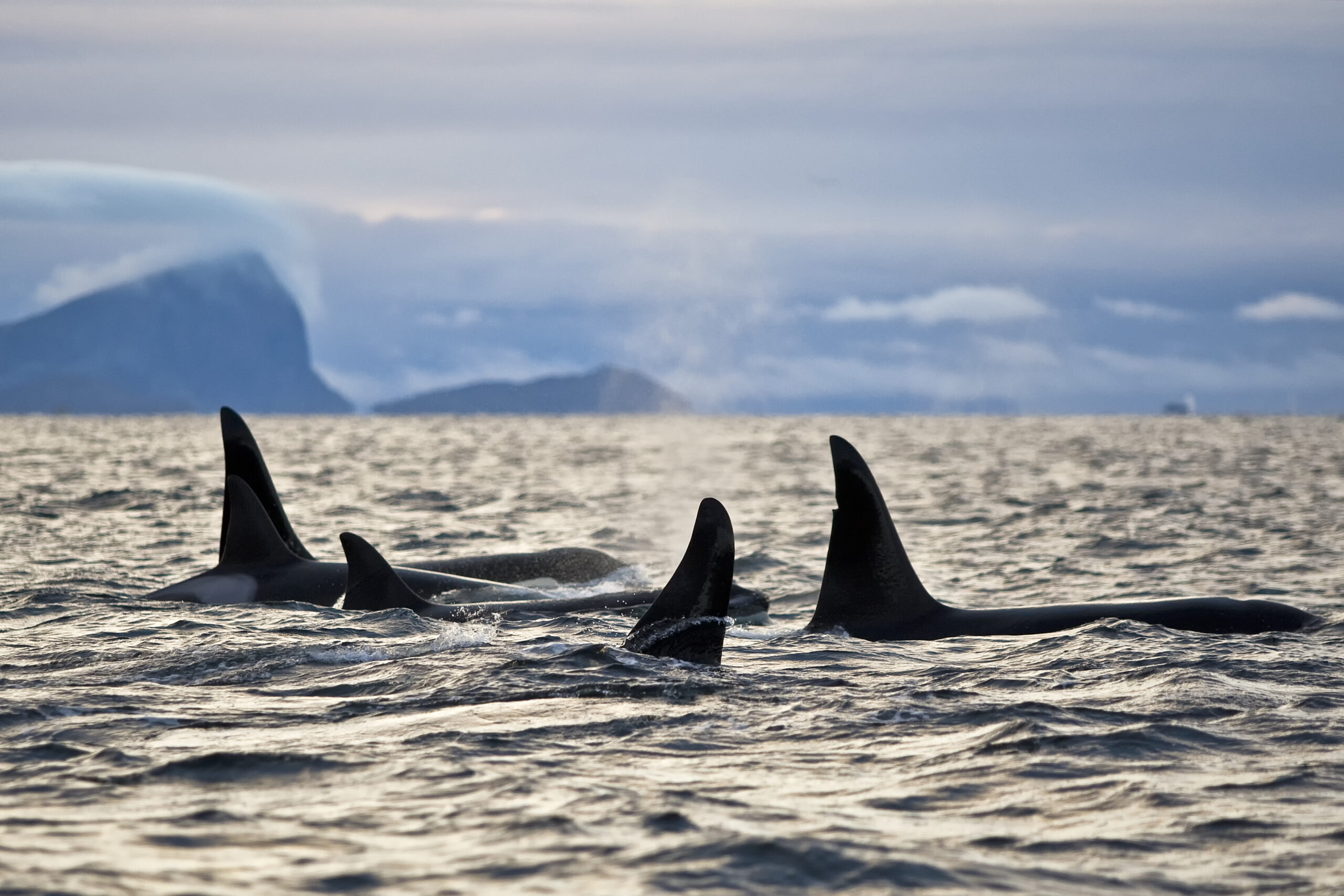
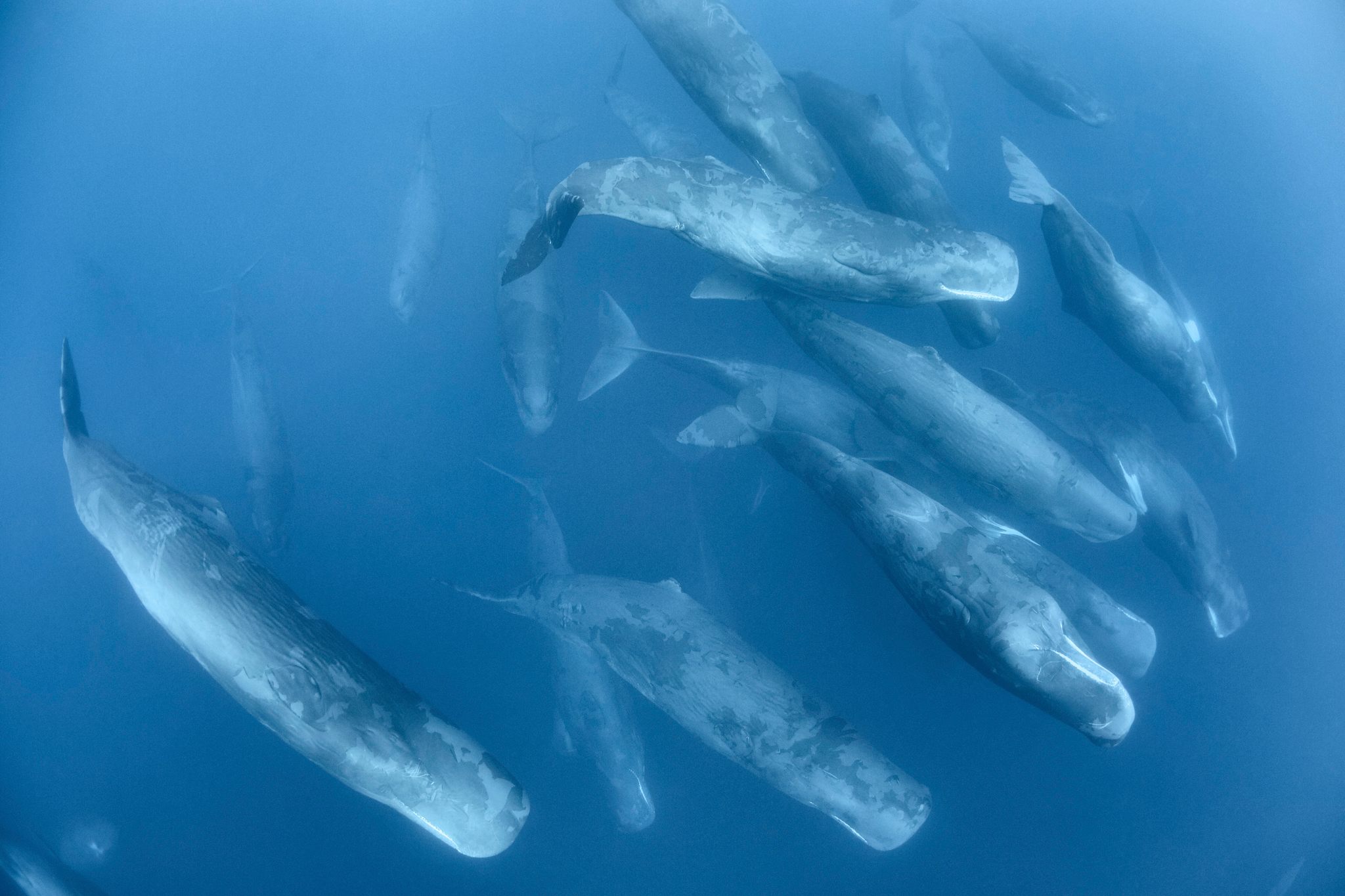
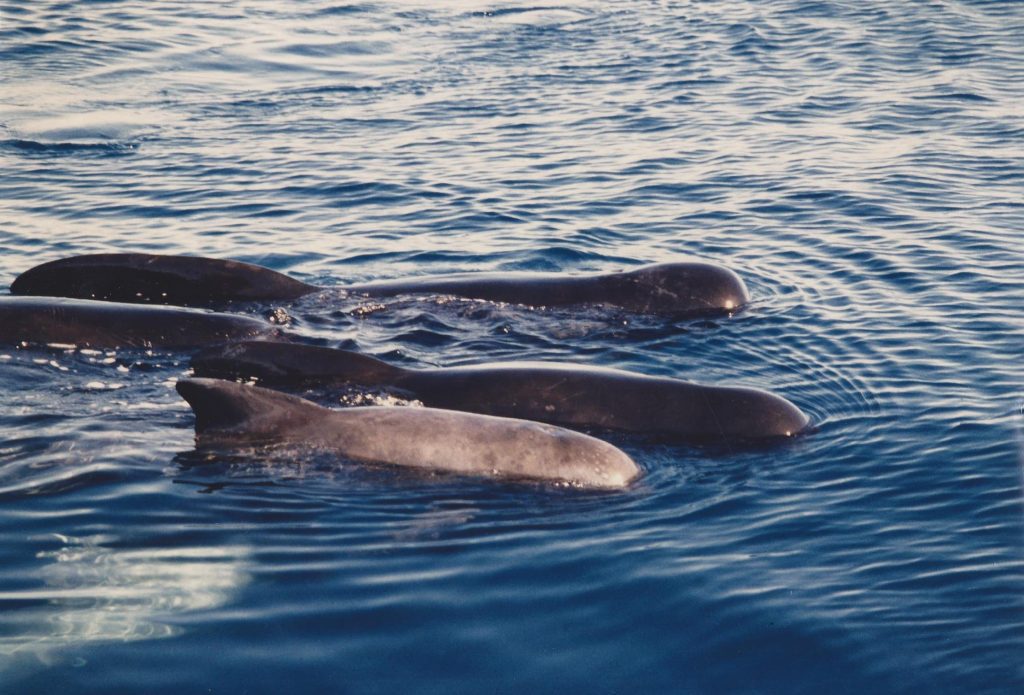
Pilot whales are very social, living in close-knit groups led by matriarchs, typically older females. Their strong social bonds lead to synchronized behaviours like breathing and diving, reinforcing their connections. They are not only social with each other, but are also often seen in the company of other dolphin and other whale species. Pilot whales are unfortunately also known for mass strandings, when a large group strands together. While it’s not clear why they do this, their strong social bonds may be a reason why when one whale gets stranded, others in the group follow.
The situation of pilot whales in the Faroe Islands
We are working on this.
The situation of pilot whales in Greenland
We are working on this.
The situation of pilot whales in Iceland
We are working on this.
The situation of pilot whales in Norway
We are working on this.
The situation of pilot whales in Denmark
We are working on this.
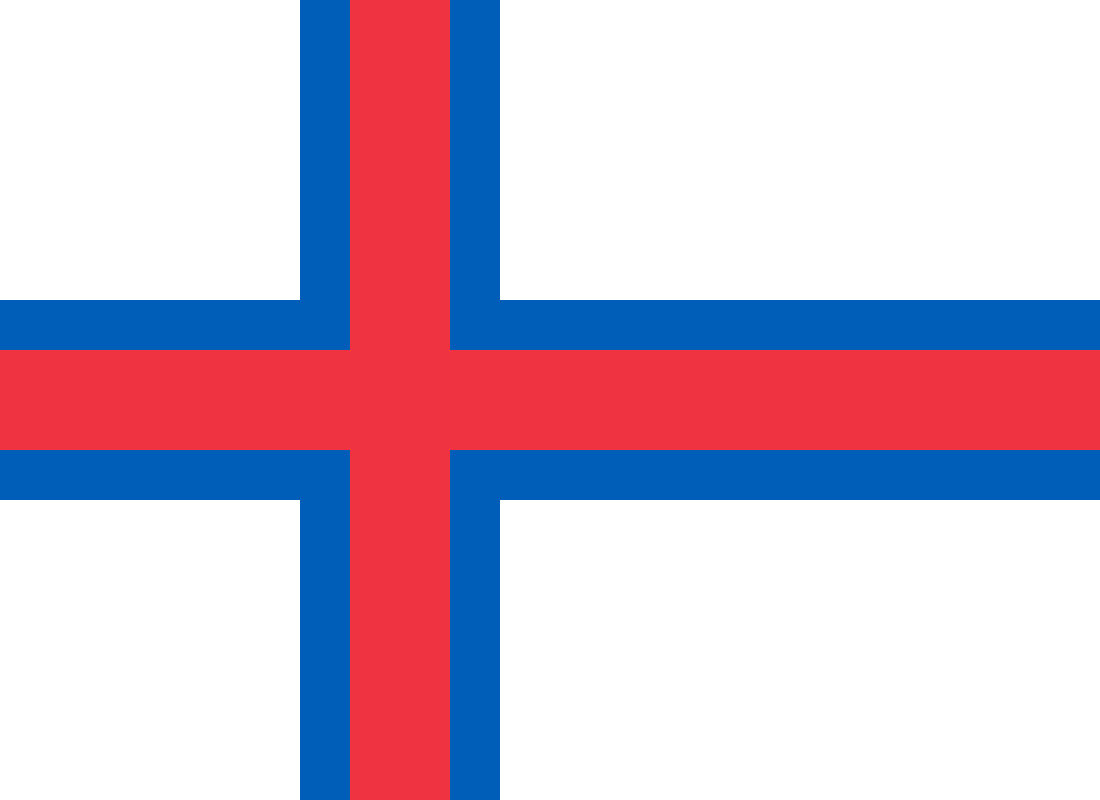 661 whales/year mean 2019-2023
 308 whales/year mean 2019-2023
Sound credit: Marianne Rasmussen, University of Iceland
Main threats
Research
Pilot whales live in matriarchal pods, meaning their leaders are females. What other species live in matriarchal societies?