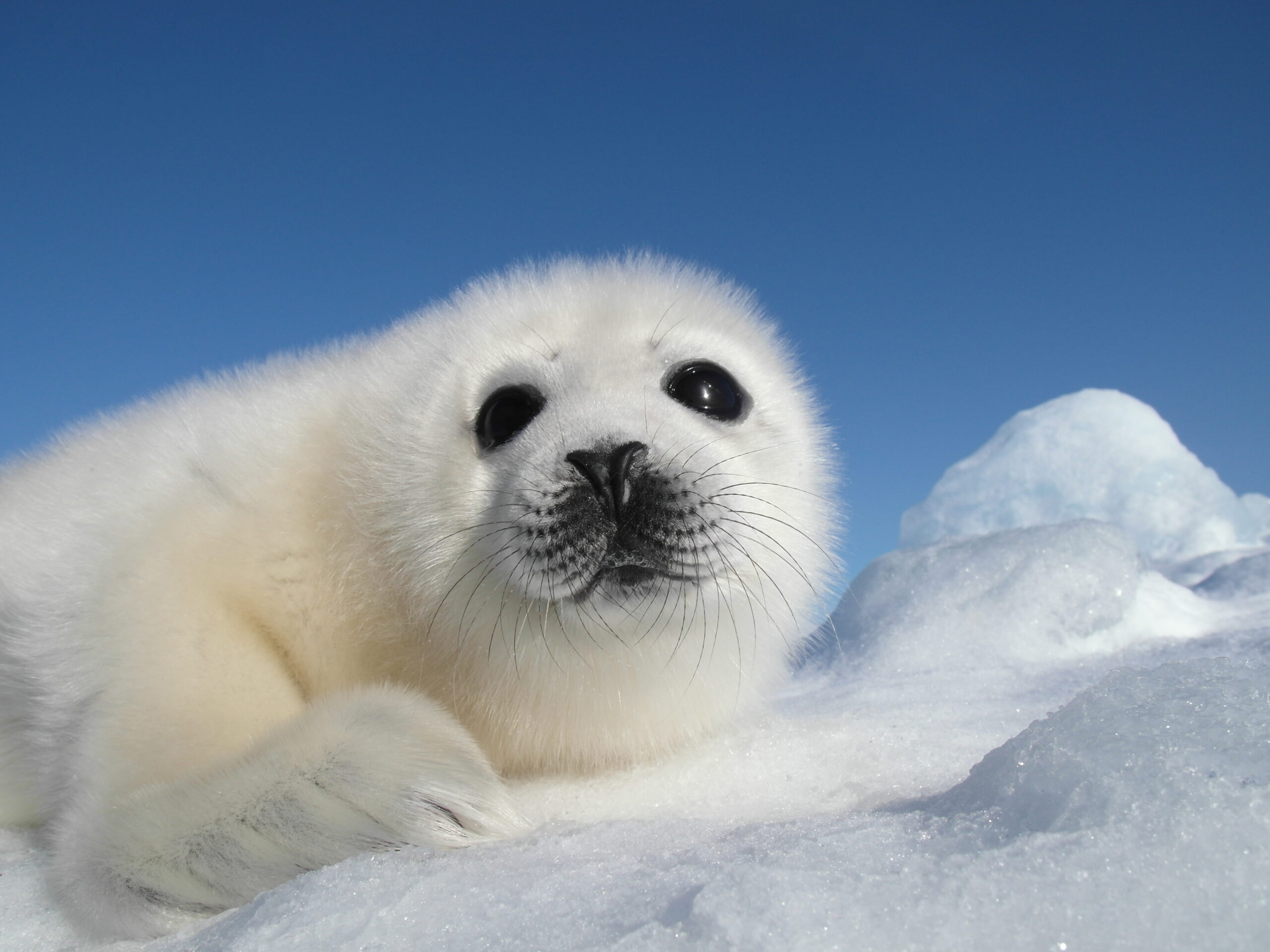
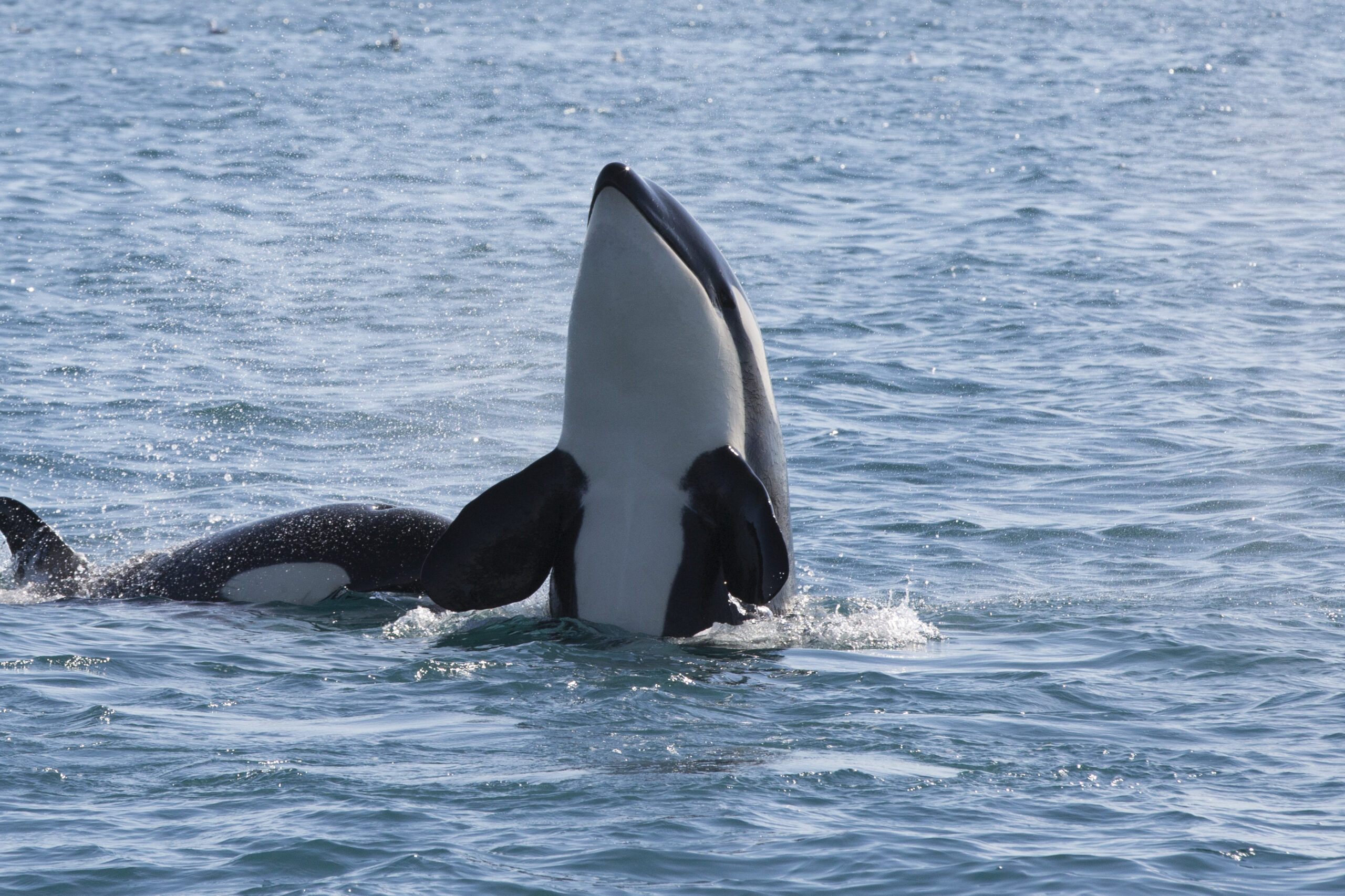
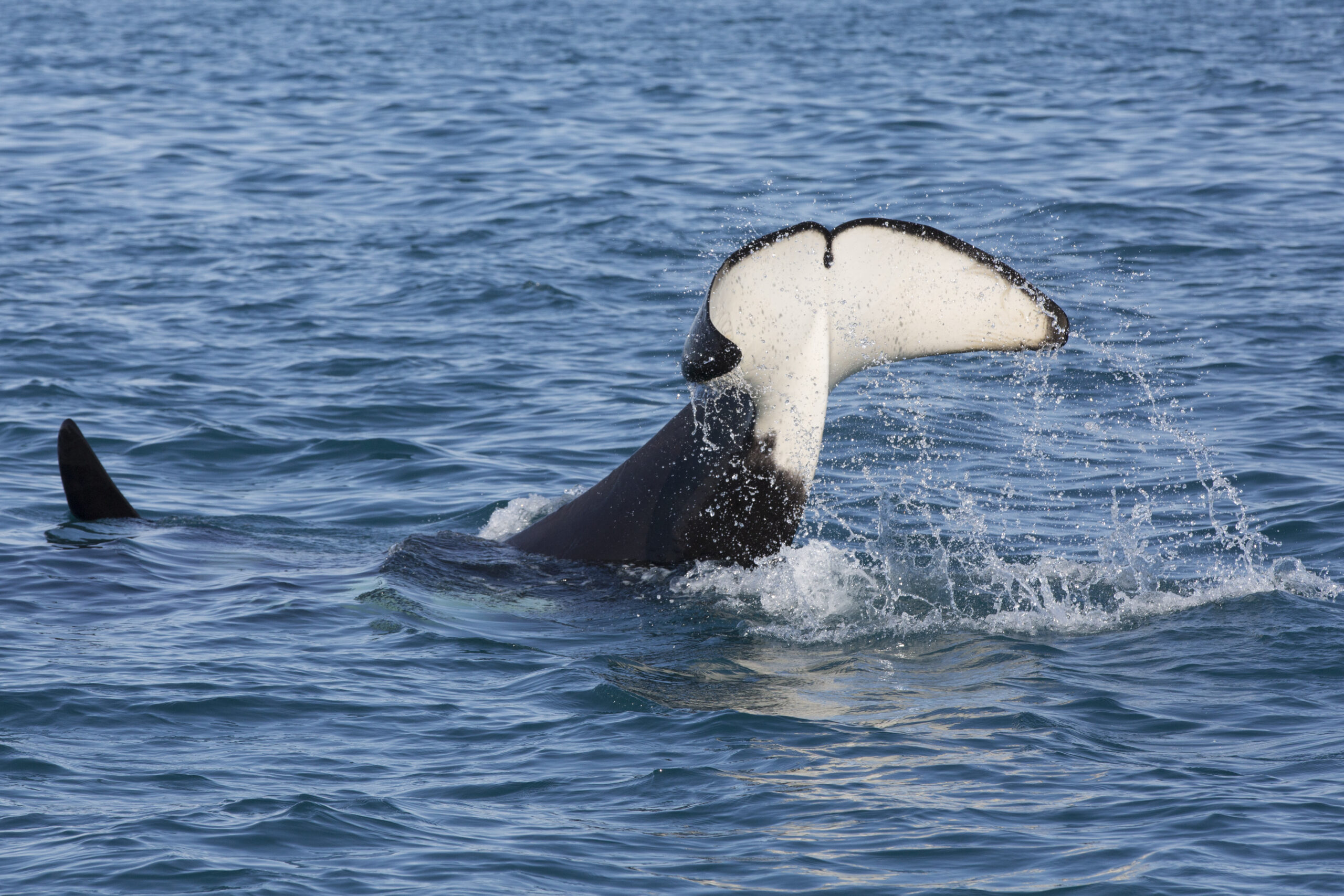
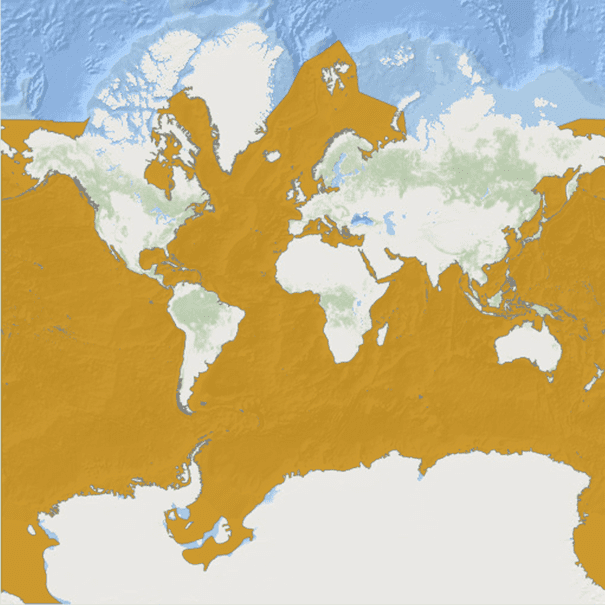
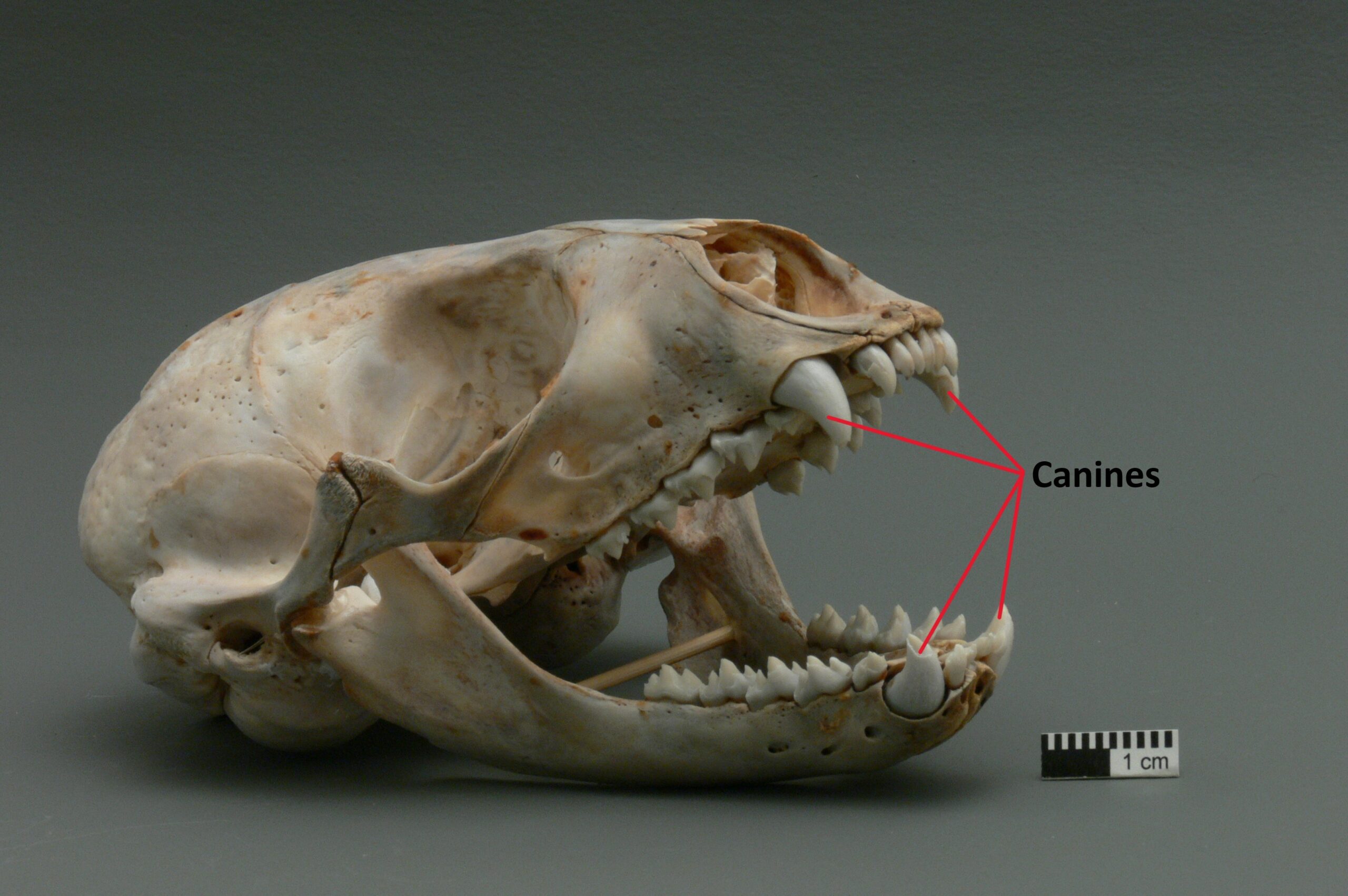
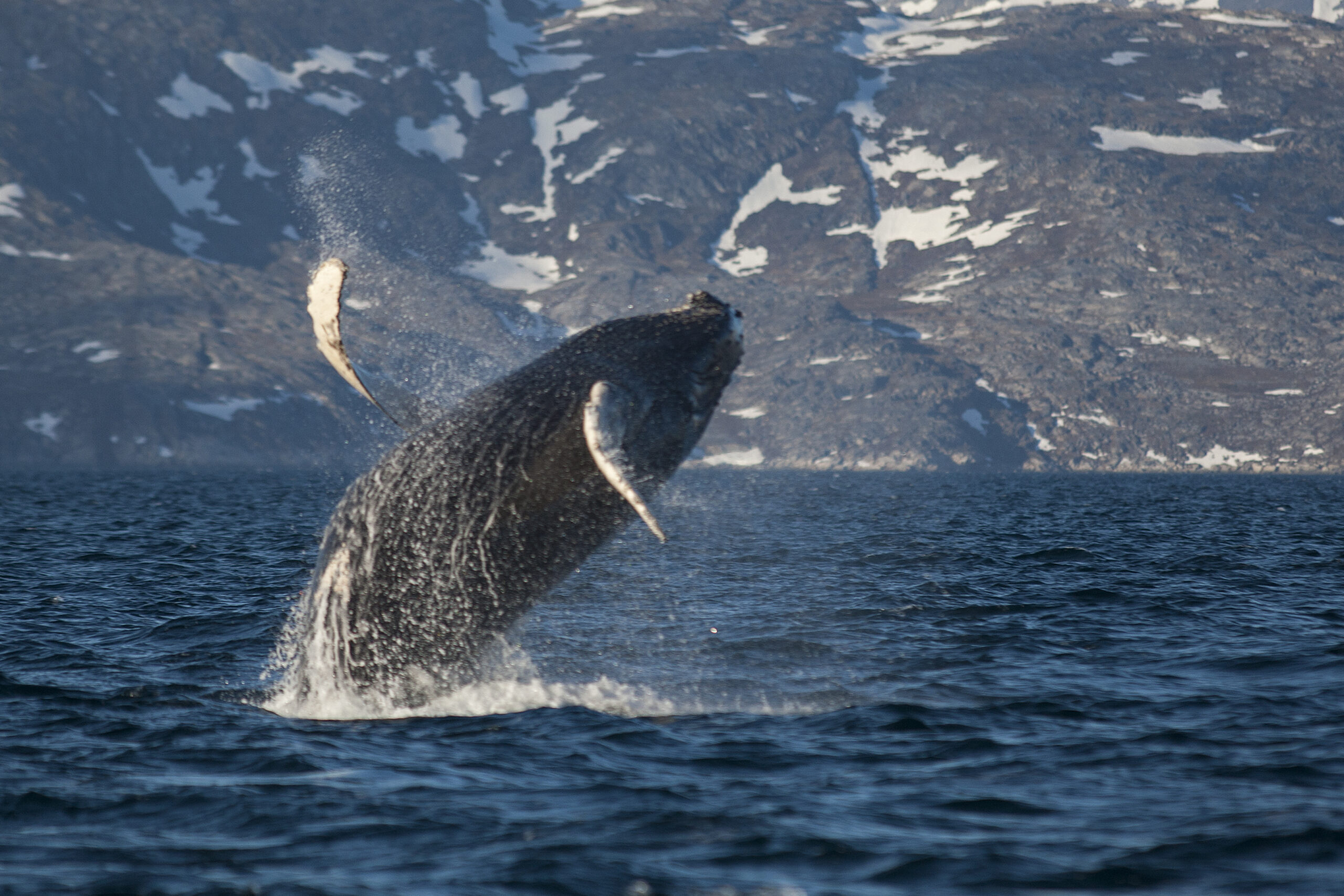
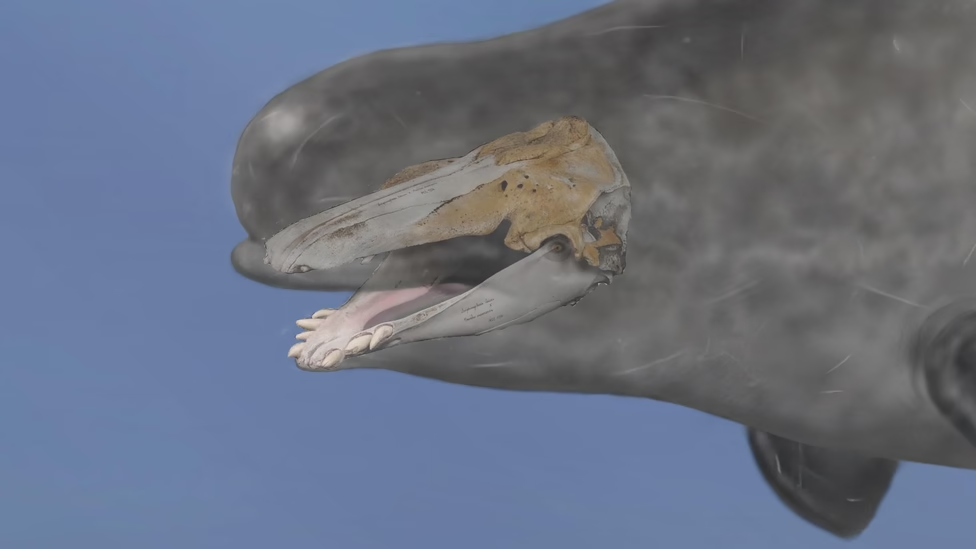
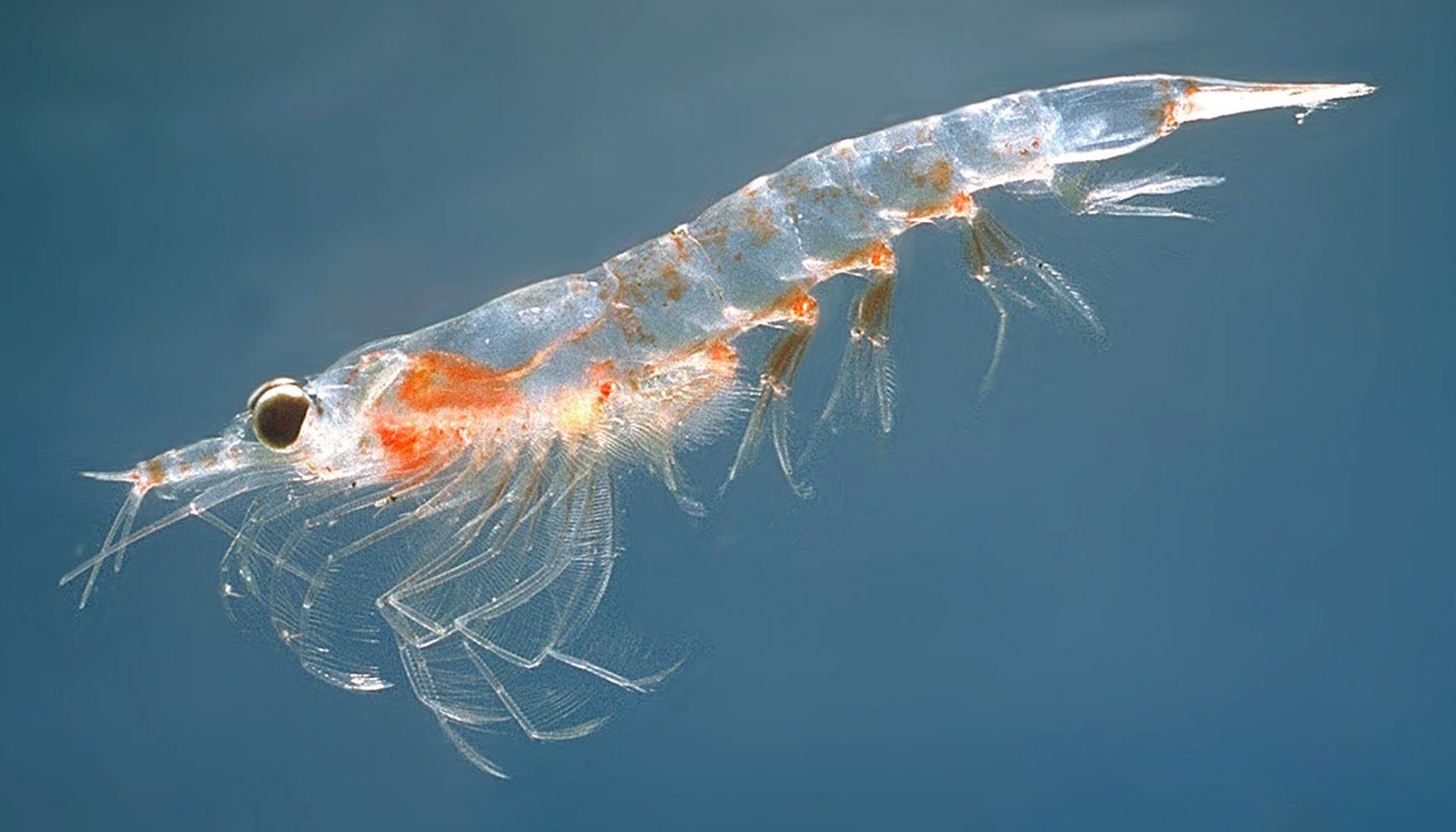
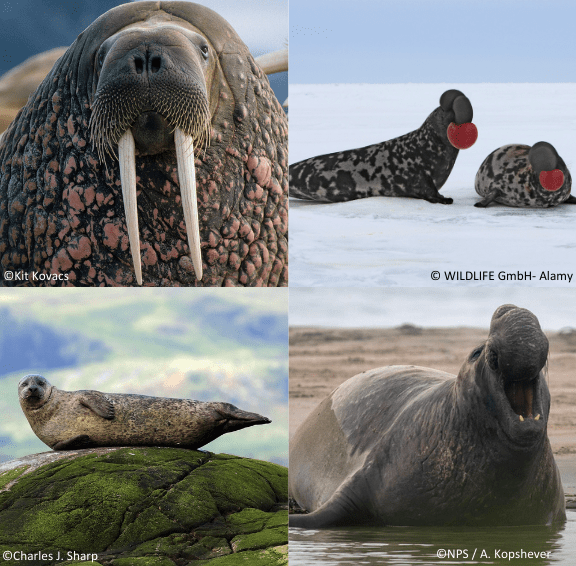
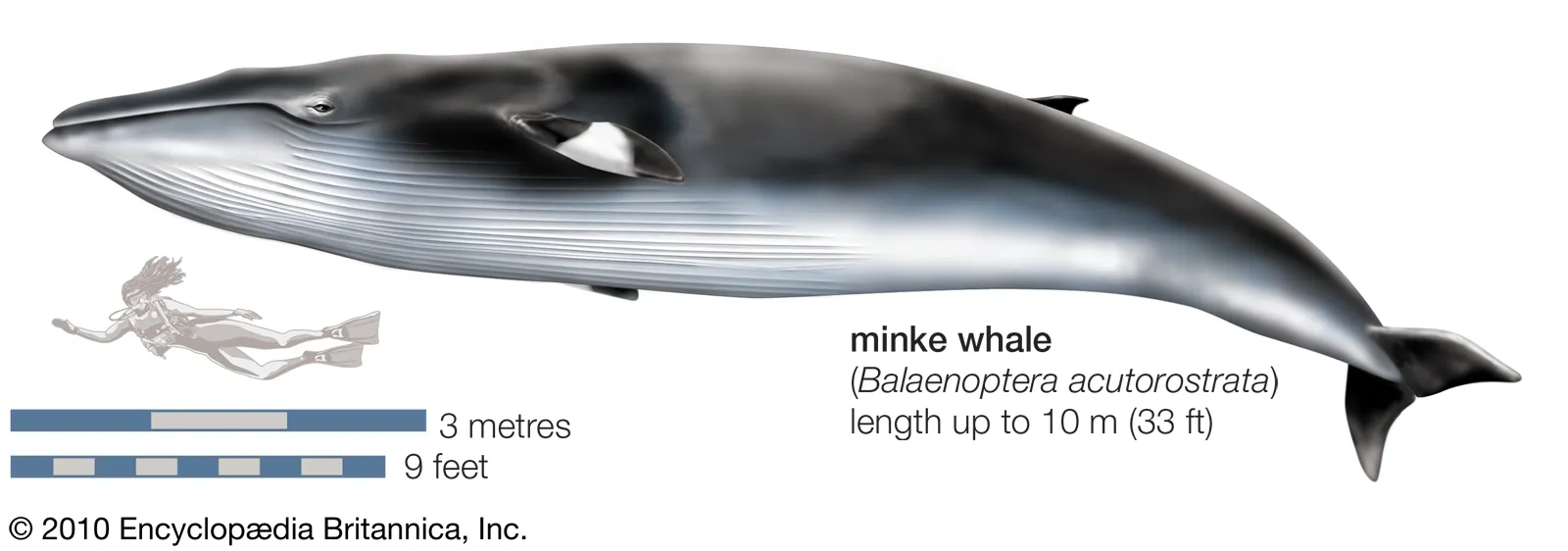
A consists of all the interconnected within a single . Each organism in an is part of multiple , representing various paths that energy and nutrients can follow as they move through the . These chains can range from simple and short to complex and lengthy. Together, all these overlapping form a .
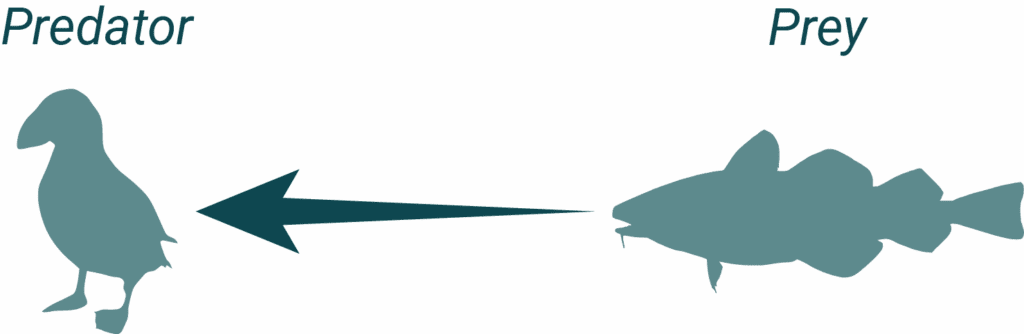
begin with primary producers, organisms that create their own food through by using sunlight and . The next level, known as primary consumers, consists of that eat the primary producers. Secondary consumers, which are or , feed on the primary consumers. Finally, tertiary consumers, or , consume both primary and secondary consumers, maintaining balance within the .
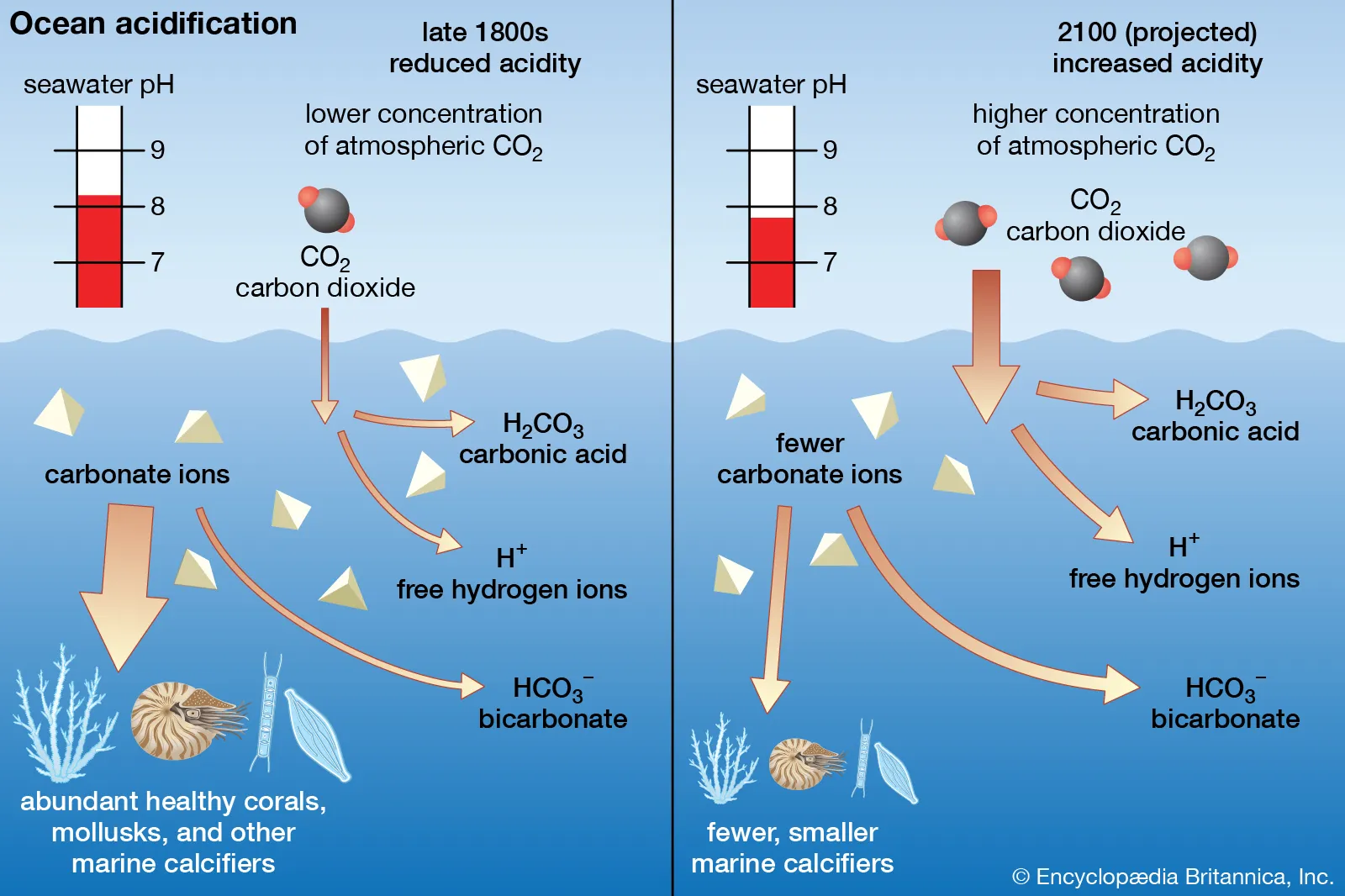
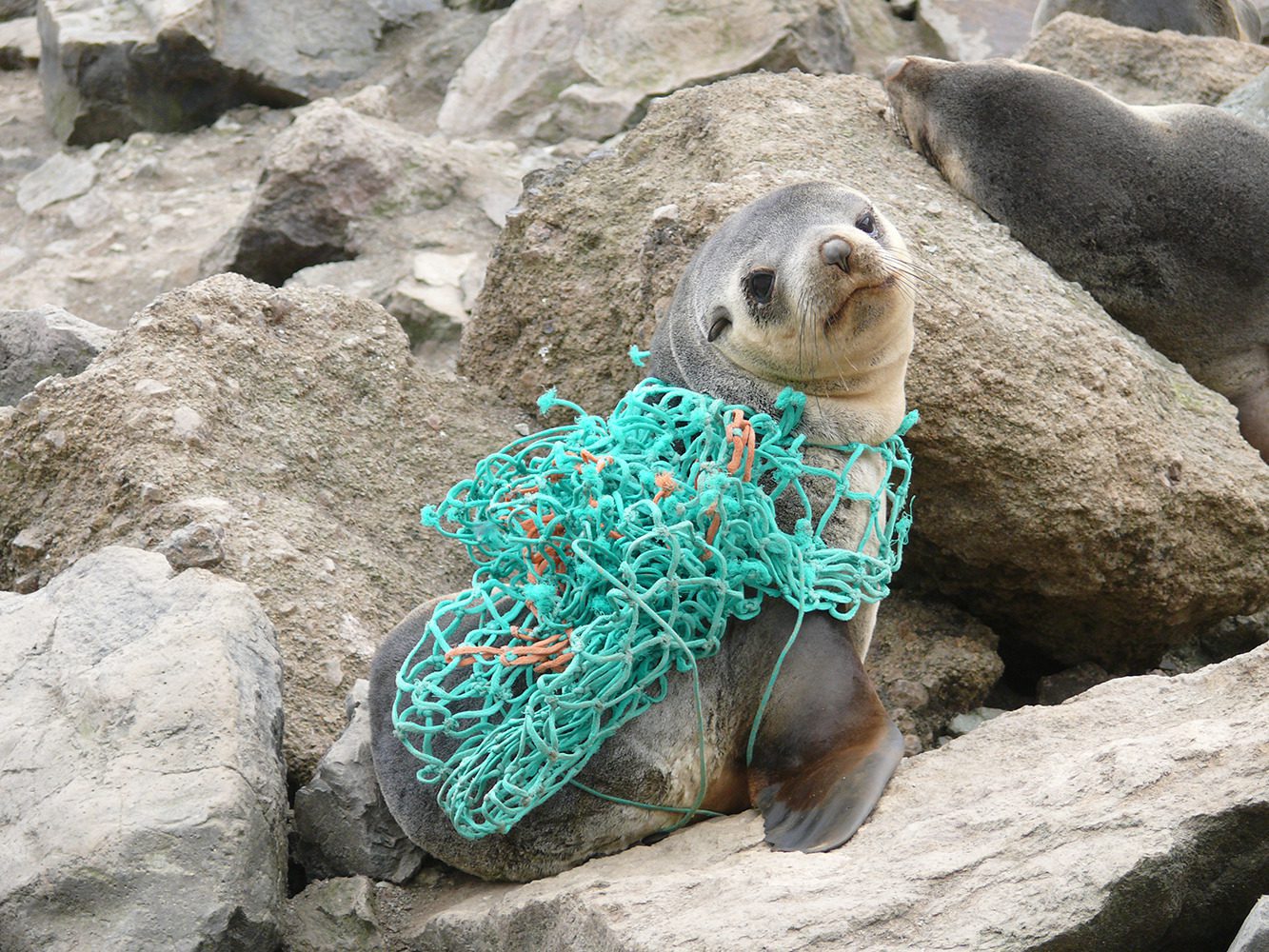
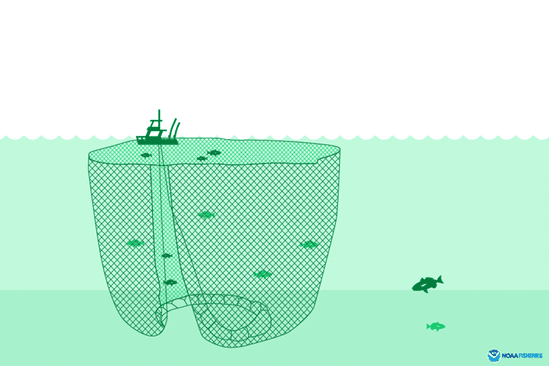
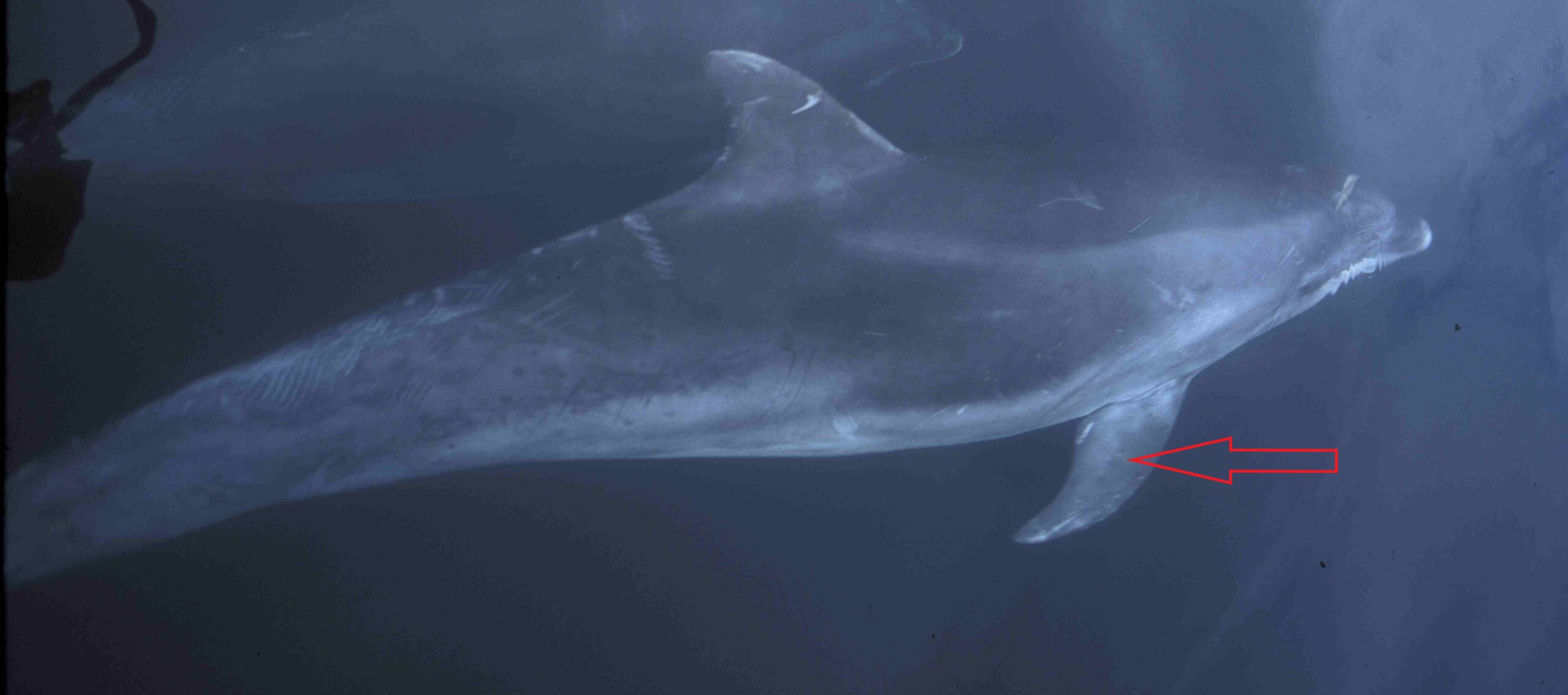
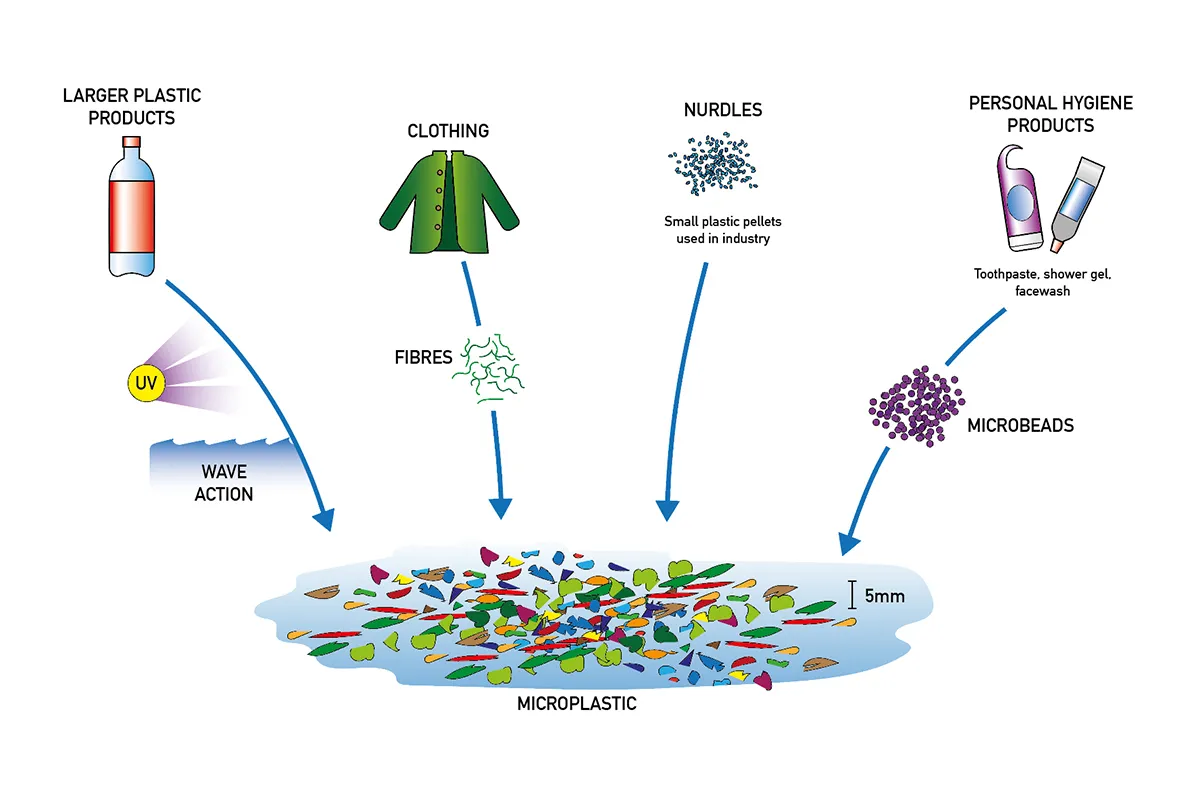
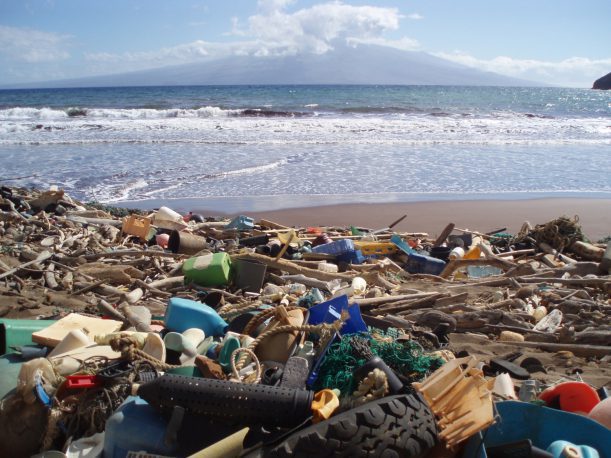
Explore the impact of on marine . Use and discuss the GUARDNA “Threat” cards to understand how pollution, , climate change, and other affect the intricate balance of marine .
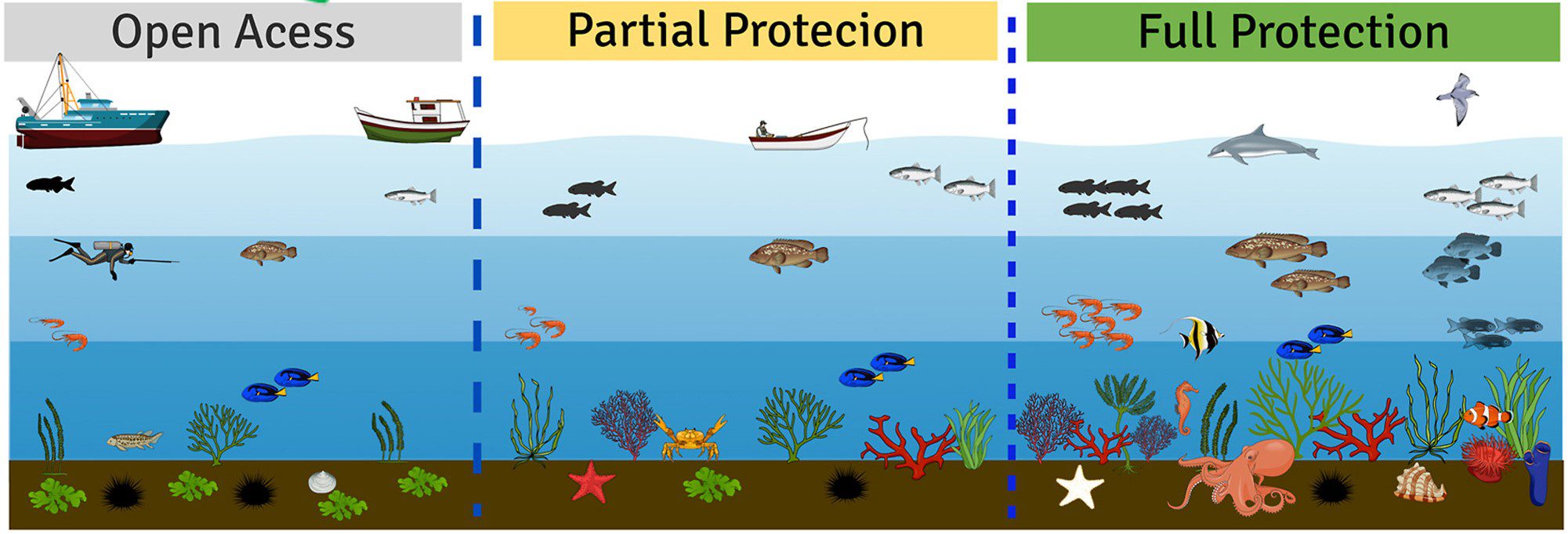
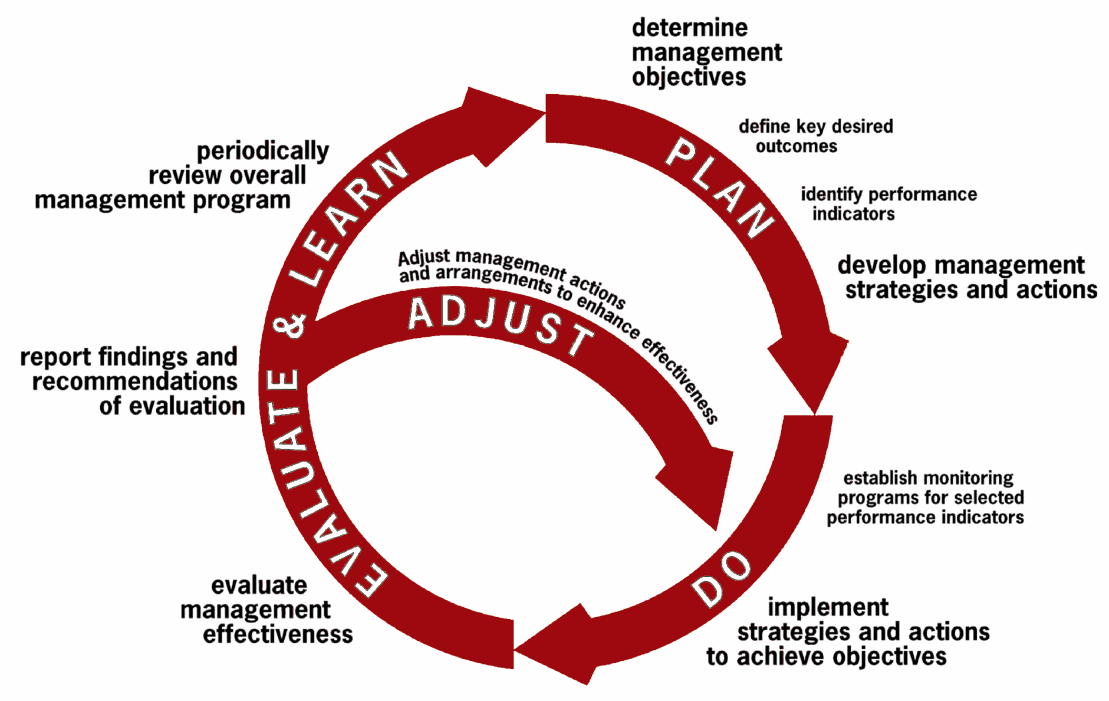
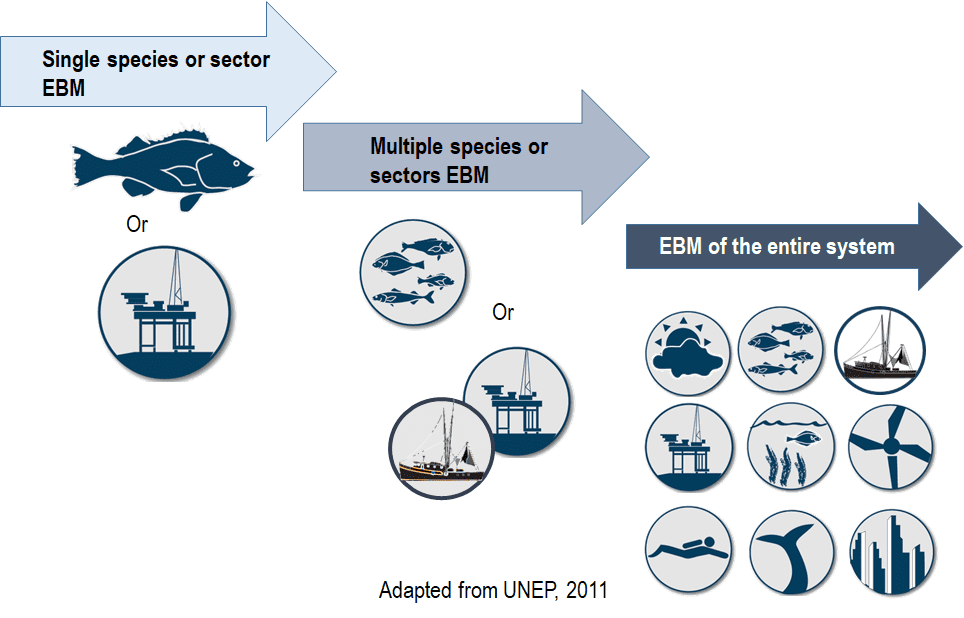
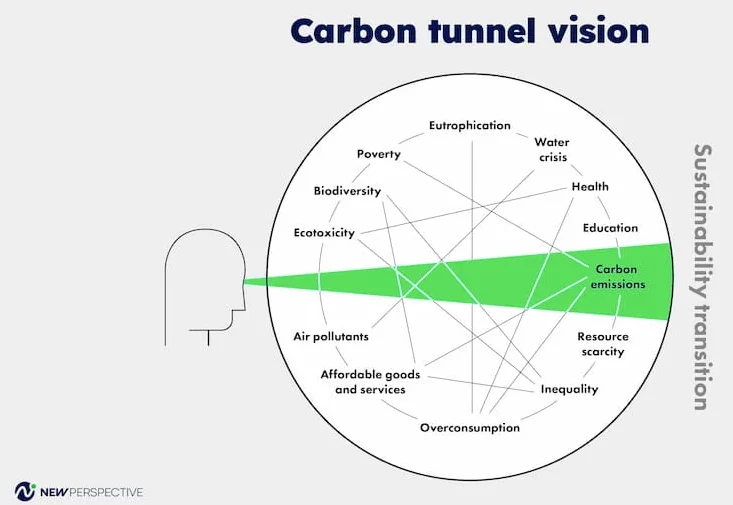
Learn about. Traditionally, scientists and managers focused on individual when studying and marine mammals. However, as you have learned, are complex and interconnected. Focusing solely on a single without considering its relationships with other species and its role within the broader can lead to poor decisions. Today, has shifted towards : an integrated approach that considers the entire , including human impacts, in resource decisions. This approach is guided by principles, which allow for adjustments based on ongoing observations and feedback.

 Handout 2) and the background (