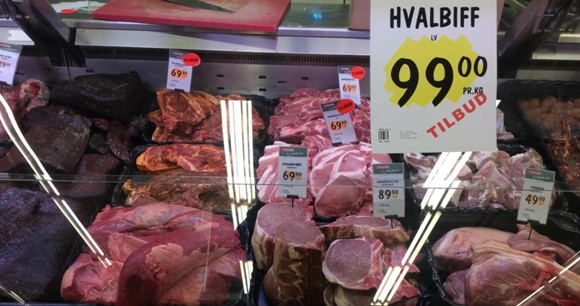
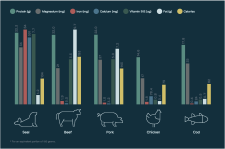
Narwhal skin, known as mattak in Greenland, contains around 38 mg of vitamin C per 100 g [1]. In comparison, an orange usually contains around 50 mg of vitamin C per 100 g, but oranges do not naturally happen in the Arctic. Seal meat is much more nutritious than other meat food sources. The consumption of marine mammals has protected the Inuit from diseases like scurvy, a condition caused by vitamin C deficiency that was common in historical Western Arctic expeditions, as well as life-style diseases like cardio-vascular diseases, obesity or diabetes.
Marine mammal species are long-lived top-predators, many at the top of the food chain. The food they eat can have high levels of toxins, as these build up through bioaccumulation and biomagnification. These contaminants can be dangerous for the people who eat the meat, and the Faroese and Greenlandic governments have given advice on the maximum amount of marine mammal meat that should be consumed.

References
[1] Geraci, J., & Smith, T. (1979). Vitamin C in the Diet of Inuit Hunters From Holman, N.W.T. Arctic, 32(2), 135-139. https://doi.org/10.14430/arctic2611
[2] Shahidi, F., & Synowiecki, J. (1996). Seal meat: A unique source of muscle food for health and nutrition. Food Reviews International, 12(3), 283–302. https://doi.org/10.1080/87559129609541082
[3] Ziegler, F., Nilsson, K., Levermann, N., Dorph, M., Lyberth, B., Jessen, A.A., & Desportes, G. (2021). Local Seal or Imported Meat? Sustainability Evaluation of Food Choices in Greenland, Based on Life Cycle Assessment. Foods, 10(6):1194. https://doi.org/10.3390/foods10061194
Did you know that....
- The nutritional value of marine mammal meat is comparable to other top seafood products, and better than meat from livestock animals.
- Whale liver oil was a major source of vitamin D through the 1960s.
- Food is not only important for nutrition, but also plays an important role in culture.
- Marine mammal meat is the main food source for some people, while for others it is an addition to their diet, or just a delicacy.
- The nutritional and cultural importance of traditional and local foods is acknowledged by many international fora.
- For some regions, where most of the other food must be imported, marine mammal meat is the most sustainable option [3].