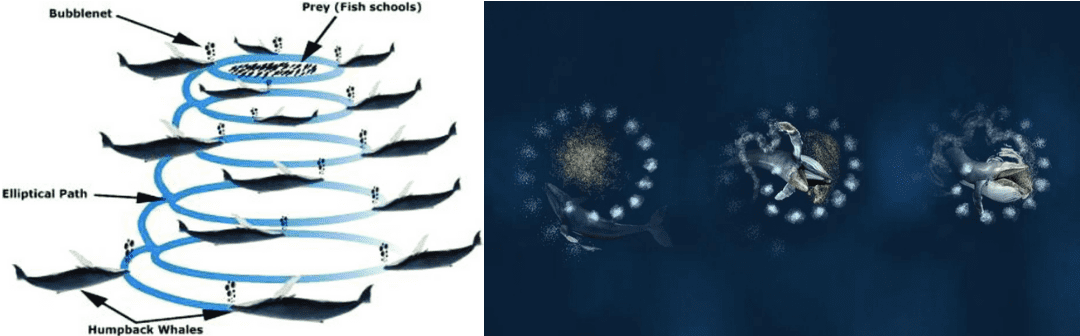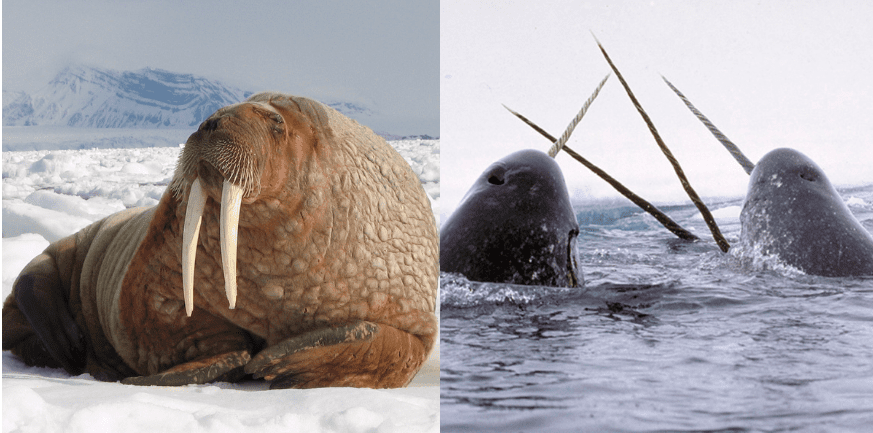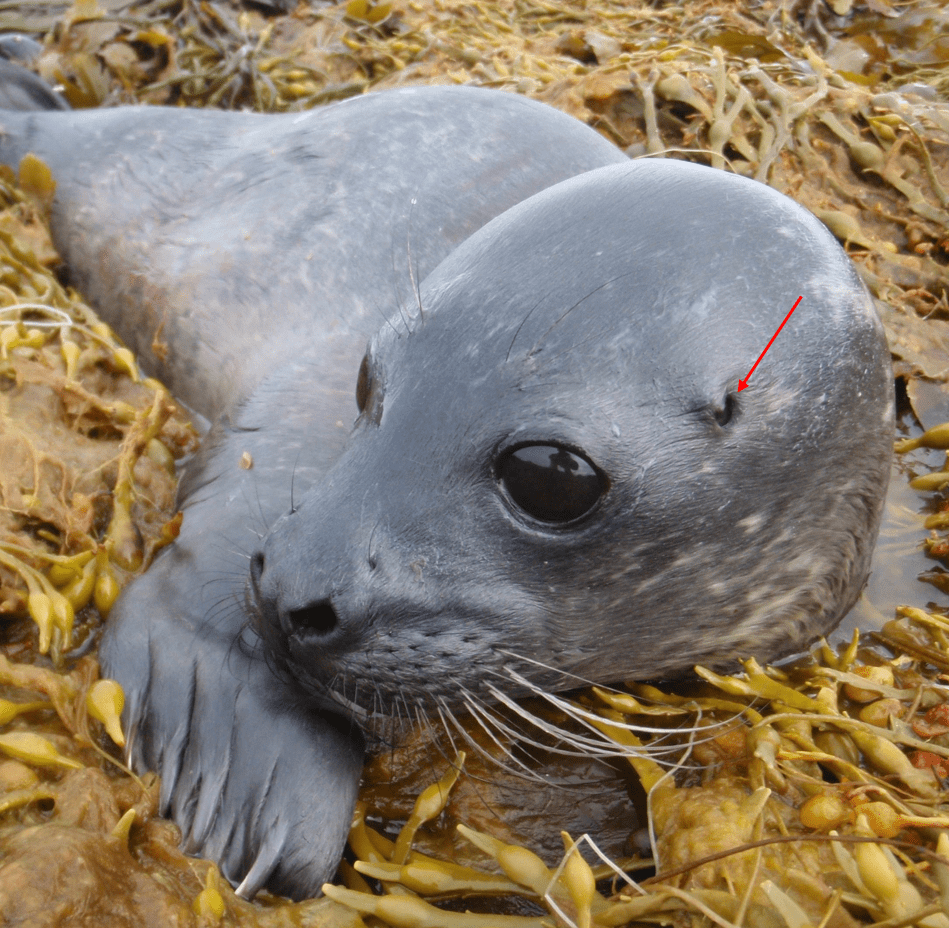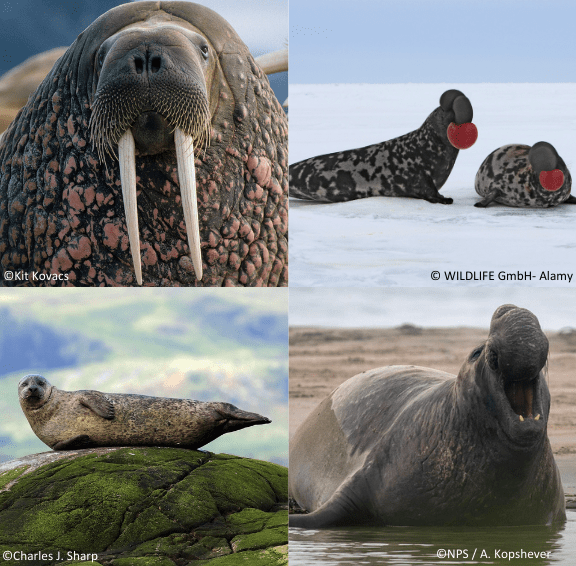
- Granarkópur
- Ussuk
- Kampselur, Granselur, Kampur
- Storkobbe
- Remmesæl
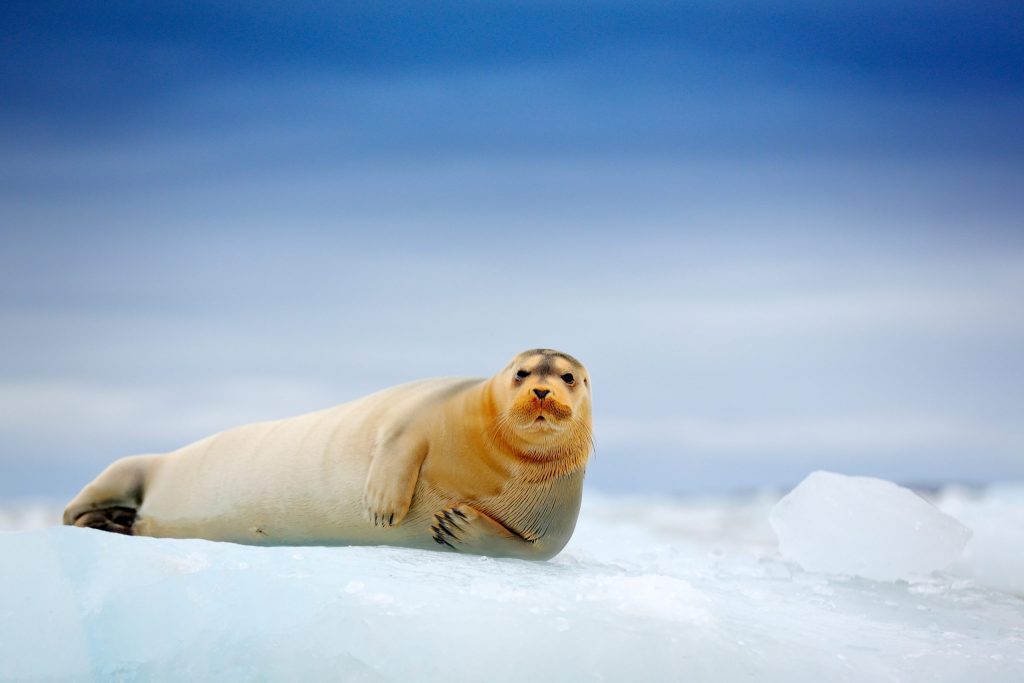
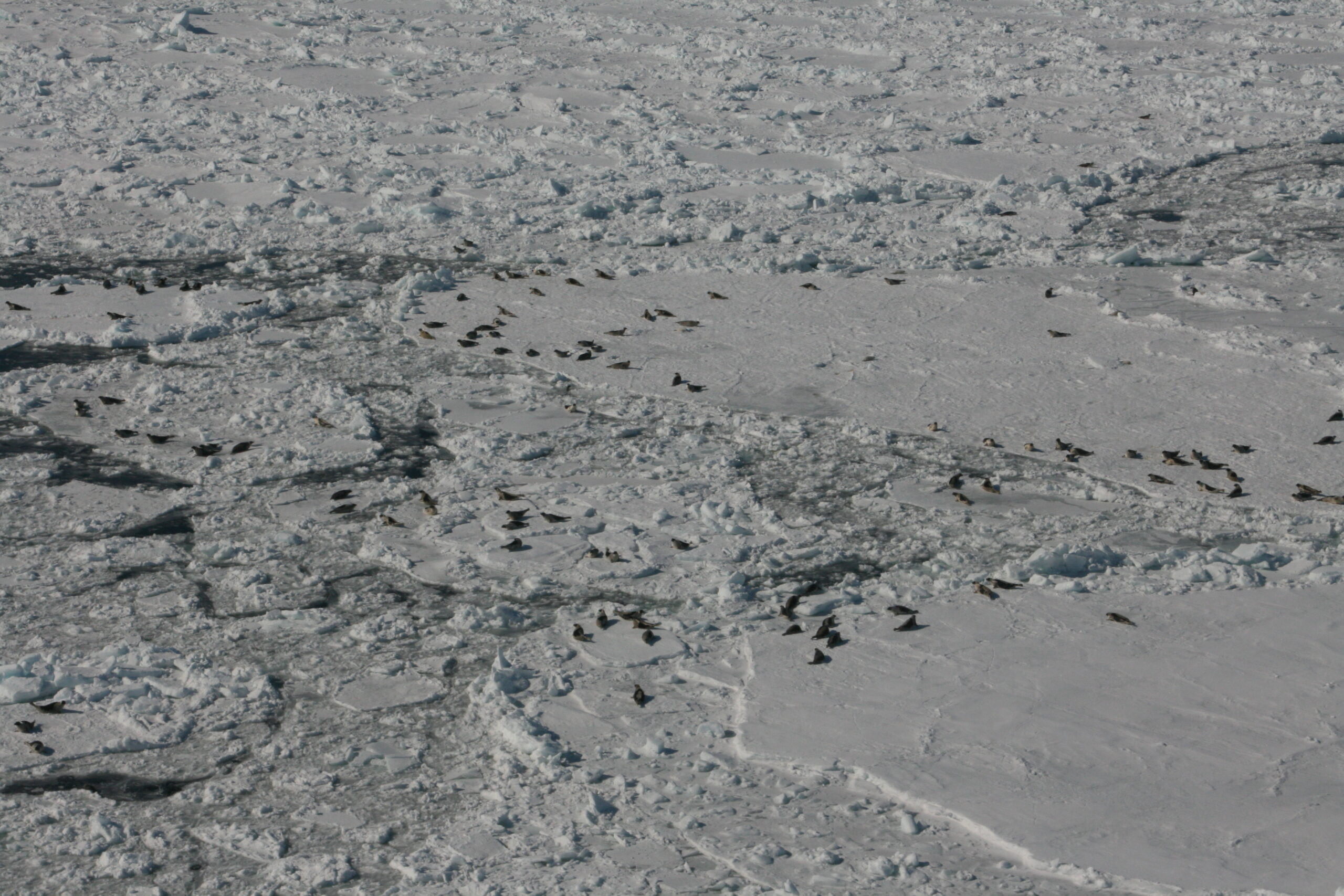
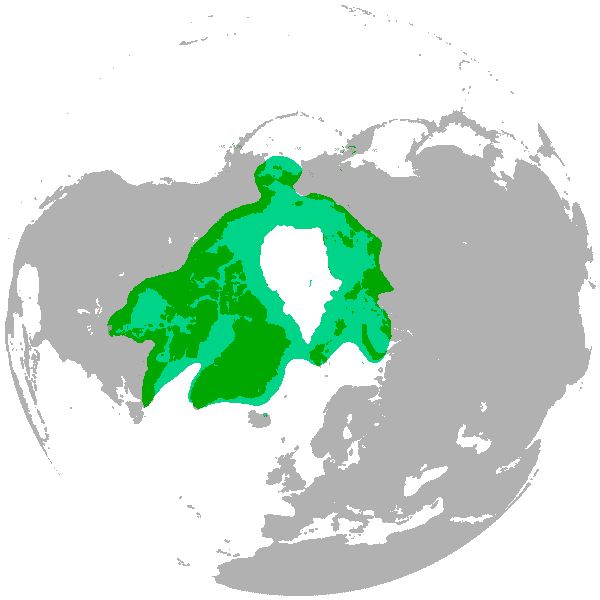
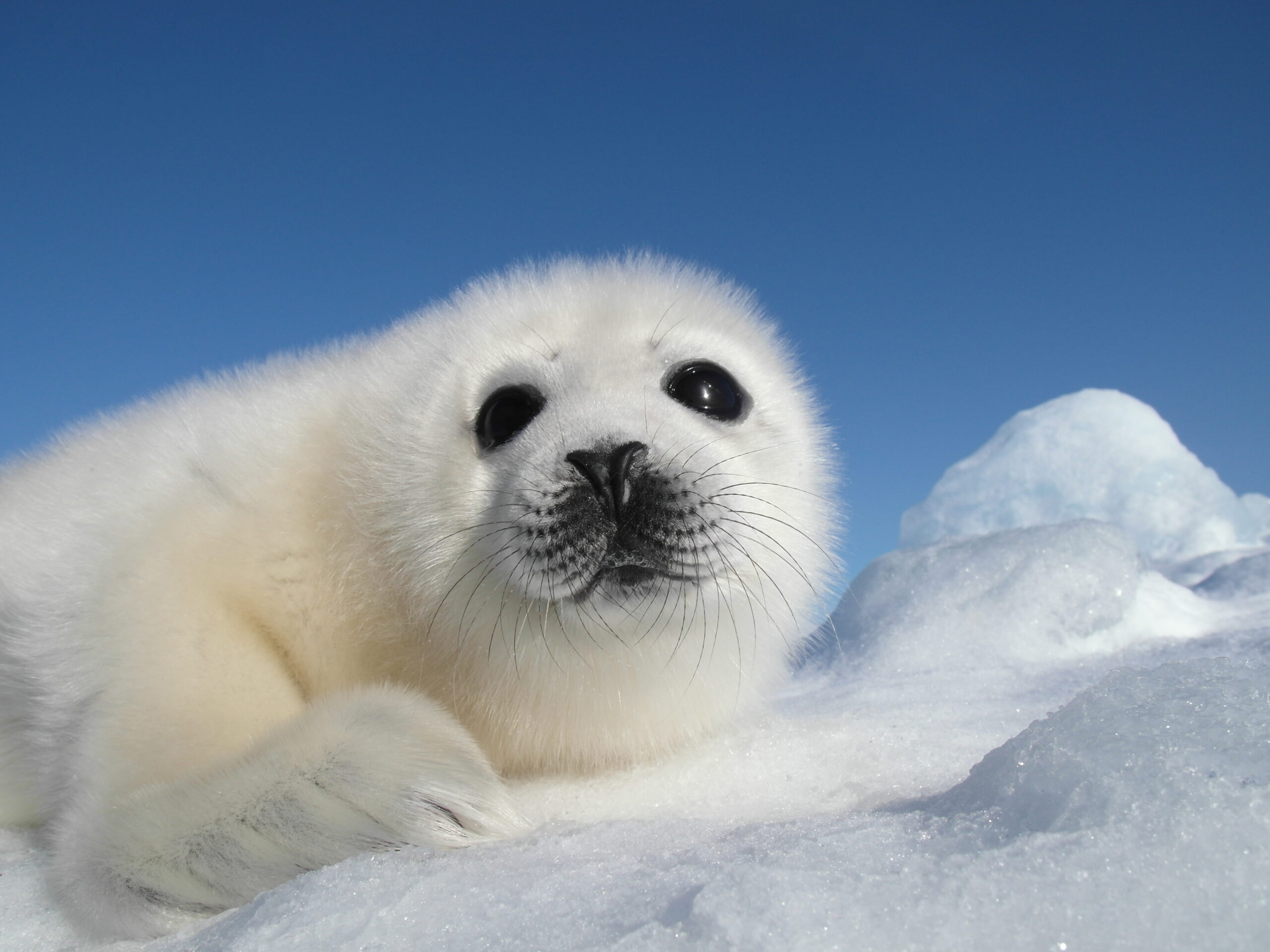
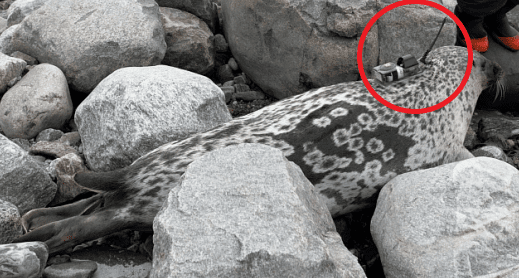
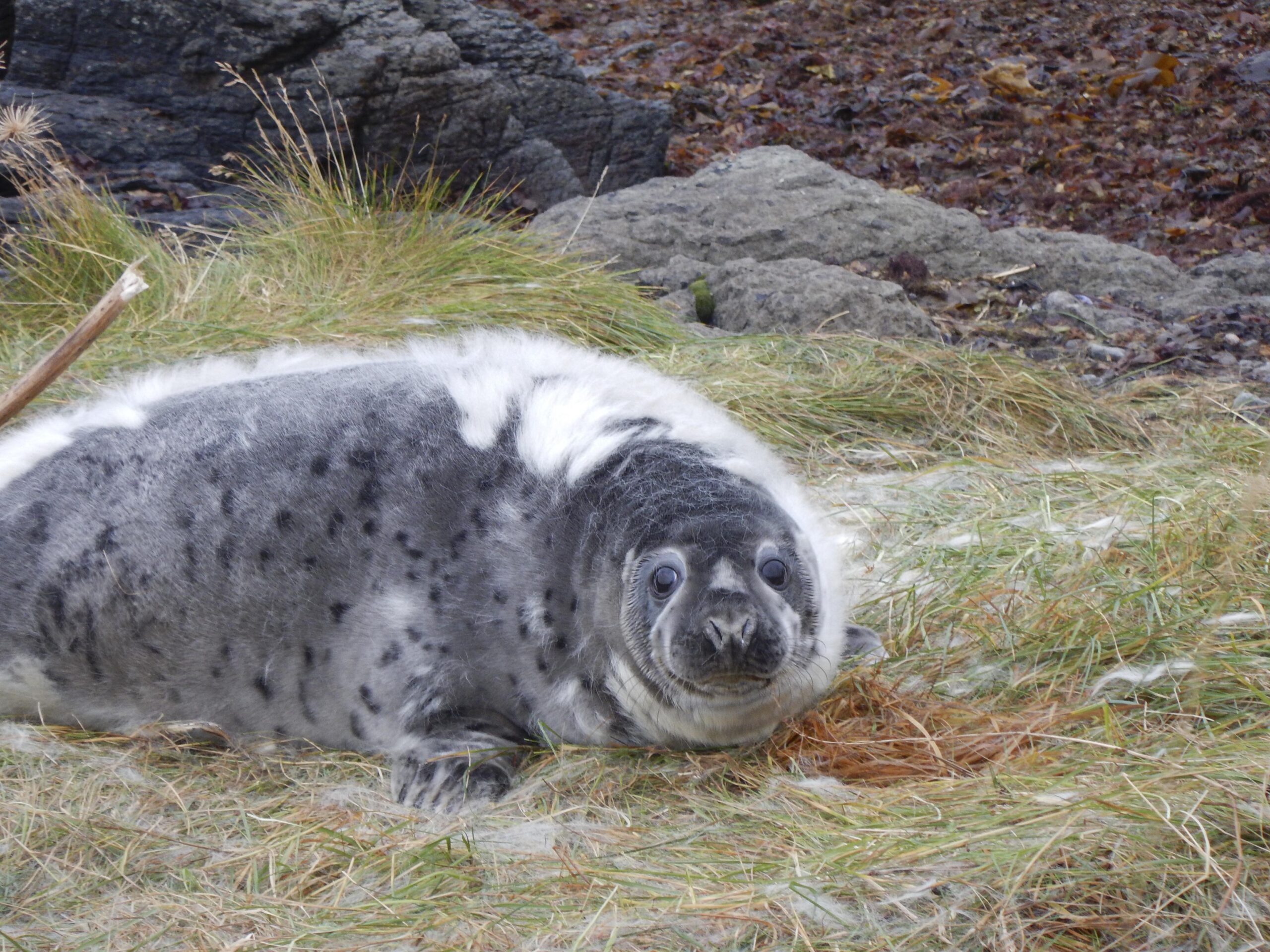
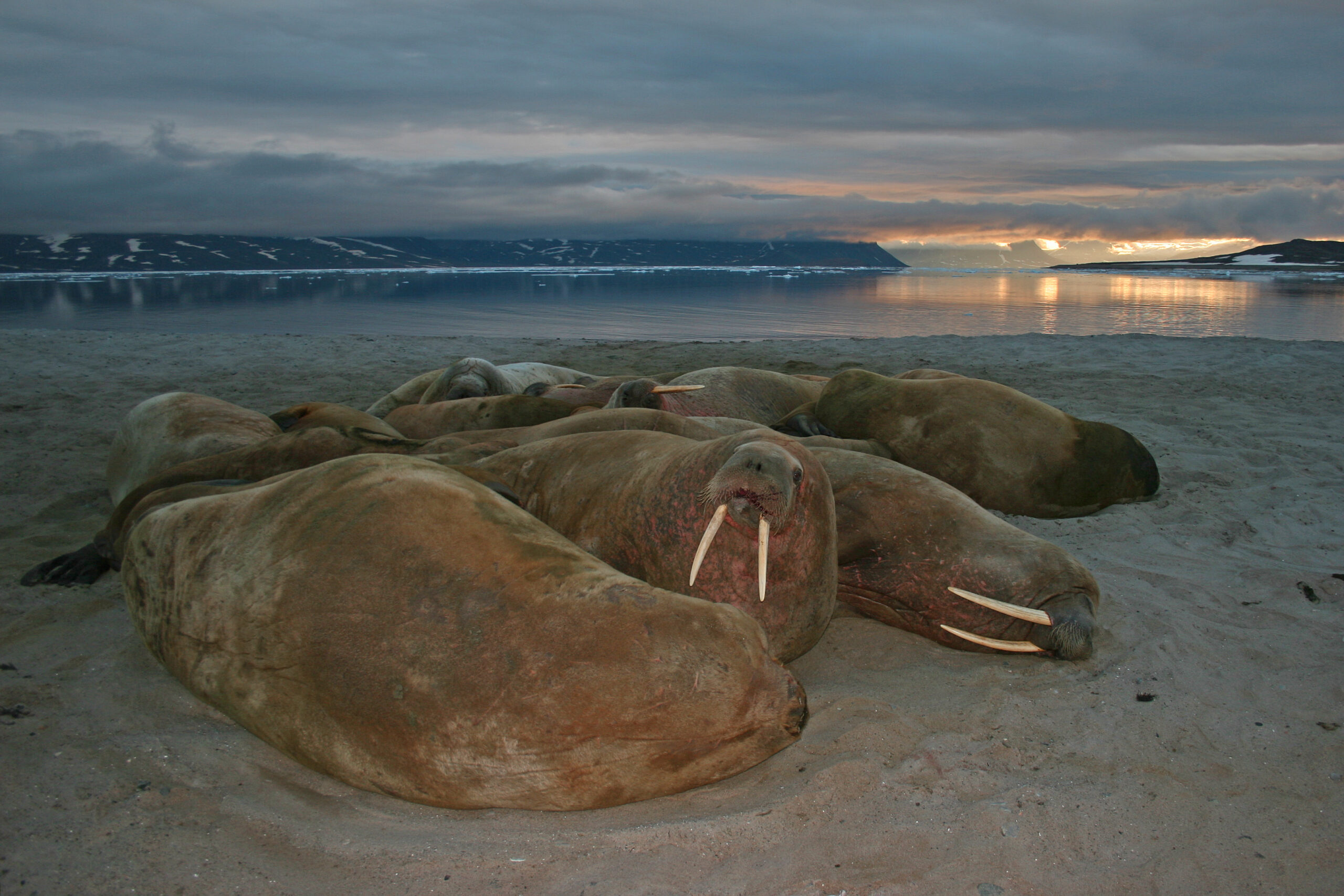
Bearded seals are the biggest true seals in the North Atlantic, reaching over two metres in length. Their weight varies significantly throughout the year between 250 and 300 kilograms, however, the largest bearded seal recorded was a female weighing astounding 432 kilograms! They got their name after to the long, white, sensitive whiskers they have on their snouts. In English, they are also called “square flipper” due to their large, pectoral fins that have flattened ends. Bearded seals can be found all over the Arctic region, with two distinct subspecies, the Atlantic and the Pacific one.
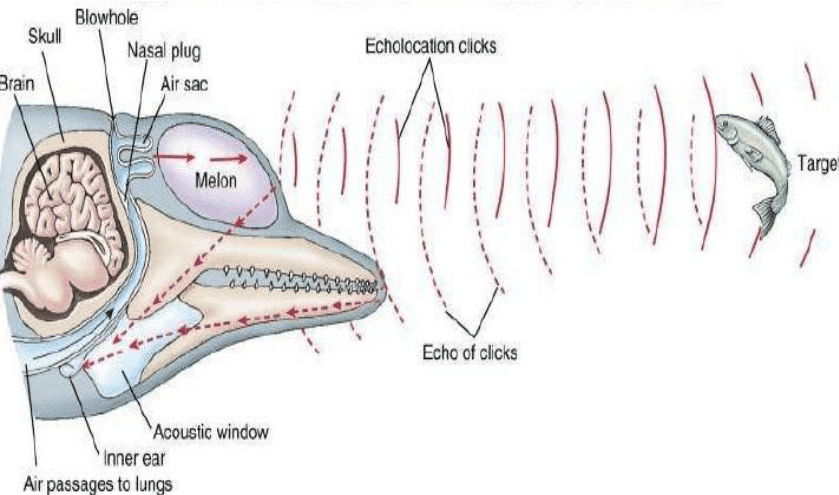
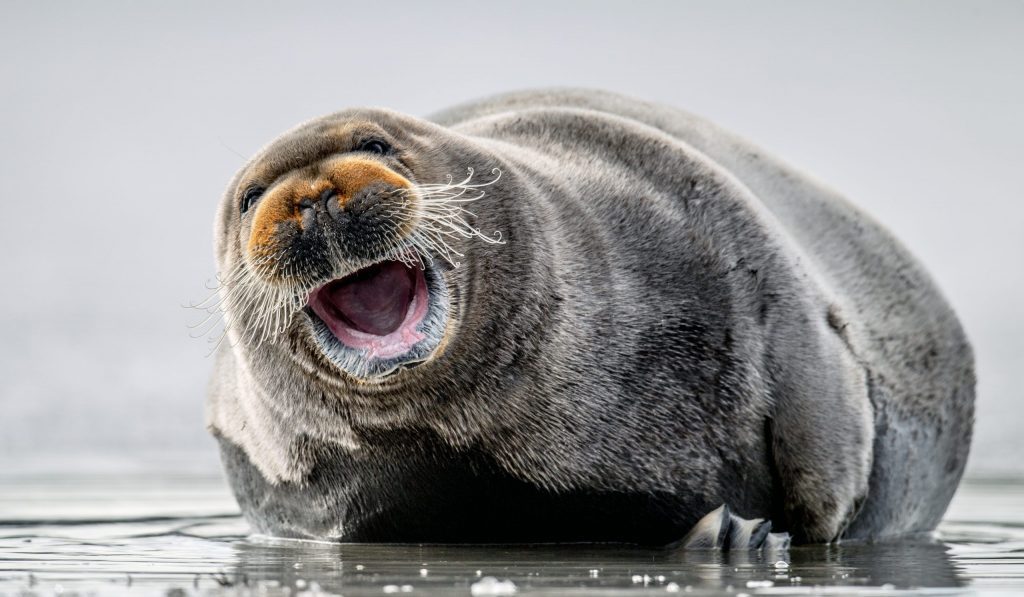
Besides being the largest, bearded seals are also among the loudest seals. Adult bearded seals produce a variation of loud musical trills, grunts and moans that can be heard as far as 45 kilometres away! The seals vocalise throughout the year, but the peak is in the breeding season. The elaborate songs are individually distinct, and males use them to both attract females and to defend their territory. Females also vocalise, but not to the same extent as males.
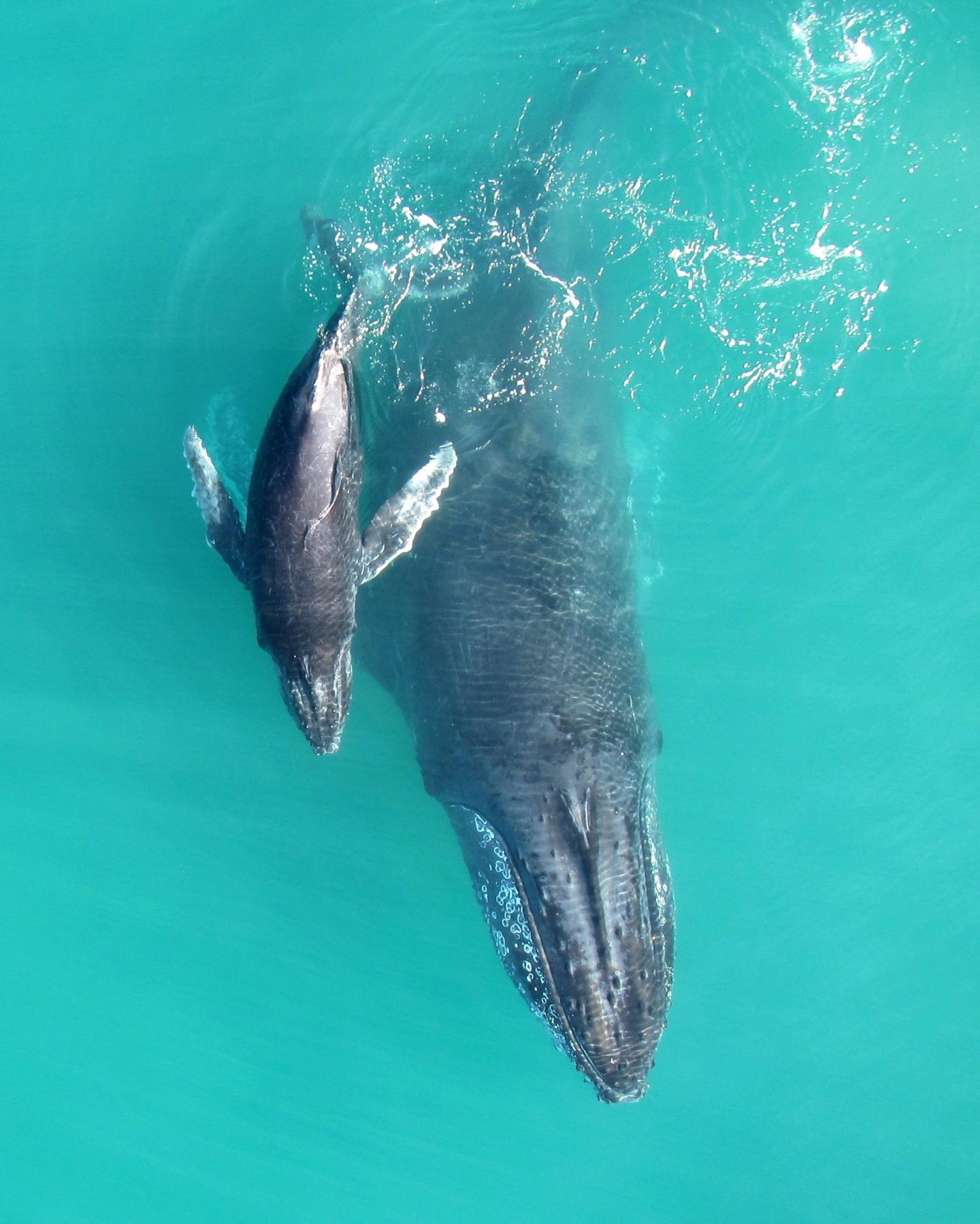
Pups are larger than in other seal species. Born at about 1.3 metres and 35 kilograms on drifting ice, having shed their lanugo coat, they enter the water only hours after birth, diving to depths of 200 metres. They nurse from 18 to 24 days and consume about 8 litres of milk per day with 50% fat content. They grow rapidly at an average rate of 3.3 kilogram per day and weigh about 100 kilogram at weaning. They are very good divers, going to greater depths than adults. In their first year they dive to 450 metres depth, while adult bearded seals usually dive to 200–300 metres.

The situation of bearded seals in the Faroe Islands
We are working on this.
The situation of bearded seals in Greenland
We are working on this.
The situation of bearded seals in Iceland
We are working on this.
The situation of bearded seals in Norway
We are working on this.
The situation of bearded seals in Denmark
We are working on this.
 892 seals/year mean 2019-2023
 19 seals/year mean 2019-2023
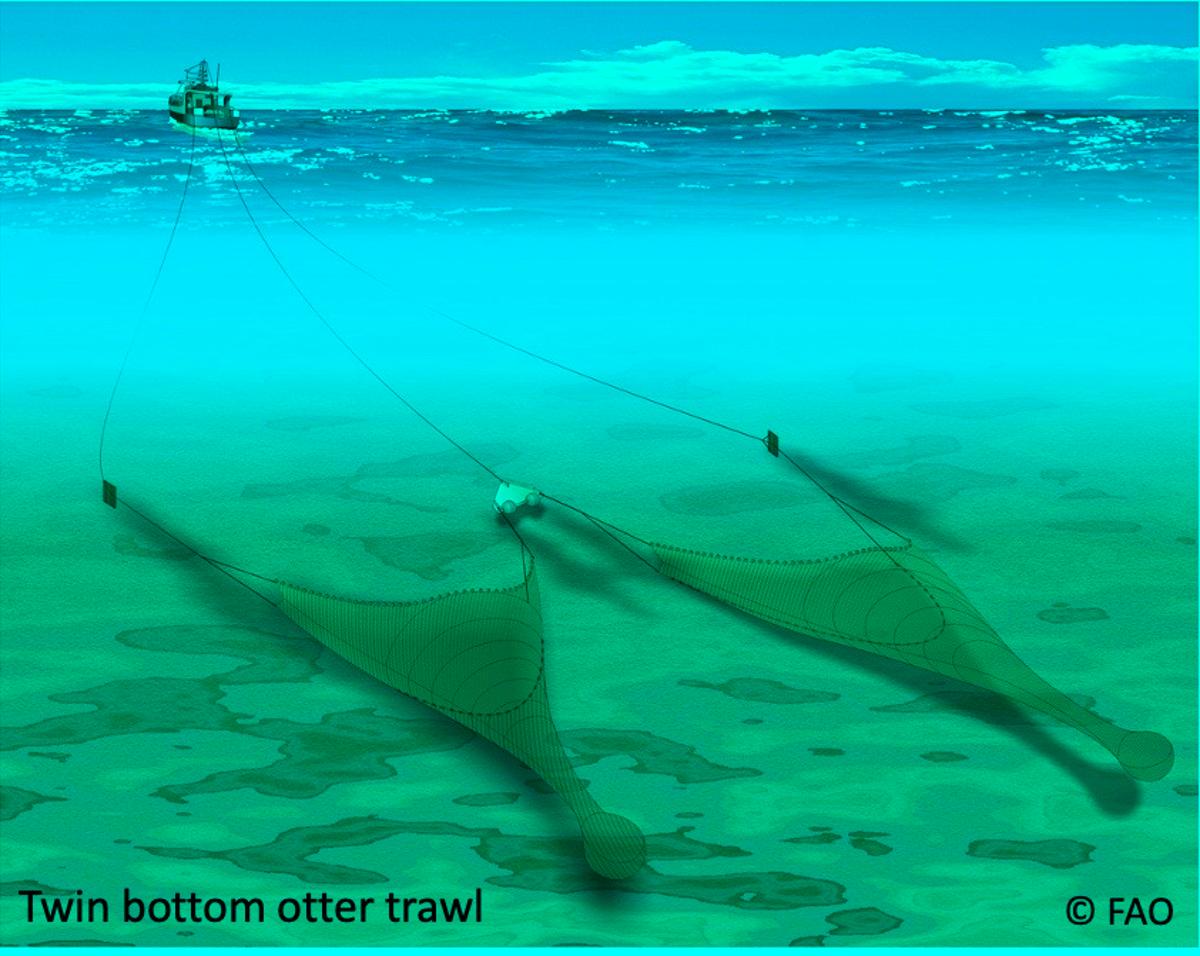
Main threats
Research
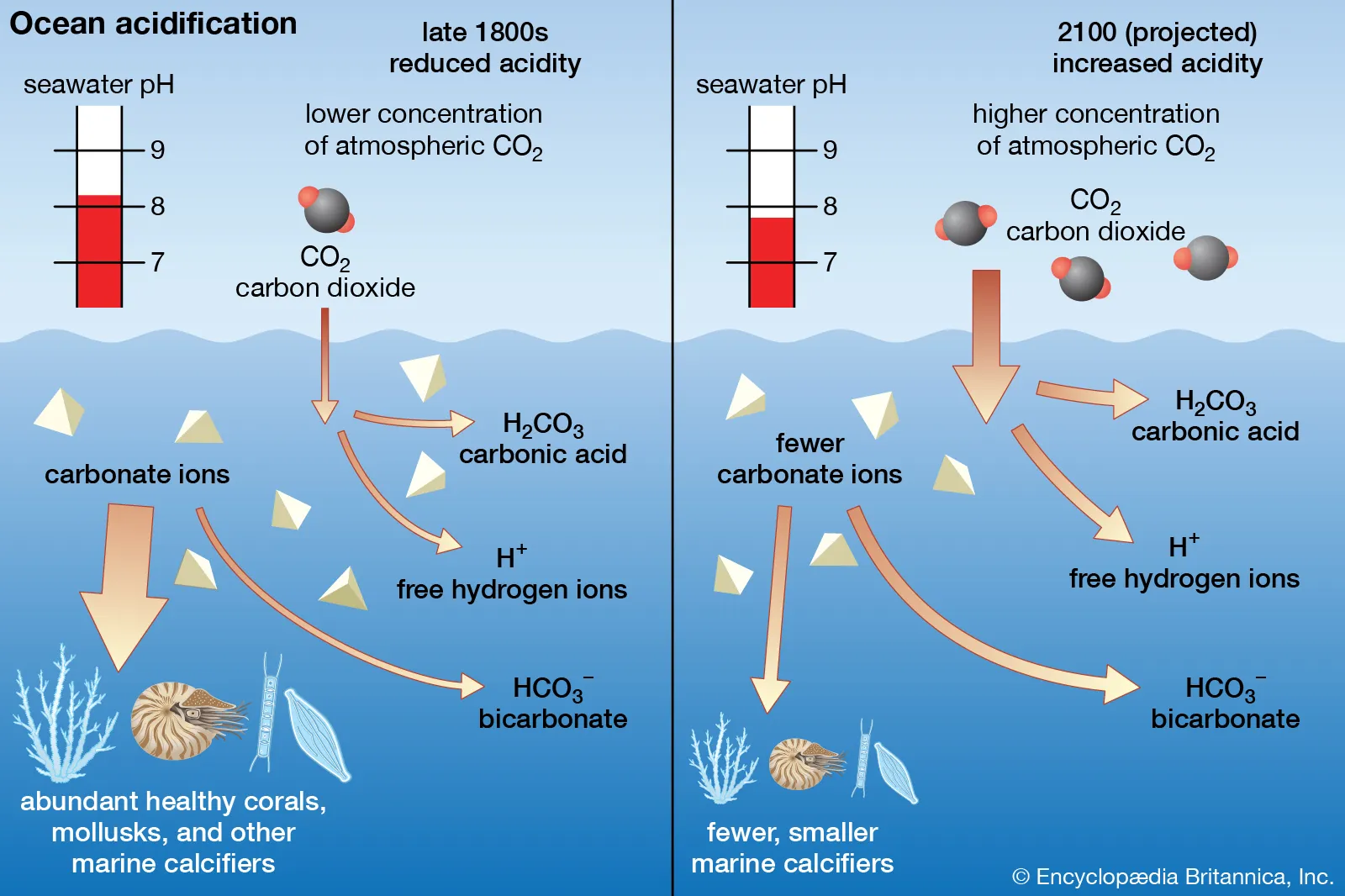
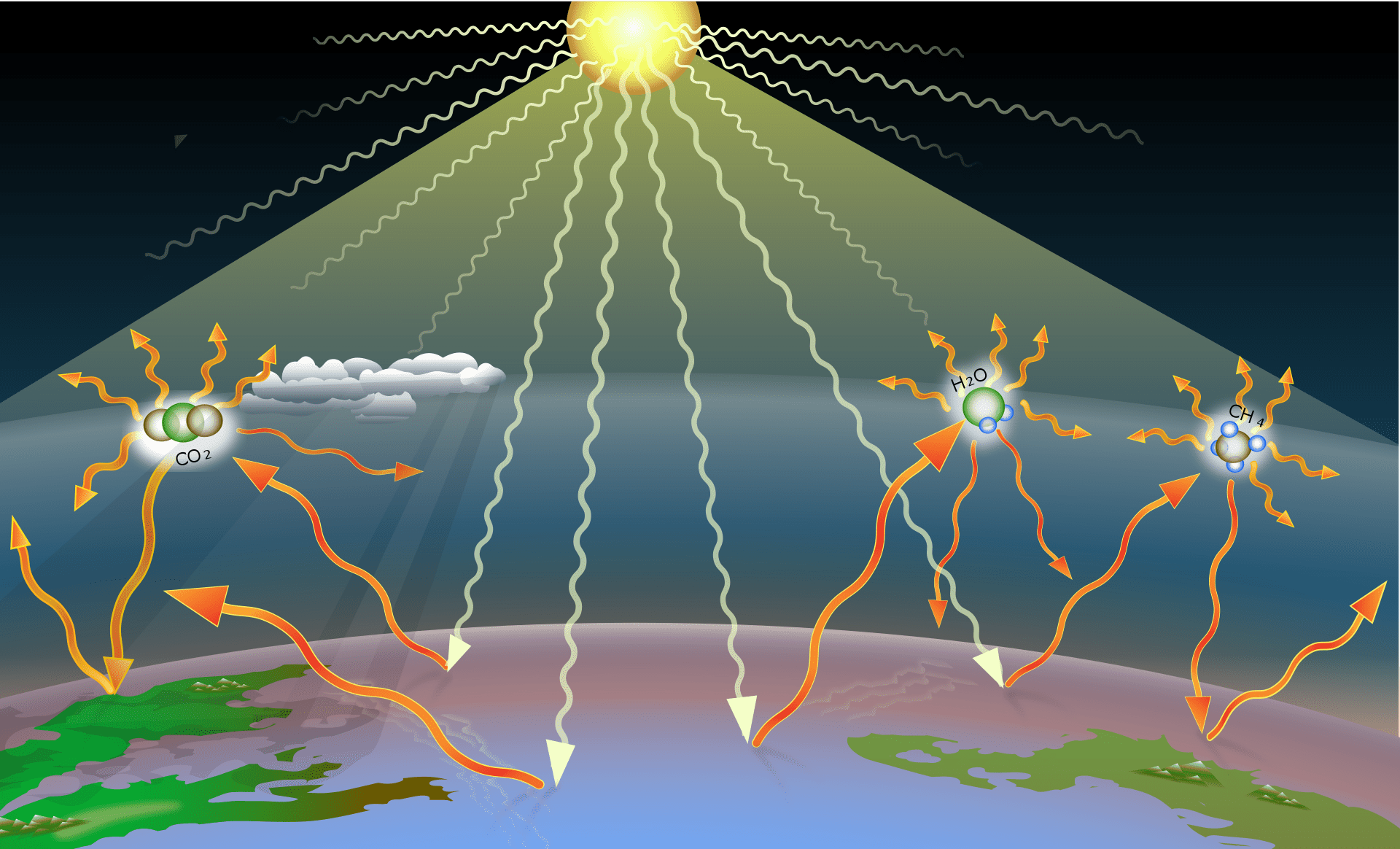
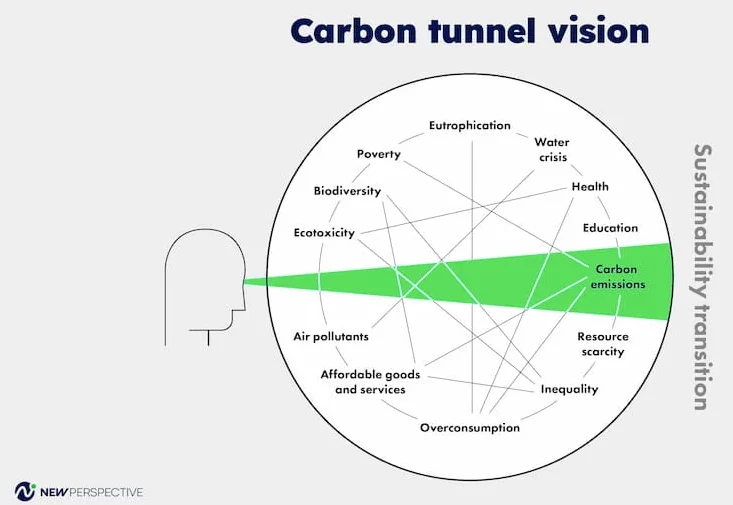
Climate change has a really big impact in the Arctic environment. What kind of challenges will bearded seals experience in a warmer Arctic and with melting sea ice?