Habitat degradation

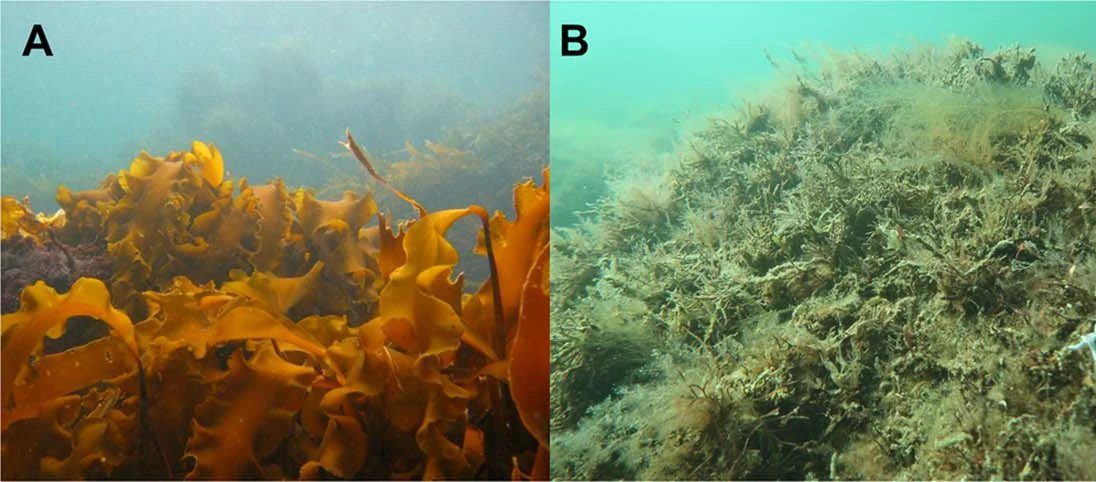
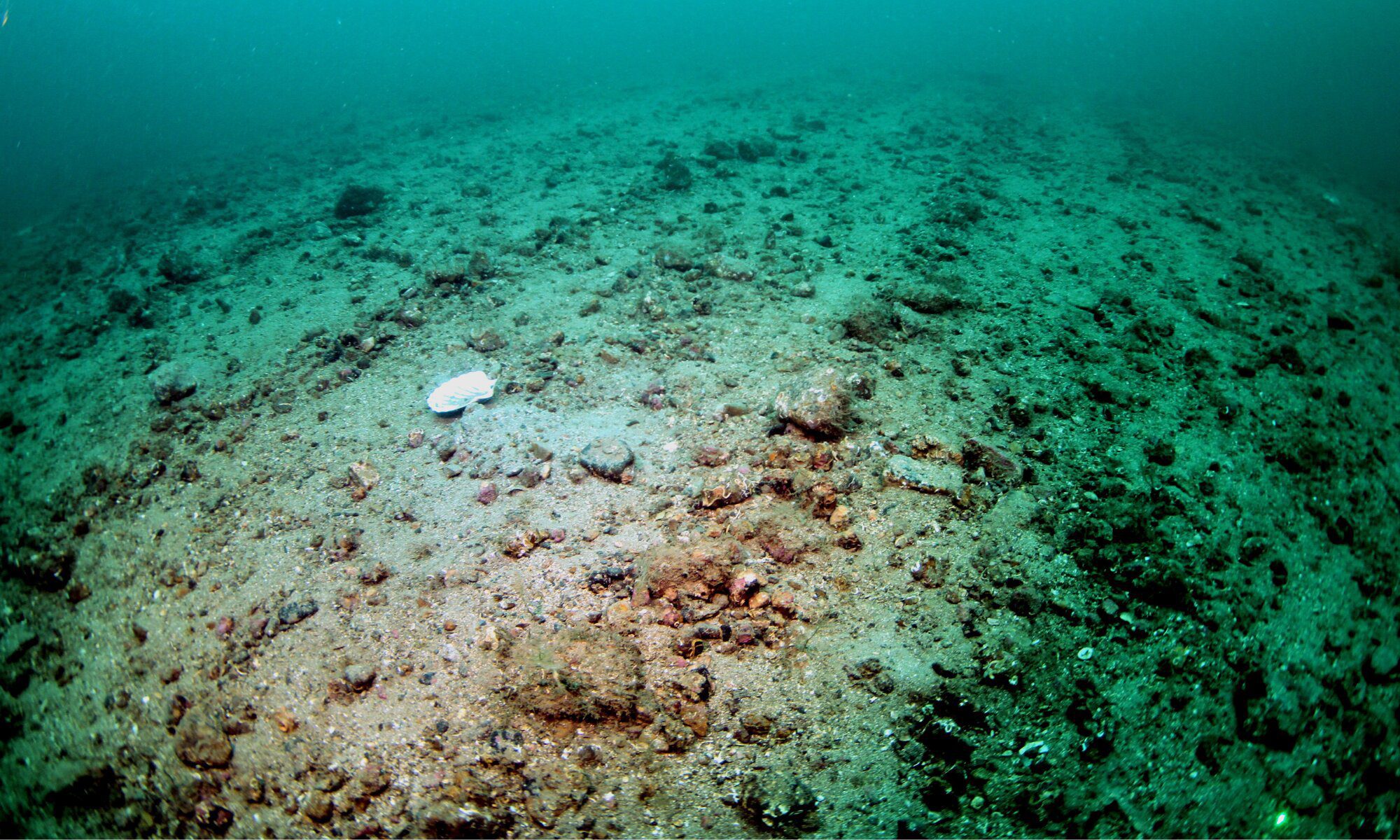
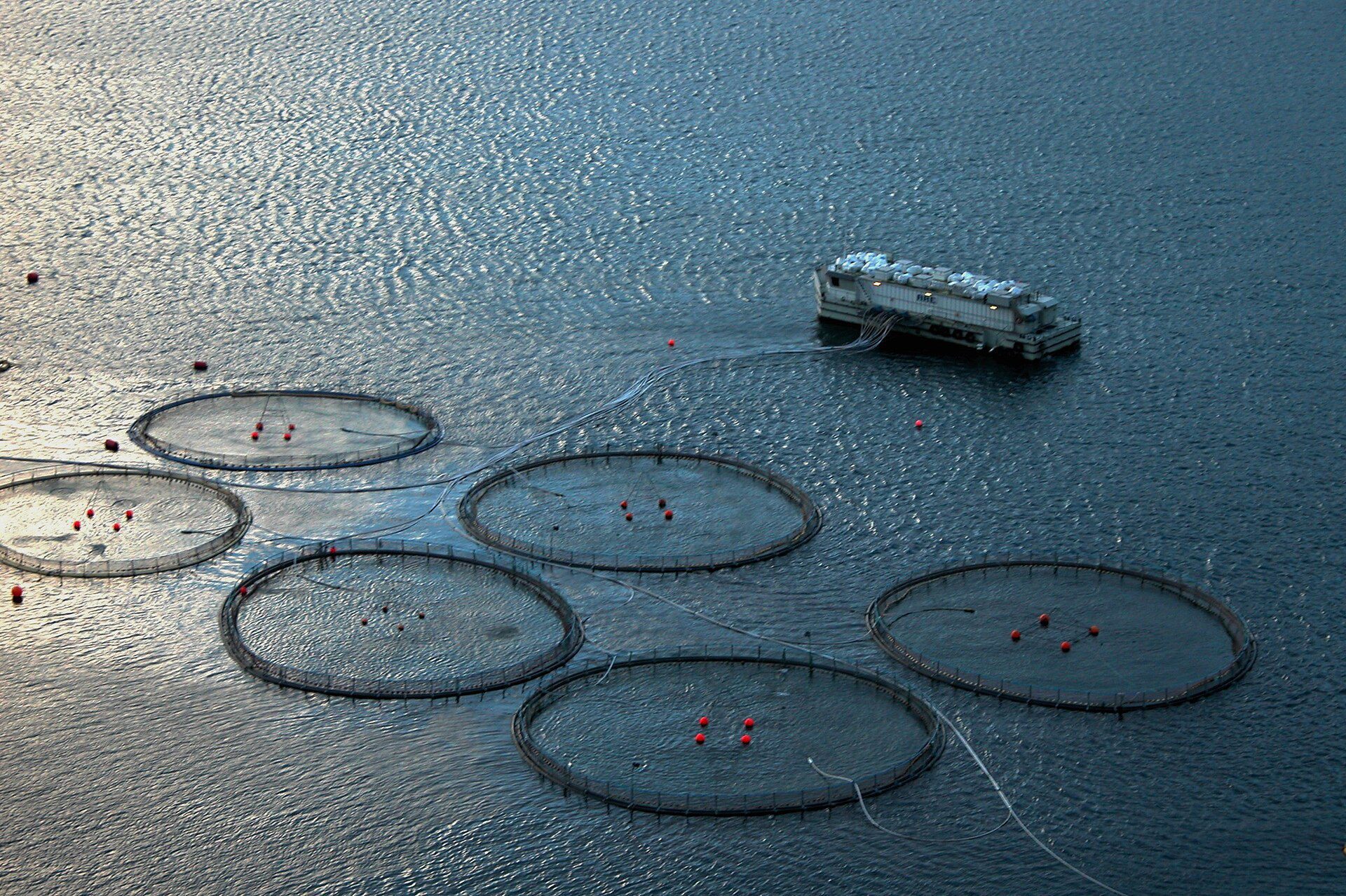
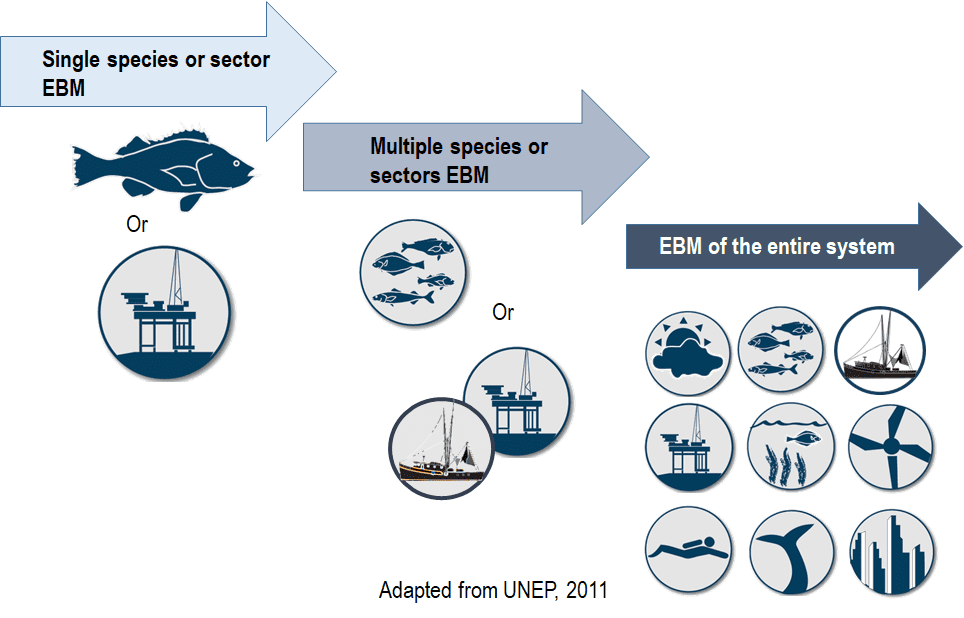
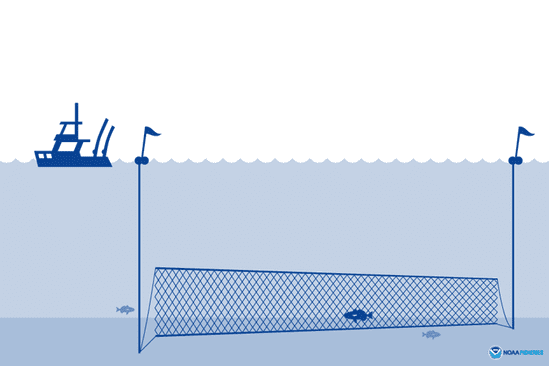
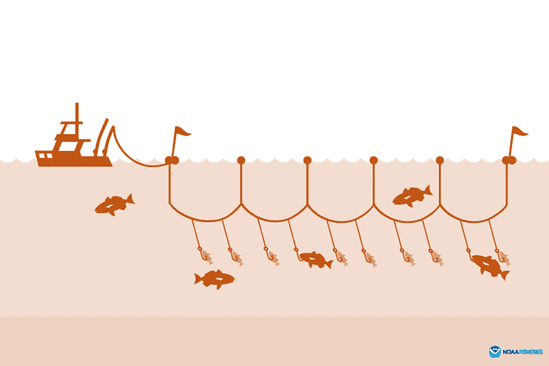
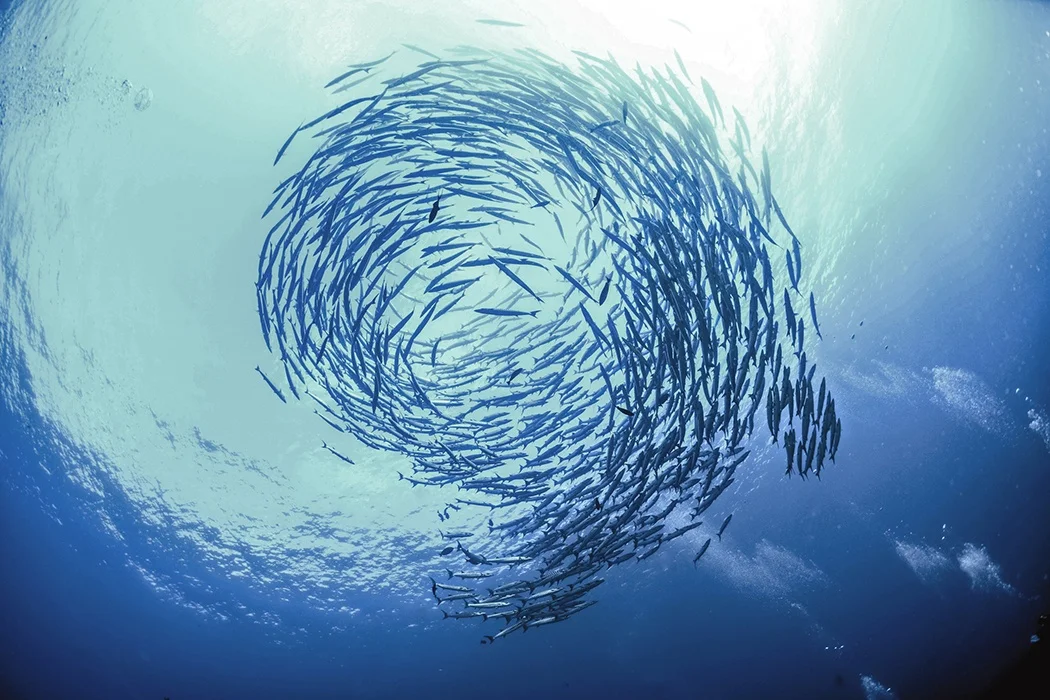
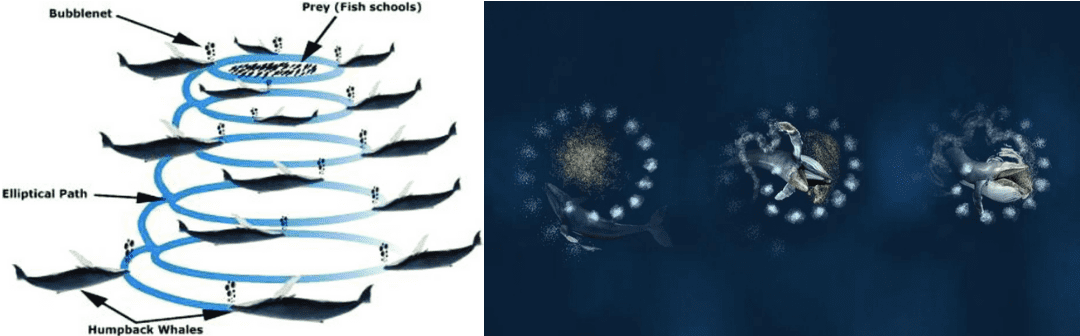
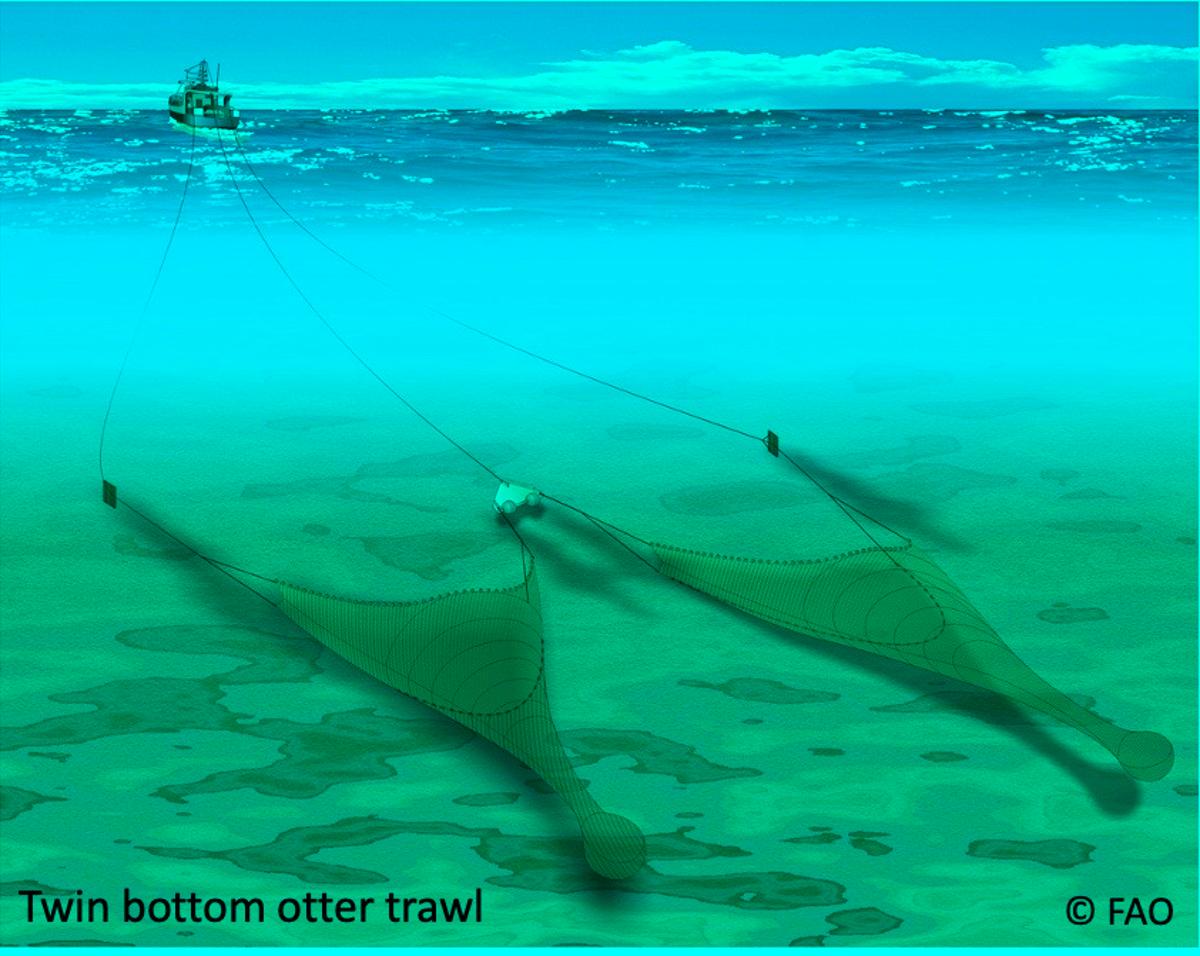
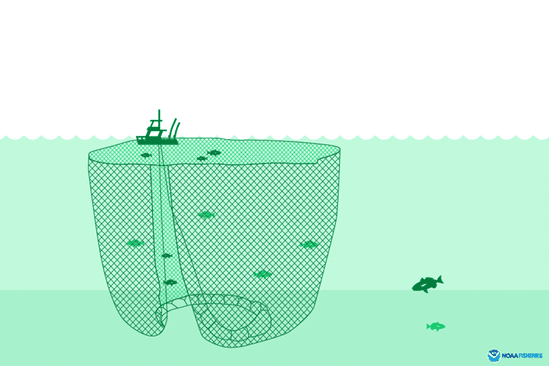
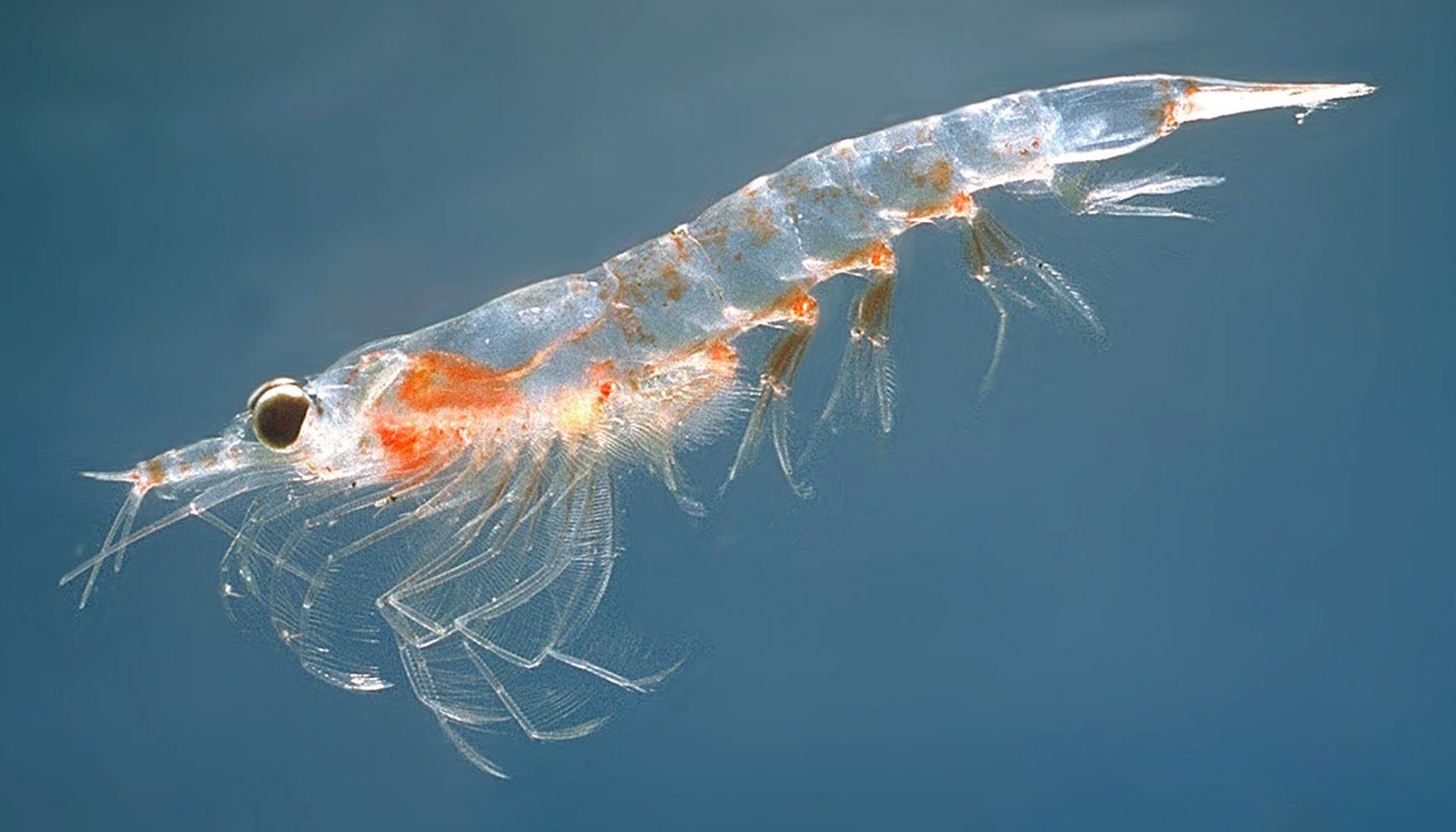
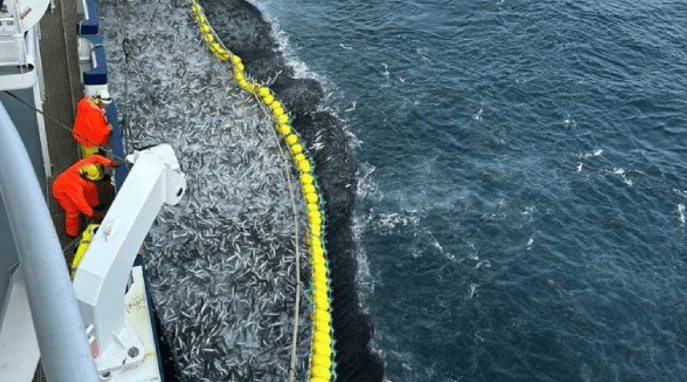
Overfishing directly removes prey that marine mammals rely on, but it also disrupts the balance of marine ecosystems. When too many large predatory fish are caught, it can cause a chain reaction in the food web. For example, fewer predator might lead to an increase in seaweed-eating species, which can overgraze kelp forests, damaging these important habitats. Some fishing methods, like bottom trawling, also physically destroy the seafloor. This not only harms marine biodiversity but also makes it harder for marine mammals to find food and survive.
References
[1] World Economic Forum. (2018, August 3). Only 13% of the world’s oceans are untouched by humans. https://www.weforum.org/stories/2018/08/new-map-shows-that-only-13-of-the-oceans-are-still-truly-wild/
[2] Marine Conservation Institute. 30×30: Protecting at least 30% of the ocean by 2030. Retrieved May 20, 2025, from: https://marine-conservation.org/30×30/
[3] OSPAR Commission. (2022, October 5). 11% of the North-East Atlantic is now protected. https://www.ospar.org/news/mpareport
[4] Akandil, C., Plekhanova, E., Rietze, N., Oehri, J., Román, M. O., Wang, Z., Radeloff, V. C., & Schaepman-Strub, G. (2024). Artificial light at night reveals hotspots and rapid development of industrial activity in the Arctic. Proceedings of the National Academy of Sciences of the United States of America, 121(44), e2322269121. https://doi.org/10.1073/pnas.2322269121
Did you know that....
- Only 13% of the world’s oceans are untouched by humans [1]
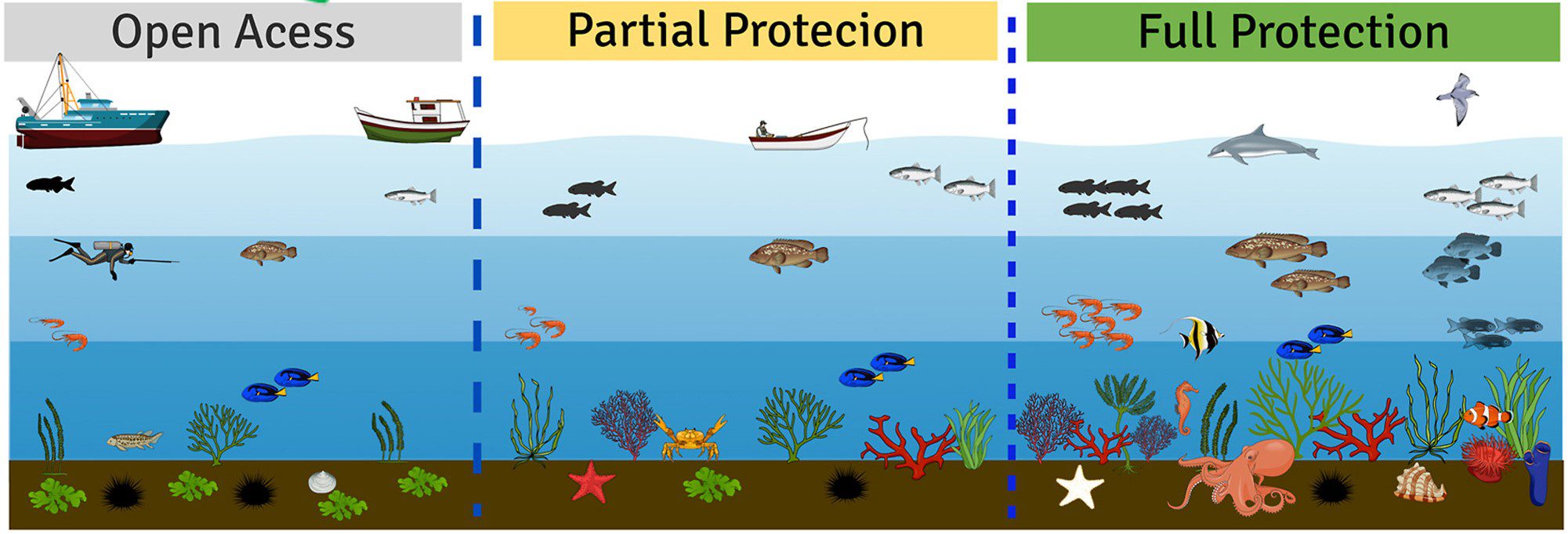
- There is a worldwide initiative for governments to cover 30% of the ocean area with Marine Protect Areas (MPA) by 2030 [2]. The kind of protection in a MPA can vary from area to area.
- In 2022, 11% of the Northeast Atlantic was protected [3].
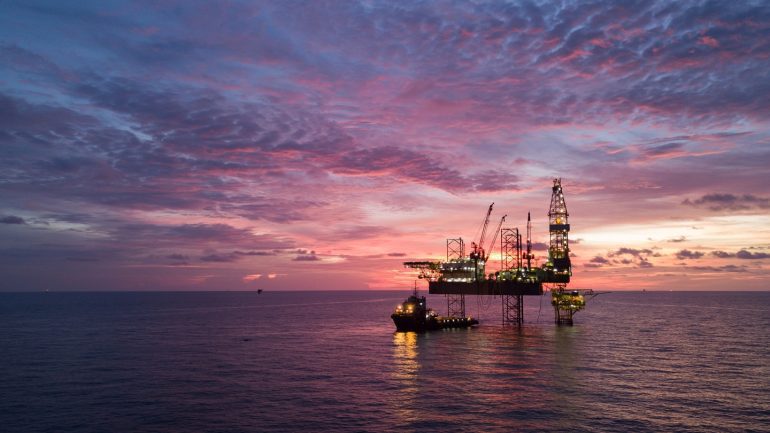
- With climate change, industrial and other human activities are expected to increase in the North [4].