- Kúlubøka
- Qipoqqaq
- Hnúfubakur
- Knølhval
- Báhkkebossu
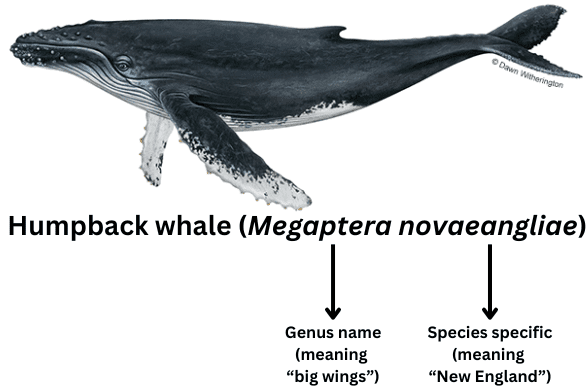
- Humpback whale
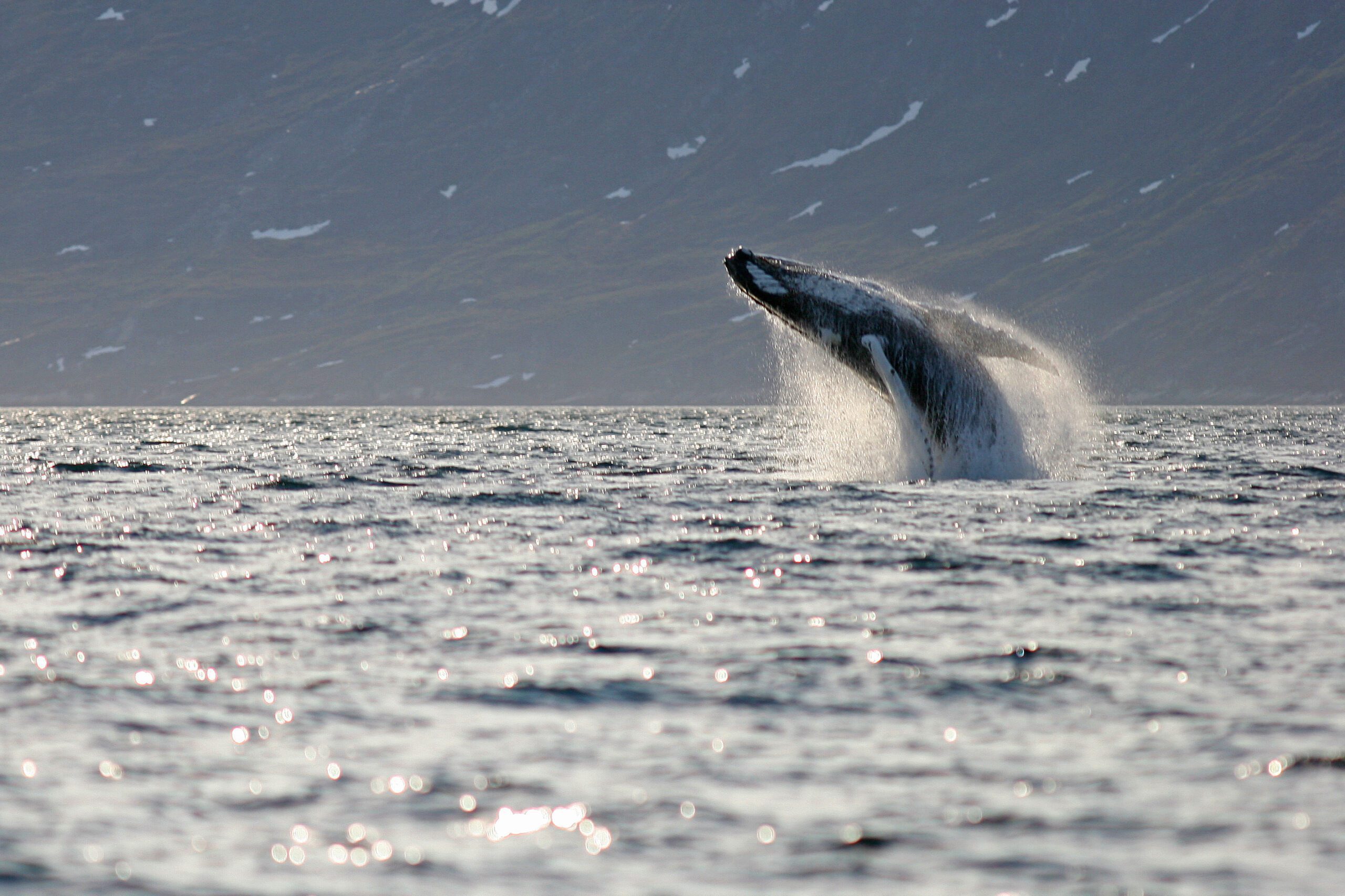
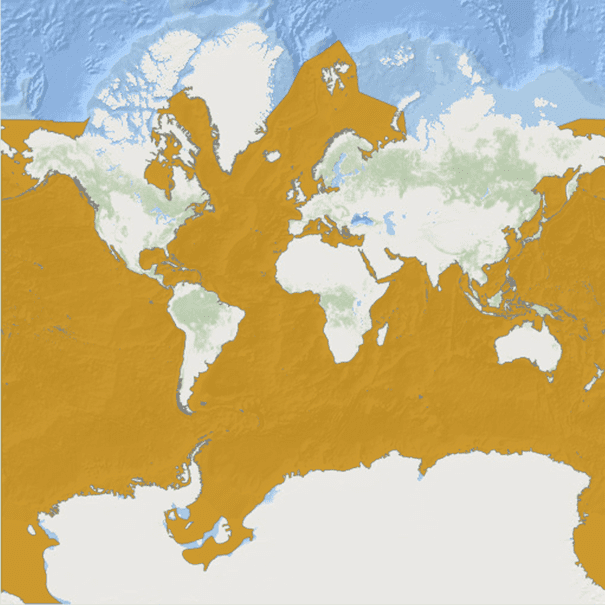
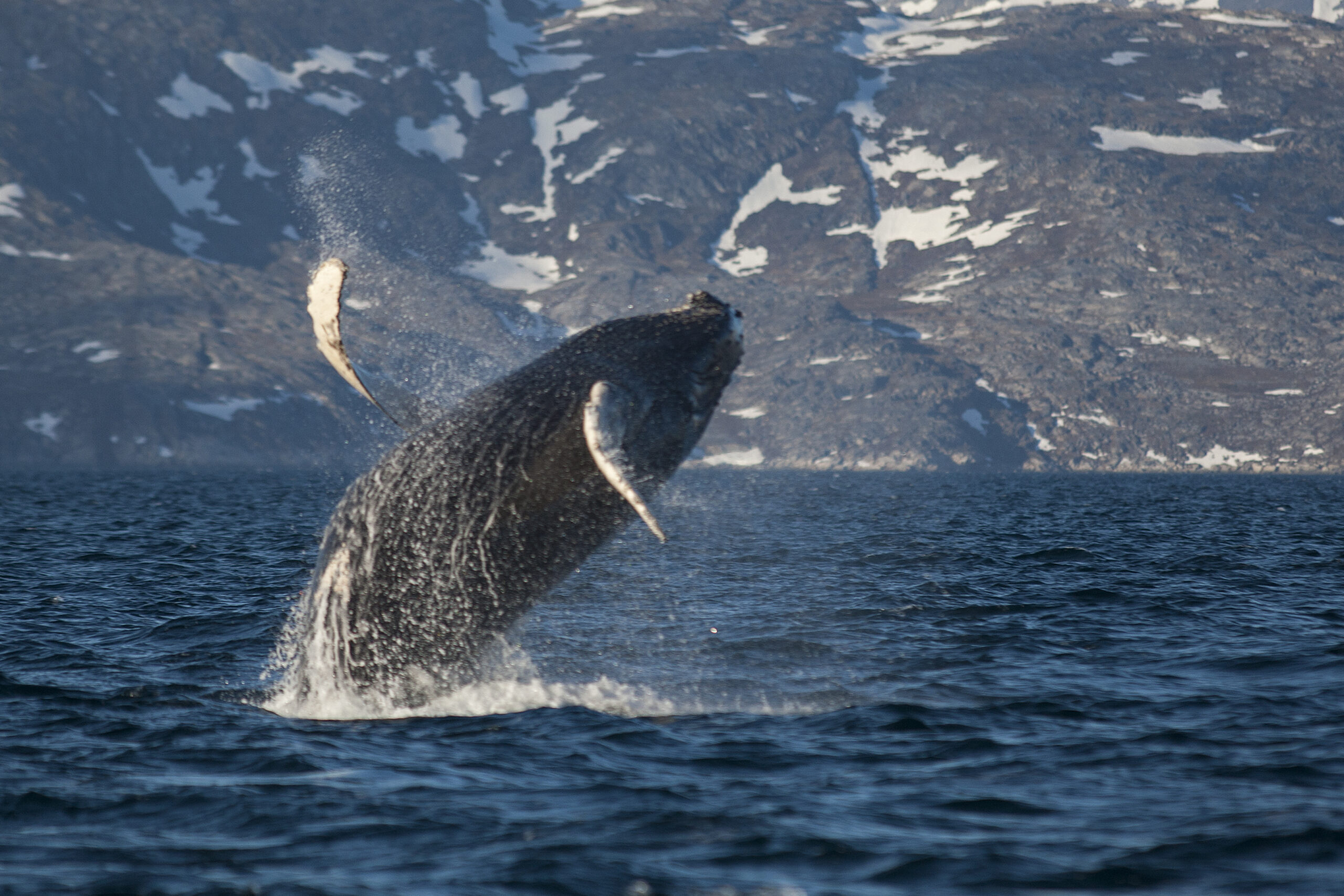
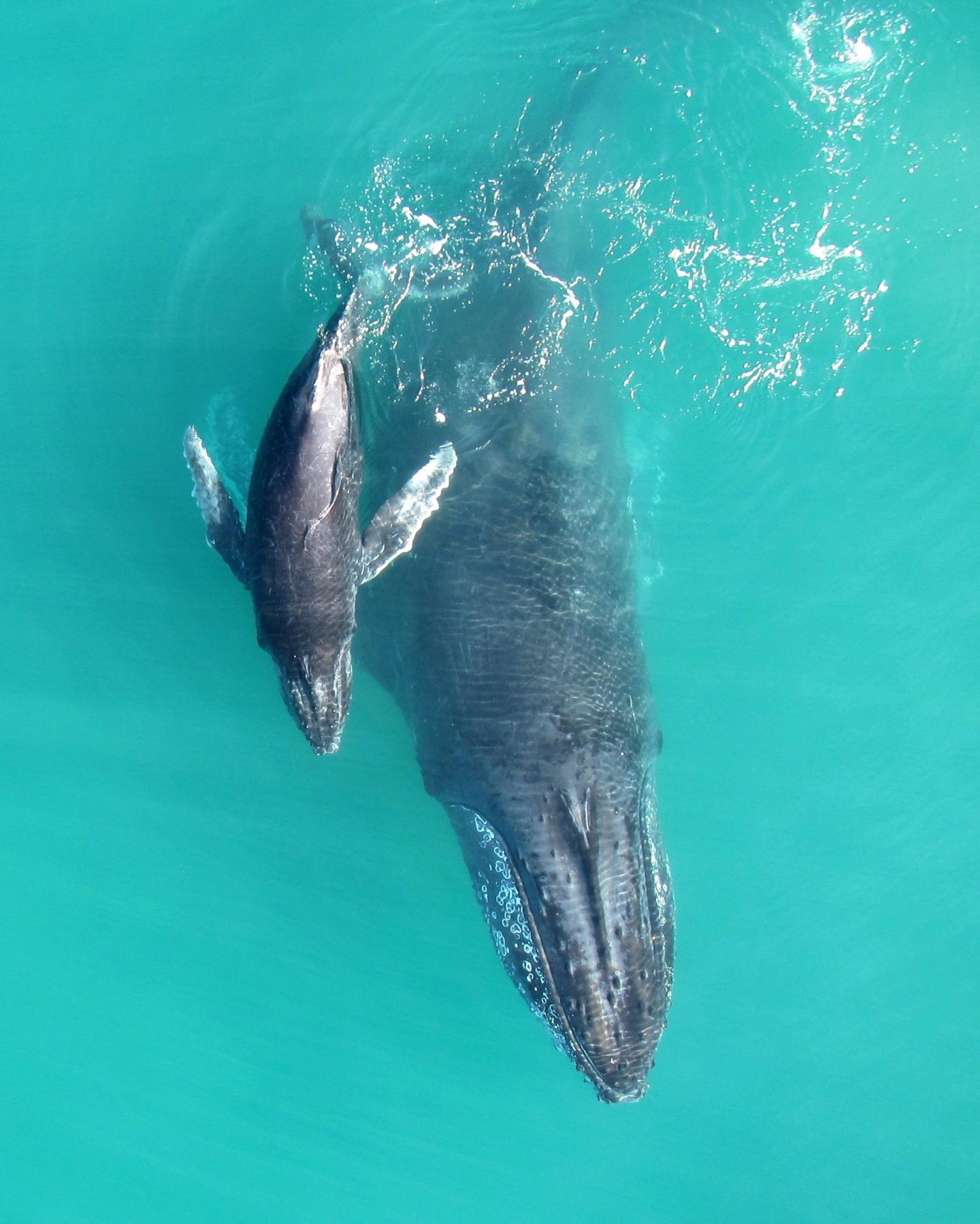
Pukkelhvalen findes over hele verden og er kendt for sin akrobatiske adfærd i havoverfladen og sine lange vandringer på op til 15.000 kilometer frem og tilbage. Pukkelhvaler tilbringer somrene i fødeområder på højere breddegrader og vandrer til særlige yngleområder i varmere vande om vinteren. I 1985 var alle pukkelhvalbestande i verden reduceret med hele 95 procent på grund af industriel hvalfangst, men siden da er bestandene mange steder næsten blevet genoprettet.
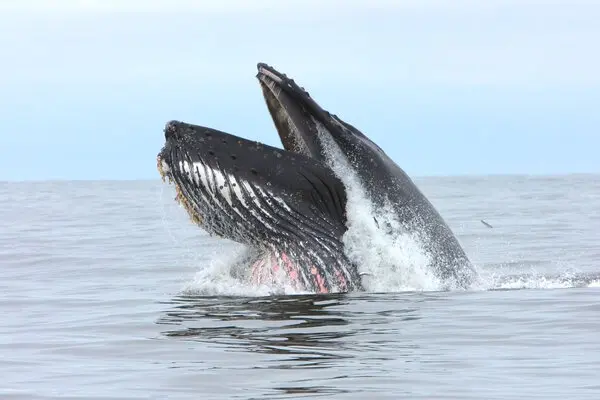
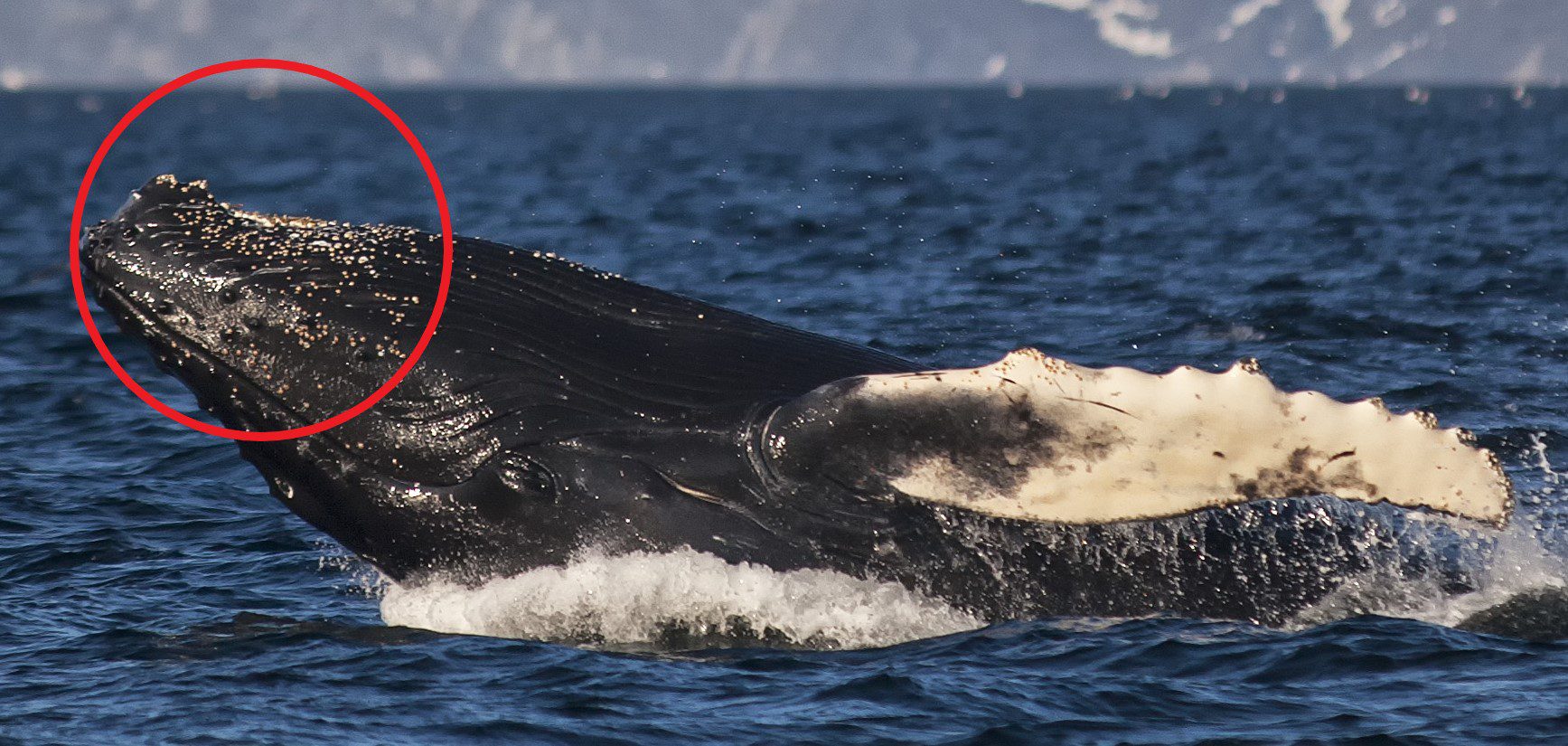
Pukkelhvalen har sit navn fra den karakteristiske pukkel, den har på ryggen, men det er de lange luffer, der har givet den sit videnskabelige navn, Megaptera, som betyder “storvinget”. Luffene kan vokse til en tredjedel af kropslængden og blive næsten 5 meter lange. Pukkelhvaler bruger deres finner som ror, der hjælper dem med at ligge stabilt i vandet og holde retningen. De bruger dem også til at lede føde ind i munden og endda til kamp. Kanterne på finnerne er ofte dækket af skarpe rurer – små krebsdyr – hvilket nærmest får de lange finner til at fungere som sværd. Interessant er det også, at knoglerne i pukkelhvalens luffer ligner knoglerne i en menneskehånd.

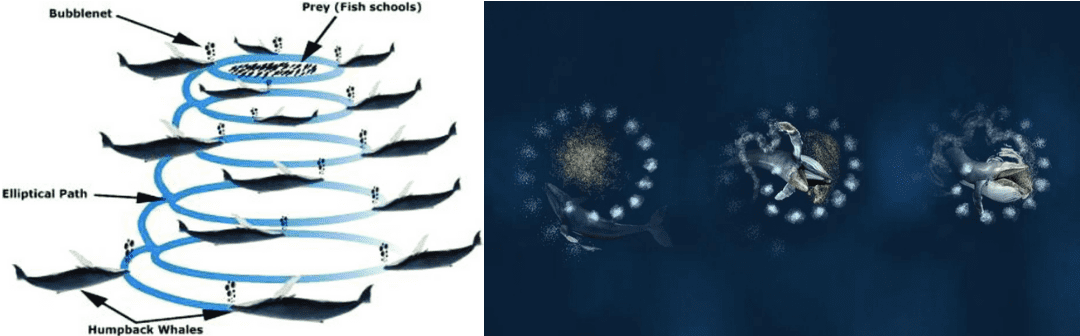
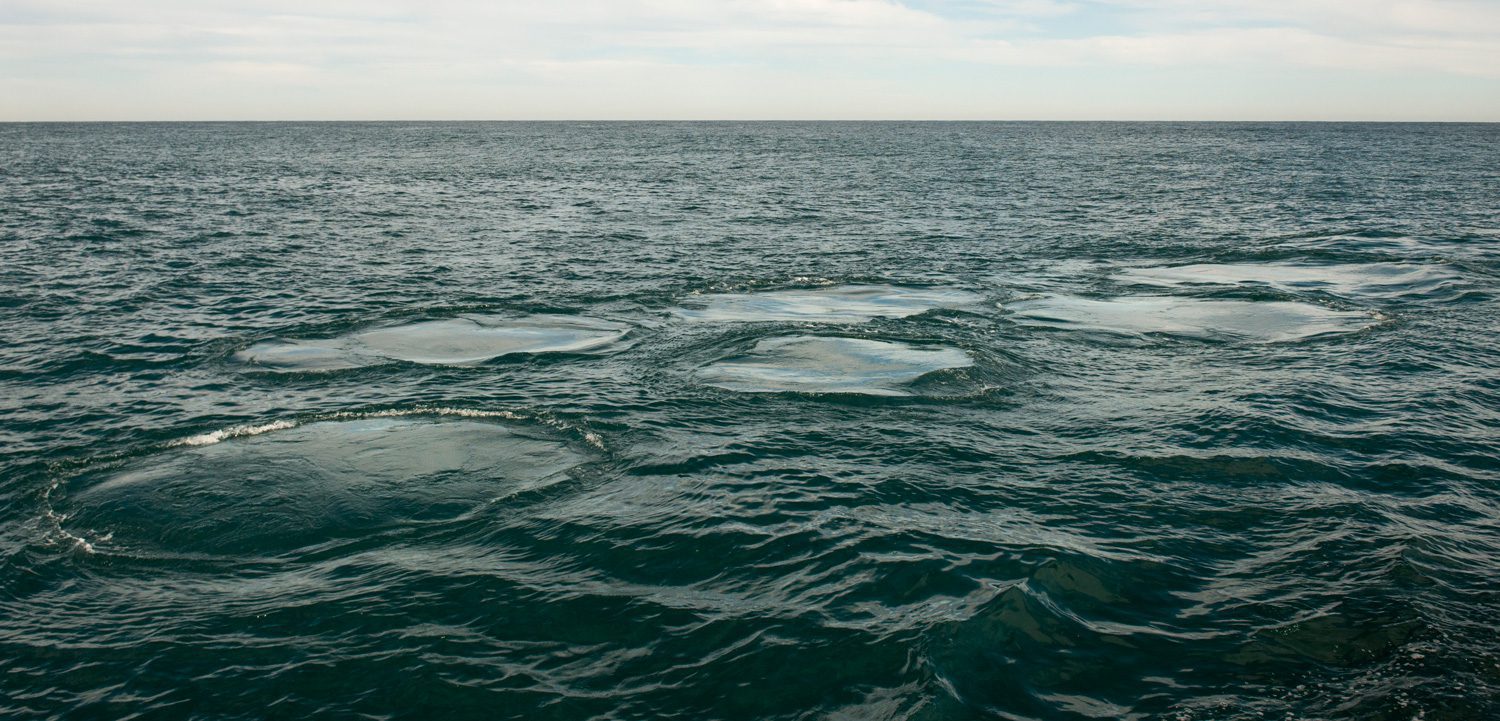
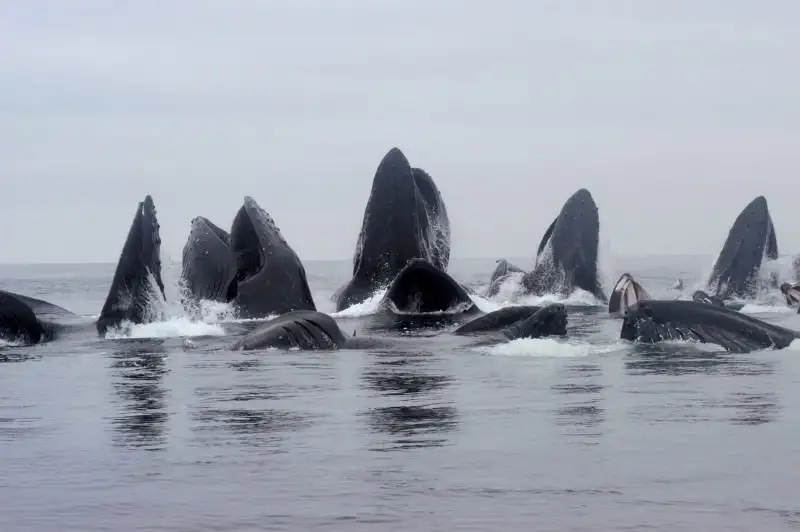
Nogle pukkelhvalbestande har en særlig måde at jage på. De blæser luftbobler i vandet, som fungerer som en slags “boblenet”, der bremser fisk i at komme væk. De gør det alene eller ved at samarbejde i små grupper, hvor de samler fiskene ét sted, før de spiser dem. For at kunne bruge denne jagtteknik skal hvalerne først lære den og øve den, og derfor ved vi, at hvaler lærer af hinanden. Pukkelhvaler er muligvis en af de få hvalarter, der bruger teknikker som denne til jagt.

Udvokset længde 17 meter
Udvokset vægt 36,000 kg
Maksimal alder 70 år
Spiser Krill og stimefisk
Gruppens størrelse 1-20
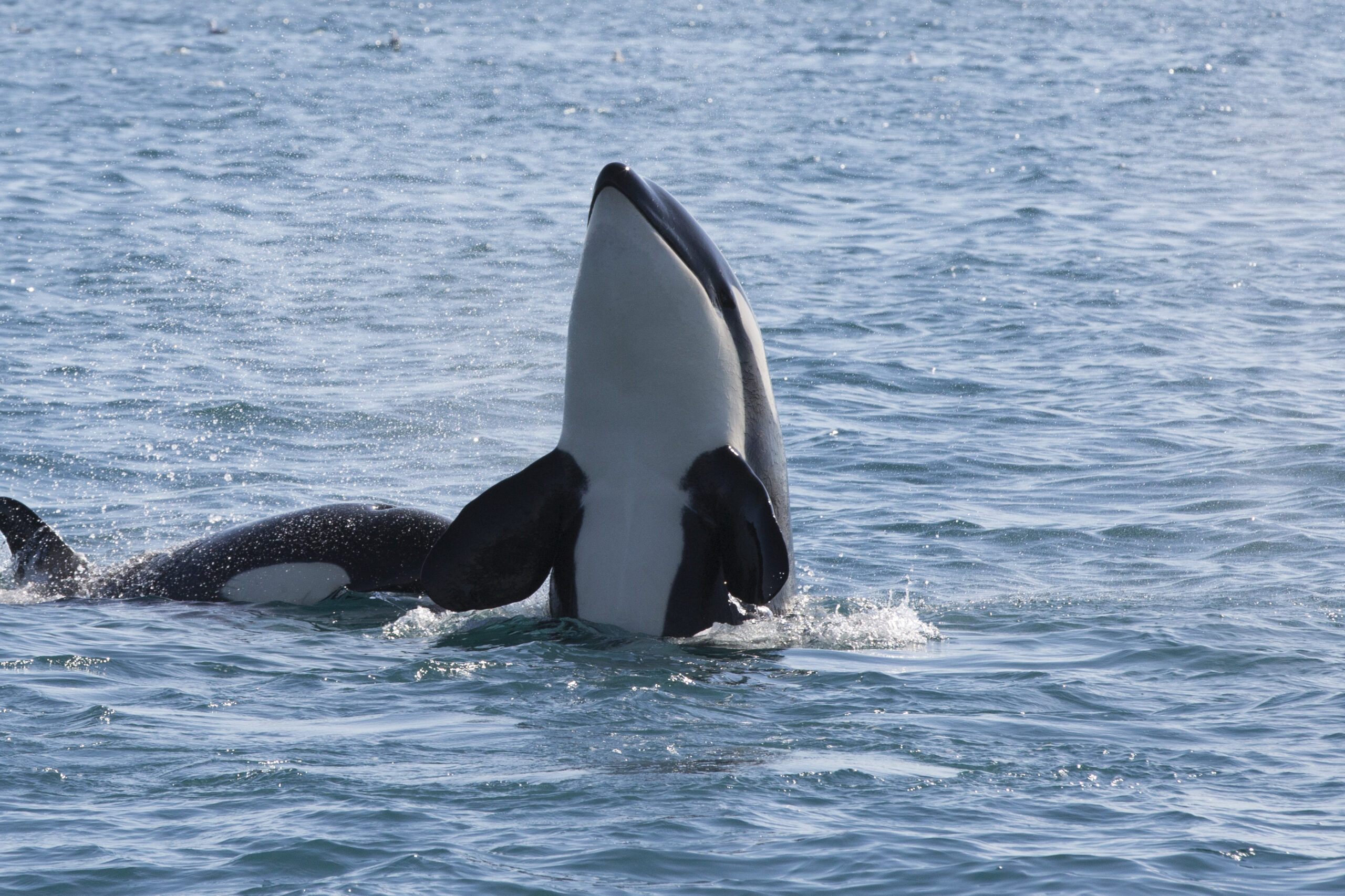
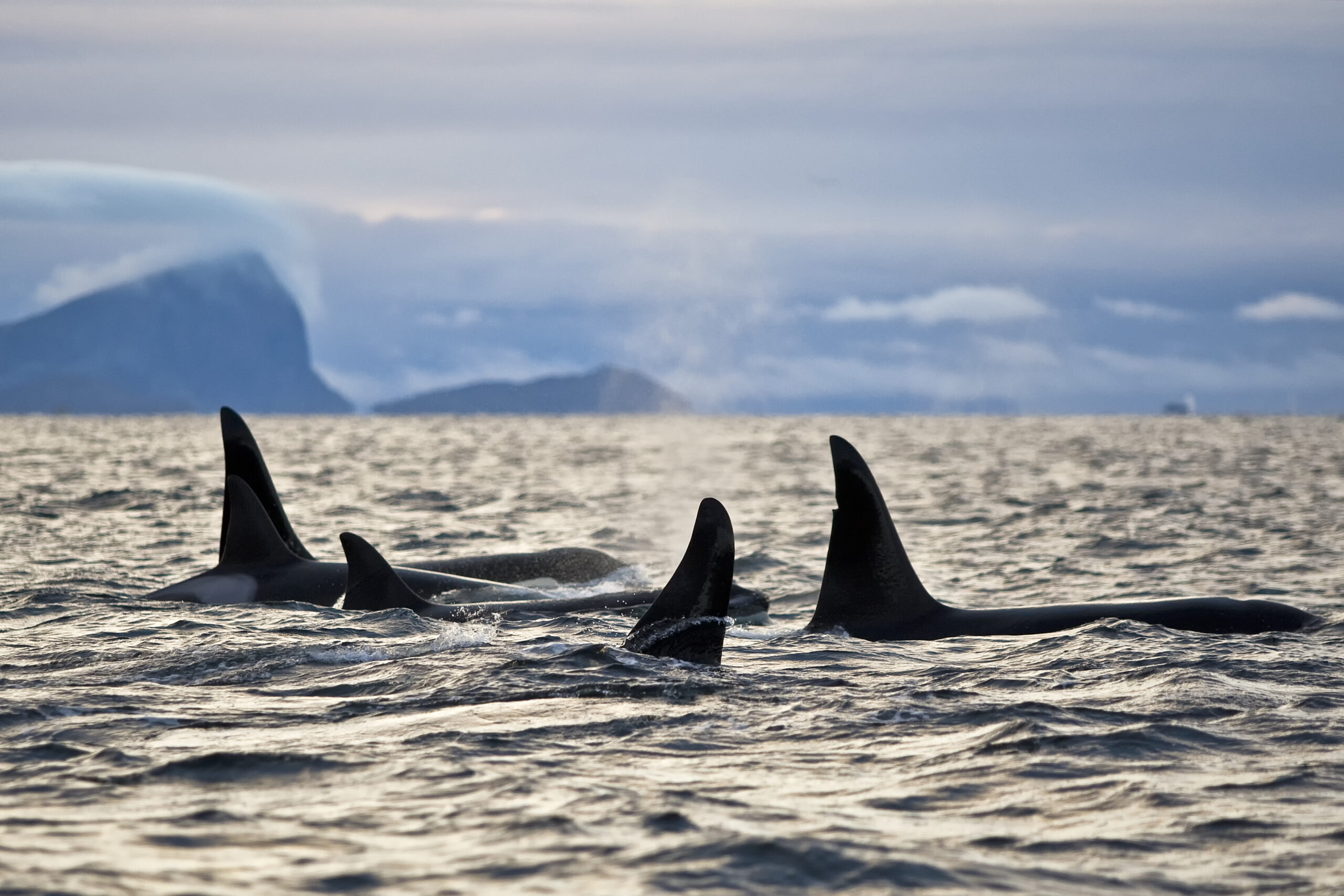
Rovdyr spækhugger
IUCN-status Ikke truet (2022)
Forekomst i nordøstlige Atlanterhav >25,000
Jaget i
 5 hvaler/år gennemsnit 2019-2023
Lydkreditering: Marianne Rasmussen, University of Iceland
Forskning
Pukkelhvaler har flere fødeområder i de koldere farvande i Nordatlanten; hvor tager de hen i ynglesæsonen, og hvor langt rejser de for at komme dertil? Rejser de alle til det samme område?
Did you know there was once a prehistoric whale heavier than today’s blue whale?
Say hello to Perucetus colossus, the Colossal Whale of Peru! A team of Italian and Peruvian palaeontologists recently discovered the fossilized remains of this large whale in the Ica valley (Peru), today a dry desert but once a place under the waters of the Pacific Ocean. The bones were at first confounded with rocks and were so heavy that they estimated the living animal might have weighted as much as 170 tons, 20 tons more than the average blue whale. Despite blue whales are still longer than the newly described Perucetus, the record of the heaviest whale of all time might well be deserved to that primitive cousin of the blue whale.
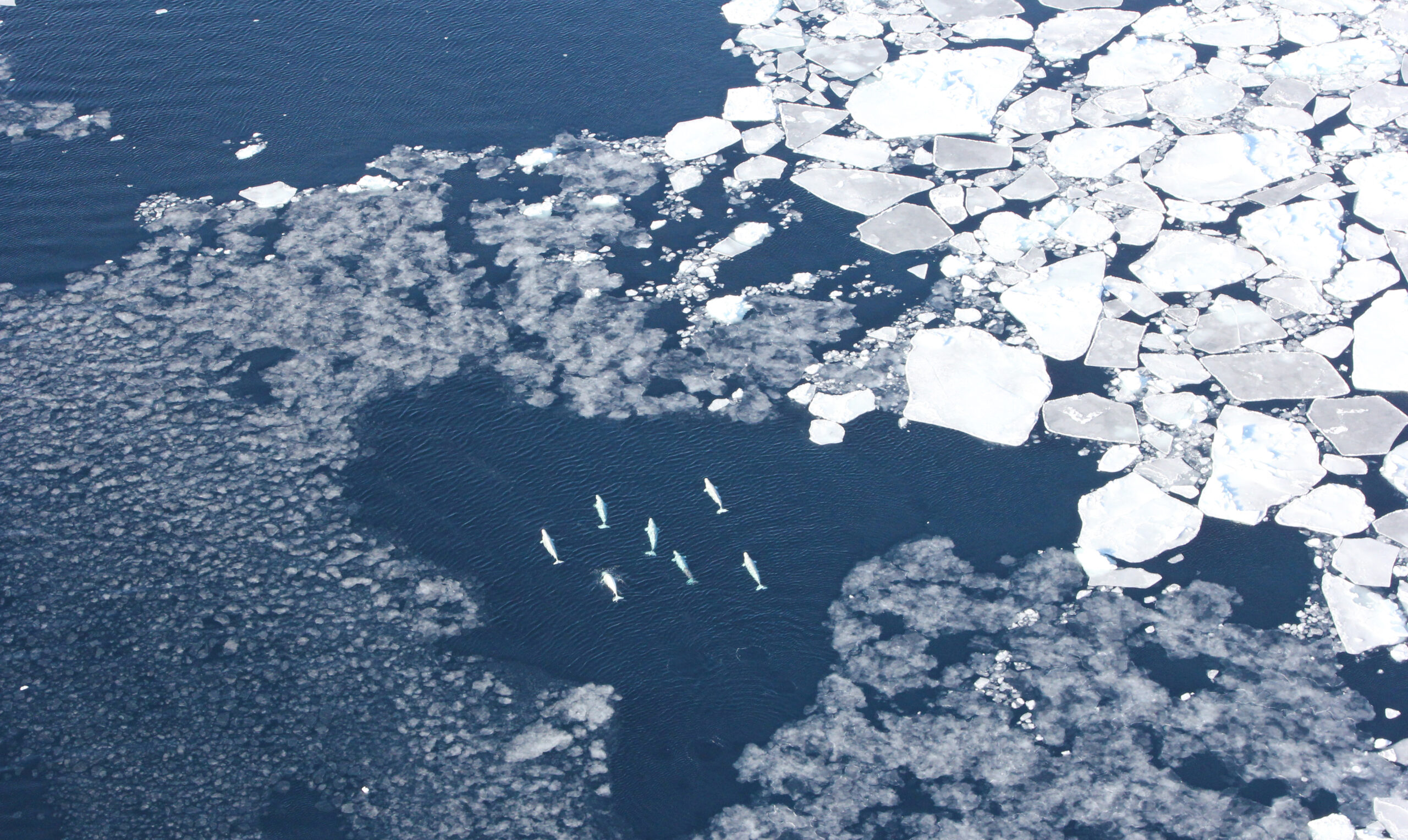
Interestingly, yawning in aquatic species, like belugas, is intriguing because they don't breathe through their mouths, as fully aquatic mammals have a separate trachea and esophagus. Nevertheless, the open mouth behaviour displayed by beluga whales during certain events has been described as "yawn-like" due to its resemblance to yawning in terrestrial mammals.
But why do belugas yawn, and what triggers this behaviour? The function of yawning in animals, including belugas, remains somewhat mysterious. In humans, yawning has been associated with various factors such as sleepiness, respiration and circulatory needs, boredom, arousal, empathy, and thermoregulation. The observation of Ames (2022) raises questions about whether belugas, with their social and imitative abilities, may have the capacity to imitate human motor movements.
Read the full observation by Ames (2022) here:
https://doi.org/10.1578/AM.48.6.2022.495
Did you know these facts about the heart of a blue whale (Balaenoptera musculus)?
Blue whales can reach lengths of 30 meters and so no wonder their hearts are massive as well. The heart can can weigh up to 200 kg, which is 630 times heavier than a human heart. It can also be 1.5 m tall and 1.20 m wide, being able to pump 220 litres at each beat. In 2019, scientists found out that the average heart rates during dives were typically 4 to 8 beats per minute (bpm) and as low as 2 bpm, while after-dive surface heart rates were 25 to 37 bpm with one beat taking 1.8 seconds. In comparison, humans have an average resting heartbeat of 60 to 100 bpm. On top of that, heart beats of blue whales are so loud they can be heard from 3km away through sonar equipment.
The discovery of the Charlotte whale, as the Vermont’s fossil is known, helped to explain the geology and glacial history of North America. Thanks to this and other marine fossils and sediments found in the region, we now know that portions of Ontario and Quebec (Canada) and the US states of Vermont and New York were not so long ago covered by the Champlain Sea, an arm of the Atlantic Ocean that once extended from the Gulf of St. Lawrence to the Great Lakes. The Champlain Sea was short-lived and formed when the ice retreaded from this area 13,000 years ago, leaving a deep basin that was filled with water from the Atlantic Ocean and became populated by marine mammals such as belugas, fin whales, bowhead whales and walruses. Free from the pressure of tons of ice, the earth crust slowly rebounded until, 3000 years later, the land was again above the sea level, the connection with the Atlantic Ocean closed and the basin transformed into the freshwater river valley it is today.
Have you ever wondered why some whales grow to be giants, while others stay comparatively small?
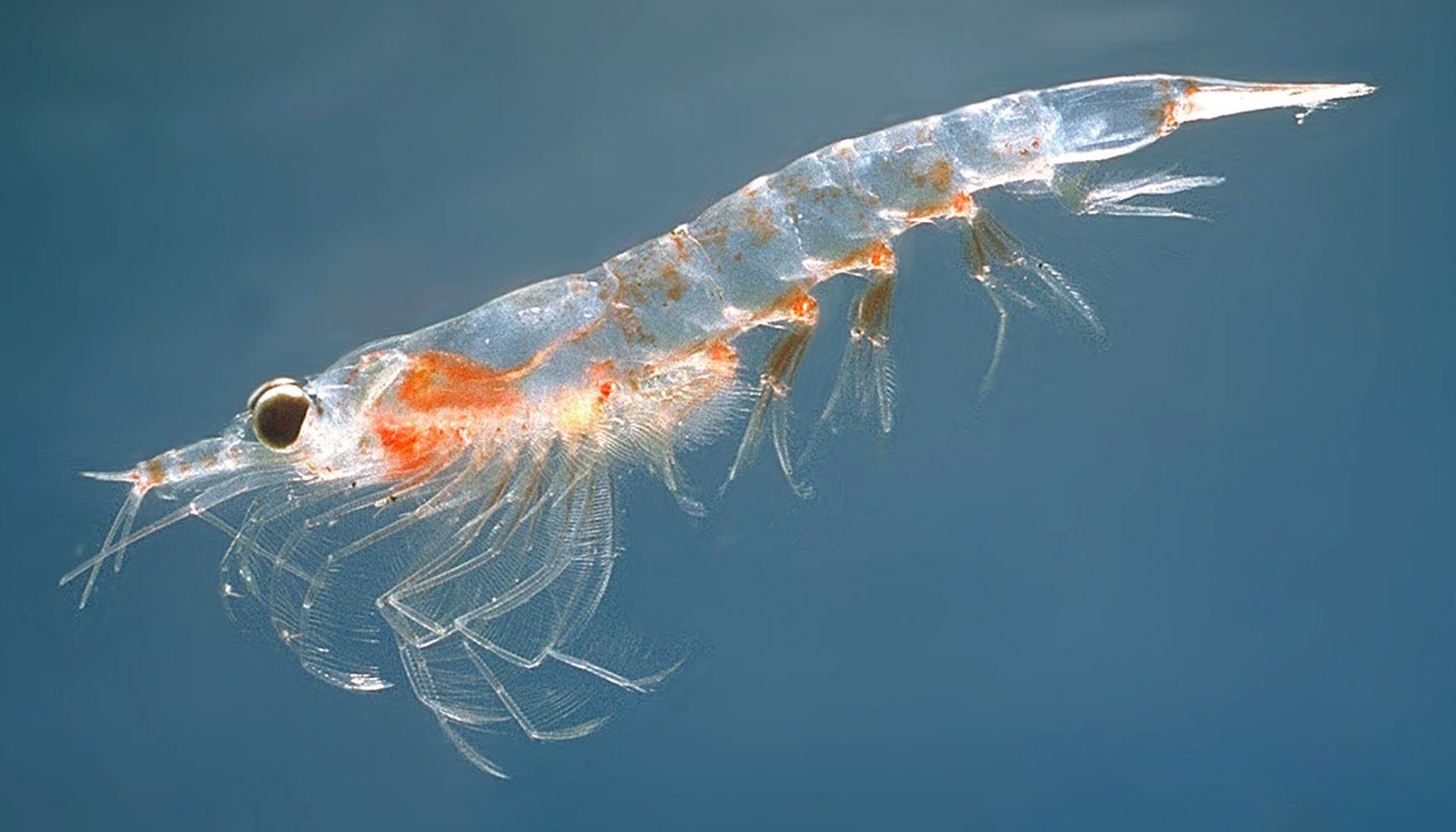
A study found that having an extremely large body size as seen in many baleen whales (including the largest ever living animal, the blue whale) allows for a more efficient intake of small-bodied prey like krill and other schooling fish that occur in large patches. By engulfing a large quantity of food, baleen whales also maximise their energetic intake. However, the energetic efficiency of toothed whales actually decreases with increasing size, despite them having also evolved towards larger body sizes which support deeper diving and thus foraging. . This is thought to be linked to their foraging style of locating and capturing single prey in deeper dives versus engulfing large amounts of food in one relatively shallow dive.
Did you know that blue whales (Balaenoptera musculus) follow the wind to find food?
The blue whale is the biggest animal ever to have evolved and efficient foraging is an important factor for their survival. With a consumption of more than 20 tonnes of krill per day, they prefer dense areas of food for the most efficient uptake. These dense food patches can occur in upwelling areas, where winds push the top layer of water out to the sea which leads colder water to rise to the surface. The colder water brings nutrients which results in blooms of phytoplankton and therefore krill. Upwellings occur regularly along California’s Central Coast in the Monterey Bay National Marine Sanctuary (MBNMS). Blue whales in that area are known to take advantage of these upwellings, but now a study by Ryan et al. showed how precisely the whales can track the upwellings and move inside the bay. First, a directional hydrophone placed in the bay, which identifies where the direction sounds originate from, was validated by matching the data of the hydrophone to a blue whale tracked by GPS. Then the researchers of the Monterey Bay Aquarium Research Institute (MBARI) examined two years of tracking data of the regional blue whale population. Results showed that the whales are aware of changes in winds and follow them towards the upwelling areas to find prey.Interestingly, yawning in aquatic species, like belugas, is intriguing because they don't breathe through their mouths, as fully aquatic mammals have a separate trachea and esophagus. Nevertheless, the open mouth behaviour displayed by beluga whales during certain events has been described as "yawn-like" due to its resemblance to yawning in terrestrial mammals.
But why do belugas yawn, and what triggers this behaviour? The function of yawning in animals, including belugas, remains somewhat mysterious. In humans, yawning has been associated with various factors such as sleepiness, respiration and circulatory needs, boredom, arousal, empathy, and thermoregulation. The observation of Ames (2022) raises questions about whether belugas, with their social and imitative abilities, may have the capacity to imitate human motor movements.
Read the full observation by Ames (2022) here:
https://doi.org/10.1578/AM.48.6.2022.495