- Nísa
- Niisa
- Selhnisa
- Nise
- Nissu
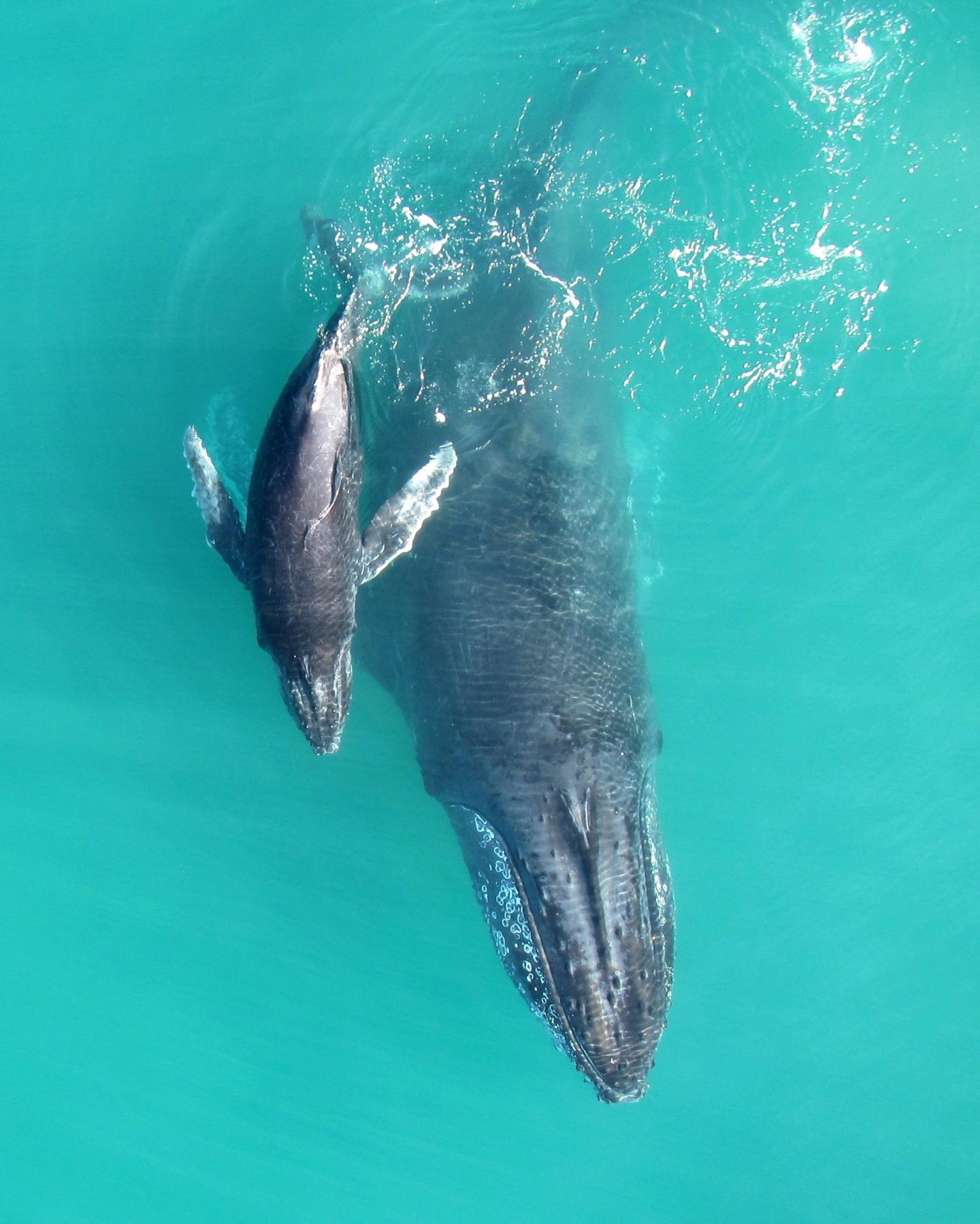
- Harbour porpoise
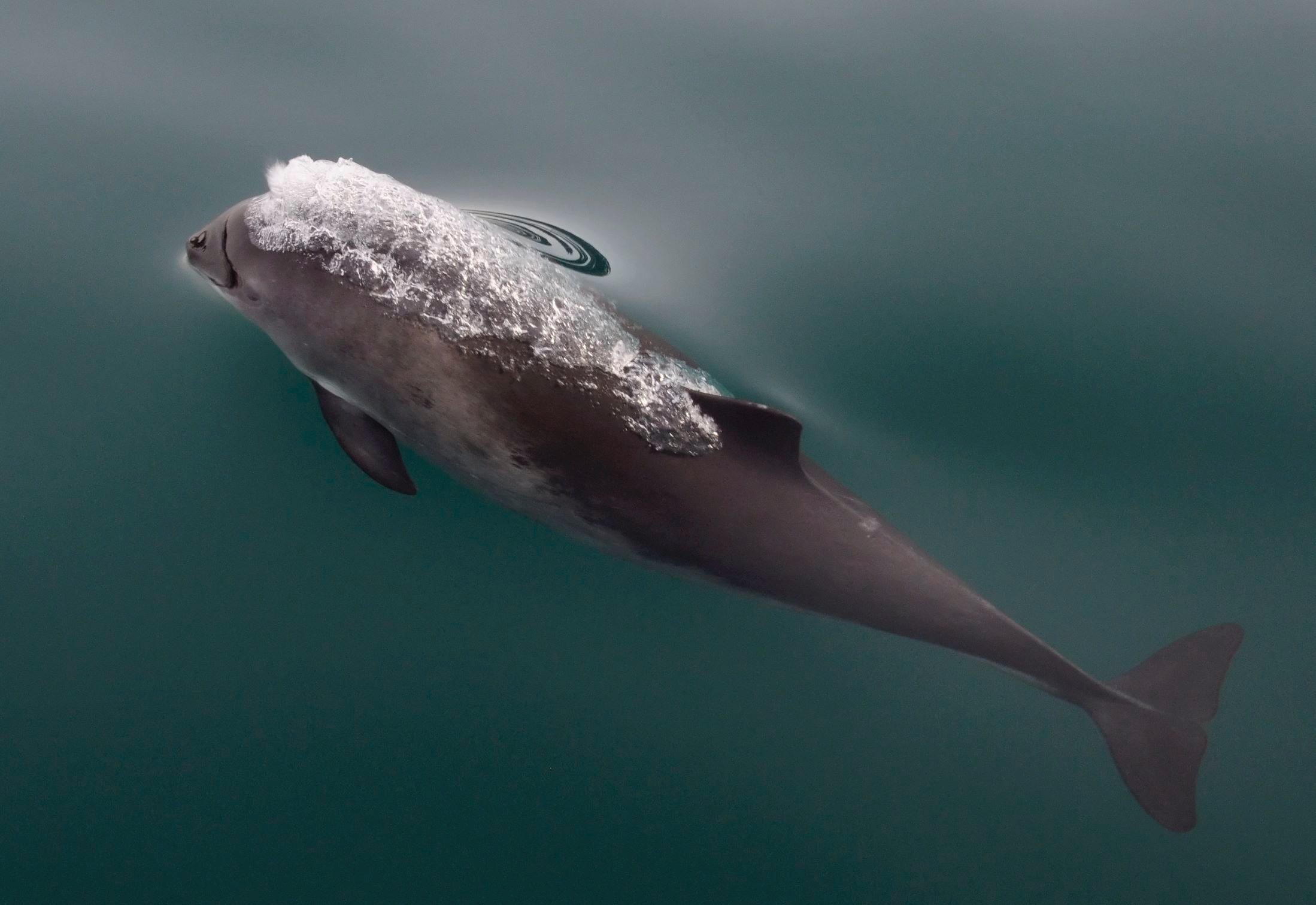
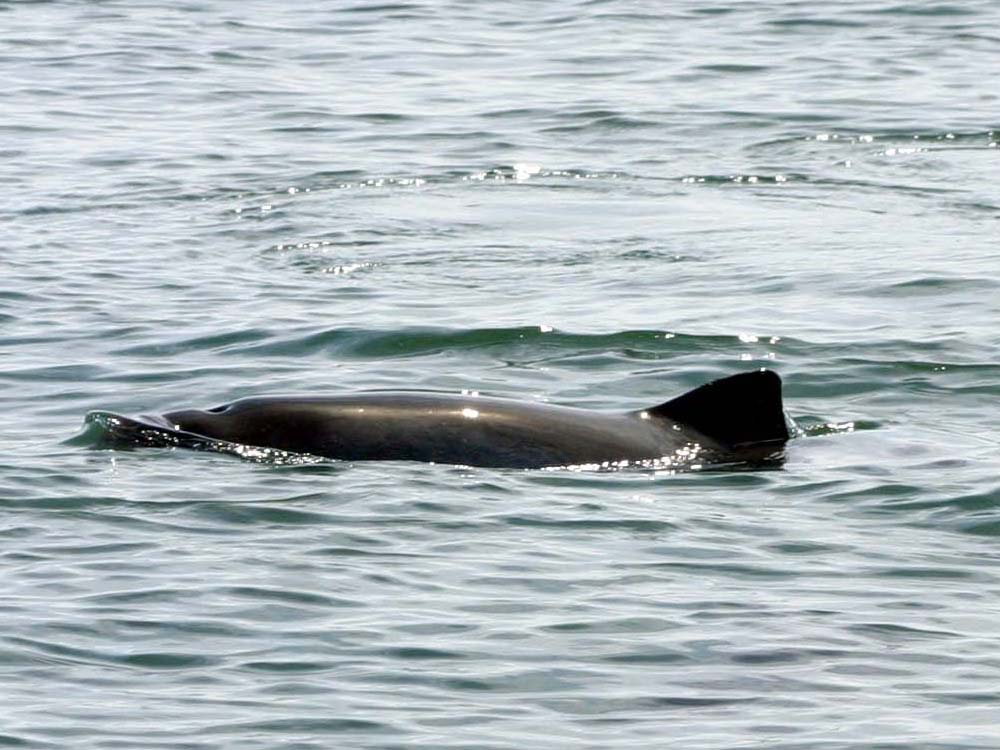
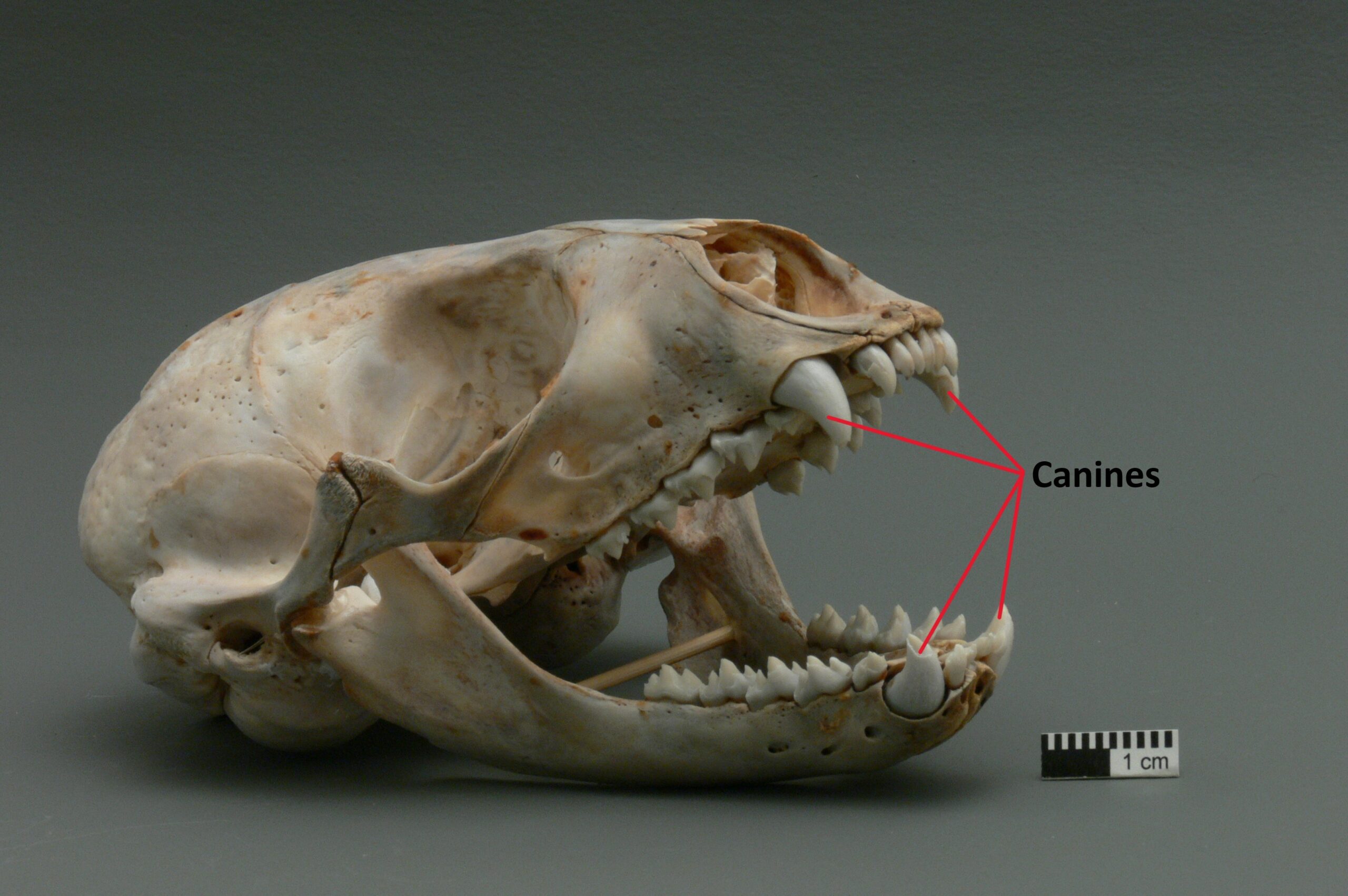
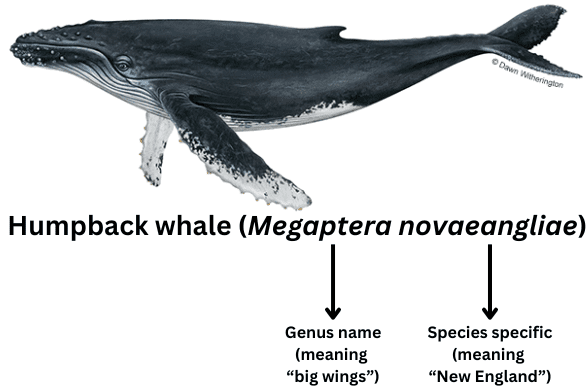
Navnet marsvin kommer af tysk Meerschwein, der betyder “havsvin”. I de fire NAMMCO-medlemslande (Færøerne, Grønland, Island og Norge) kommer navnet af oldnordisk hnísa, som betyder “nysen” efter lyden, de laver, når de ånder. For at gøre forvirringen total stammer marsvinets videnskabelige navn, Phocoena phocoena, fra græsk og betyder “stor sæl”.
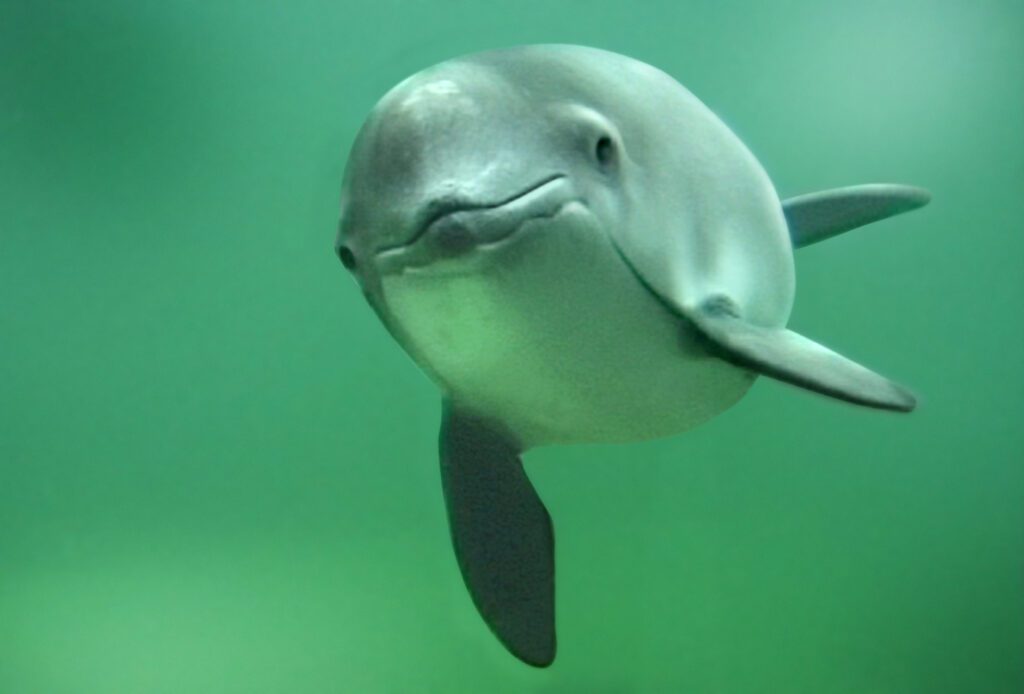
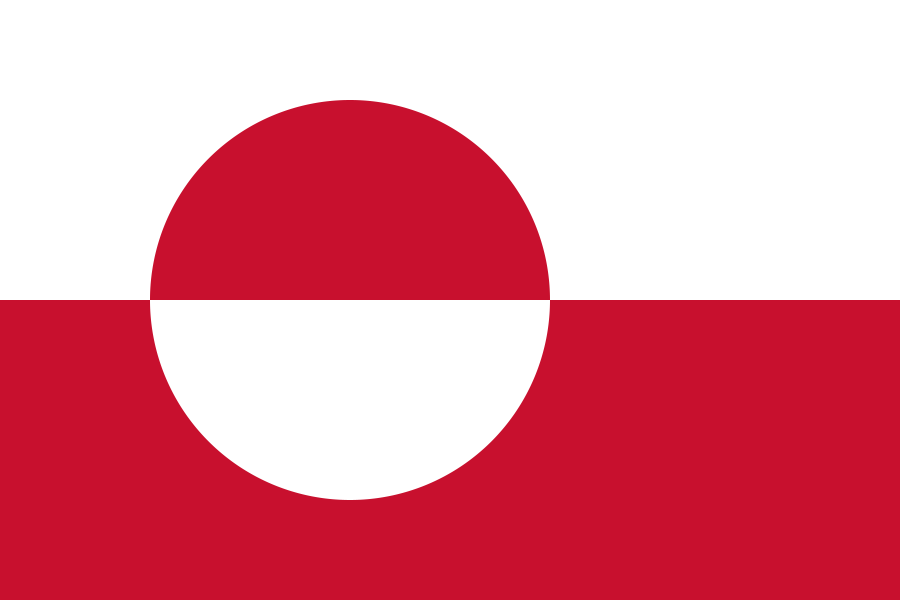 3179 marsvin/år gennemsnit 2019-2023
Lydkreditering: NOAA. Passive Acoustics Group. 2021. Harbour porpoise. https://www.fisheries.noaa.gov/national/science-data/sounds-ocean
Trusler
Forskning
Marsvin skal spise det, der svarer til mindst 10 procent af deres kropsvægt hver dag – til sammenligning nøjes en spækhugger med ca. 3 procent. Hvorfor tror du, marsvinet har brug for at spise så meget?
But how is it that one of the smallest cetacean (whales, dolphins, and porpoises) species, is the species with one of the most impressive hunting success rates, as much as 91-97%? It possibly has something to do with their fast lifestyle. Harbour porpoises, compared to other toothed whales, have a shorter life cycle and faster metabolism. To meet the demands of their high metabolic rates, they have to feed almost continuously throughout the day and year.
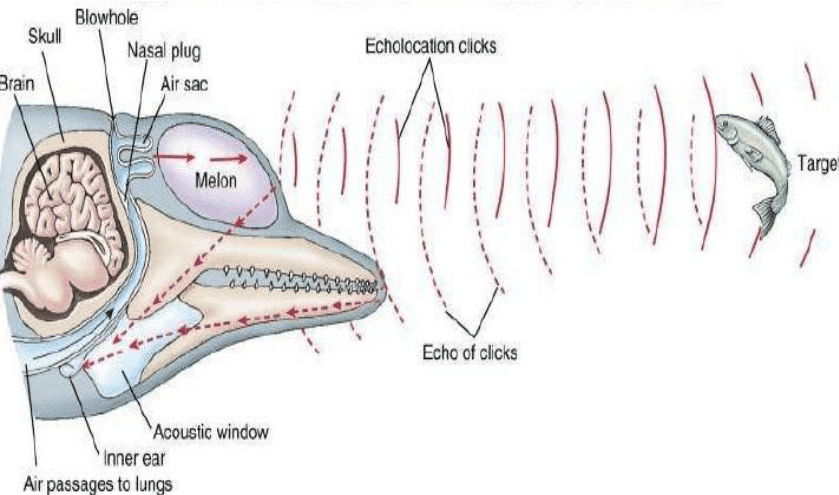
Wisniewska and colleagues investigated porpoise feeding habits by looking into movement data, as well as sound analysis. Like other cetaceans, harbour porpoises hunt with the help of echolocation—a biological sonar used to determine the location of objects using sound. By analysing the echolocation patterns of tagged porpoises, the researchers discovered that they hunt nearly continuously, targeting mostly small fish (3–10 cm), and have extremely high capture success rates.
Harbour porpoises are a coastal species. That means they live in those marine areas that are most affected by human activities. Because of their need for constant feeding, even small interruptions of their foraging can rapidly lead to starvation. It is unfortunately not possible to keep the environment they occupy entirely undisturbed, so it is extremely important to keep researching how frequent and cumulative anthropogenic disturbances and changes in the marine ecosystem affect harbour porpoises.
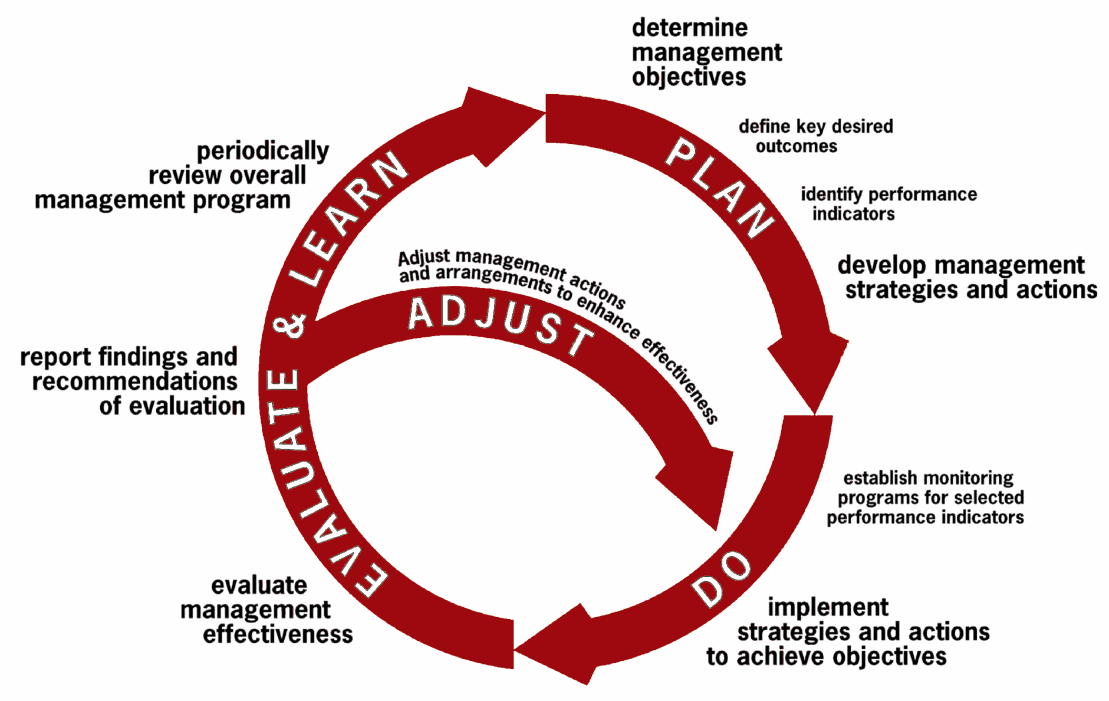
But why do belugas yawn, and what triggers this behaviour? The function of yawning in animals, including belugas, remains somewhat mysterious. In humans, yawning has been associated with various factors such as sleepiness, respiration and circulatory needs, boredom, arousal, empathy, and thermoregulation. The observation of Ames (2022) raises questions about whether belugas, with their social and imitative abilities, may have the capacity to imitate human motor movements. Read the full observation by Ames (2022) here: https://doi.org/10.1578/AM.48.6.2022.495