- Niisa
- Selhnisa
- Nise
- Nissu
- Marsvin
- Harbour porpoise
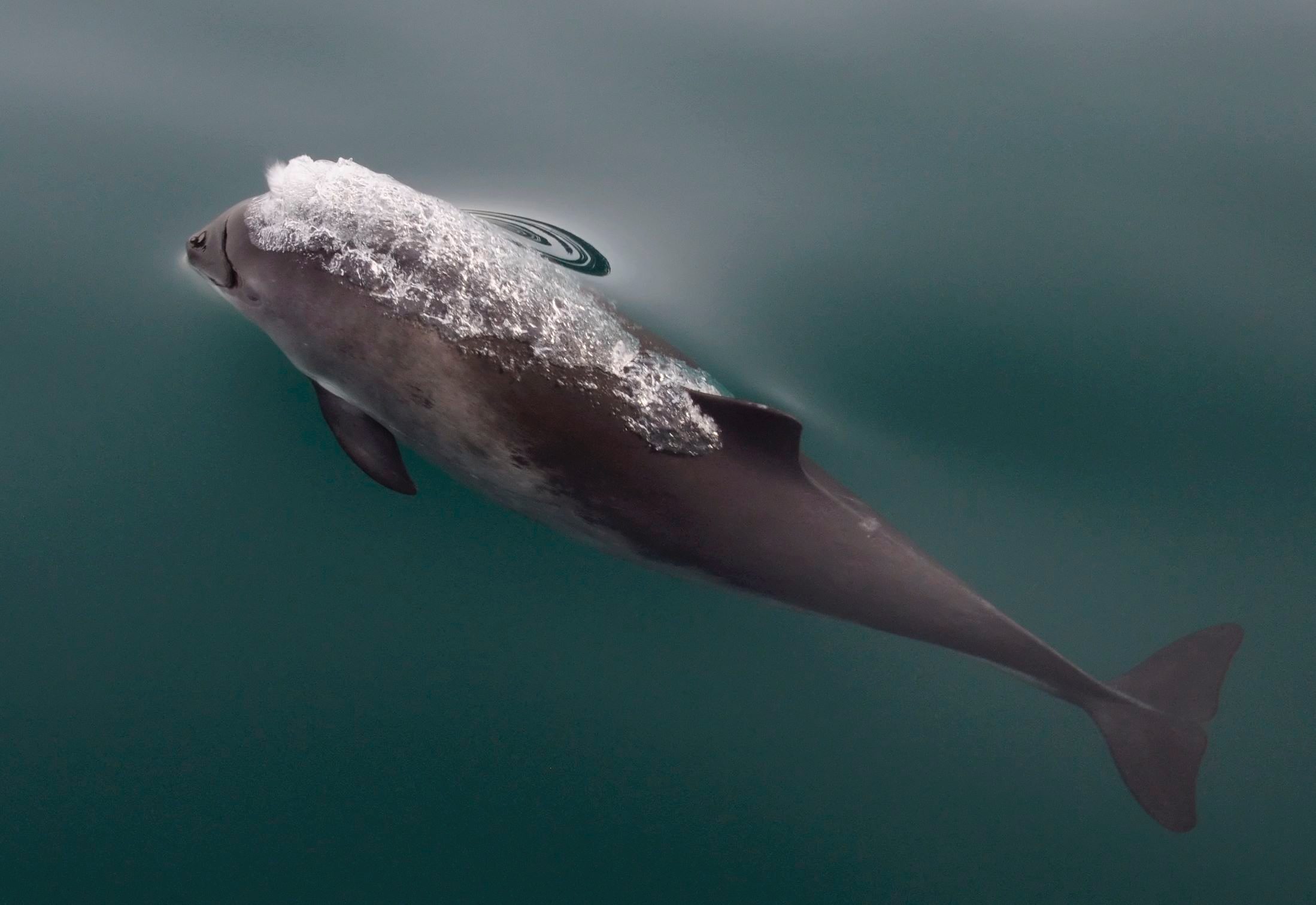
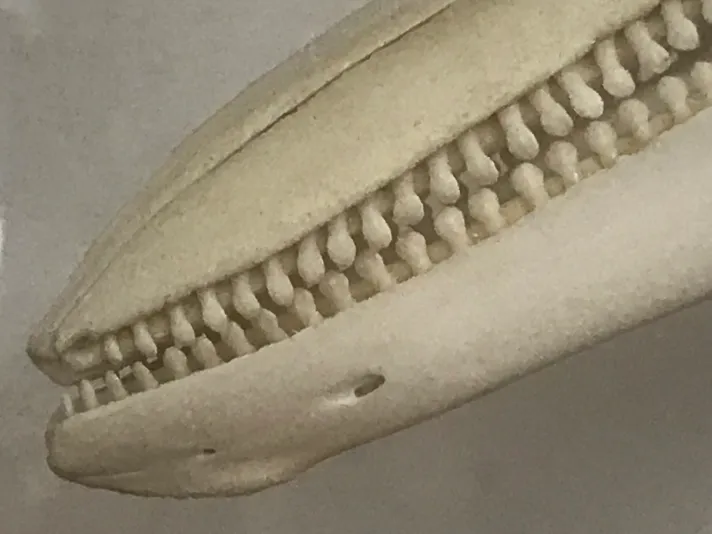
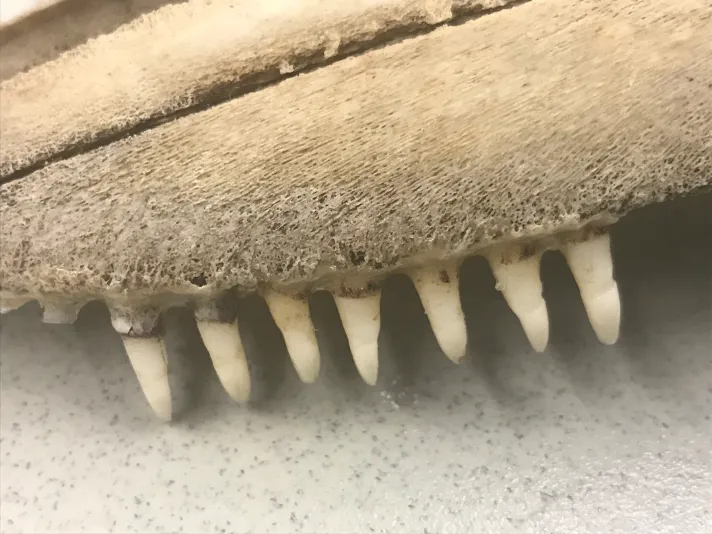
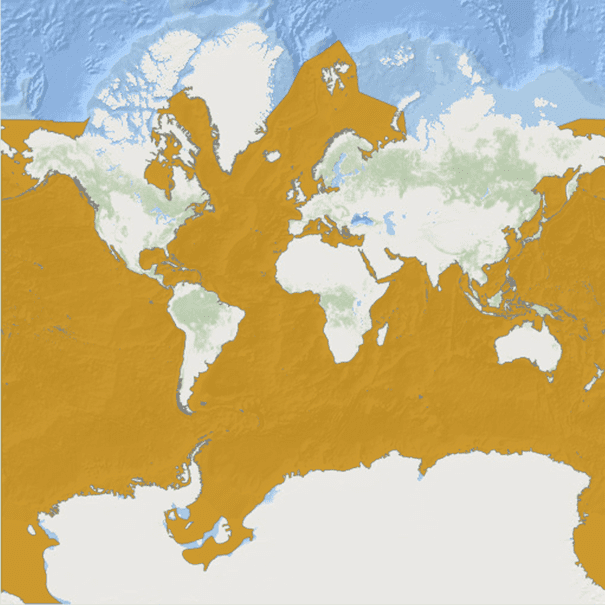
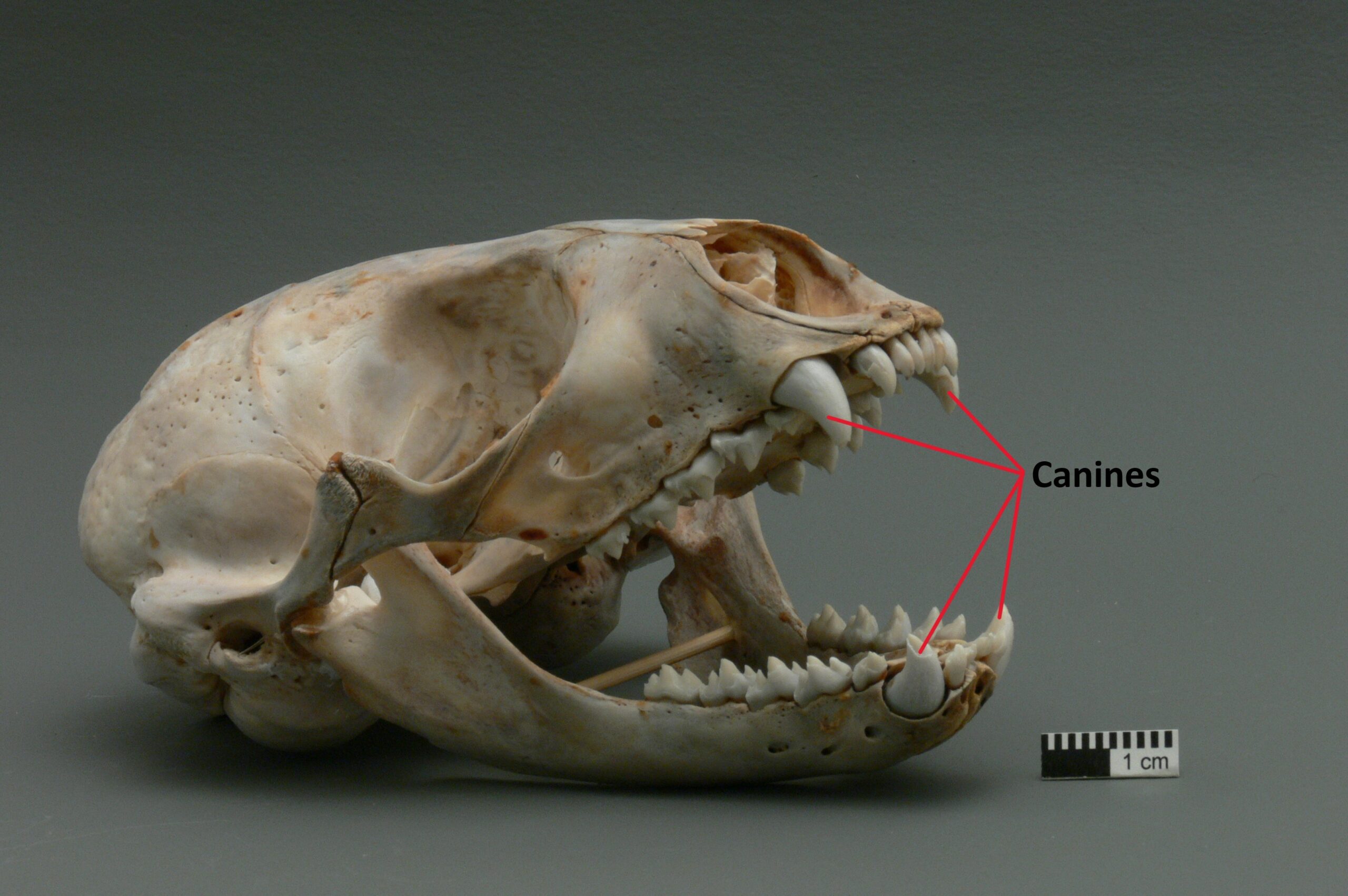
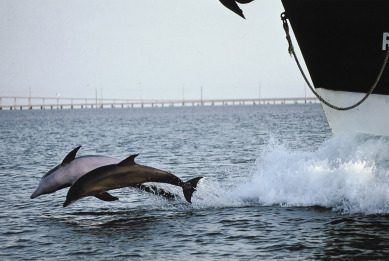
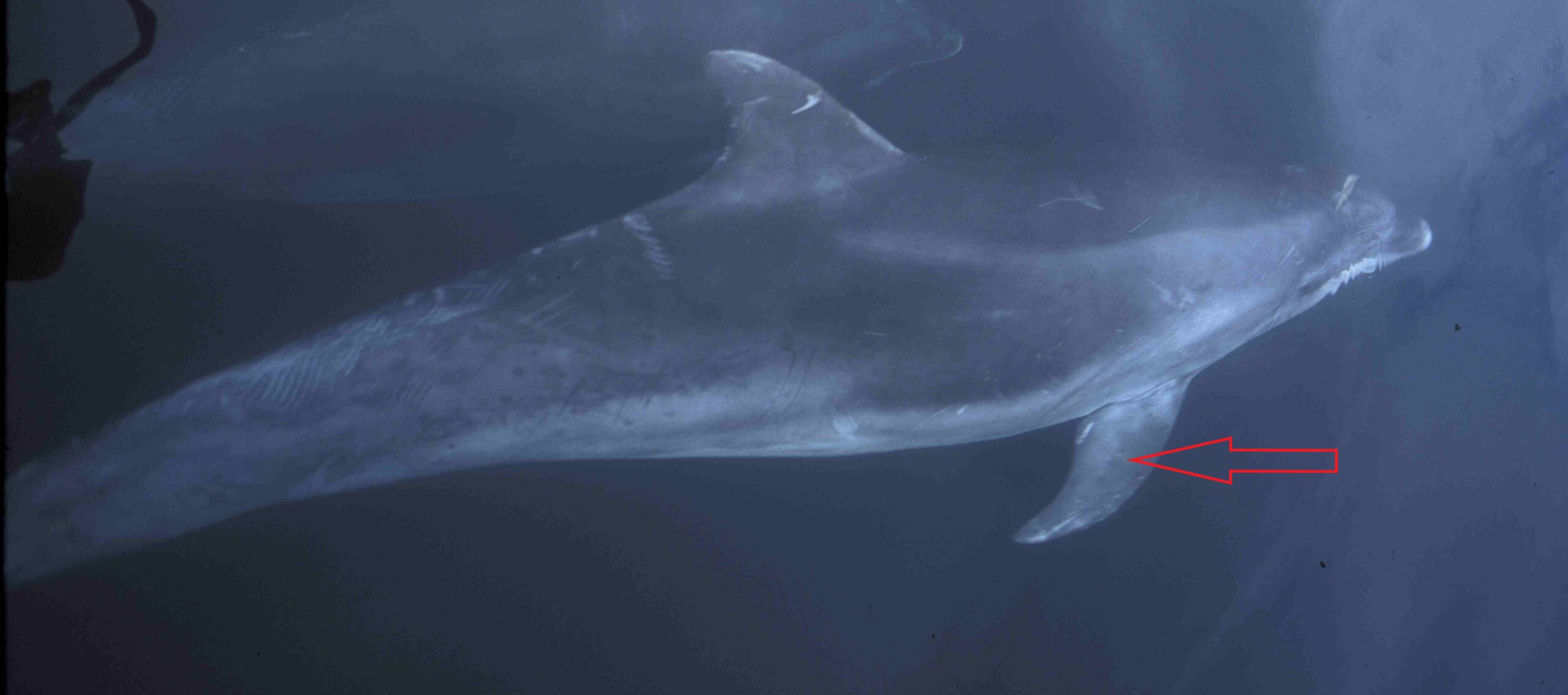
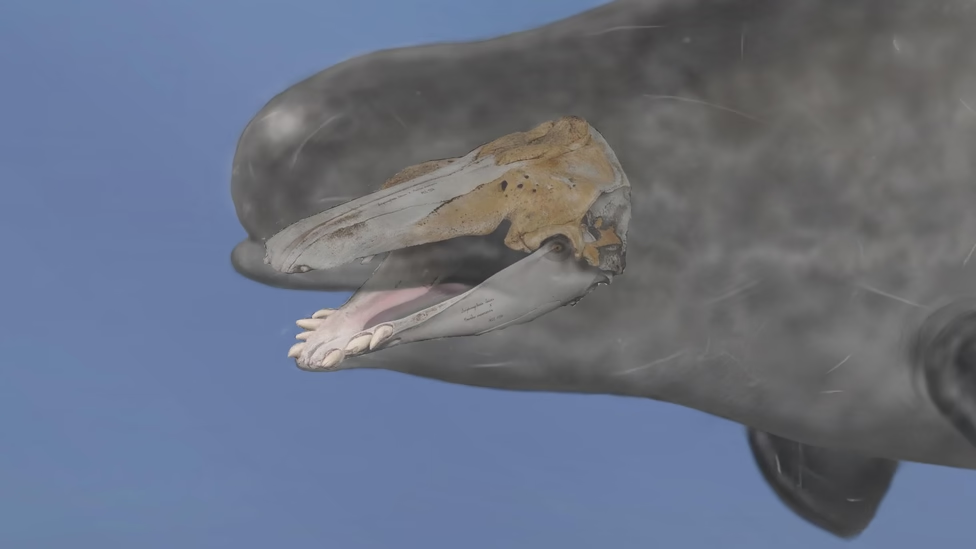
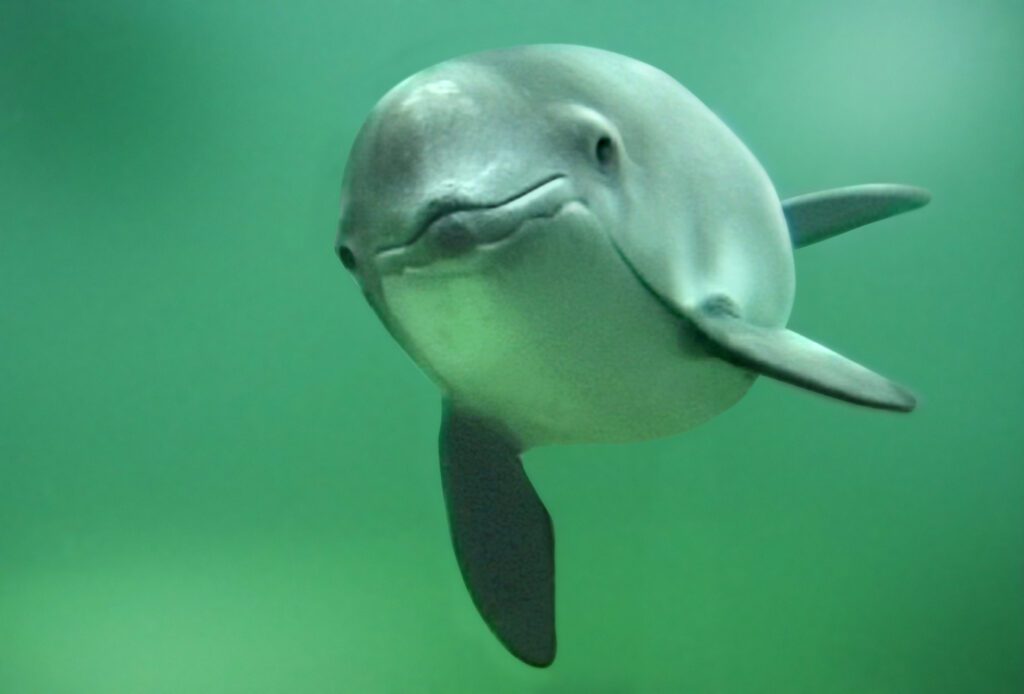
Nísa sær øðrvísi út og ber seg øðrvísi at enn springari. Hon hevur eitt lítið, tríkantað horn og stuttan trón. Hon hevur tættan kropp og tenninar eru flatar, har springarar eru meira mjávaksnir og hava keyluskapaðar tenn. Nísur eru ikki so “prátingarsamar” sum springarar, men bæði nísa og springari nýtir ekkólodding at navigera og finna fong. Nísur liva vanliga saman í smærri bólkum. Tilsamans eru seks nísusløg í heiminum.
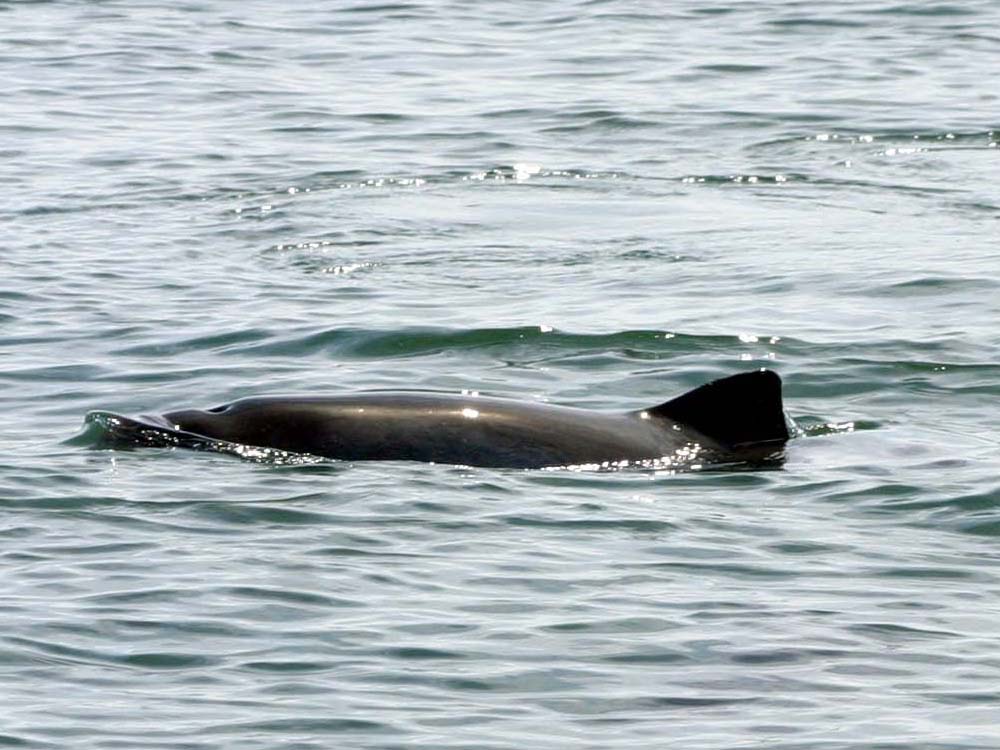
Enska orðið “porpoise” verður hildið at koma úr franska “porc poisson,” sum merkir “svínafiskur!” Miðaldarliga katólska kirkjan góðtók ikki, at tað varð etið kjøt fríggjadag, so fólkið fann eftir øllum at døma ein útveg við at umflokka nísuna sum ein fisk. Vanligu nøvnini í teimum fýra NAMMCO-londunum eru øll sprottin úr fornnorrønu “hnísa,” sum merkir “njósi,” eftir ljóðinum, sum hoyrist, tá nýsa andar. Fyri at gera hurlivasan fullkomnan, stavar vísindaliga navnið Phocoena phocoena frá grikska orðinum “stórur kópur.”
 3,179 Nísa/ár miðaltal fyri 2019-2023
Ljóðheiti: NOAA. Passive Acoustics Group. 2021. Harbour porpoise. https://www.fisheries.noaa.gov/national/science-data/sounds-ocean
Gransking
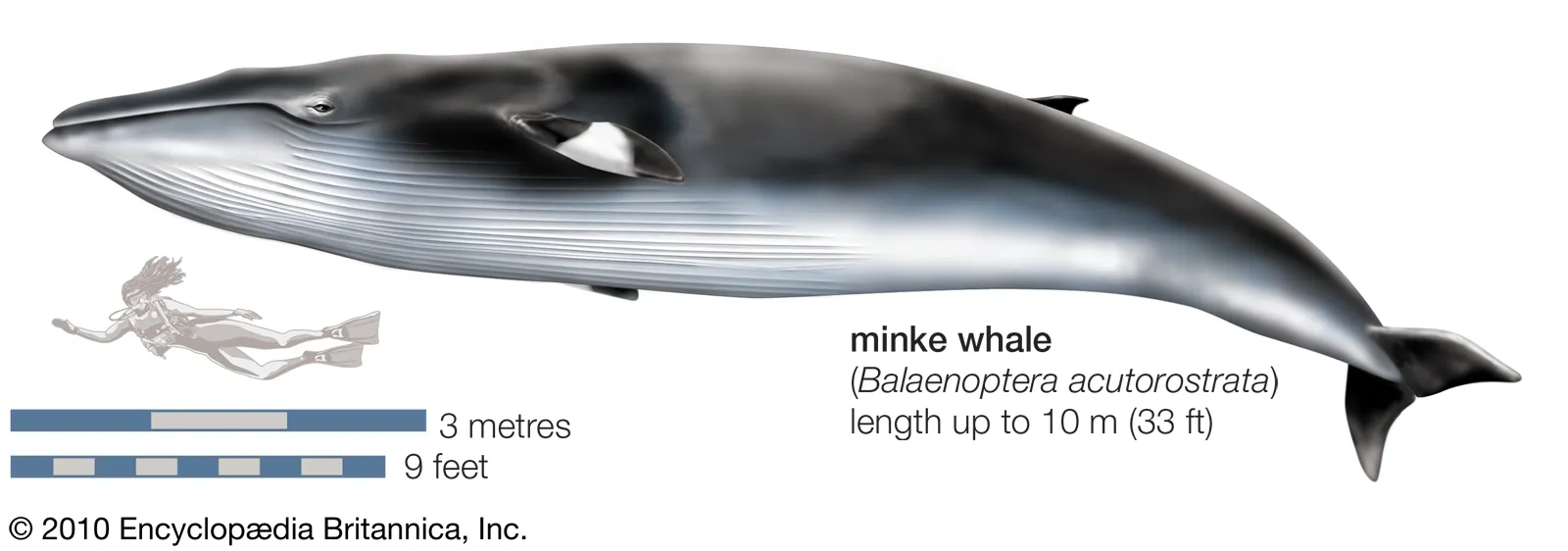
Nísa má eta í minsta lagi 10 % av síni egnu vekt hvønn dag, samanborið við 3% hjá bóghvítuhvalinum. Hvi hevur nísan brúk fyri at eta so nógv?
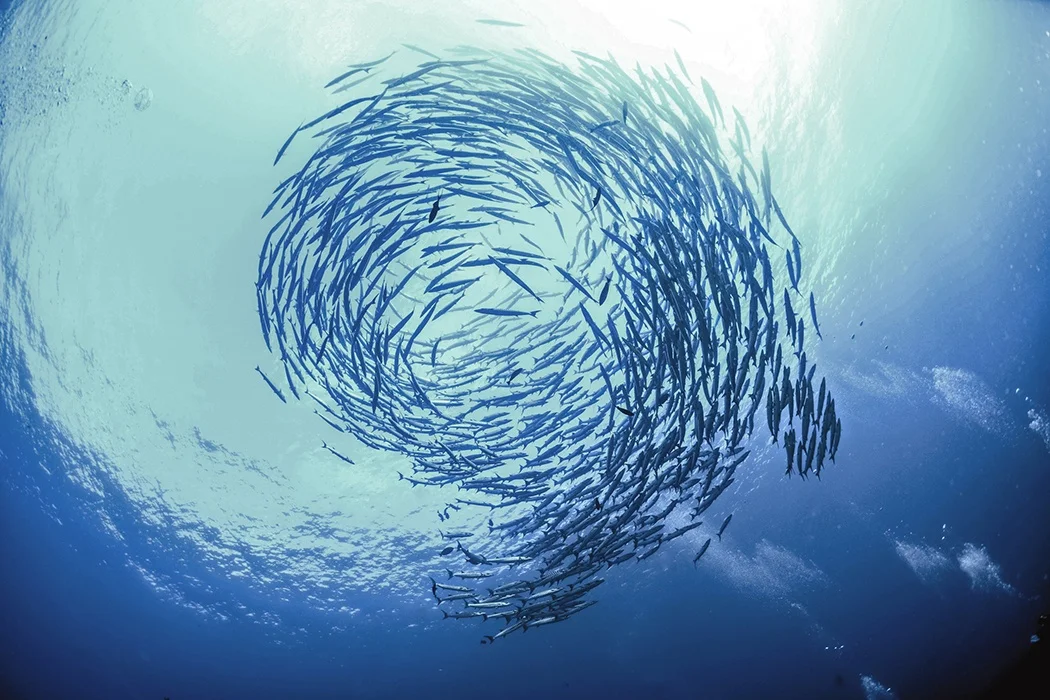
But how is it that one of the smallest cetacean (whales, dolphins, and porpoises) species, is the species with one of the most impressive hunting success rates, as much as 91-97%? It possibly has something to do with their fast lifestyle. Harbour porpoises, compared to other toothed whales, have a shorter life cycle and faster metabolism. To meet the demands of their high metabolic rates, they have to feed almost continuously throughout the day and year.
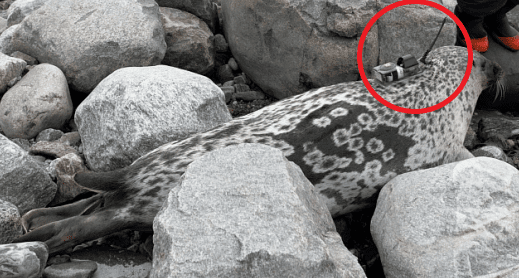
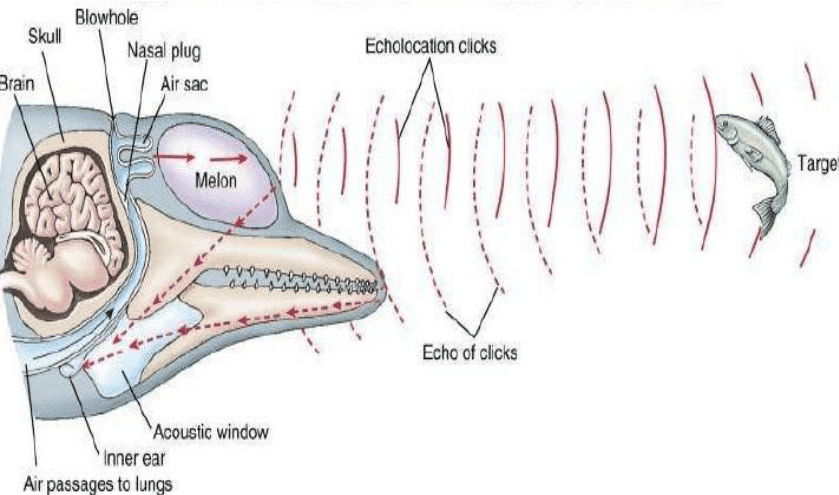
Wisniewska and colleagues investigated porpoise feeding habits by looking into movement data, as well as sound analysis. Like other cetaceans, harbour porpoises hunt with the help of echolocation—a biological sonar used to determine the location of objects using sound. By analysing the echolocation patterns of tagged porpoises, the researchers discovered that they hunt nearly continuously, targeting mostly small fish (3–10 cm), and have extremely high capture success rates.
Harbour porpoises are a coastal species. That means they live in those marine areas that are most affected by human activities. Because of their need for constant feeding, even small interruptions of their foraging can rapidly lead to starvation. It is unfortunately not possible to keep the environment they occupy entirely undisturbed, so it is extremely important to keep researching how frequent and cumulative anthropogenic disturbances and changes in the marine ecosystem affect harbour porpoises.
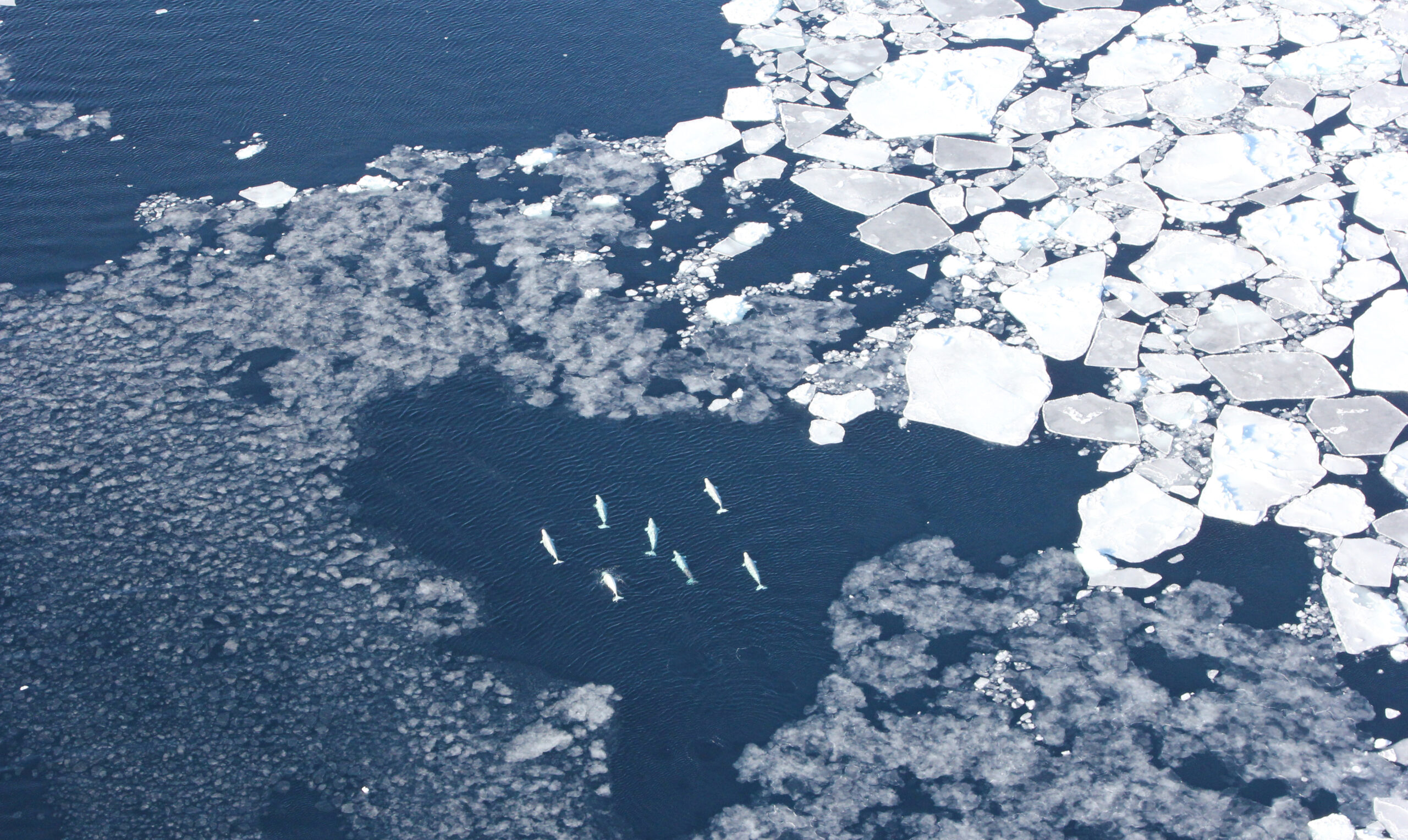
But why do belugas yawn, and what triggers this behaviour? The function of yawning in animals, including belugas, remains somewhat mysterious. In humans, yawning has been associated with various factors such as sleepiness, respiration and circulatory needs, boredom, arousal, empathy, and thermoregulation. The observation of Ames (2022) raises questions about whether belugas, with their social and imitative abilities, may have the capacity to imitate human motor movements. Read the full observation by Ames (2022) here: https://doi.org/10.1578/AM.48.6.2022.495