- Qilalugaq qernertaq
- Náhvalur
- Narhval
- Narhval
- Narwhal
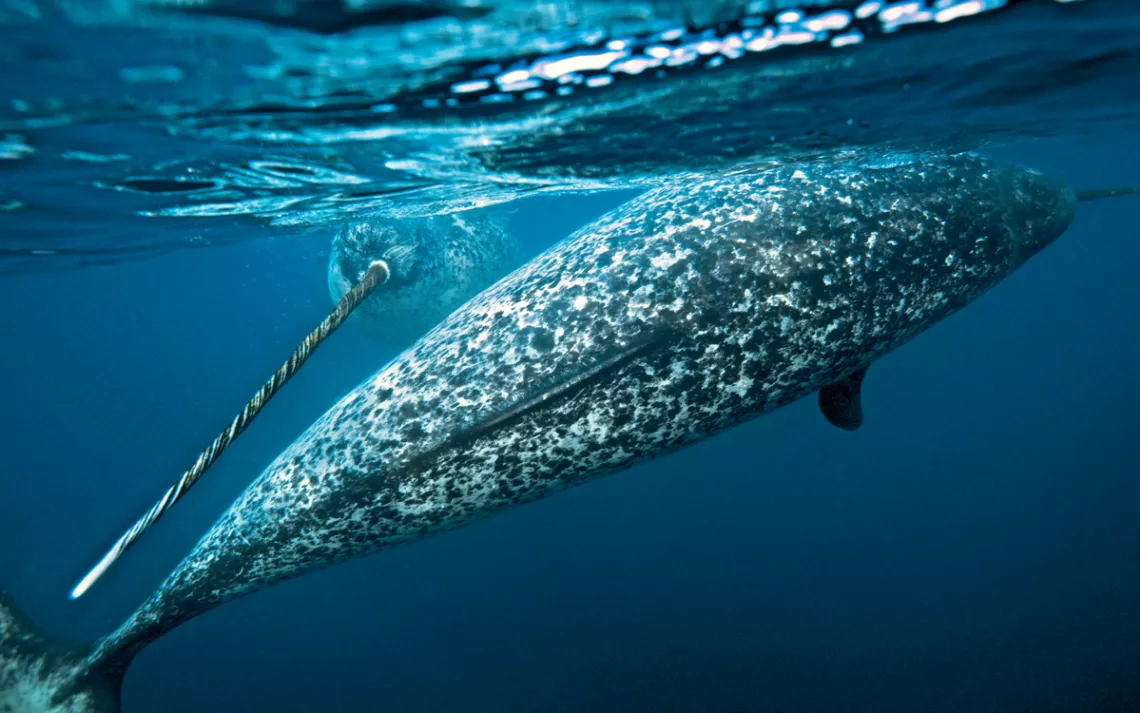
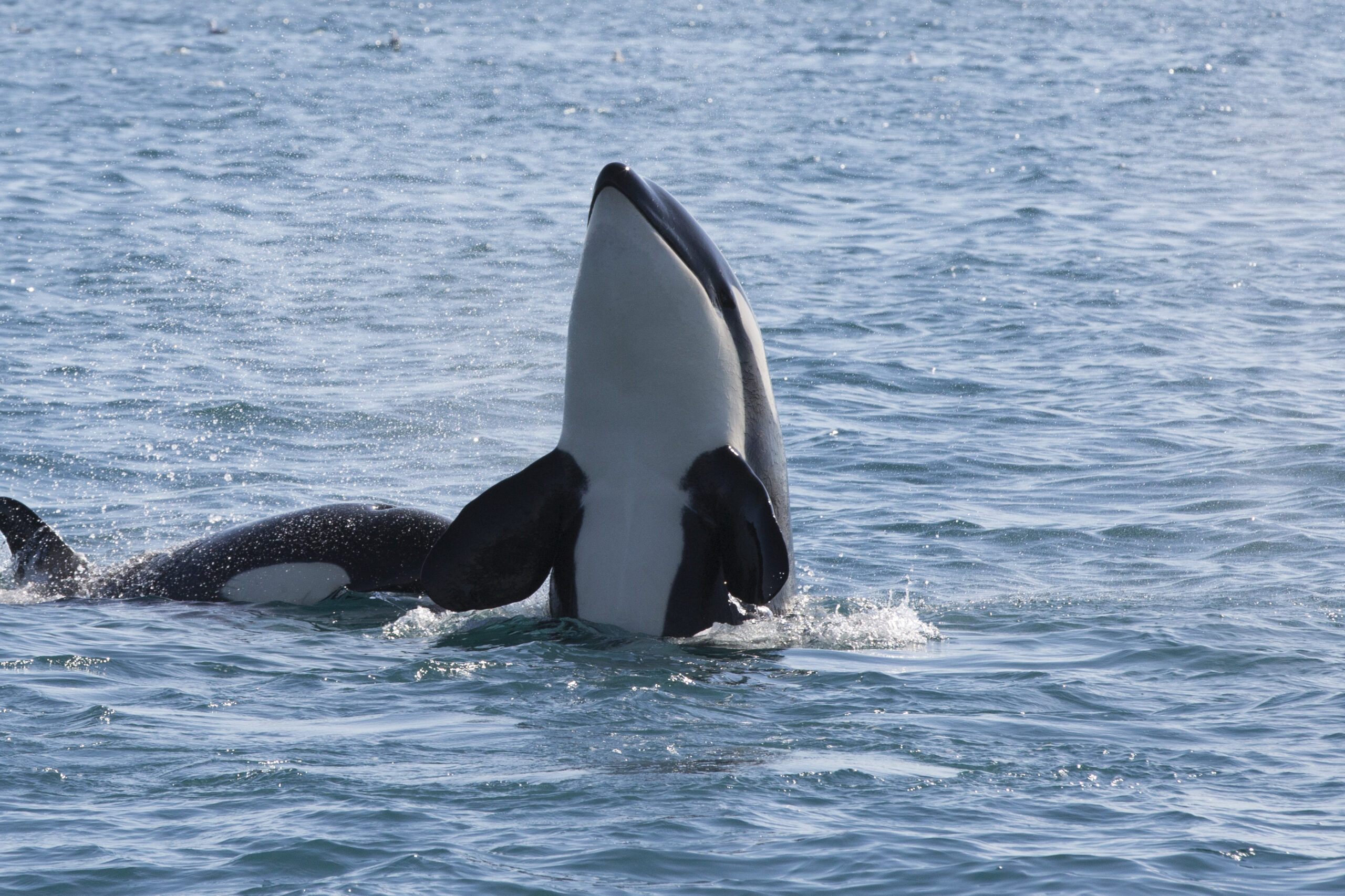
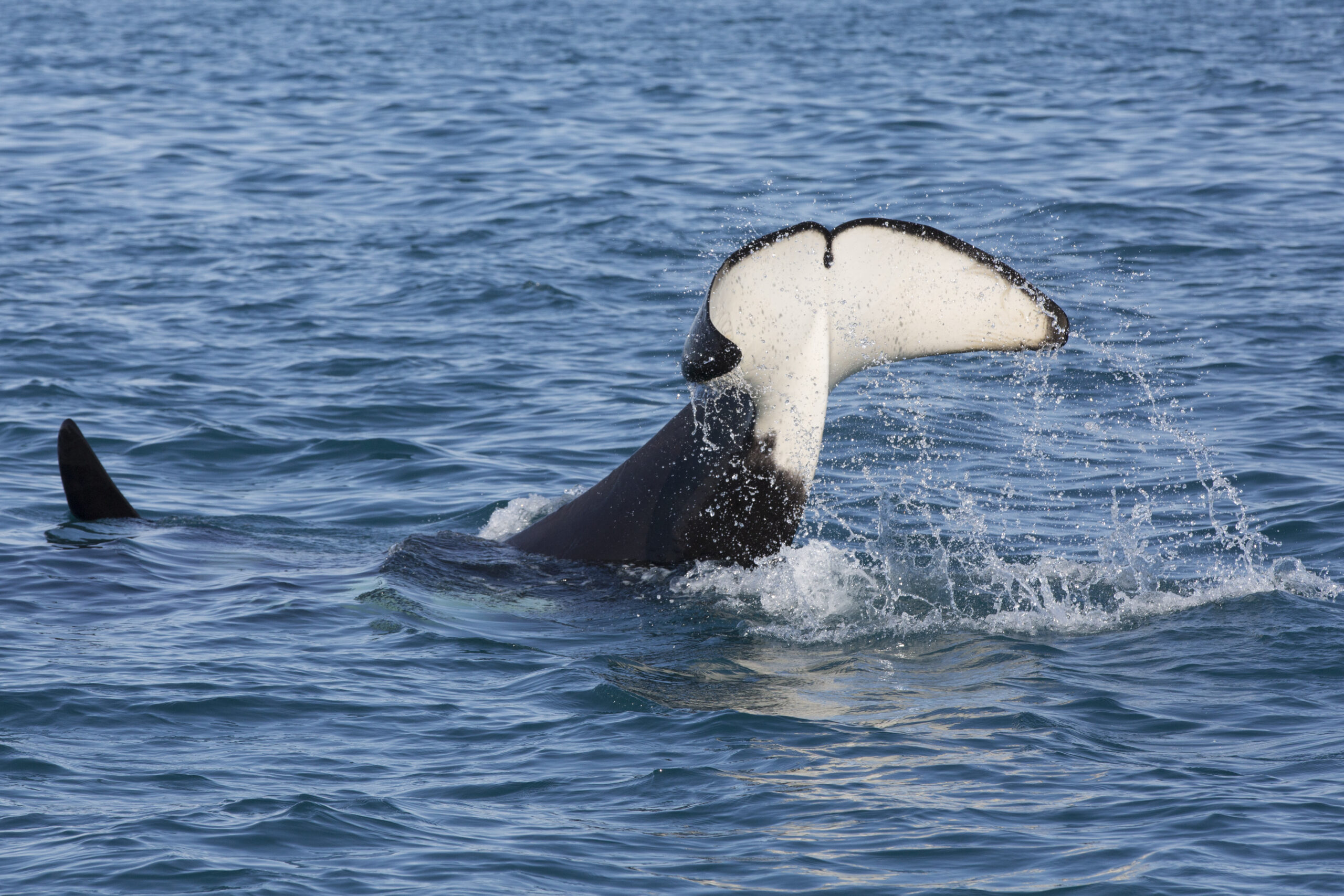
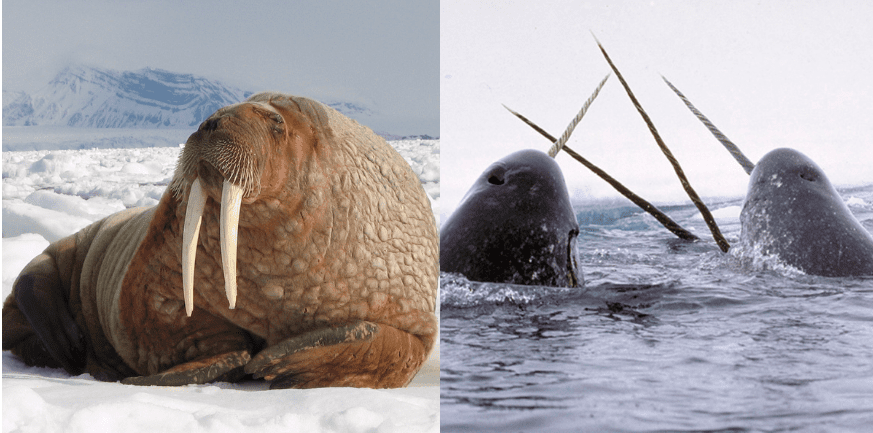
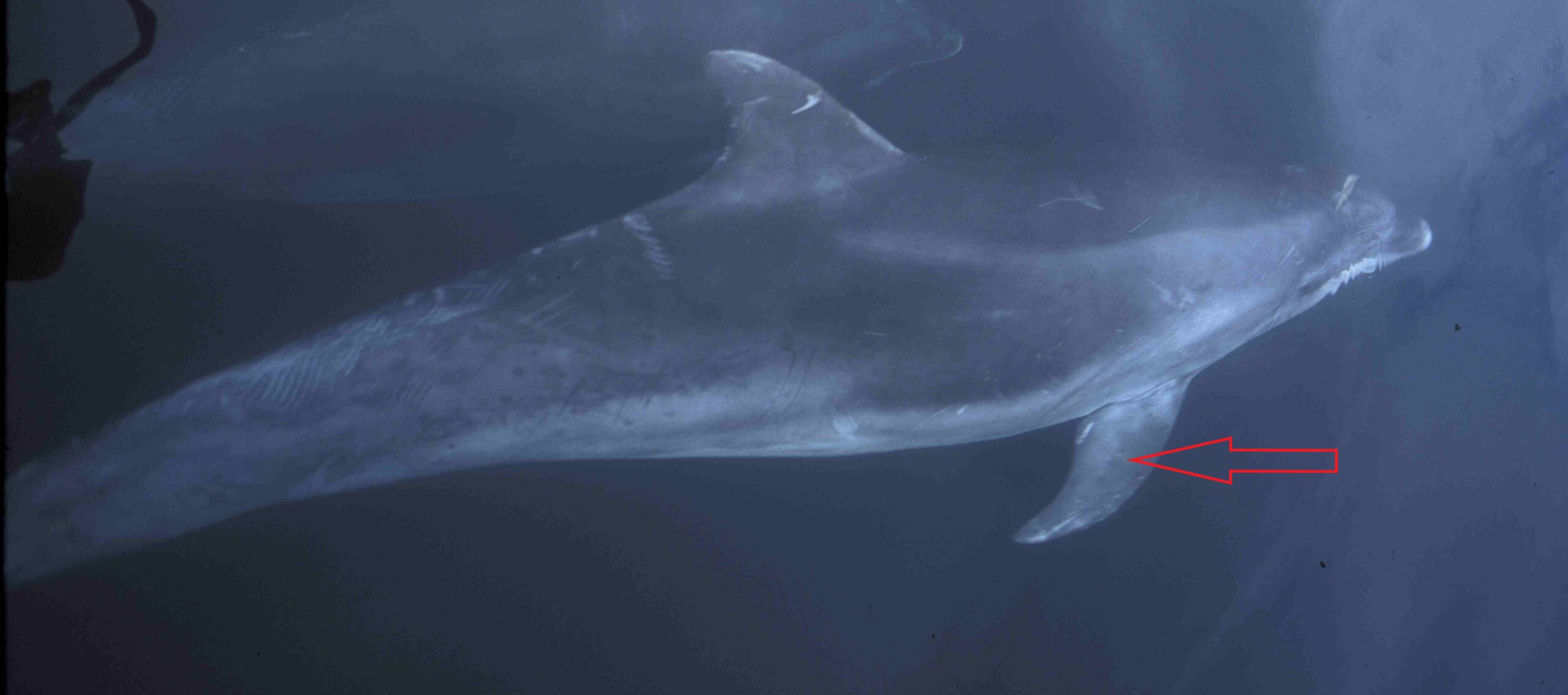
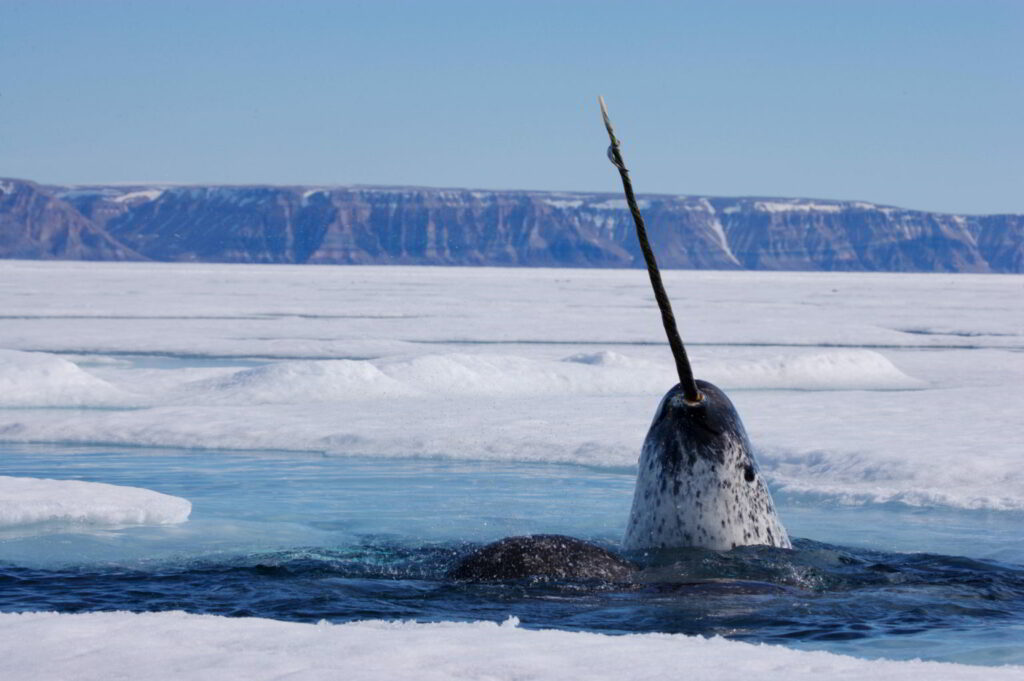
Náhvalur er miðalstórur, arktiskur tannhvalur, eyðkendur vegna høggtonnina, sum kallhvalirnir fáa. Hann hevur ljósagráa hvølju við dimmari blettum aftur eftir bakinum og liðunum, og undir búkinum er hann hvítur. Henda litsamansetingin gav íblástur til navnið, sum stavar frá fornnorrøna orðunum nar (ræ, deytt djór) og hval (hvalur).
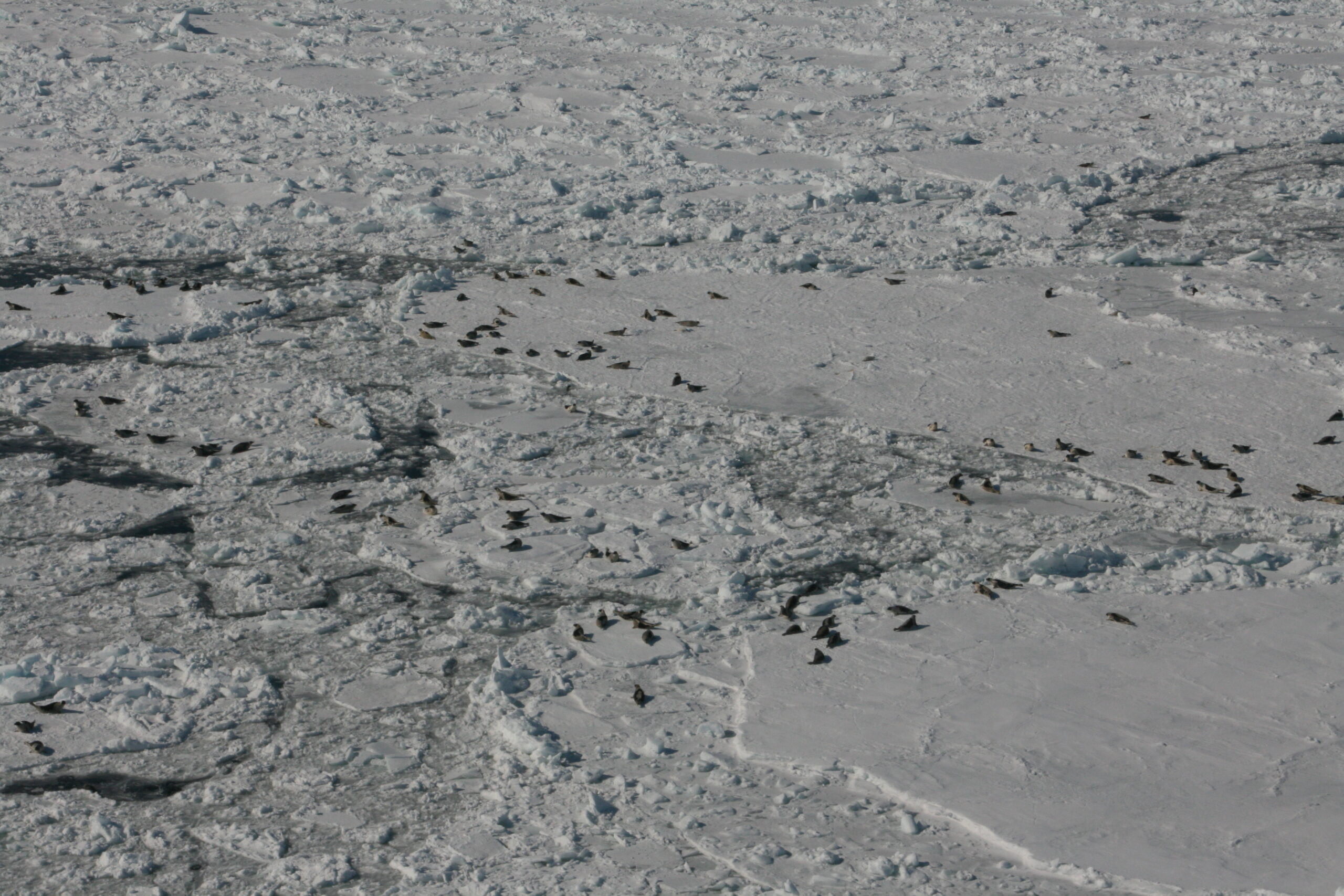
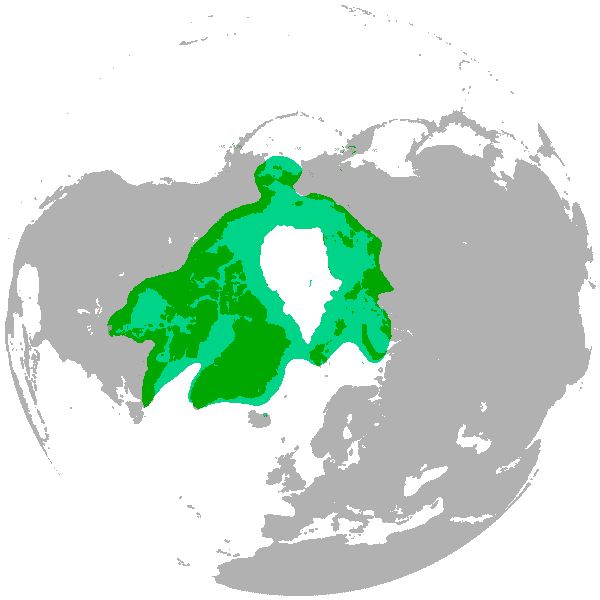
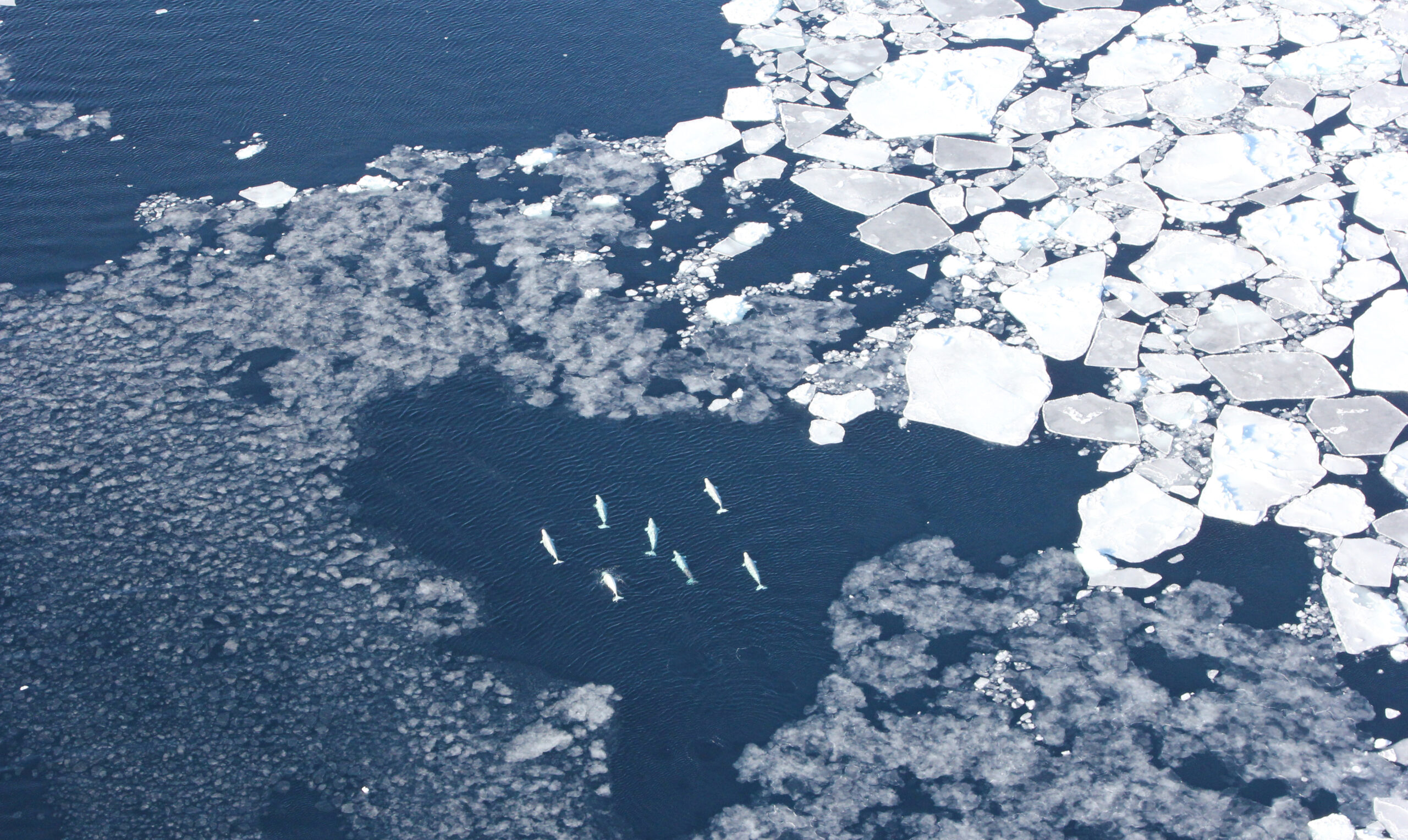
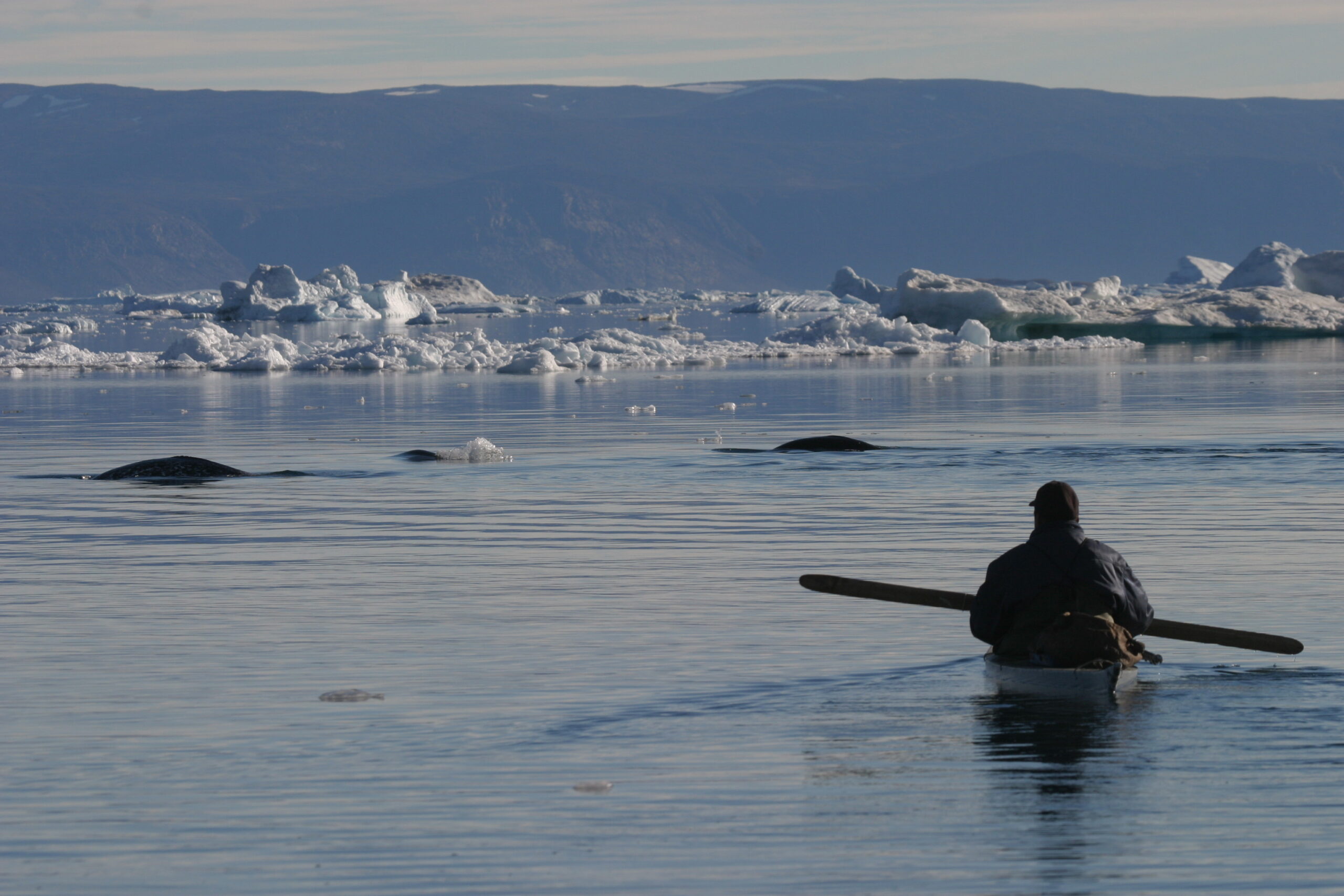
Saman við hvítfiskinum og grønlandsslættibøkuni er náhvalurin bert ein av trimum hvalasløgum, sum liva alt lívið á køldu, arktisku havleiðunum. Um veturin eru teir í tøttum pakkísi, har teir koma upp at anda í rivum og opum í ísinum. Men um summarið eru teir á grunnum sjógvi við strandaøki, har eingin ísur er.
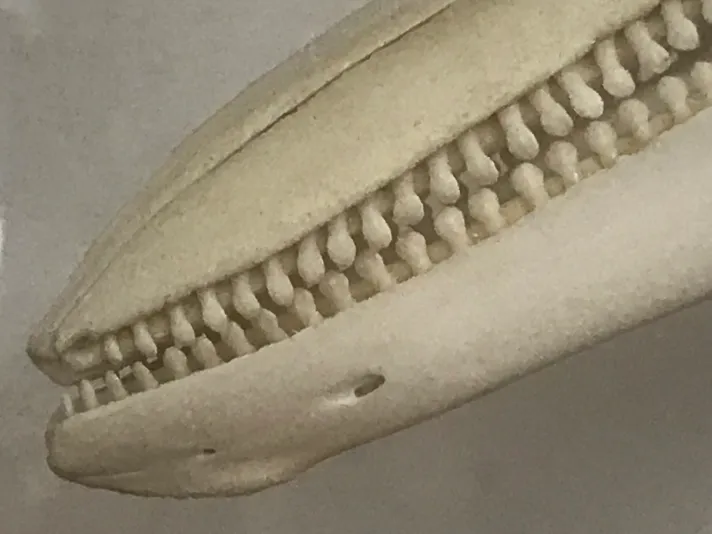
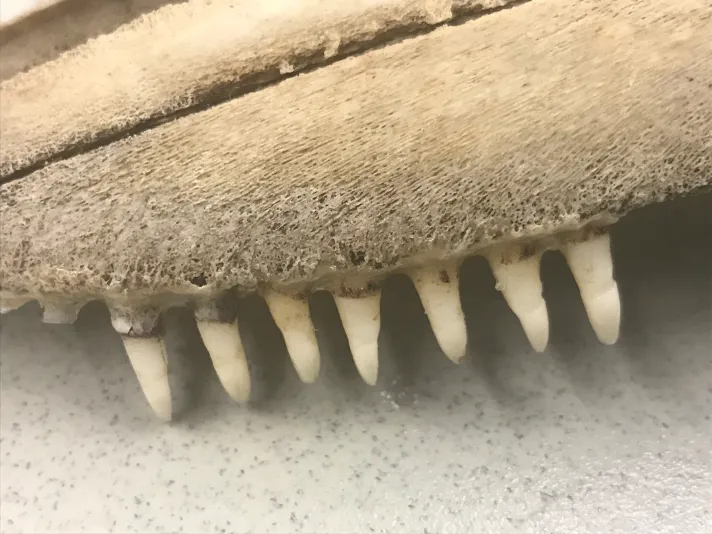
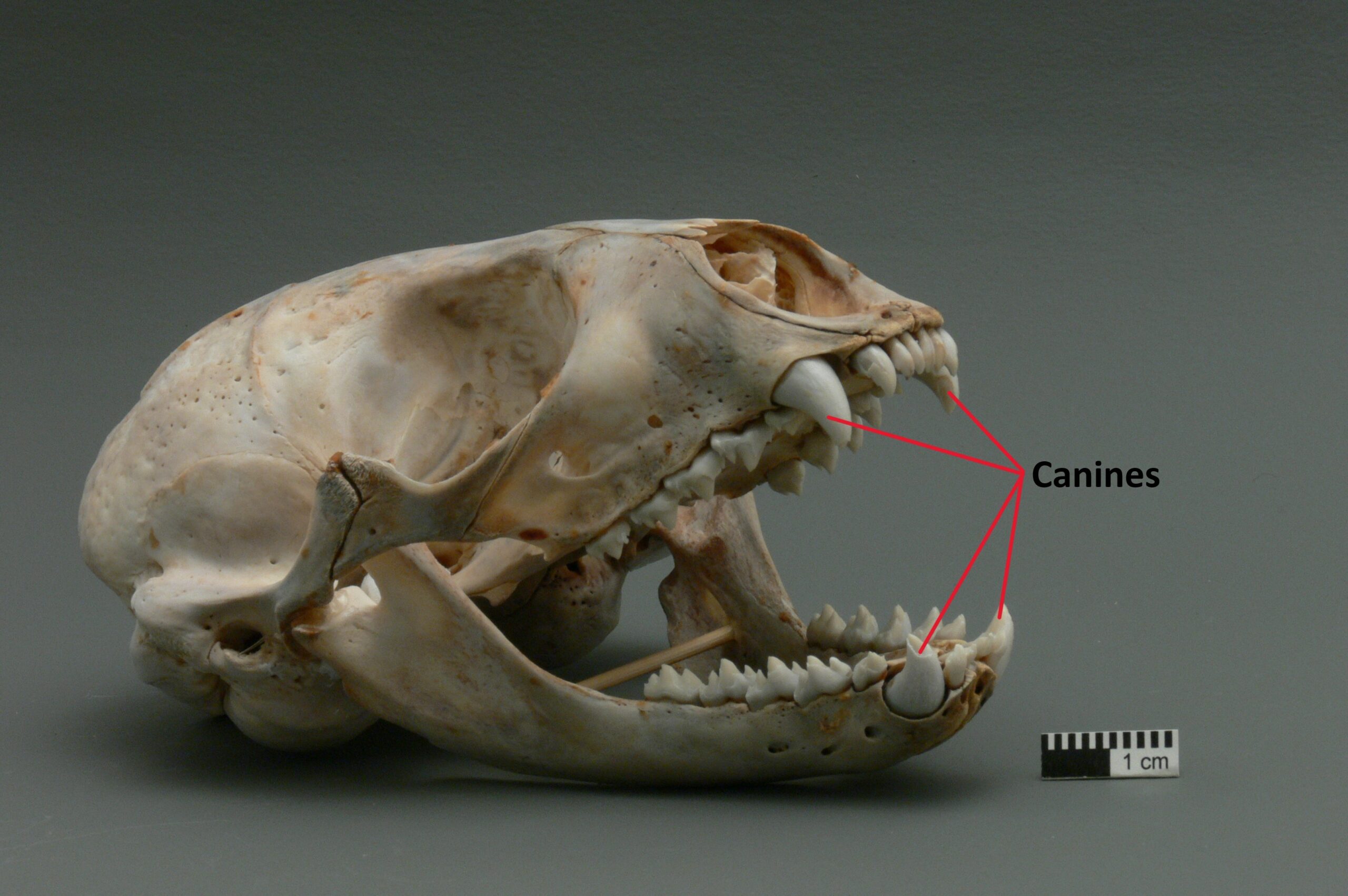
Narluga er ein kynblendingur millum ein náhval og ein hvítfisk. Í endanum av 1980’unum fekk ein grønlendskur veiðumaður eitt serstakt djór við gráari hvølvu, við bøkslum sum á hvítfiski og eini sveiv, sum líktist henni á náhvali. Skølturin bar brá av eginleikum frá báðum hvalasløgum, men mest eyðsýndi eginleikin vóru tenninar: 18 tenn, ið venda úteftir og sum kunnu týða á, at djórið búleikaðist niðri á botni og brúkti tenninar sum skuplu at róta í sandinum við. Ein DNA-kanning avdúkaði, at hetta var ein kallhvalur, sum var undan eini náhvalamammu og einum hvítfiskapápa.

 472 hvalur/ár miðaltal fyri 2019-2023
Ljóðheiti: Outi Tervo, Greenland Institute of Natural Resources
Hóttanir
Gransking
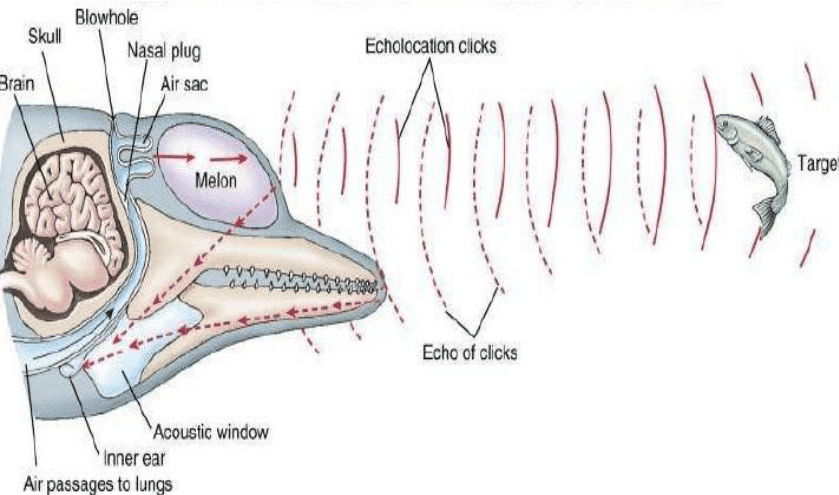
Narwhals are shy animals and live in hard-to-reach places, but Susanna B. Blackwell and her team recorded for the first time three types of sounds East Greenland narwhals make: clicks, buzzes, and calls. Clicks and buzzes are mainly used to find food via echolocation, but they also help with general navigation. Calls, on the other hand, are thought to be used for communication within a group. Studying acoustic recordings and diving patterns revealed that narwhals socialise close to the surface, while they feed at greater depths.
Why is this study important for narwhal management? As ice conditions change, the increase in shipping and exploration activities in the Arctic exposes narwhals to more noise. Studying narwhal communication is important to understand how their behaviour will be affected by noise pollution in a changing Arctic.
If you would like to read this fascinating study on narwhal vocalisation, check out this link:
https://journals.plos.org/plosone/article?id=10.1371/journal.pone.0198295.
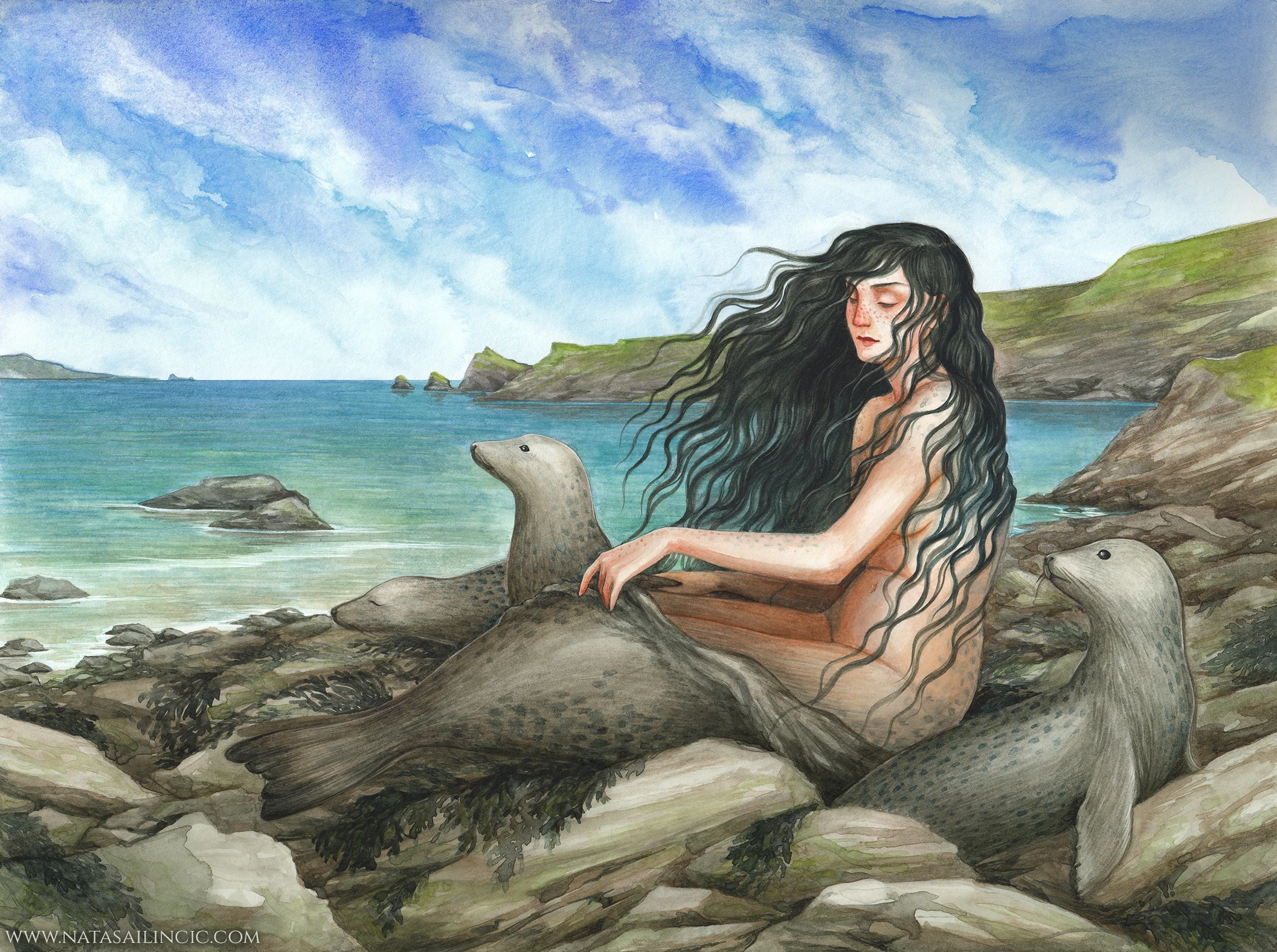
According to old Inuit myth, narwhals come from a woman with long hair that was twisted and plaided to resemble a tusk! Like many other myths, this one also has many versions, but they have somethings in common
The story goes:
Mother had a daughter and a blind son. She didn't treat them equally, but rather preferring daughter over her son. When he got older, son regained his sight and realised just how bad his mother treated him.
One day he was pretending to help his mother to catch a beluga whale. He gave her a line of harpoon to hold, and he hit the biggest beluga of the pod. The beluga pulled his mother under the sea and as she was struggling to free herself, her hair twisted into a horn. She was transformed into a narwhal and swam away with the beluga pod.