- Skjórutur springari
- Aarluarsuk
- Leiftur
- Kvitskjeving
- Atlantic white-sided dolphin

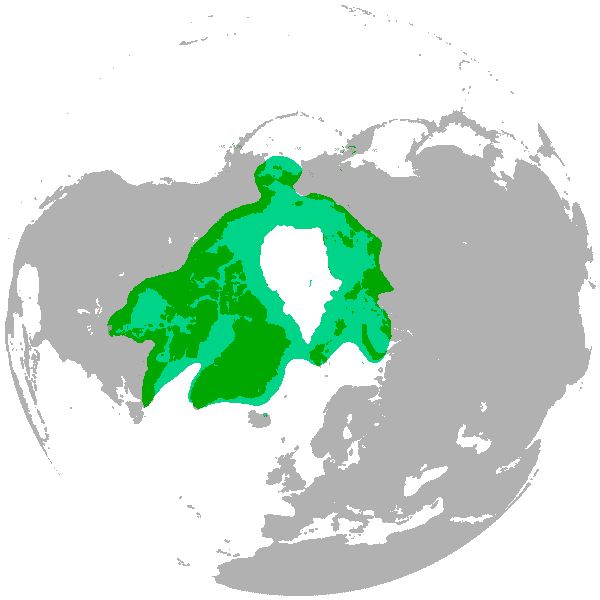
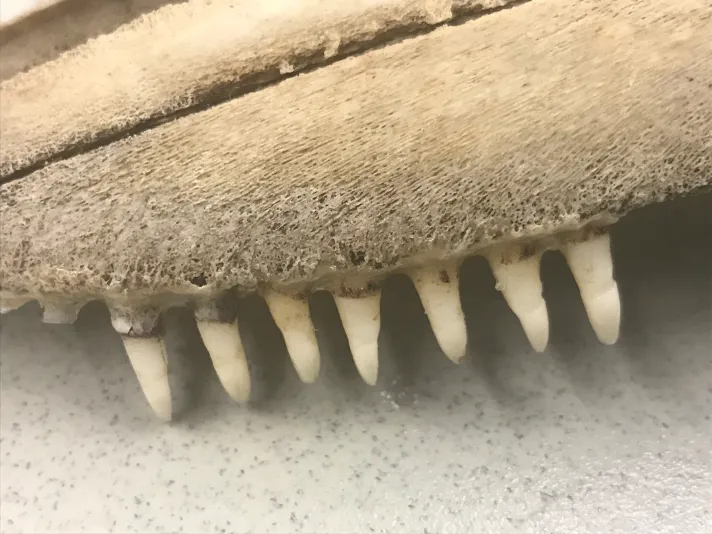
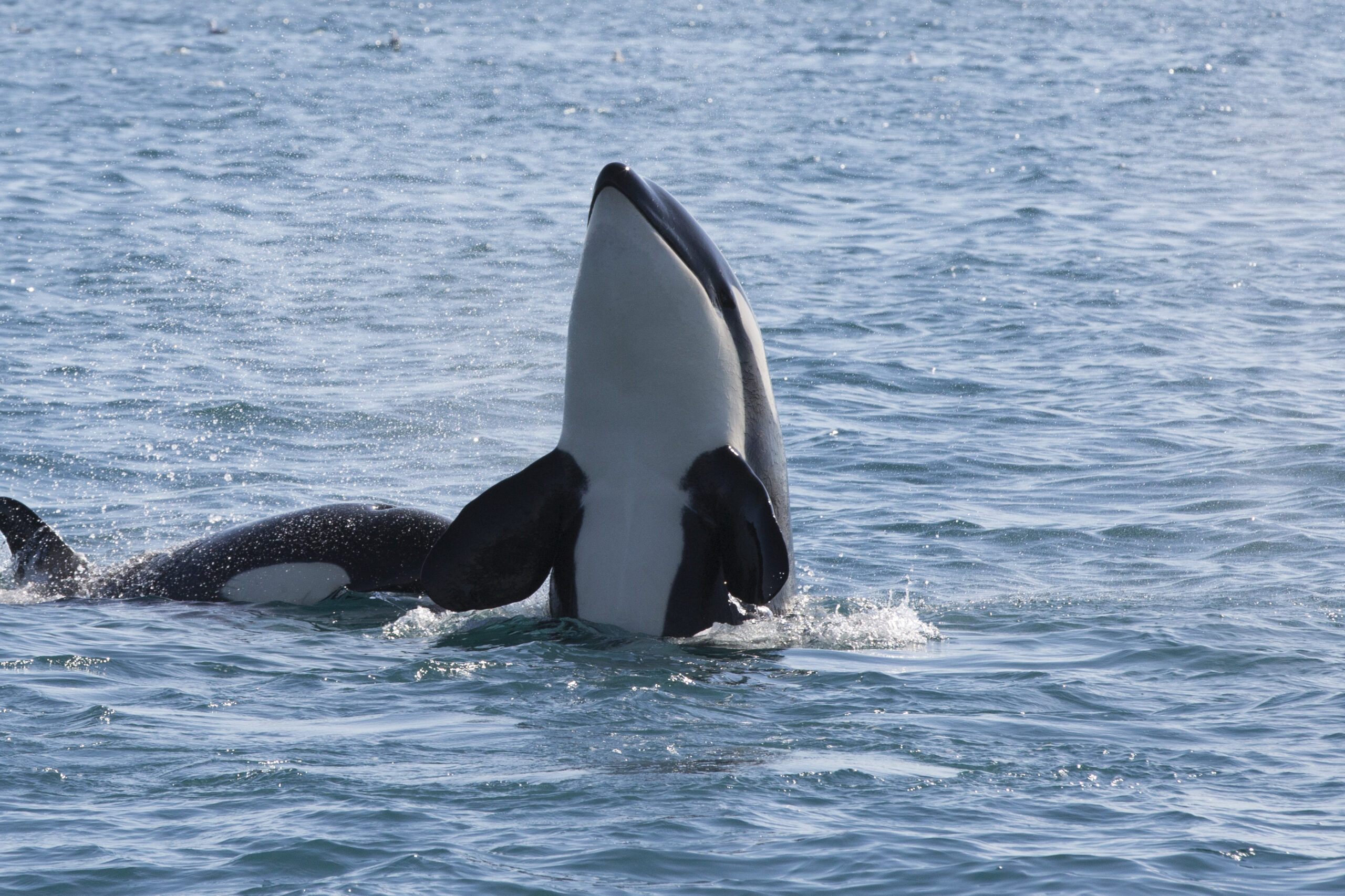
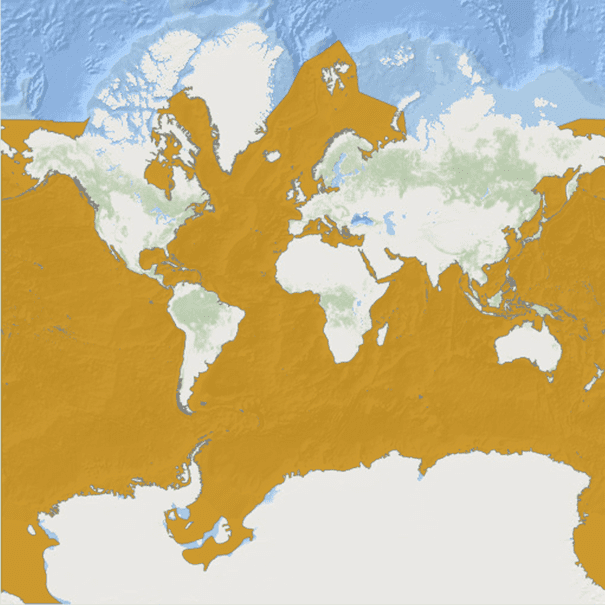
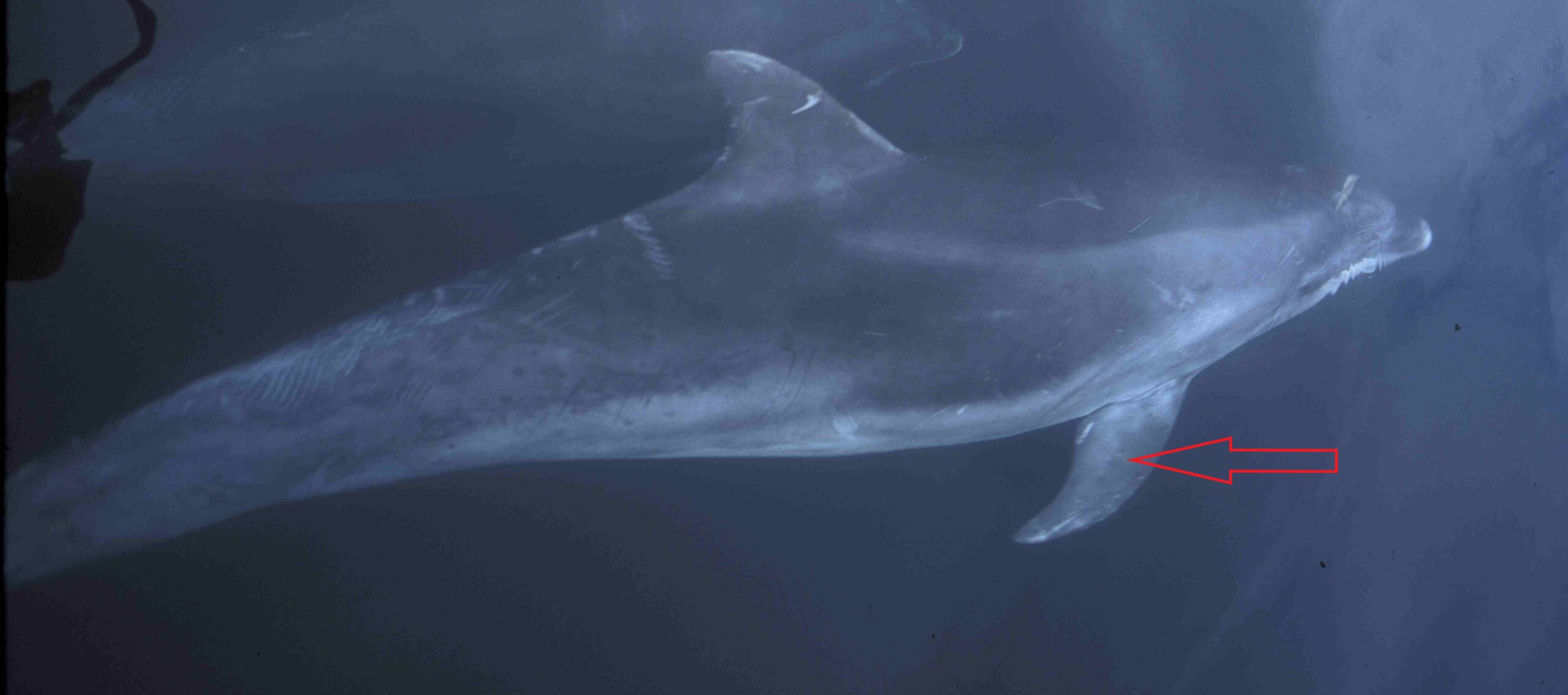
Hvidskævingen er en stor og robust delfin med en kort, tyk snude og en høj, kraftigt buet rygfinne. Denne delfin er mere farverig end de fleste andre delfinarter. Den hedder en hvidskæving, fordi den er hvid langs siderne, men den har også flere karakteristiske farvede felter af lys- og mørkegrå, sort og gul. Den er hjemmehørende i det nordlige Atlanterhav, hvor den lever i kølige til tempererede pelagiske farvande, helst i områder over stejle skråninger og kløfter. Hvidskævinger foretager ikke sæsonbestemte vandringer, men er meget mobile inden for deres udbredelsesområder, da de følger deres byttedyr. Faktisk rejste satellitmærkede hvidskævinger ved Færøerne til Island og Grønland inden for få dage!
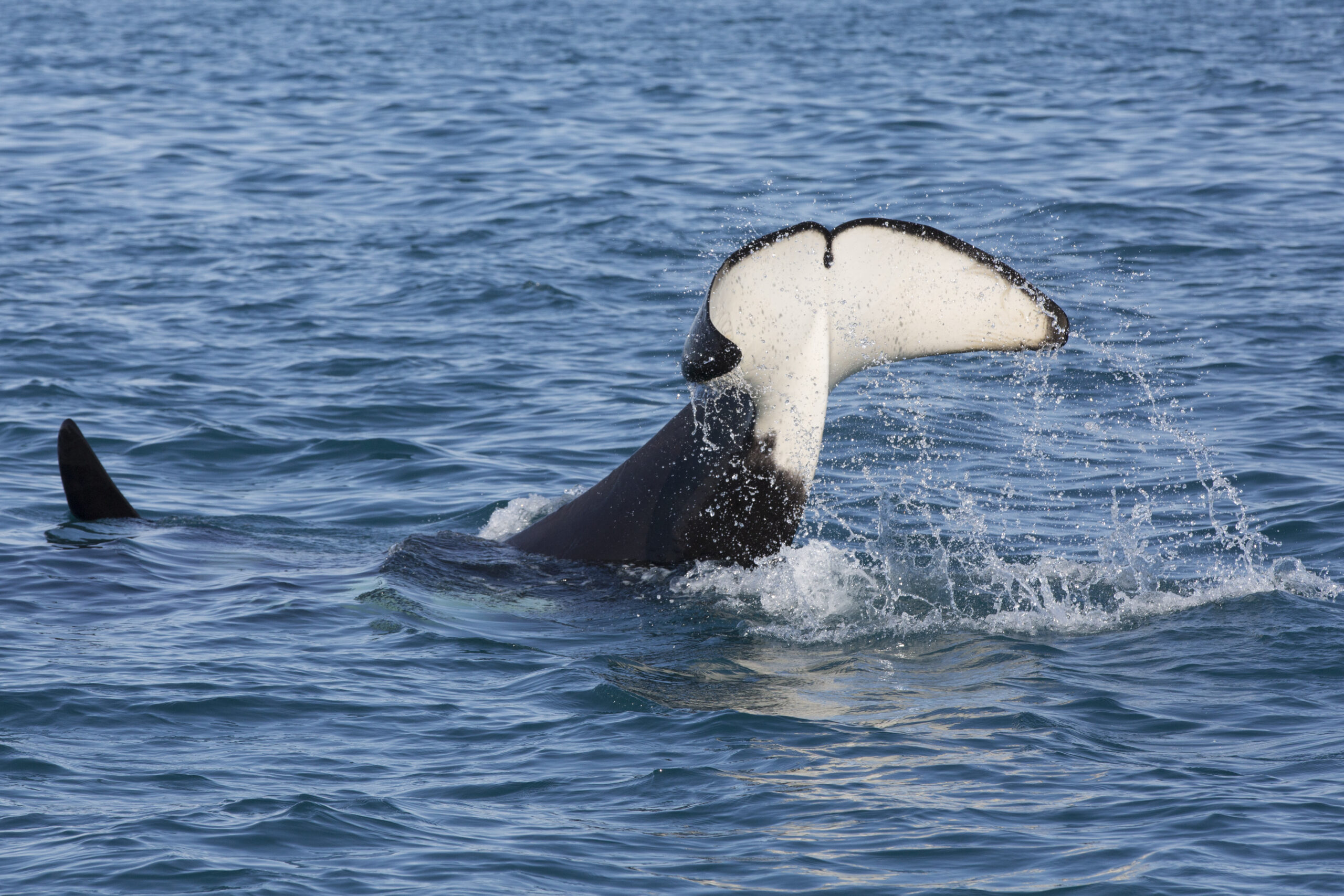
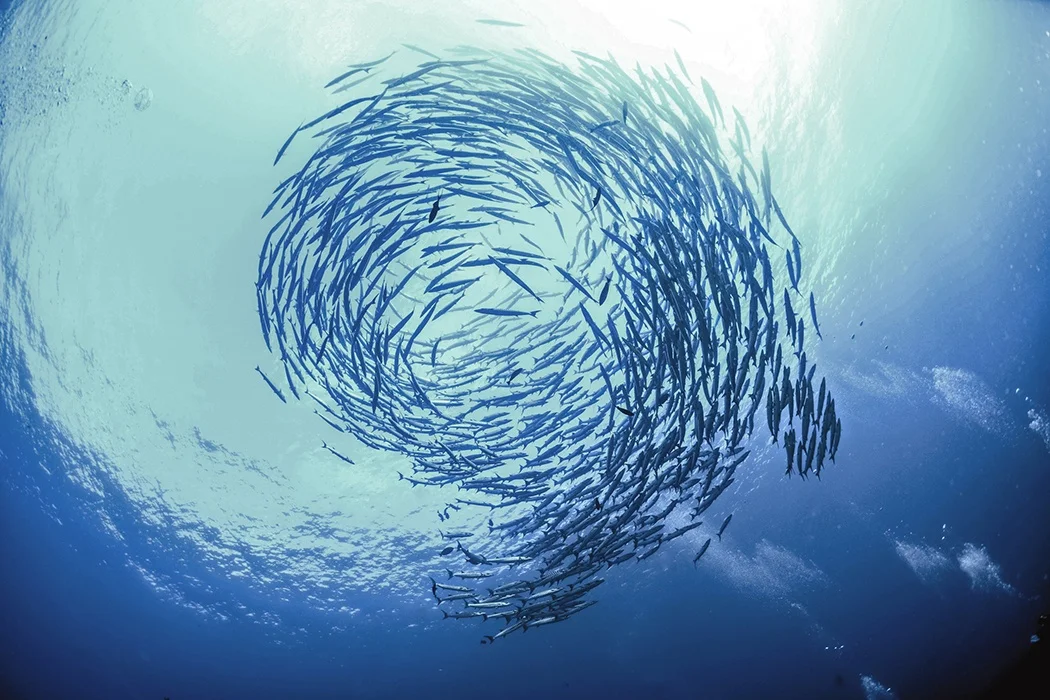
Hvidskævinger er sociale, legesyge, temmelig akrobatiske og ivrige efter at interagere med både. De bevæger sig ofte i store flokke og ses ofte over vandet, når de bevæger sig fra sted til sted. Individerne i flokkene er ikke nært beslægtede, men rejser samlet, fordi der er øget sikkerhed i at være flere. Flokkens størrelse varierer fra under hundrede til flere hundrede individer. Den gennemsnitlige flokstørrelse er omkring 50. De springer oftere op og bryder vandoverfladen, når de er i større grupper, så denne adfærd med at hoppe op af vandet kan have en social betydning. De har et bredt vokalt repertoire, som inkluderer hyl, fløjt, klik og summen, og de er mere vokale, når de er sammen med andre hvidskævinger.

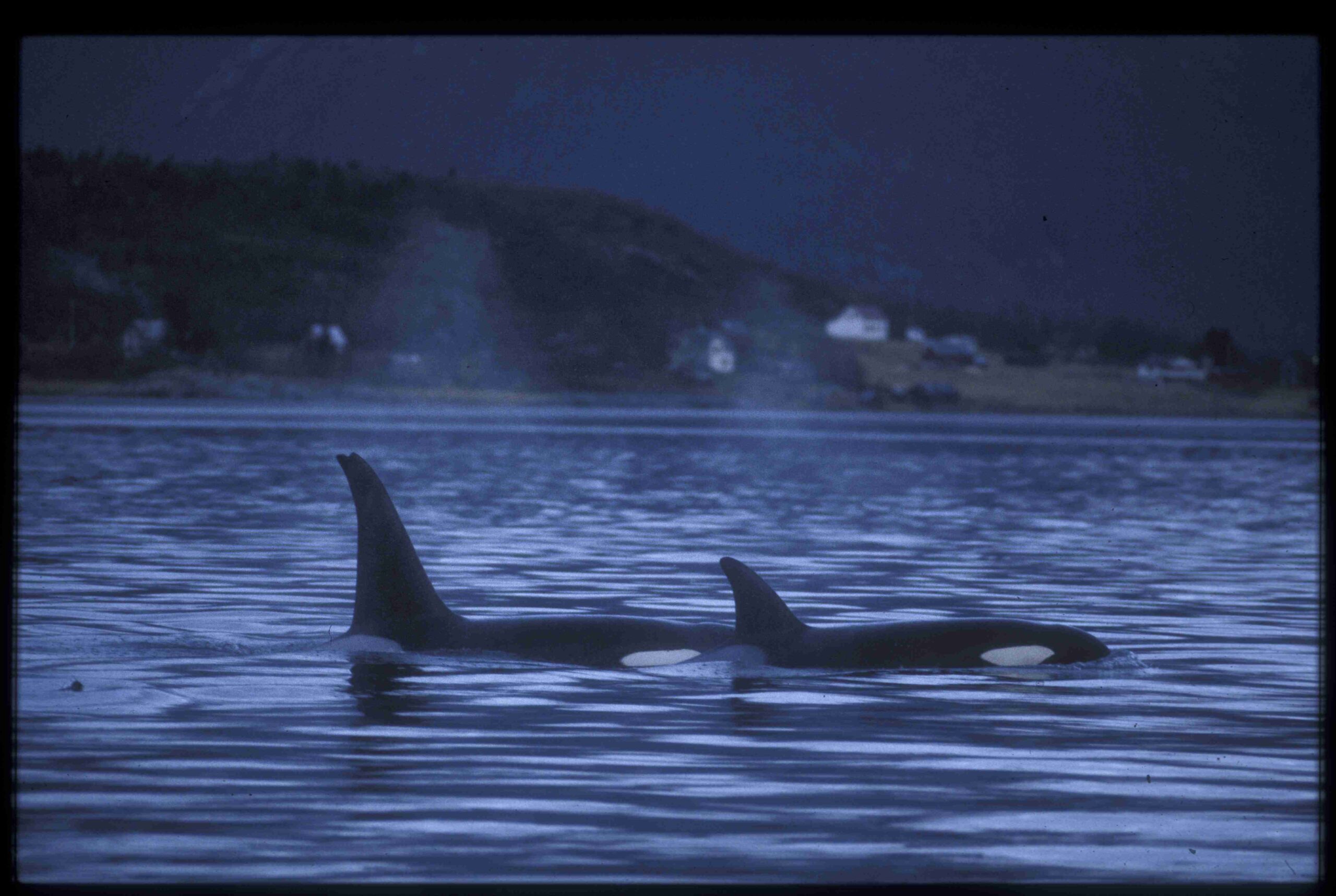
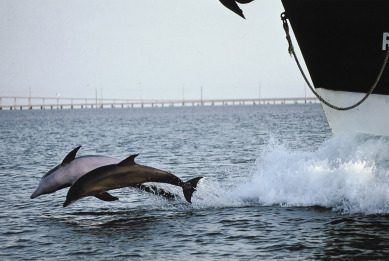
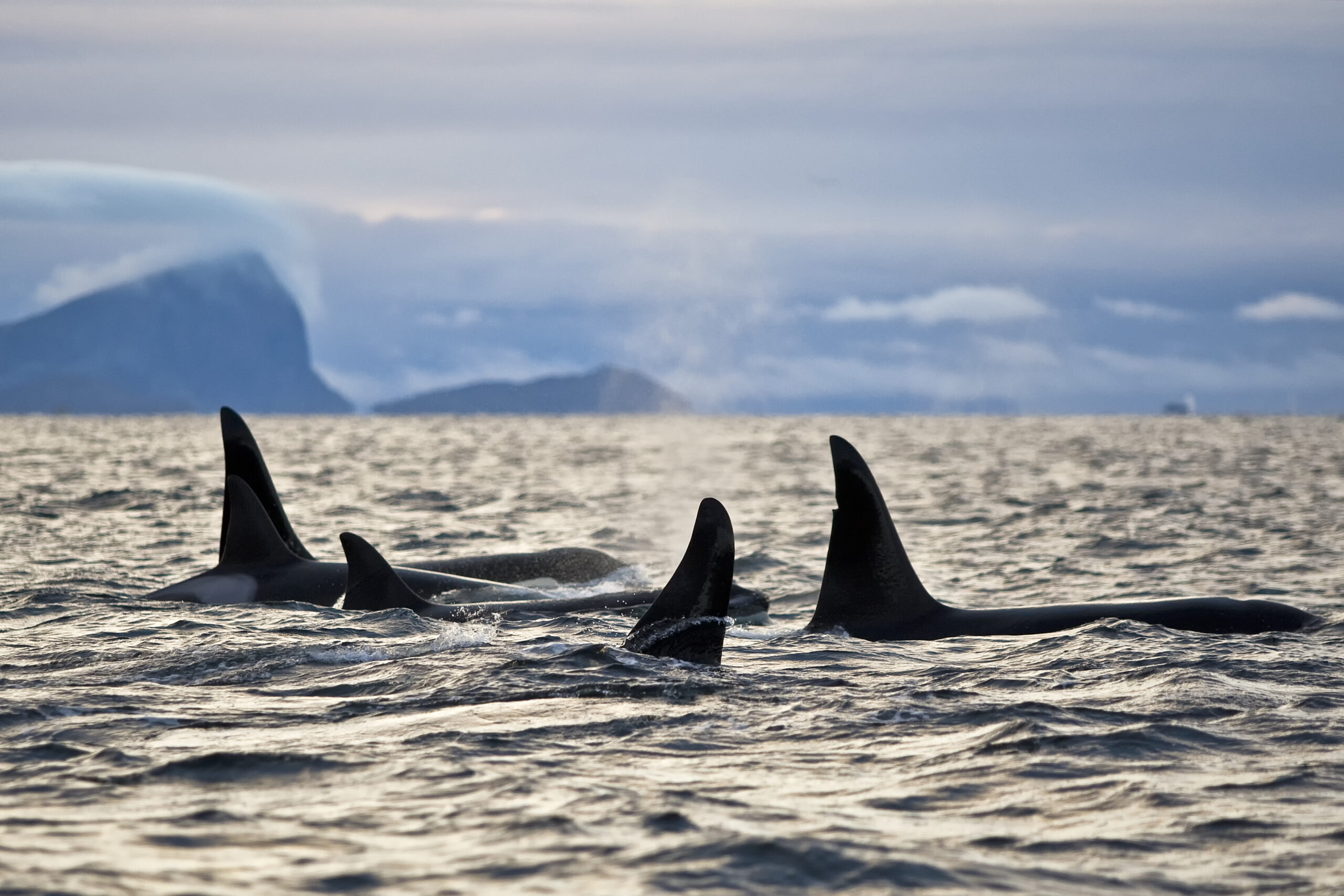
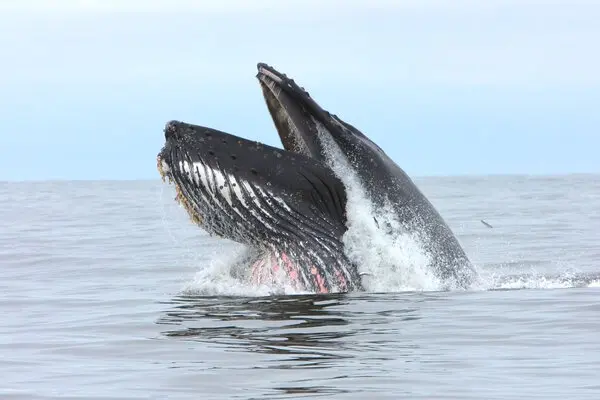
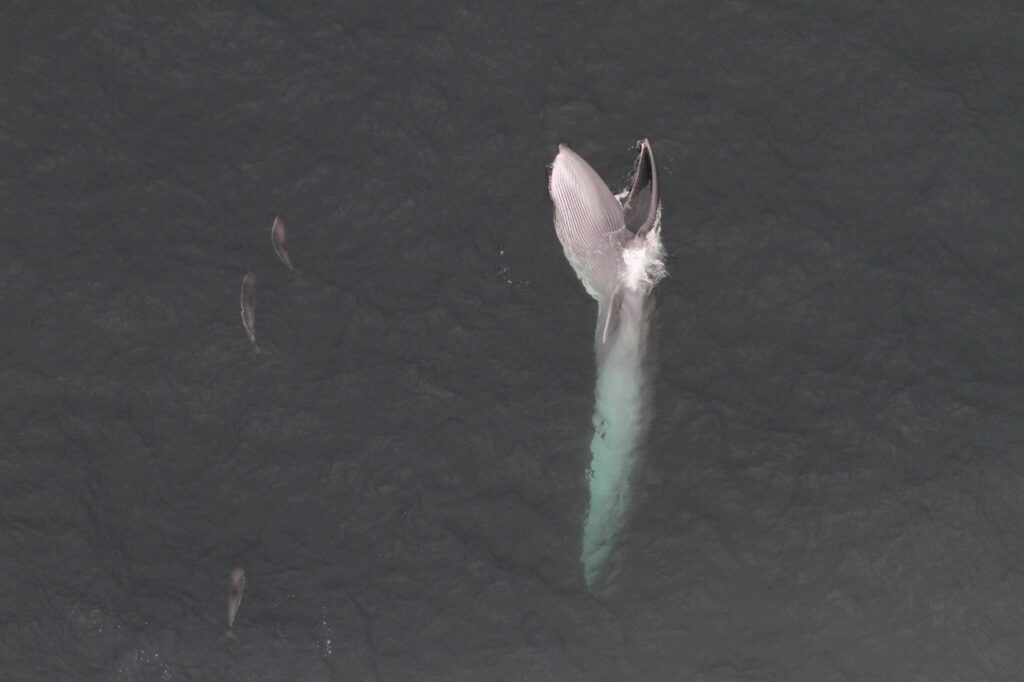
Hvidskævinger kan let forveksles med hvidnæser, da deres levesteder overlapper betydeligt. Dog er hvidskævinger mindre og mere farverige med deres karakteristiske hvide og gule striber på siden. De ses ofte sammen med andre hvaler såsom fin-, pukkel- og grindehvaler, og de rider endda på større hvalers bovbølge, ligesom de gør med både. De er blevet observeret angribe marsvin, ligesom næbdelfiner også er kendt for at gøre.
Referencer
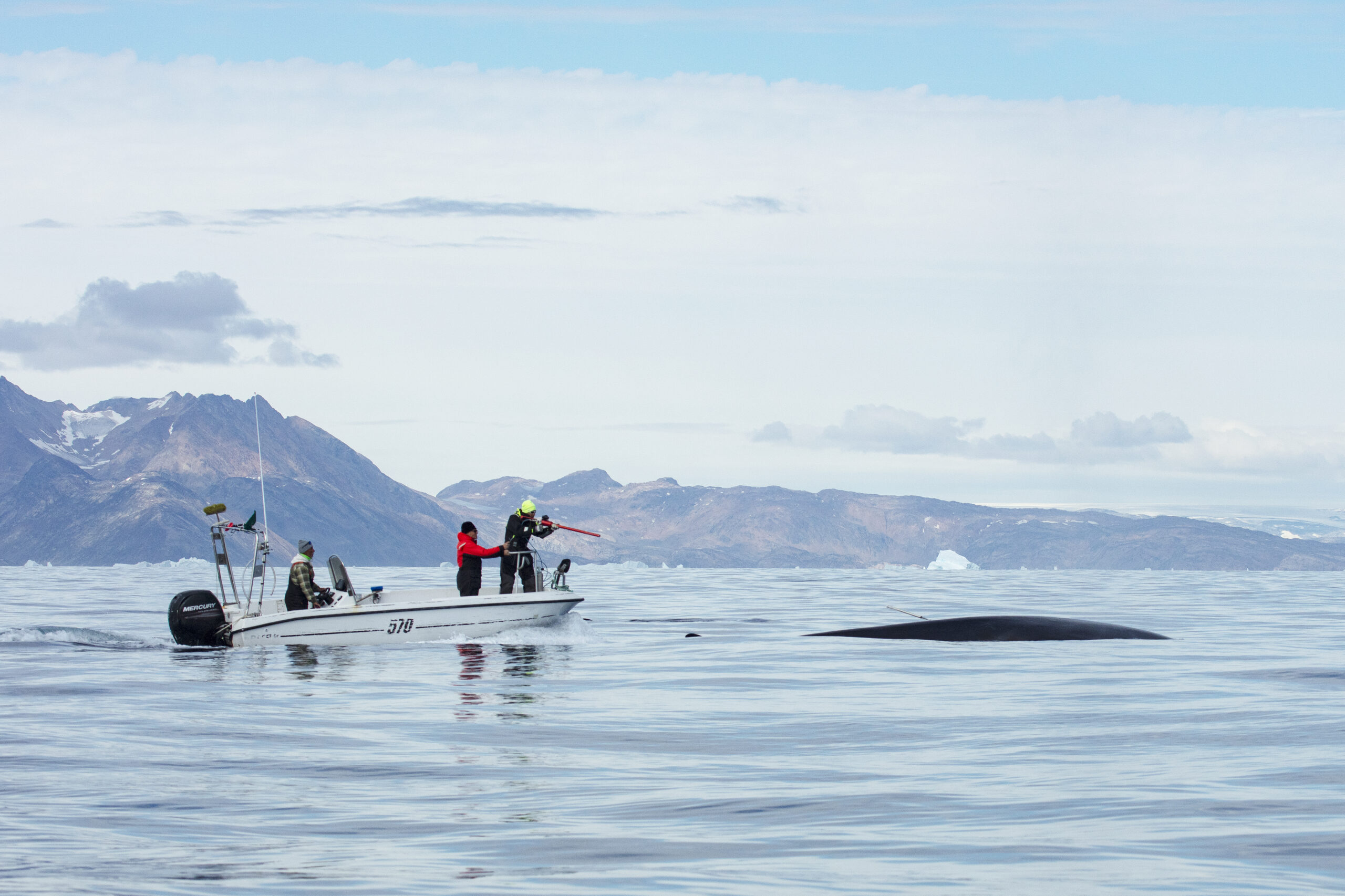
*Fangster af hvidnæset og hvidskæving blev rapporteret samlet i Grønland frem til 2023.
Udvokset længde 2.5 meter
Udvokset vægt 230 kg
Maksimal alder 17-20 år
Spiser stimefisk, nogle blæksprutter
Gruppens størrelse 40-60
Rovdyr Spækhugger og hajer
IUCN-status ikke truet (2023)
Forekomst i Nordatlanten >200,000
 290 delfiner/år gennemsnit 2019-2023
 <50
<50Lydkreditering: NOAA [National Oceanic and Atmospheric Administration]. Passive Acoustics Group. 2021. White-sided dolphin. https://www.fisheries.noaa.gov/national/science-data/sounds-ocean
Trusler
Forskning
Forskning: Hvorfor tror du, at hvidskævinger ofte ses ride på bovbølgen fra både og endda fra store hvaler? Prøv at tænke på flere mulige forklaringer.