- Mastrarhvalir / Bóghvítuhvalir / Æðuhvalur / Rovhvalur
- Killer whale
- Háhyrningur
- Spekkhogger / Staurhval
- Fahkon
- Spækhugger
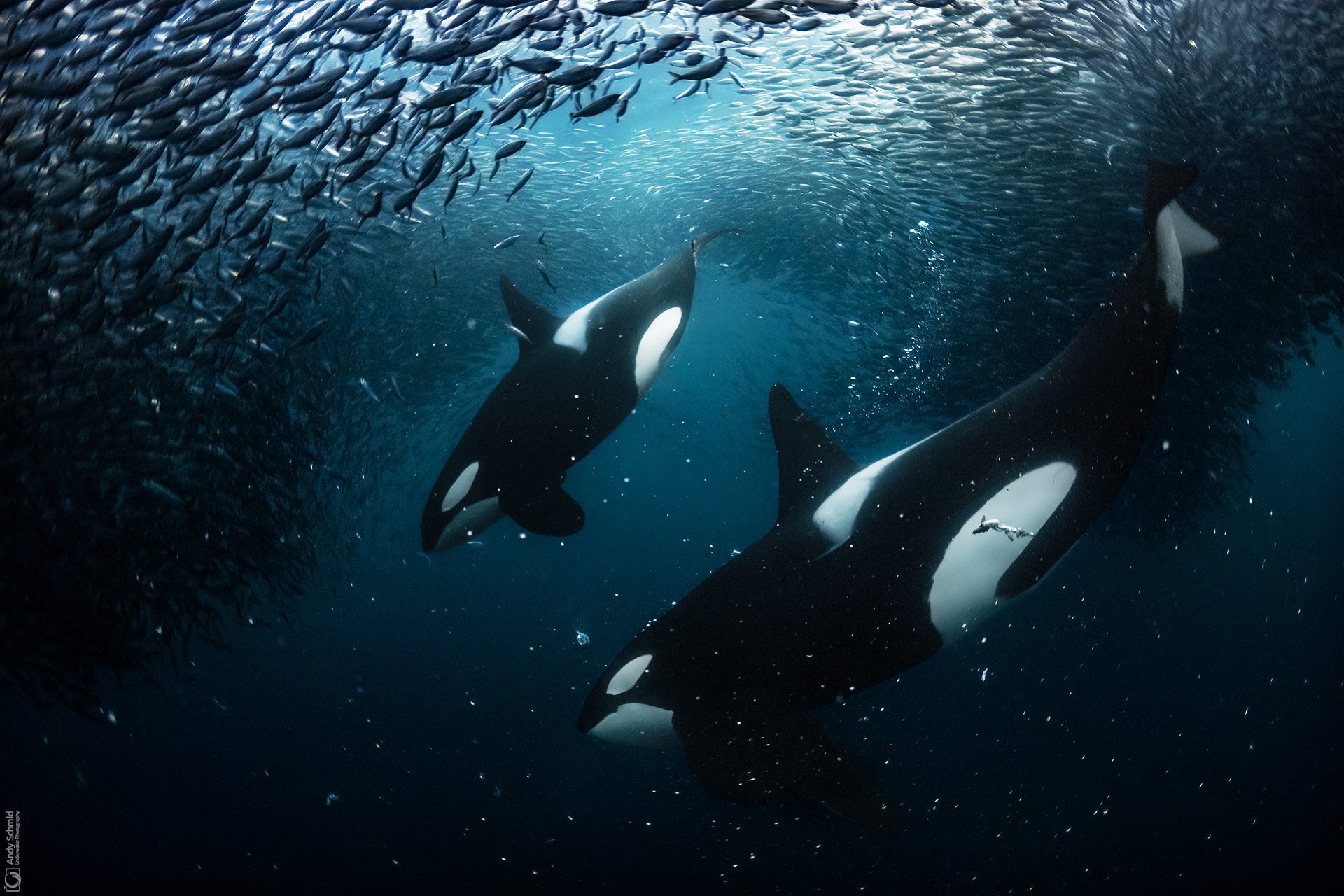
Killer whales, or orcas, are among the most well-known top predators in the marine environment. These remarkable animals are easily recognisable by their distinctive black and white colouring. As a cosmopolitan species, killer whales can be found in all the world’s oceans. Some killer whale populations feed exclusively on fish, such as salmon, while others specialise in hunting marine mammals, like seals or even other dolphins. These populations also employ highly specialised strategies to hunt their particular prey, showcasing the incredible adaptability of this species.
Killer whales are highly social animals, living in complex societies that have enabled different ecotypes to develop distinct “languages”, cultures, lifestyles, and even genomes. While the structure of the pods and the bonds between individuals can vary from one group to another, orcas typically live in pods ranging from a few to over 20 individuals, often spanning three to four related generations. These societies are matriarchal, with the oldest female serving as the pod‘s leader.
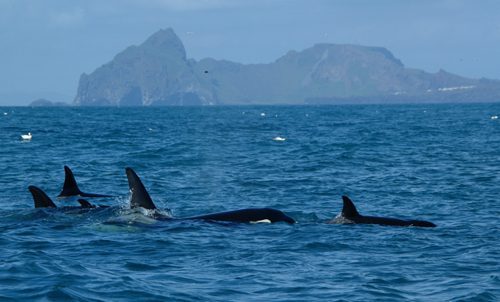
Because orcas share such strong bonds within the pods, they often engage in complex behaviours, such as cooperative hunting and playful interactions. They communicate not only with pod members but also with other pods using an array of clicks, whistles, and pulses, which can vary between different pods, reflecting the unique nature of each group. These vocalisations are distinct from one pod to another and allows family members to recognise themselves. Mother and calf pairs also have special clicks that could be considered as “names” to help them stay connected in big groups or in low visibility conditions.

The situation of harp seals in the Faroe Islands
We are working on this.
The situation of harp seals in Greenland
We are working on this.
The situation of harp seals in Iceland
We are working on this.
The situation of harp seals in Norway
We are working on this.
The situation of harp seals in Denmark
We are working on this.
Hunted in
 29 whales/year mean 2019-2023
Sound credit: University of Iceland’s Westman Islands Research Centre