- Døglingur
- Anarnaq
- Andarnefja
- Nordlig nebbhval
- Njunnefális
- Nordlig døgling
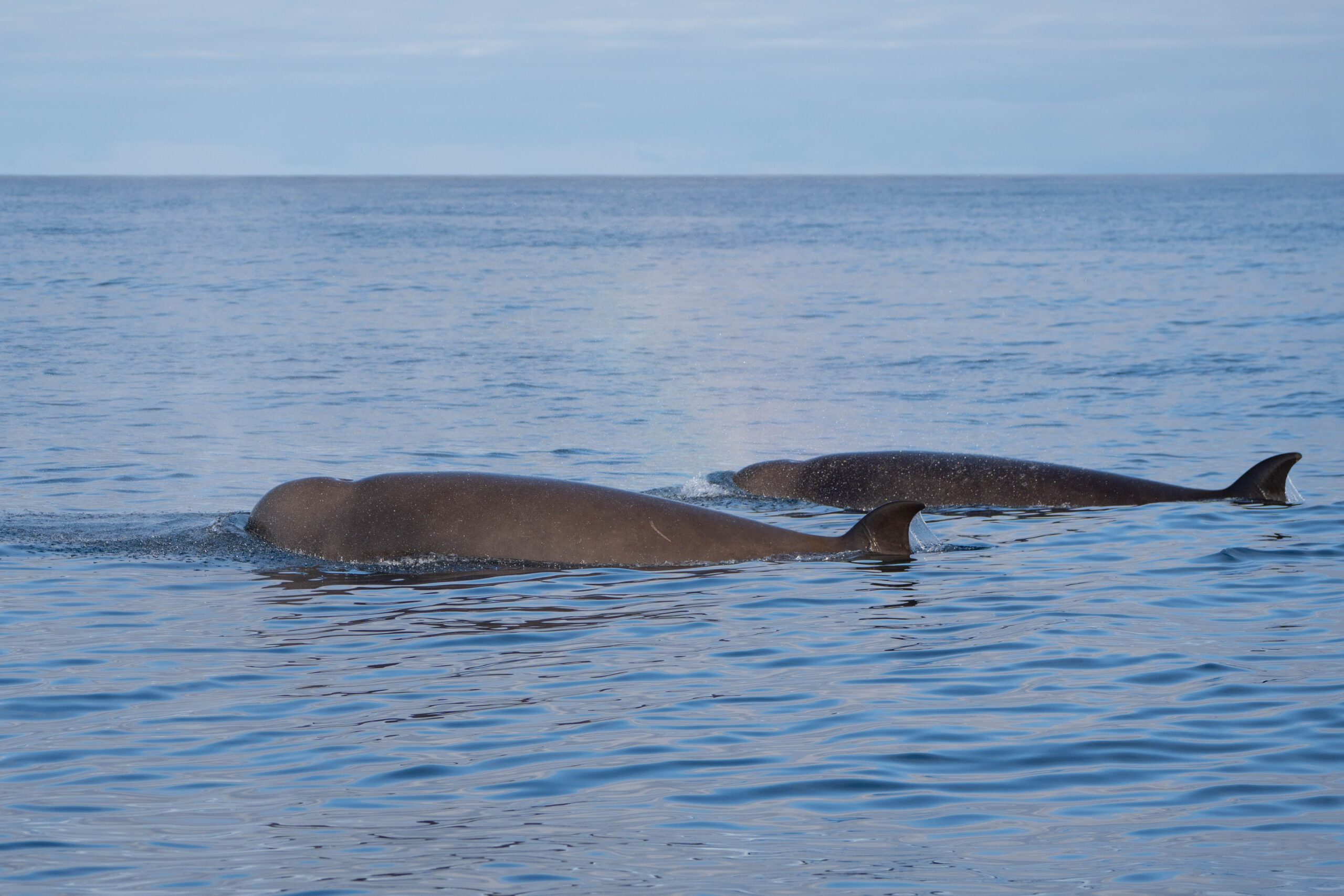
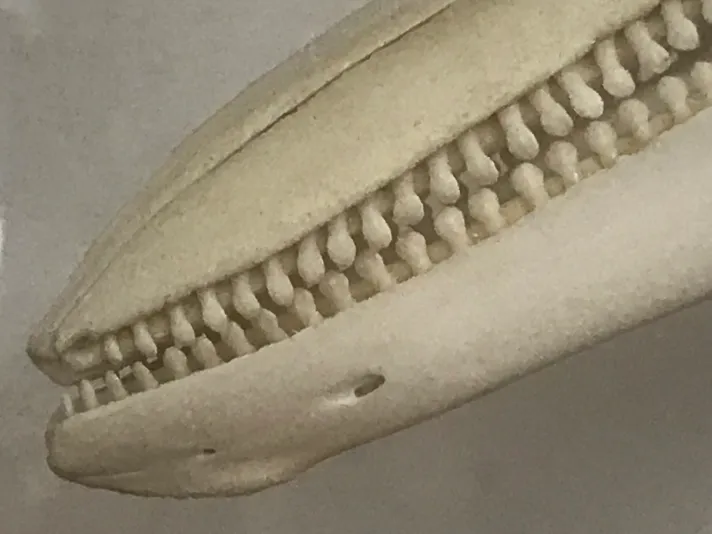
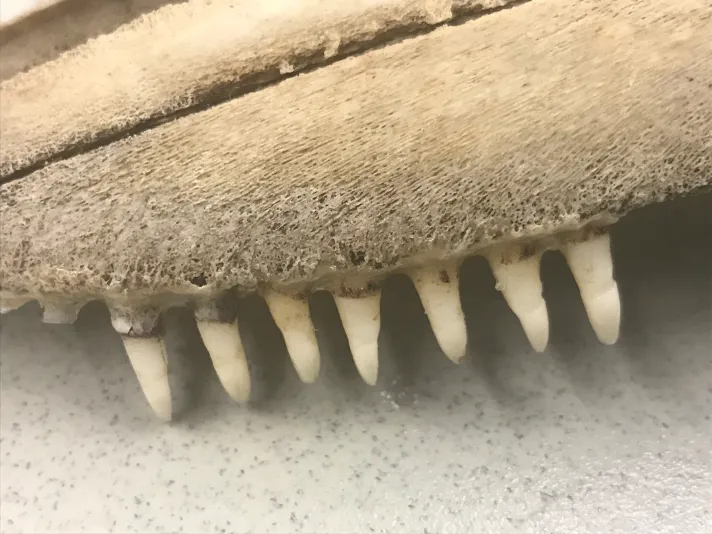
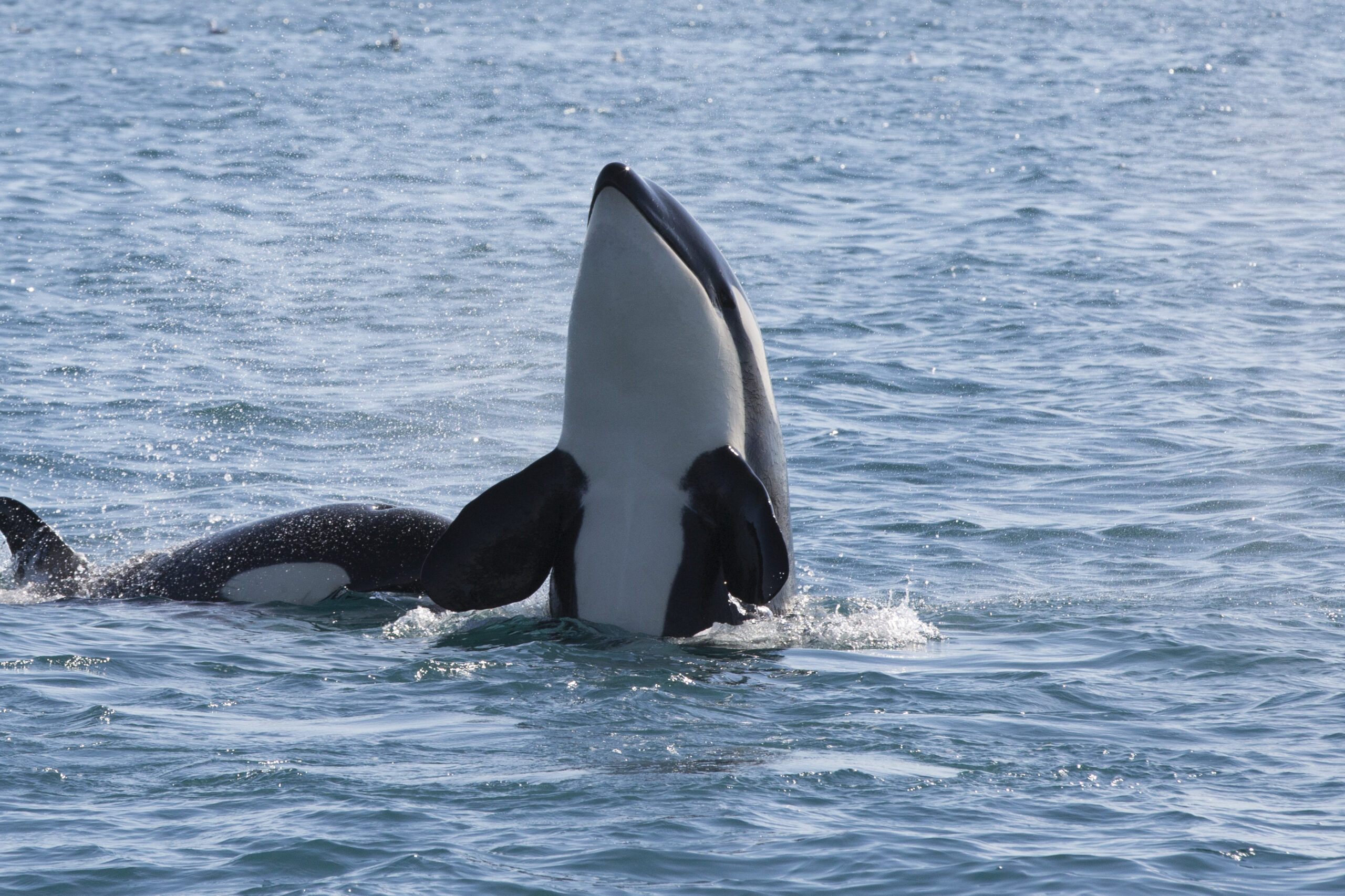
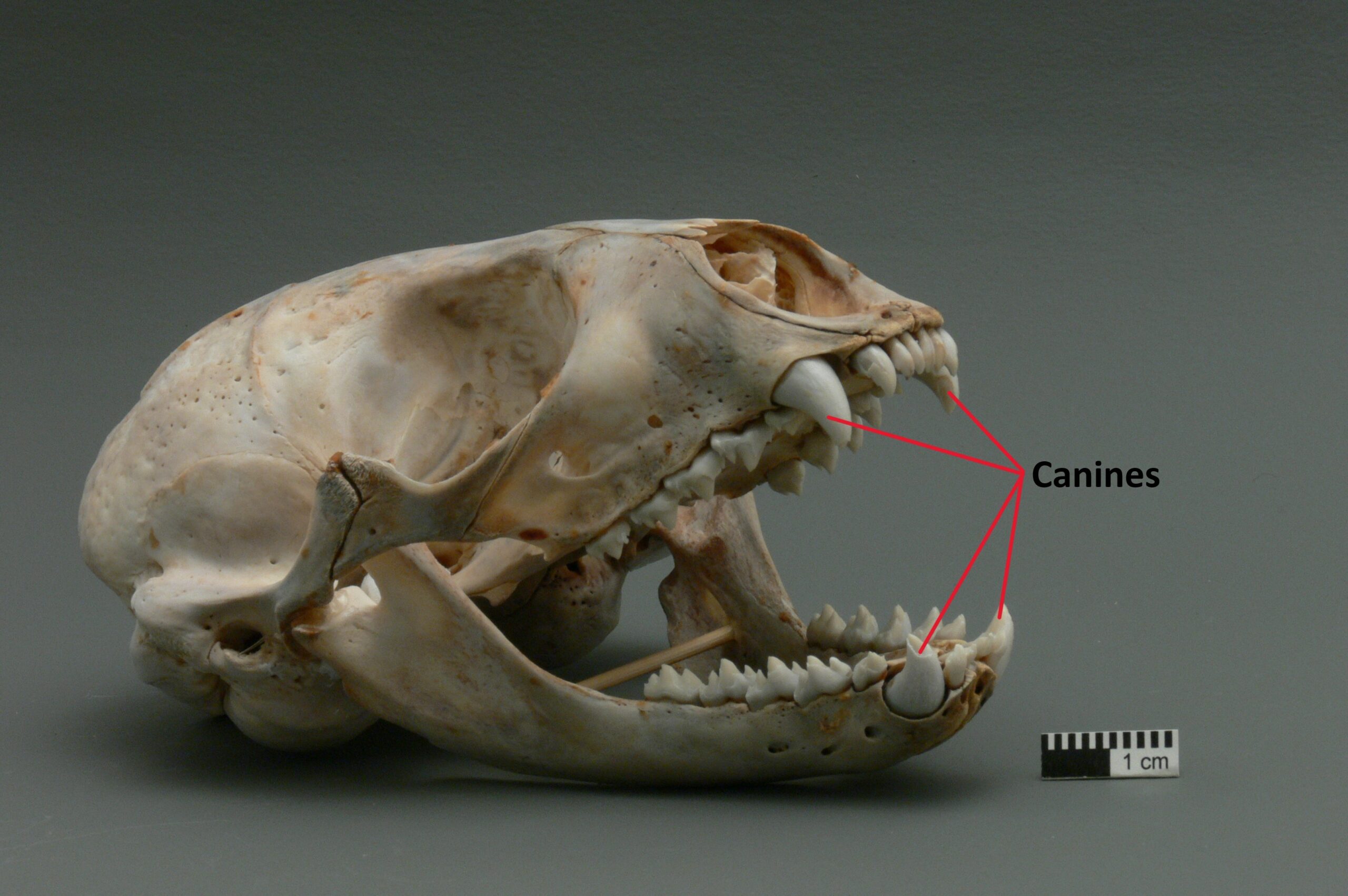
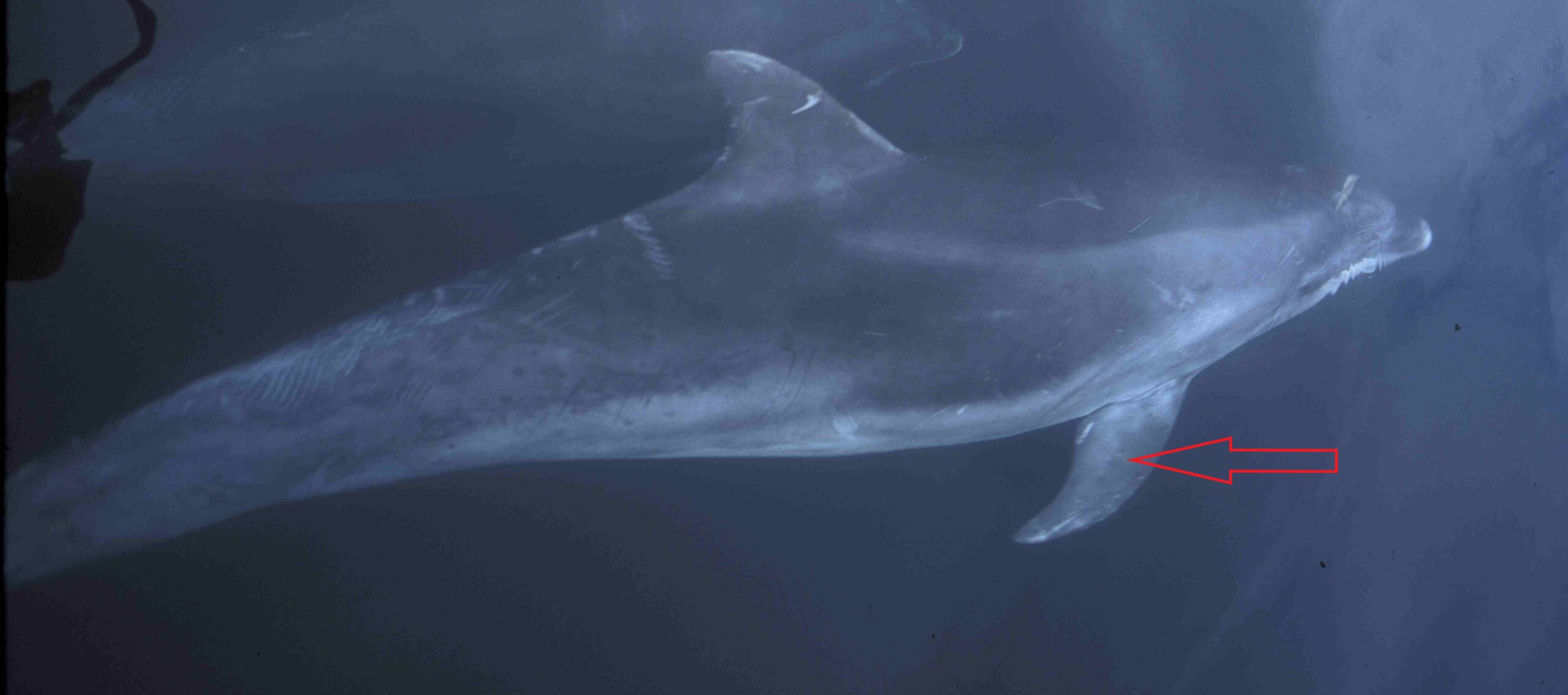
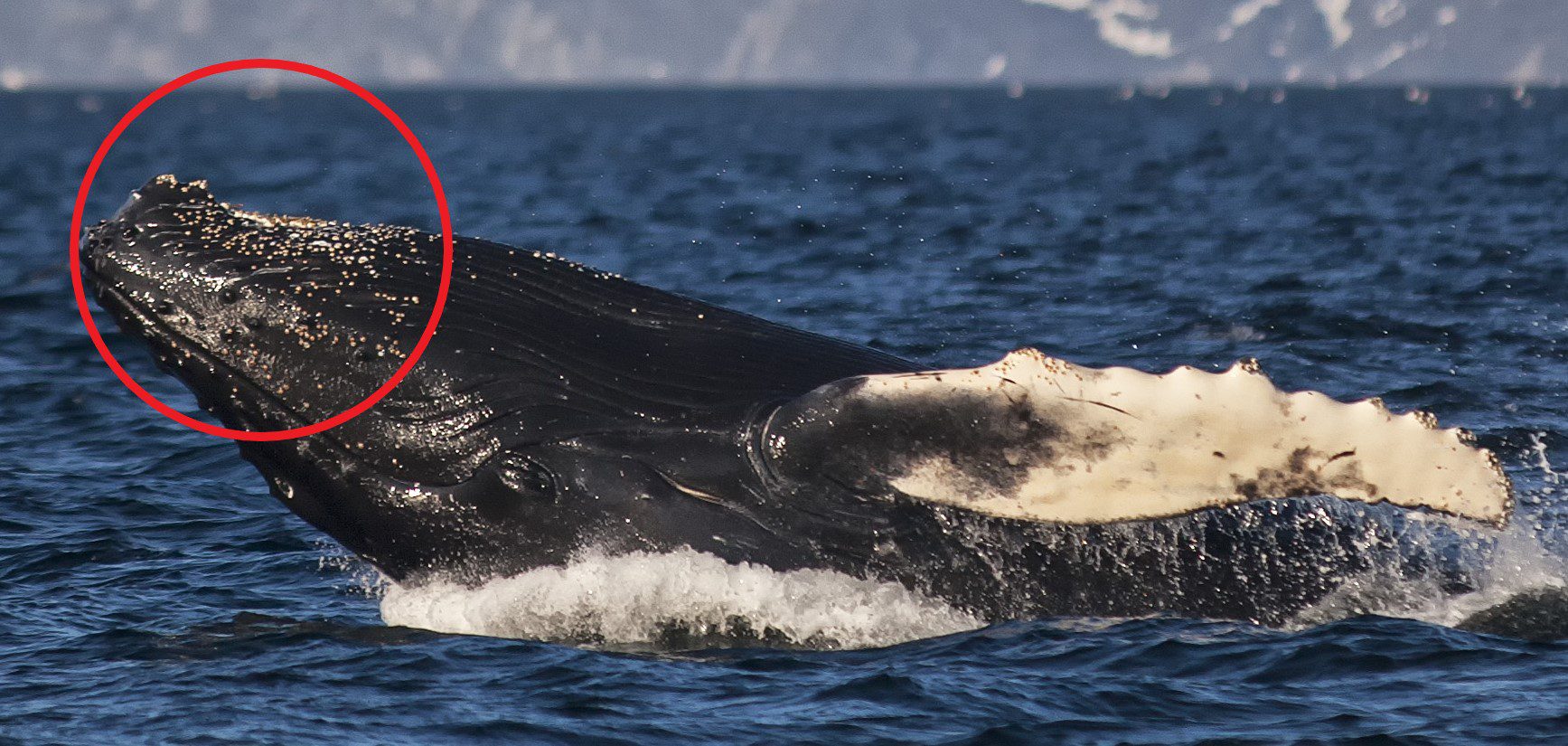
Male northern bottlenose whales have large, flat foreheads that contain extra dense bone. Scientists believe these features are used for head-butting [2]. In rare cases, two adult males have been seen swimming in circles and then charging straight at each other, hitting their heads together. This behaviour is thought to be a way for males to compete, possibly for mates, similar to how animals like deer or goats fight with their heads on land. The strong, reinforced foreheads in males are likely adapted for this, while females have rounder, softer heads. They may not have antlers, but their strong skulls do a similar job!

Naleqqiussat
[1] Miller, P.J.O., Kvadsheim, P.H., Lam, F.P.A., Tyack, P.L., Curé, C., DeRuiter, S.L., Kleivane, L., Sivle, L.D.,van IJsselmuide,S.P., Visser, F.,Wensveen,P.J., von Benda-Beckmann,A.M., Martín López, L.M., Narazaki, T. and Hooker, S.K. (2015). First indications that northern bottlenose whales are sensitive to behavioural disturbance from anthropogenic noise. Royal Society Open Science, 2(6), 140484. http://dx.doi.org/10.1098/rsos.140484
[2] Gowans, S., & Rendell, L. (2006). Head-butting in Northern Bottlenose Whales (Hyperoodon ampullatus): a possible function for big heads? Marine Mammal Science, 15(4), 1342-1350. https://doi.org/10.1111/j.1748-7692.1999.tb00896.x
 4 whales/year mean 2019-2023
Nipi uannga: University of Iceland’s Westman Islands Research Centre