Takornariaqarneq

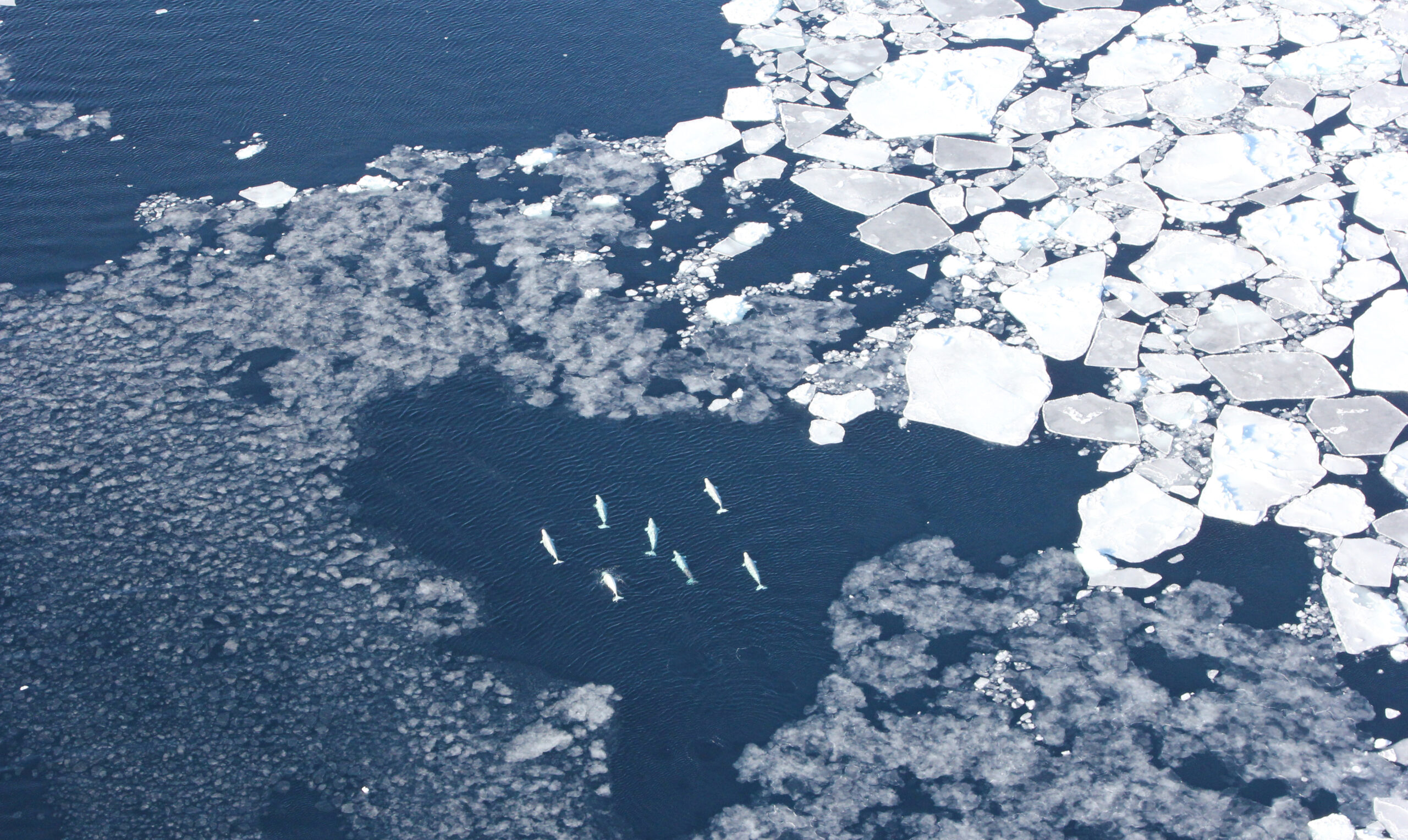
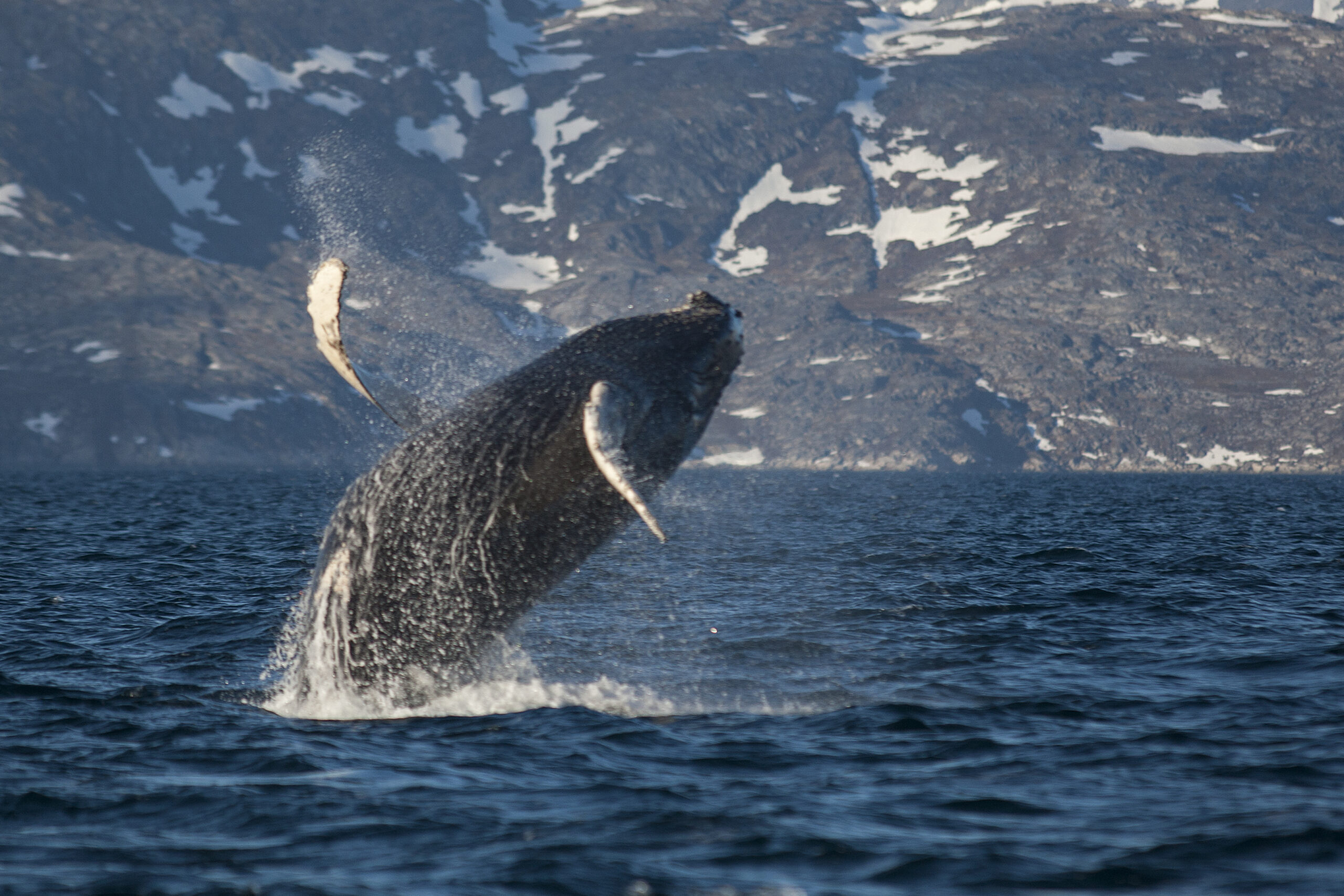
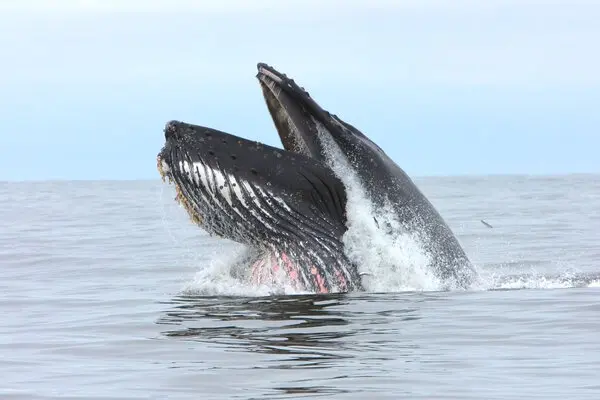
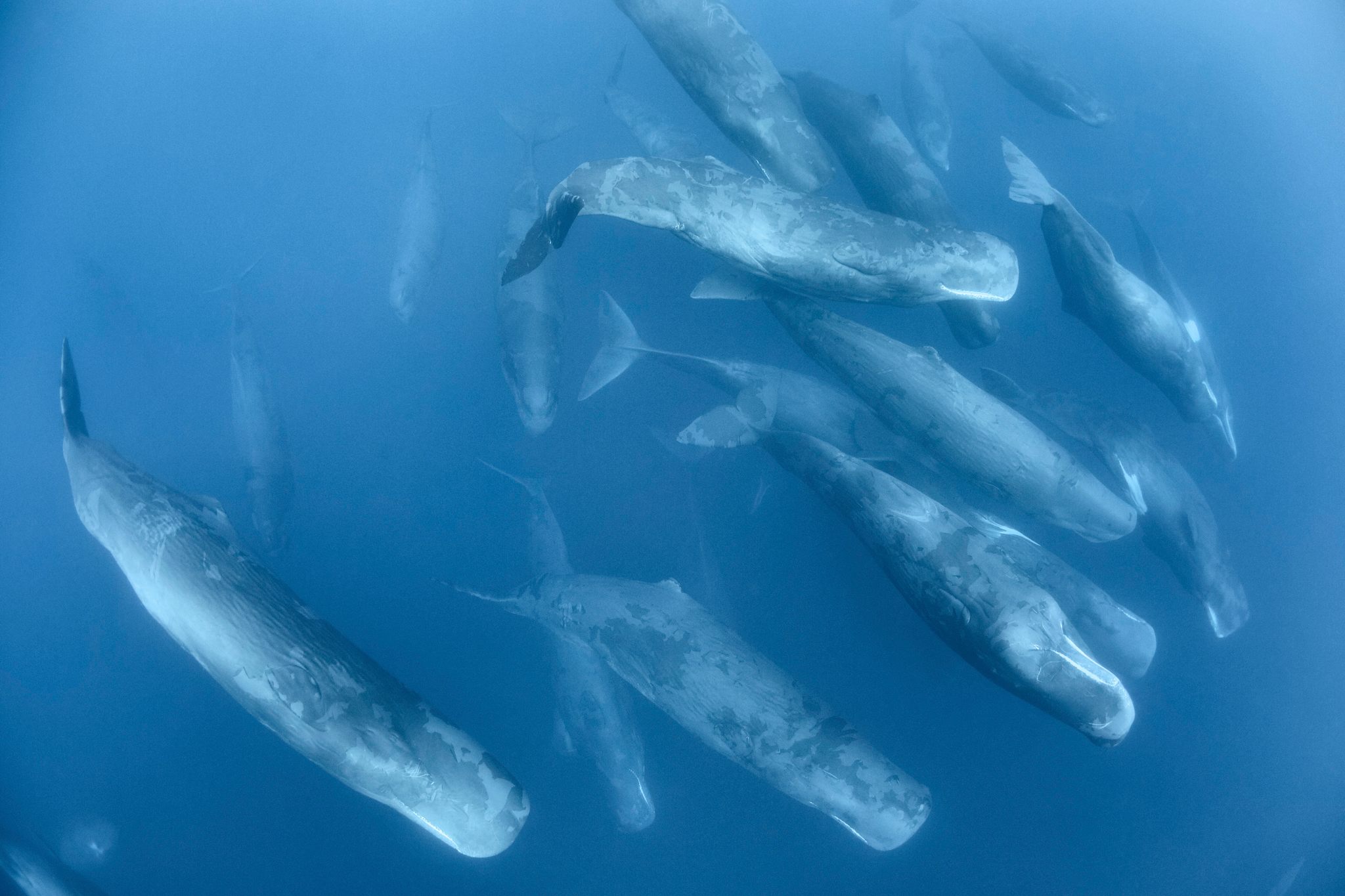
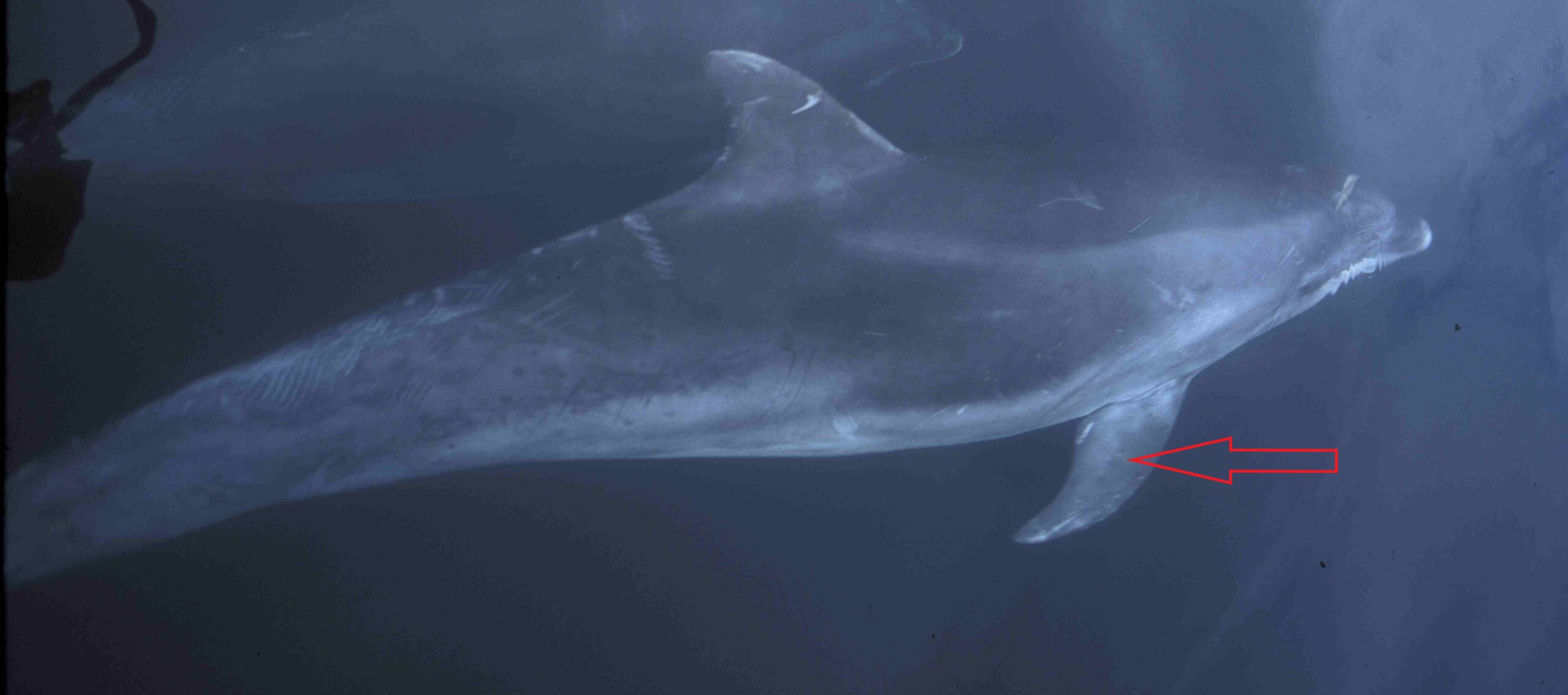
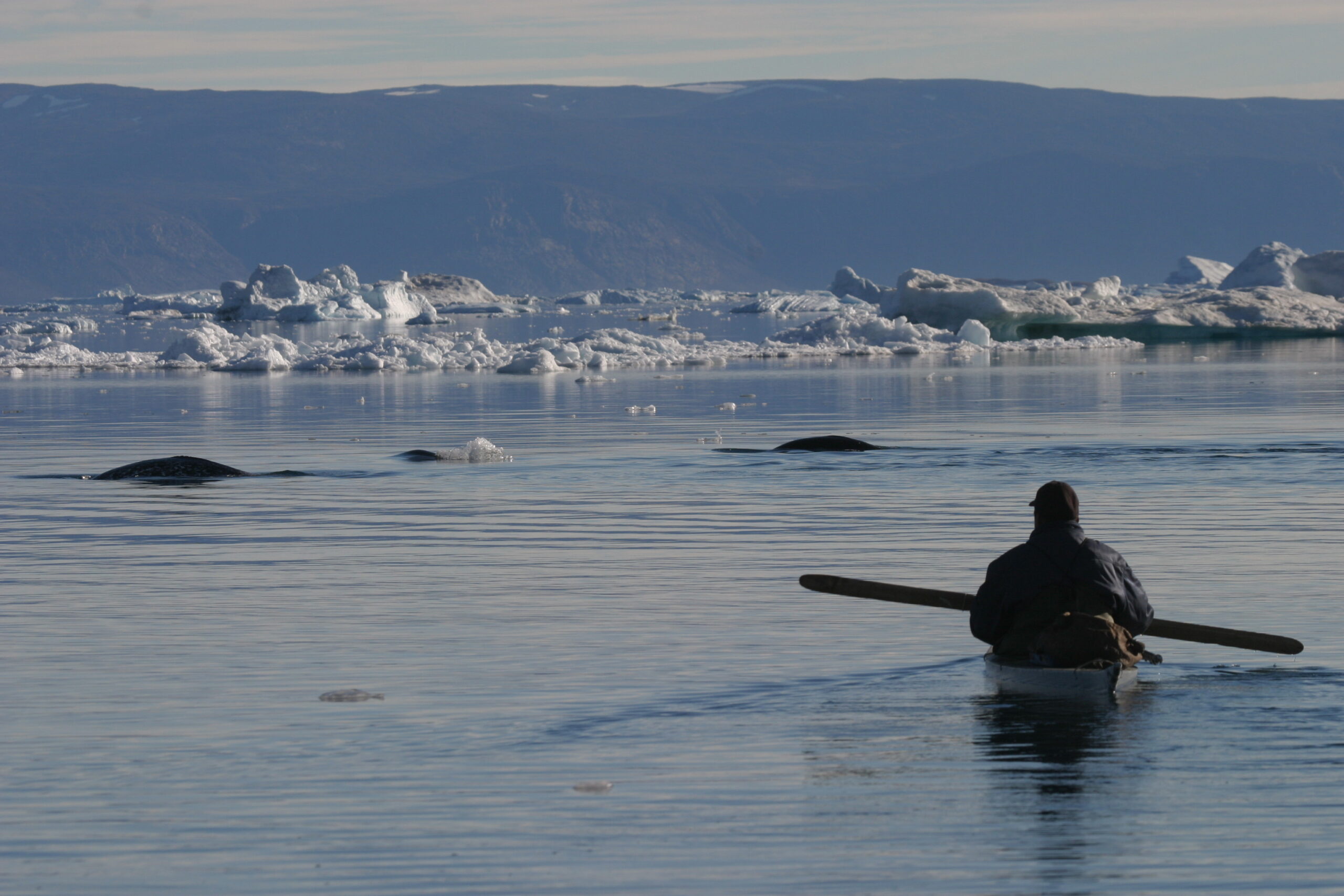
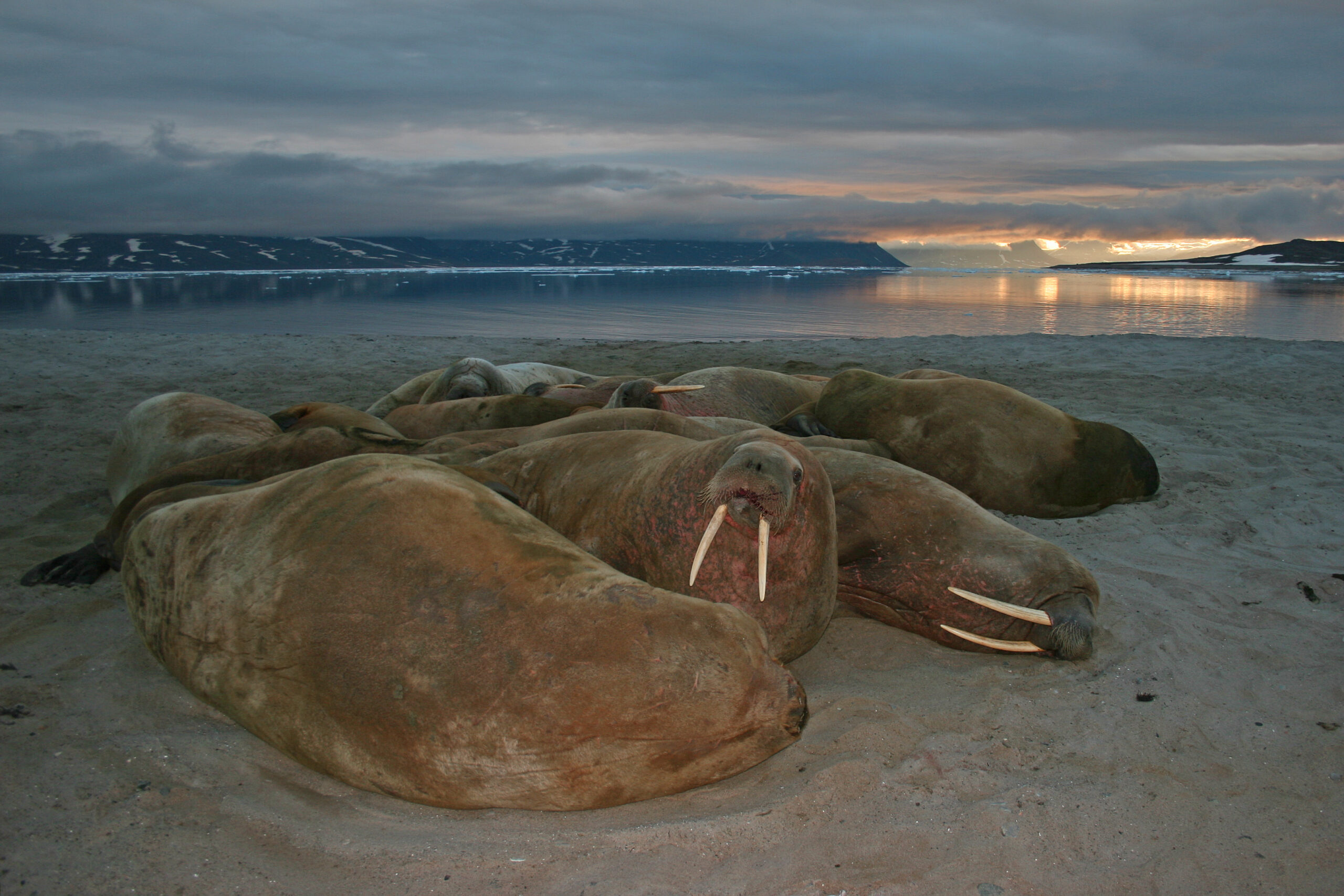
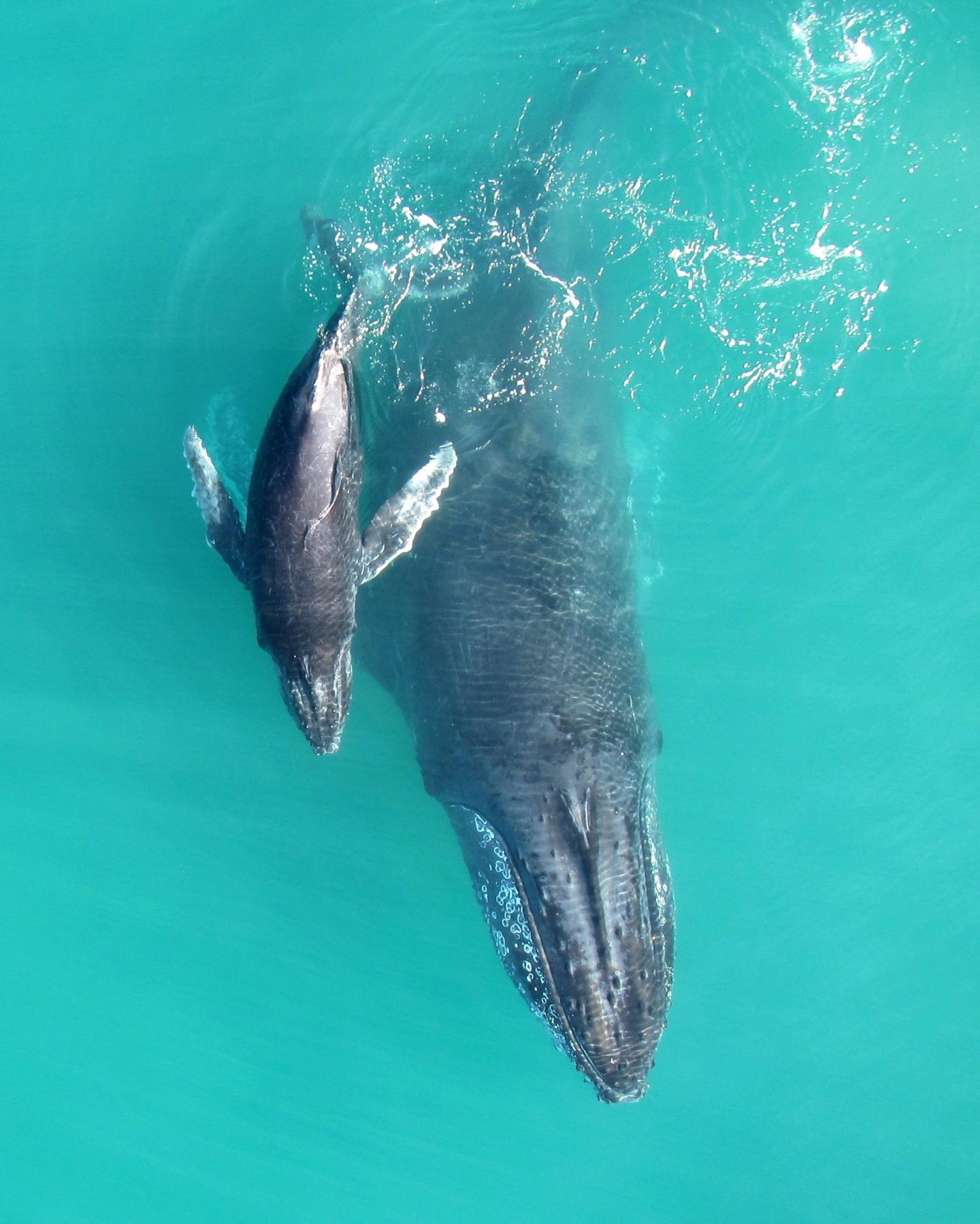
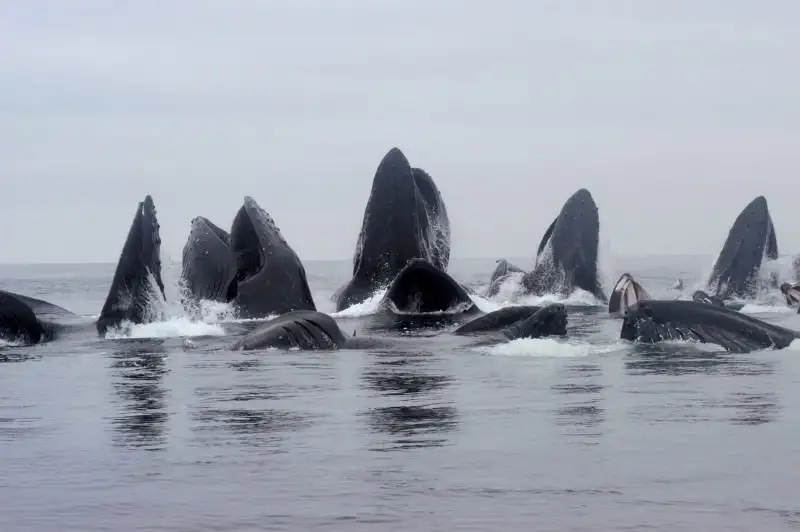
Takornariaqarnermut atatillugu aarlerinaataalersartut ilagaat silap pissusiata allanngoriartornera, nipiliornikkut akornusiineq, angallatinit eqqortinneq imarmiullu najugaasa ajornerulersinneqarsinnaanerat. Takornariartitsinerit miluumasunut imarmiunut toqqaannartumik atassuteqartut uumasut nalinginnaasumik ileqquinut, soorlu milutsitsisarnerannut qasuersaartarnerannullu, akornutaasinnaapput imarmiullu najugannaaminnut qanillinaveersaarnerannut pissutaasinnaallutik. Tamakkua kingunerattut uumasut eqqissisimannginnerulersinnaapput nappaatillu siaruaannerulersinnaallutik. Erseqqissumik aqutseriaaseqarnikkut malittarisassanillu atulersitsinikkut sunniutipiluit tamakku annikillisarneqarsinnaapput.

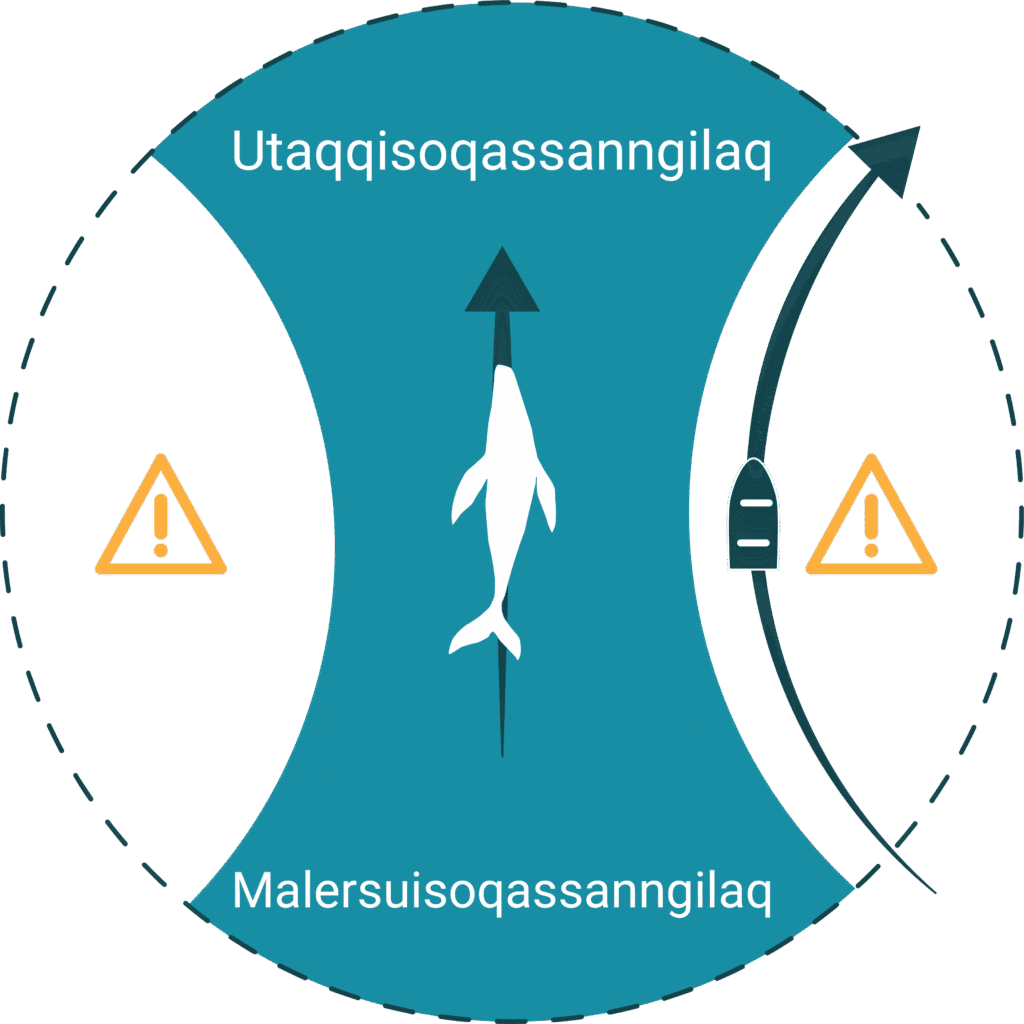
Takornariaqarnermik aqutsineq tamatumunngalu atatillugu malittarisassiorneq pingaaruteqarput suliaqarfik tamanna annertusiartormat uumasunullu ajoqutaasinnaammat. Naalakkersuisut avatangiisinullu suliniaqatigiiffiit inatsisiliortarlutillu malittarisassiortarput takornariat kissaataat miluumasut imarmiut iluaqutissaannik innimiginninnissamut tulluarsarniarlugit. Malittarisassat uumasunut qanoq qanillitigisoqarsinnaaneranut, umiatsiat inuillu qanoq amerlatigisut eqqaanniissinnaanerannut umiatsiallu sumiiffiit ilaanni qanoq sukkatigeqqusaanerannut tunngassuteqarsinnaapput. Aamma takornarniartitsisartut takornariallu uumasunik qanoq ataqqinnissinnaanerannik paasissutissinneqarnissaannut qulakkeerutaasarput. Ilaannikkut takornariartitsisartut immikkut akuersissuteqartariaqartarput. Malittarisassat taakku uumasunut illersuutaasarput uumasunillu takornarniarnerup tamanut ajoqutaannginnissaanut qulakkeerutaasarlutik.
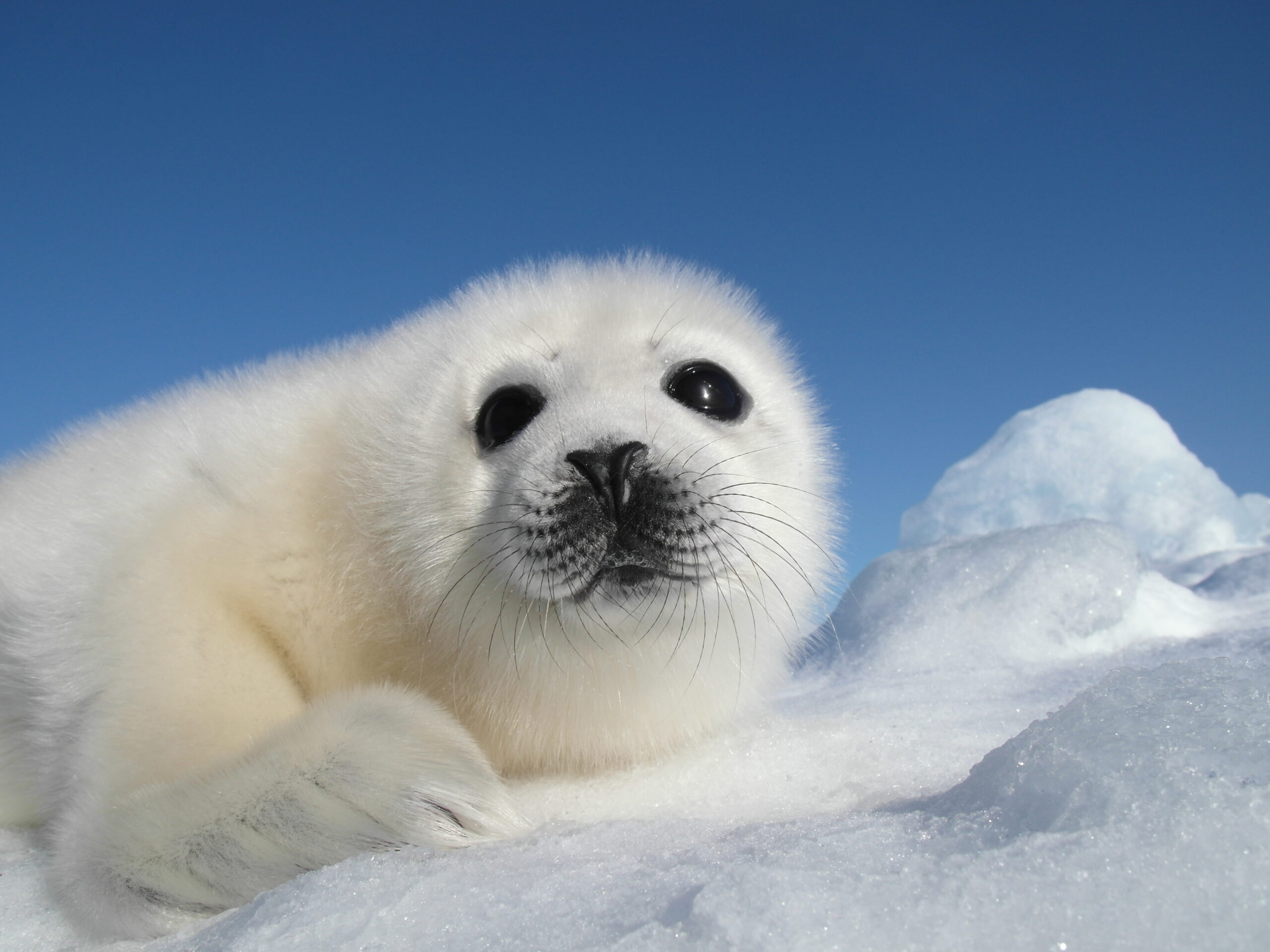
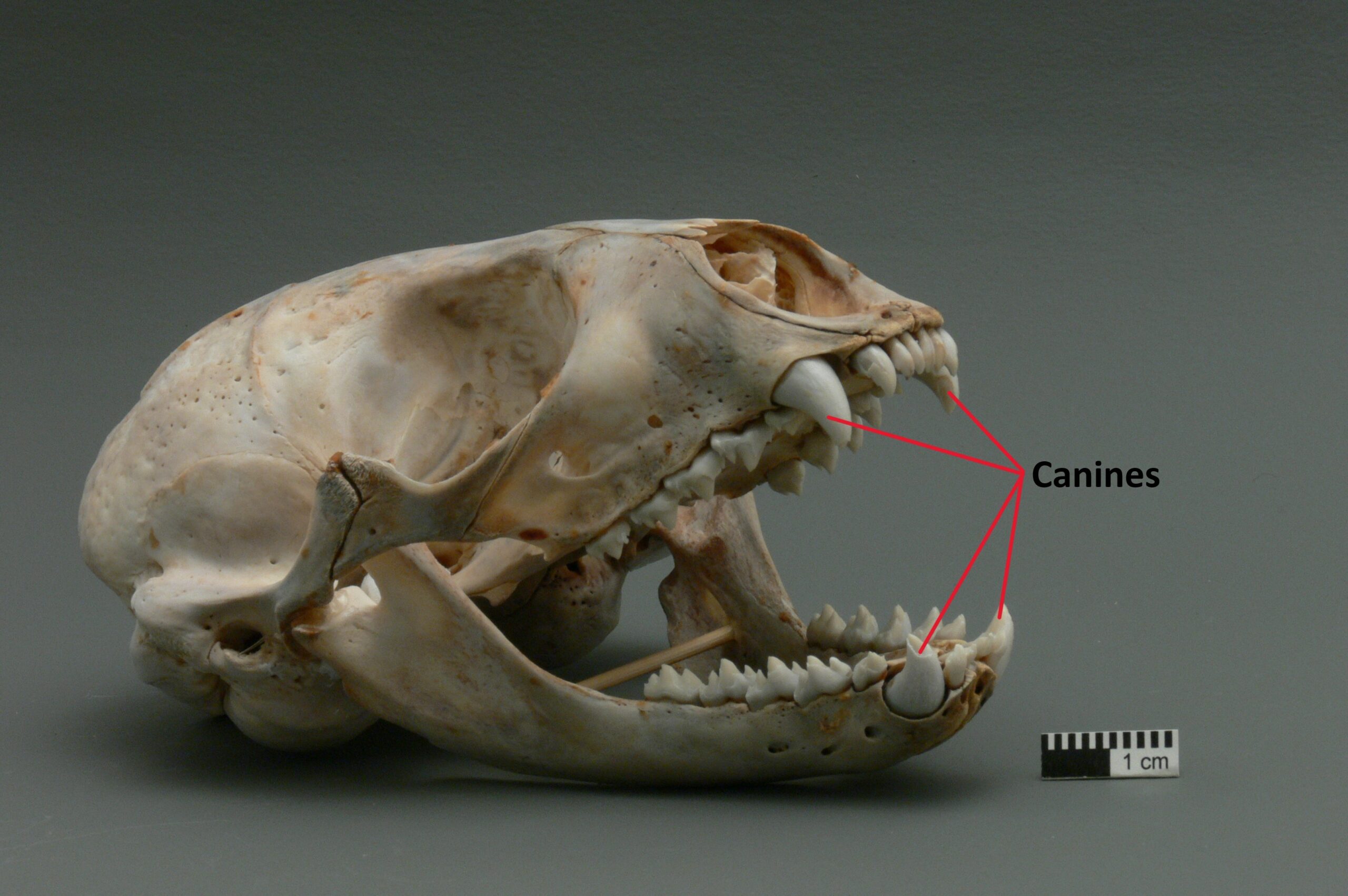
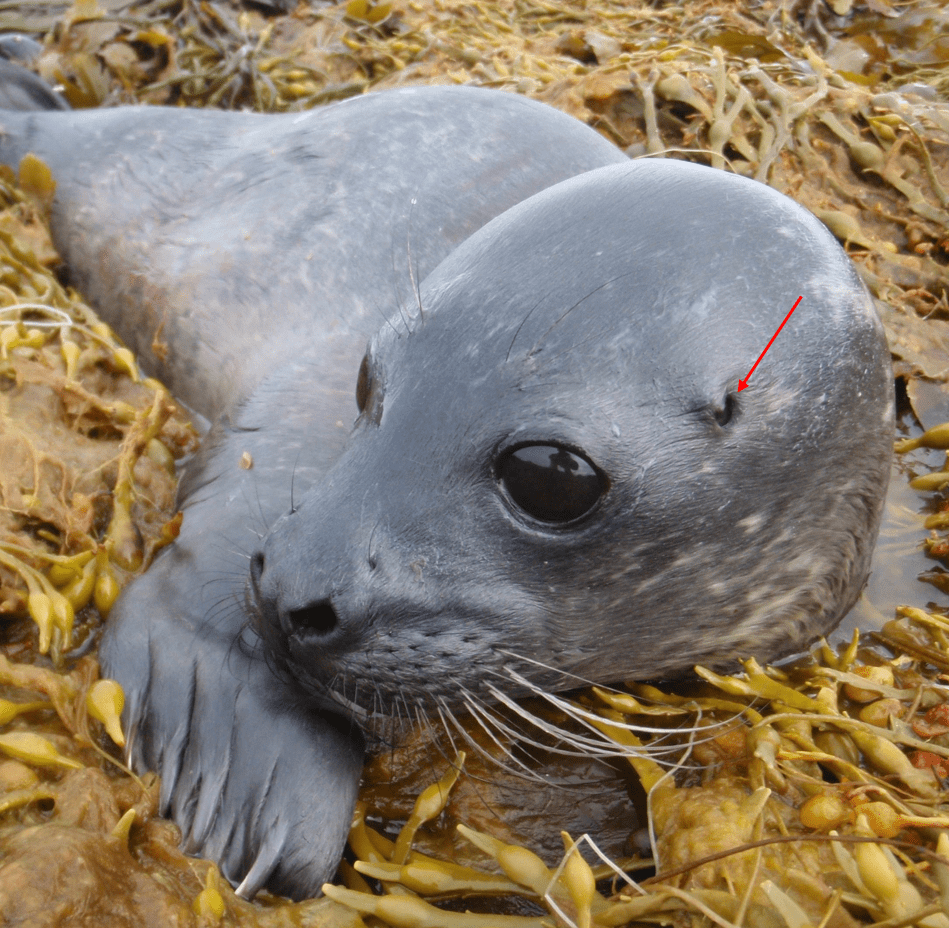
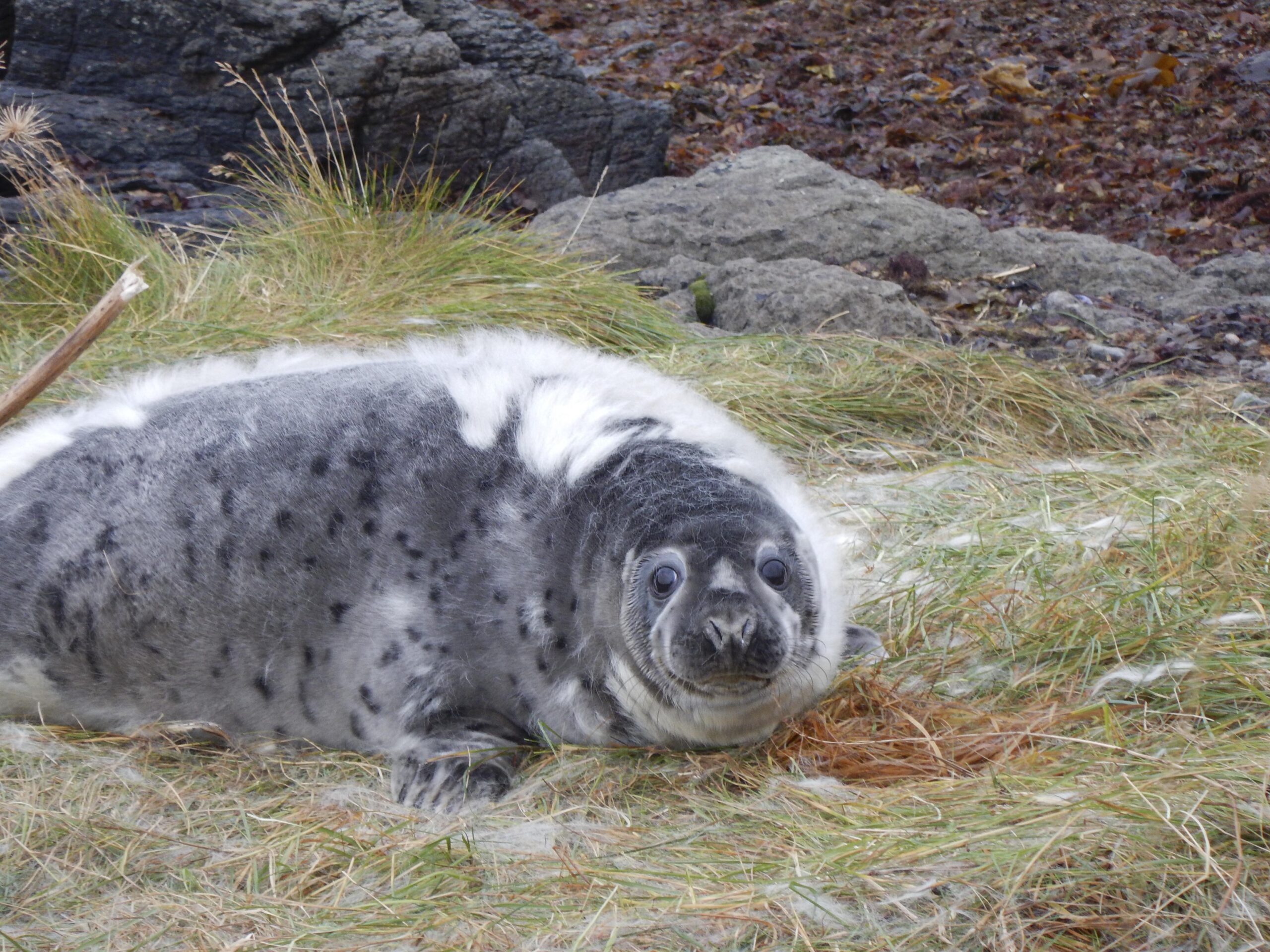
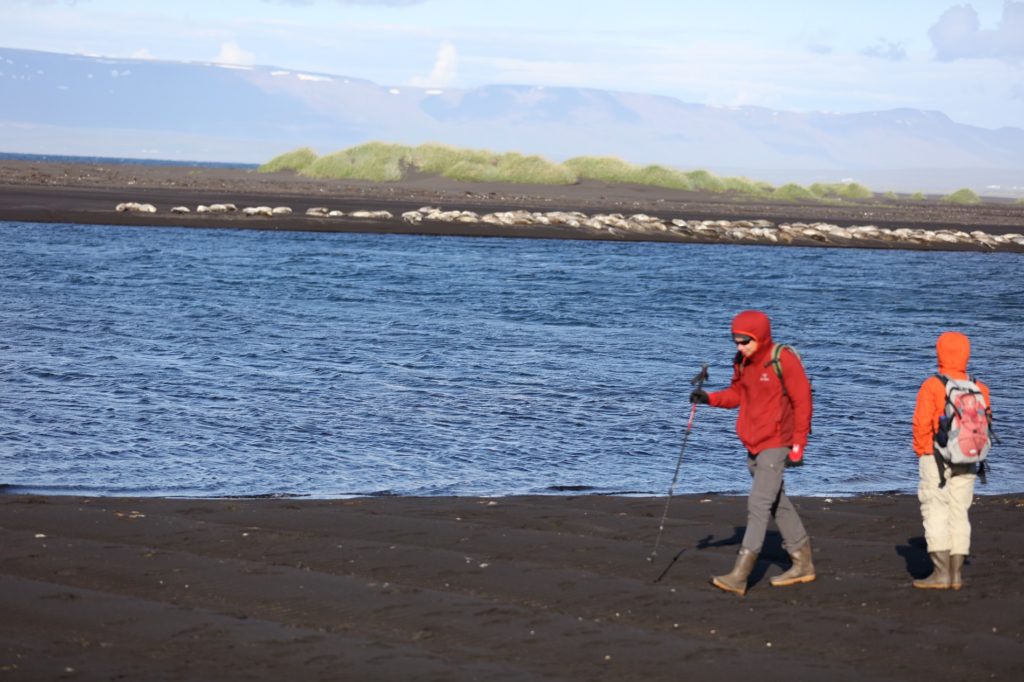
Akornusiinerup sunniutaa annikippasissinnaavoq, akornusiinerilli amerliartortut sunniutaat amerliartortarmata uumasup uumaannarsinnaaneranut sunniuteqangaarsinnaapput. Assersuutigalugu puisit qanillivallaarneqarlutik avammut qimaappata tamatuma kinguneratut qassimasorpassuit qassimaffimminnit qimarrassinnaapput. Tamanna qasuersaarnerannut akornutaasarpoq, nukissaqannginnerulissutigisarpaat eqqissisimannginnerulissutigisarlugulu. Akornuserneqakulanerat mamaartarnerannut, milutsitsisarnerannut piaqqallu uumaannarsinnaanissaannut sunniuteqarsinnaavoq puisillu sumiiffinnut aalajangersimasunut orniguttarunnaarnerannik kinguneqarsinnaalluni taamalu uumaannarsinnaanissaannut aarlerinartorsiortitsisinnaalluni.
Naleqqiussat
[1] Arctic Portal. (n.d.). Sustainable Arctic Tourism. https://arcticportal.org/shipping-portlet/tourism
[2] Bejder, L., Higham, J. E., & Lusseau, D. (2022). Tourism and research impacts on marine mammals: A bold future informed by research and technology. In Marine Mammals: the Evolving Human Factor (pp. 255-275). Cham: Springer International Publishing. https://doi.org/10.1007/978-3-030-98100-6_8
[3] Bearzi, M. (2017). Impacts of Marine Mammal Tourism. Ecotourism’s Promise and Peril, 73–96. https://doi.org/10.1007/978-3-319-58331-0_6
Nalunngiliuk…
- Ukiuni 15-ini kingullerni umiarsuakkut Issittumi takornariarneq 500%-ingajannik annertuseriarsimavoq, ukiunilu qulini kingullerni nunakkut Issittumi takornariarneq 800%-ingajammik annertuseriarsimalluni [1]
- Takornariaqarneq sukisaarsaarnerillu miluumasunik imarmiunik IUCN-imit akuerisaasunik piujuartitsiniarnermi killiffimmut 21%-iusumut aarlerinaateqartitsipput [2]
- Takornariaqarnerup ileqqunut peqqissutsimullu assigiinngitsorpassuartigut akornusiisarnera silarsuaq tamakkerlugu miluumasuni imarmiuni maluginiarneqarsimasoq miluumasunik imarmiunik takornarniarnerup siunissaq ungasinnerusoq eqqarsaatigalugu sunniutissai naliliivigiuminaapput [3]
- Takornariat takornariartitsisartullu uumasunik takornarniariaatsinik naleqquttunik pitsaanerpaanik pilersitsiniartariaqarput
Oqallinneq
Illit nunagisanni uumasunik takornarniarnermut malittarisassiat suut atuuppat? Sukannersuunerat naammappa, aamma illit malittarisassanut ilassutissaqassagaluarpit?