- Grønlandsslættibøka
- Arfivik
- Grænland hvalur
- Grønlandshval
- Bowhead whale

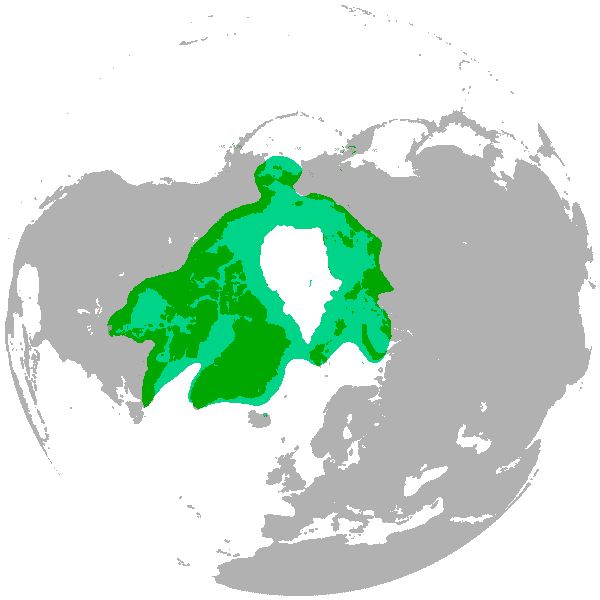
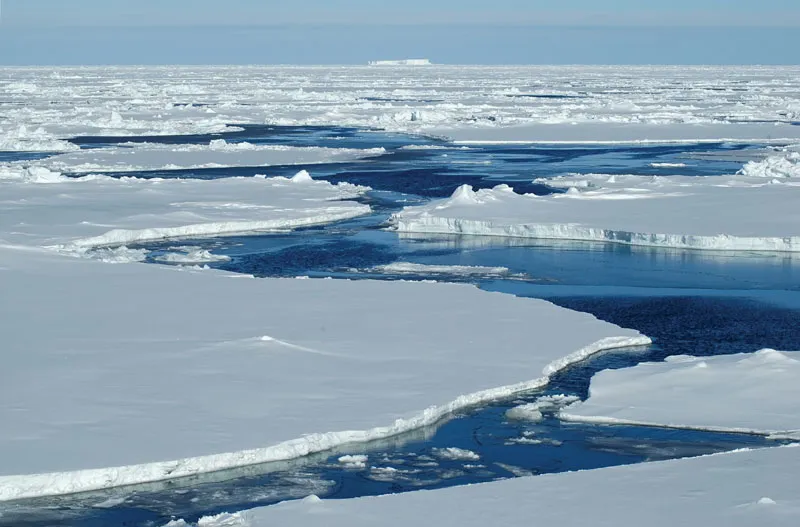
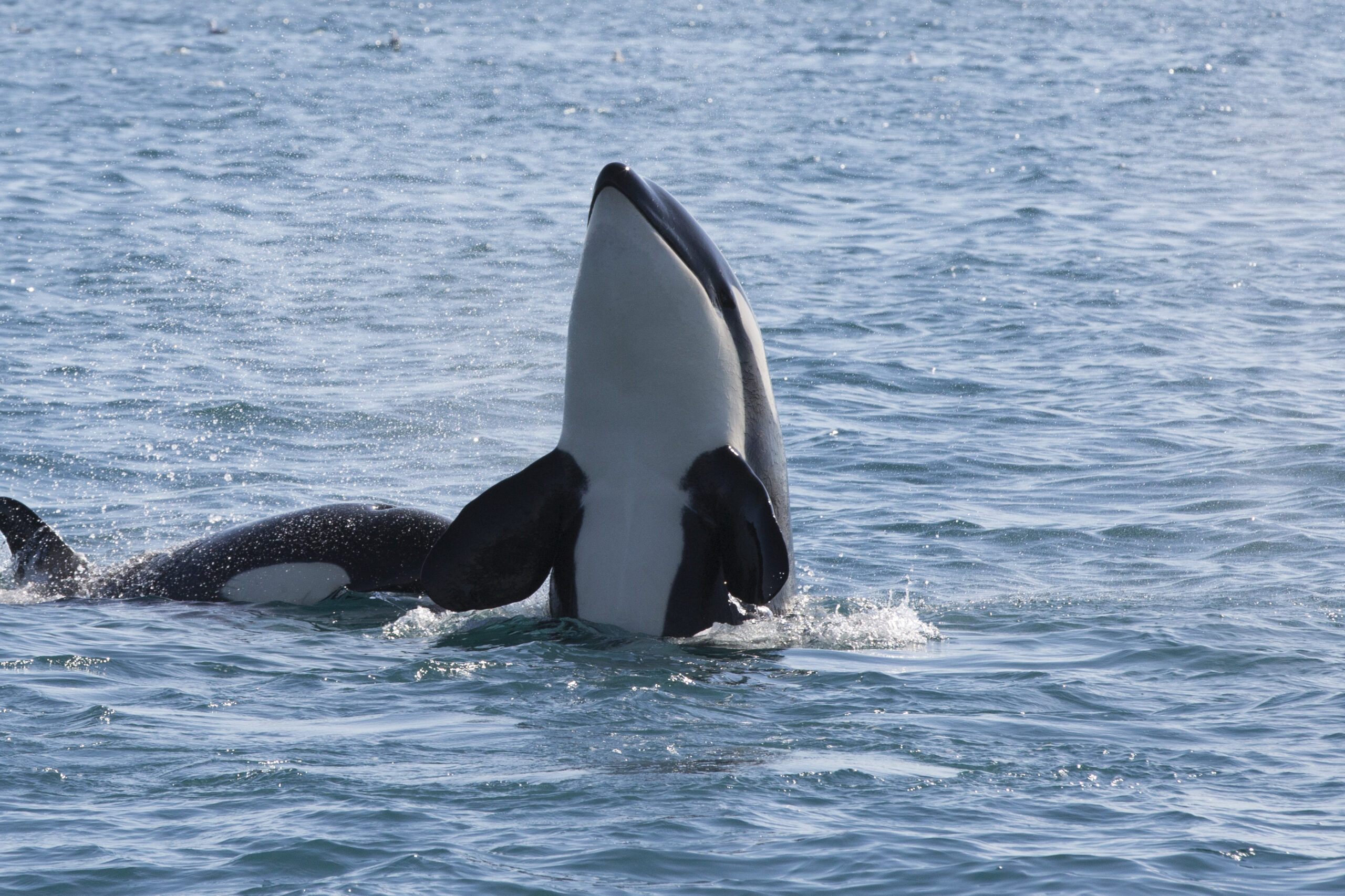
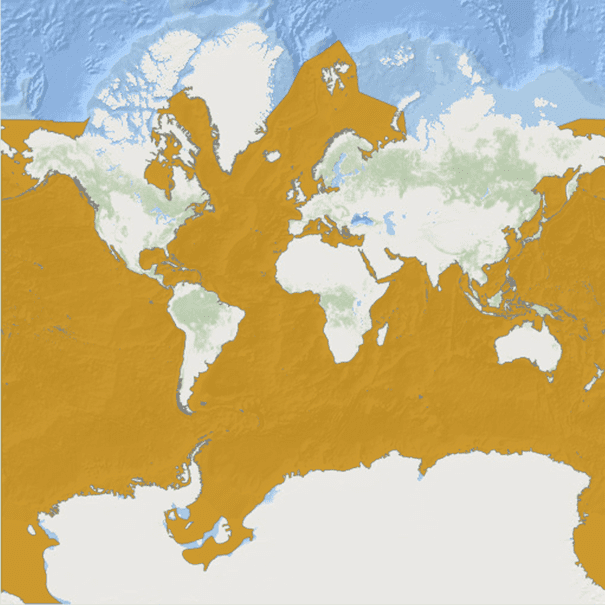
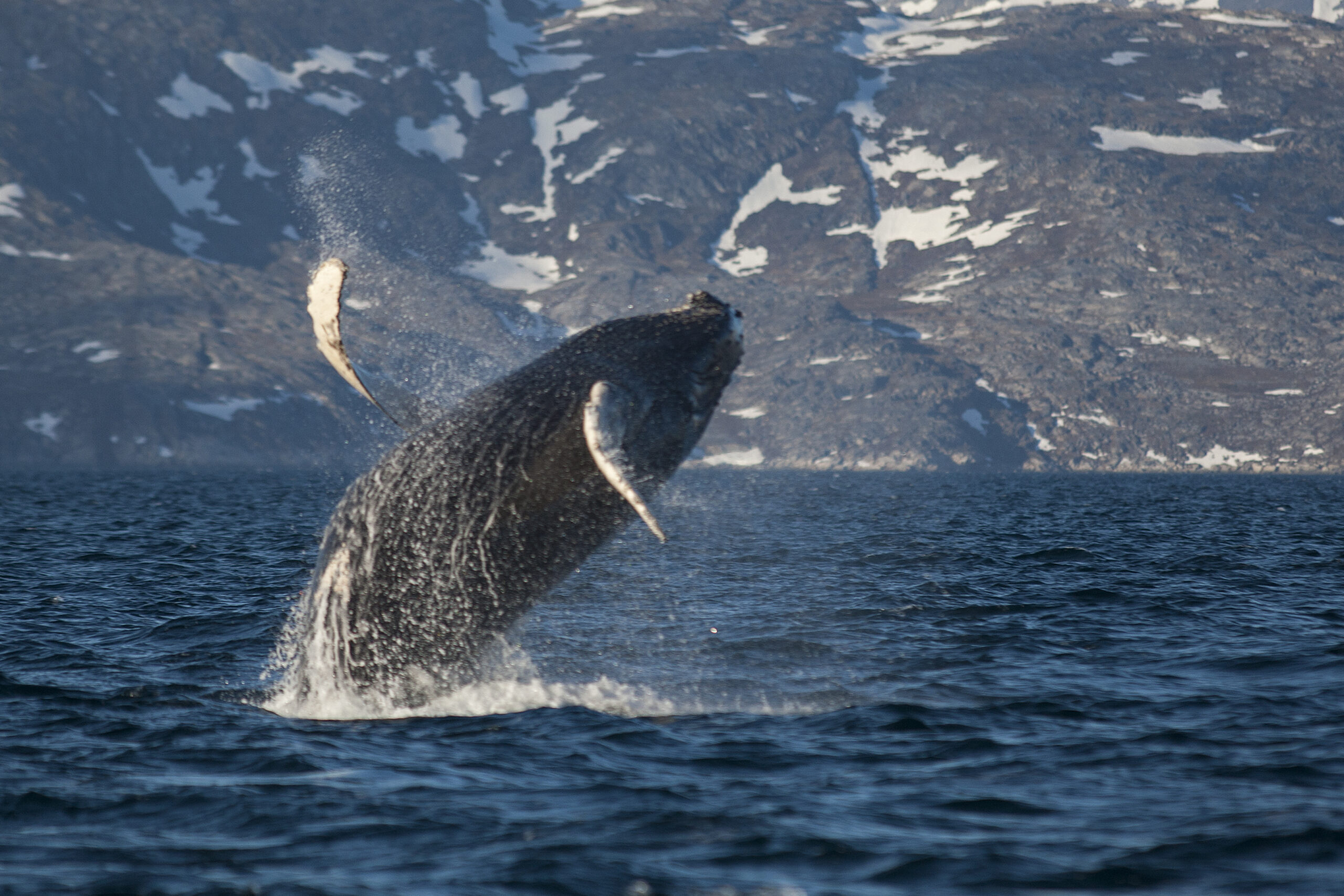
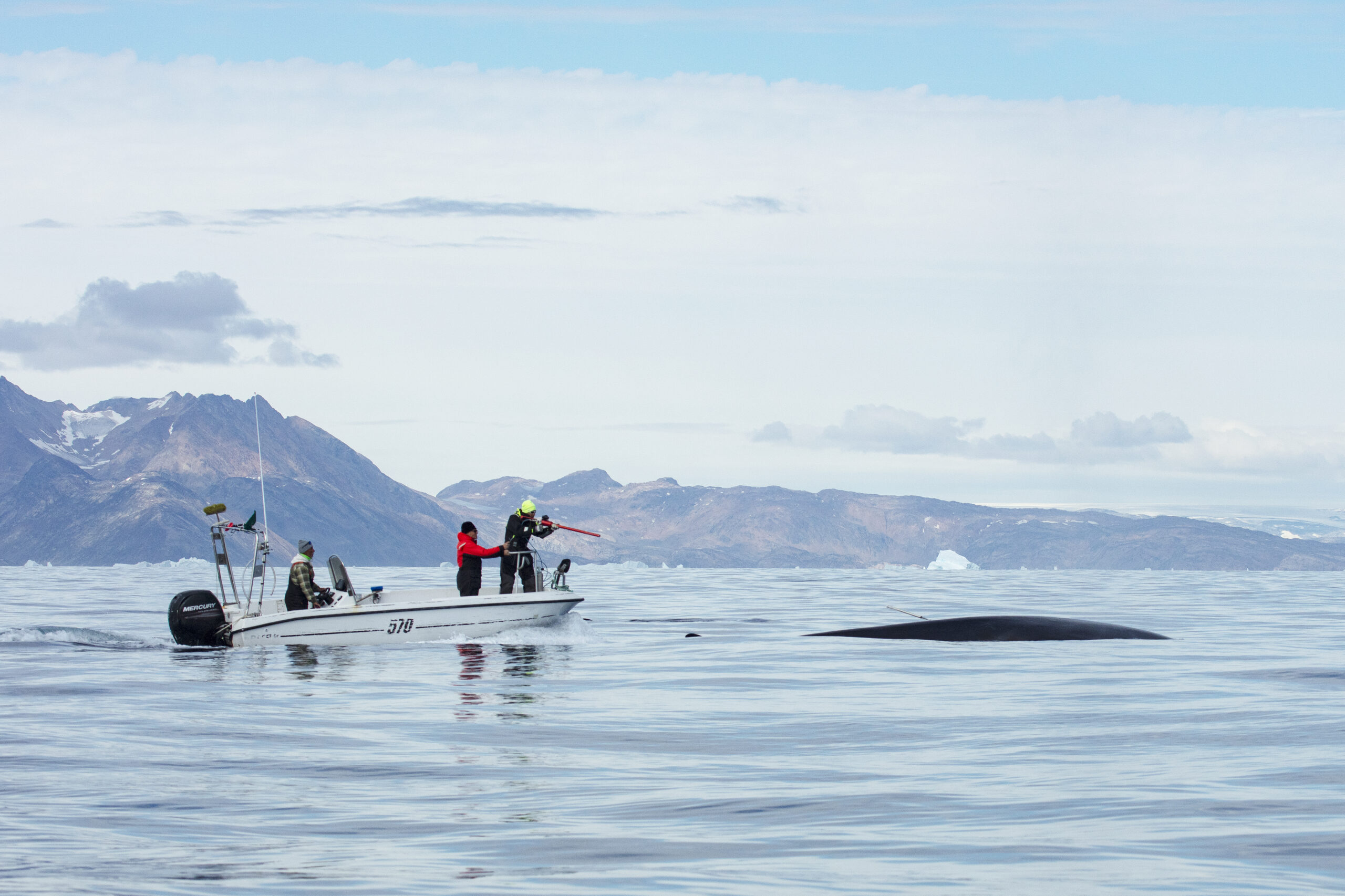
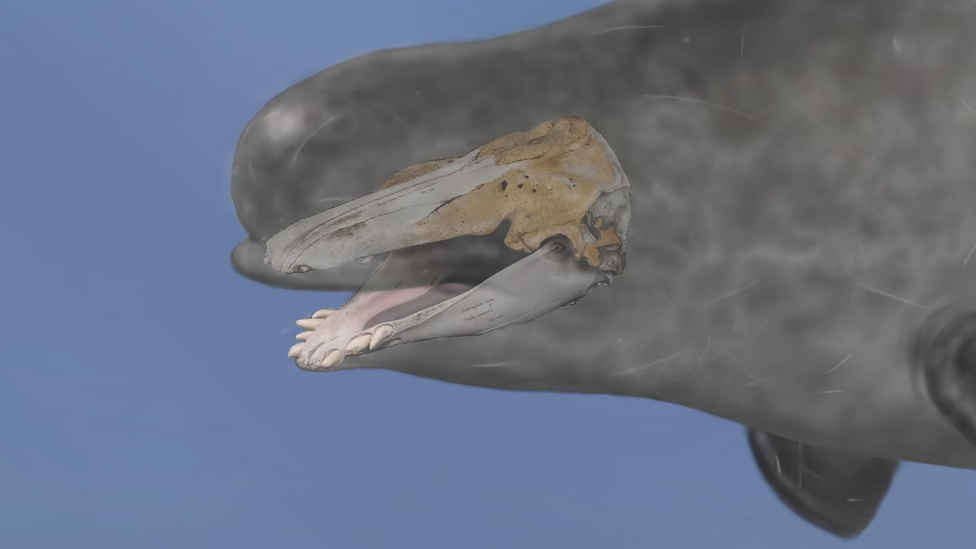
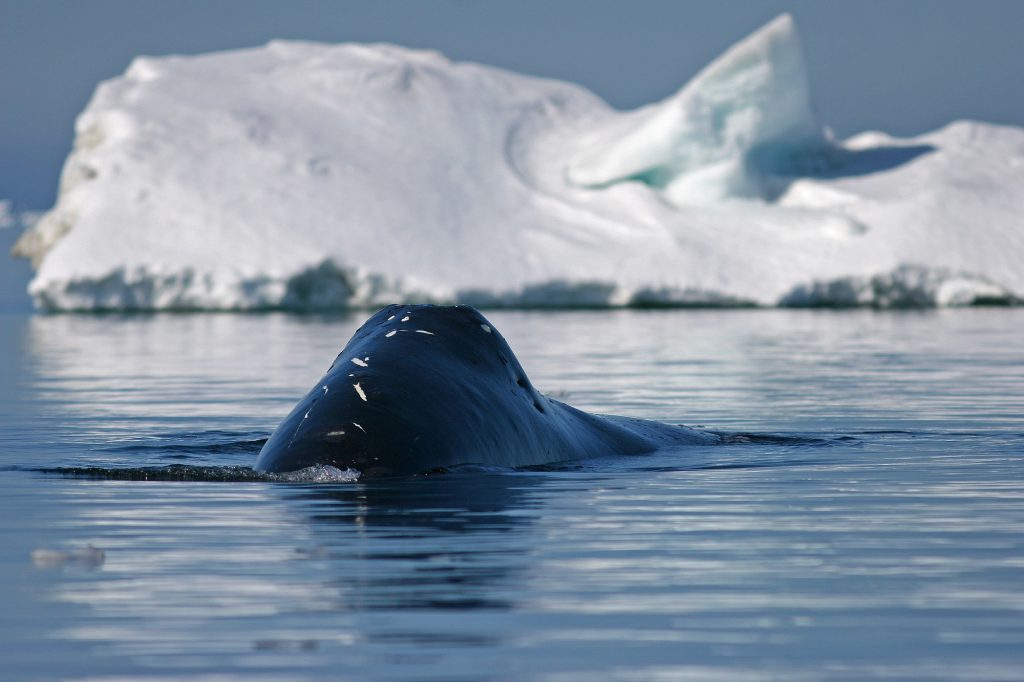
Grønlandshvalen lever bare i de kalde farvannene i Arktis og de subarktiske områdene. Den er en langsom svømmer og svømmer vanligvis 3–6 km/t, men kan svømme opptil 200 km per dag mellom beiteområder. Den er kjent for de komplekse sangene sine i yngletiden, og bytter ofte ut sangene. Bestandene ble kraftig redusert av industriell hvalfangst, men i dag jaktes den bare av og til i Nord-Atlanteren, og bestandene er i vekst.

Jaktet i
 0.2 hvaler/år gjennomsnitt 2019-2023
Lydkreditering: Outi Tervo, Grønlands Naturinstitut
Forskning
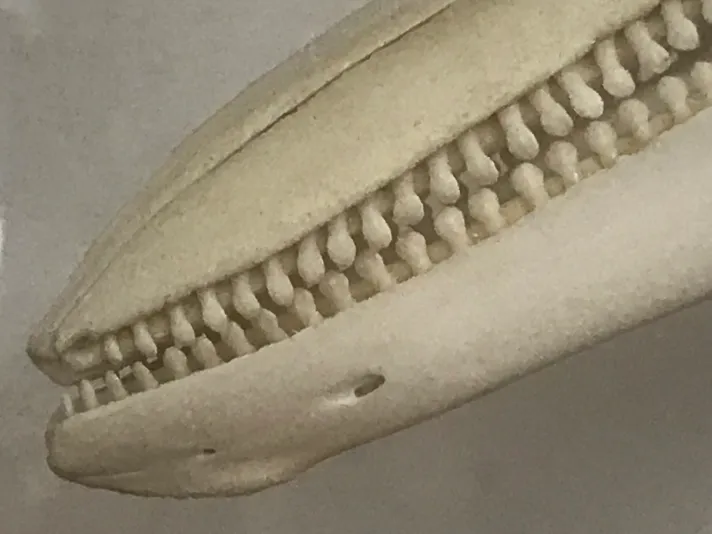
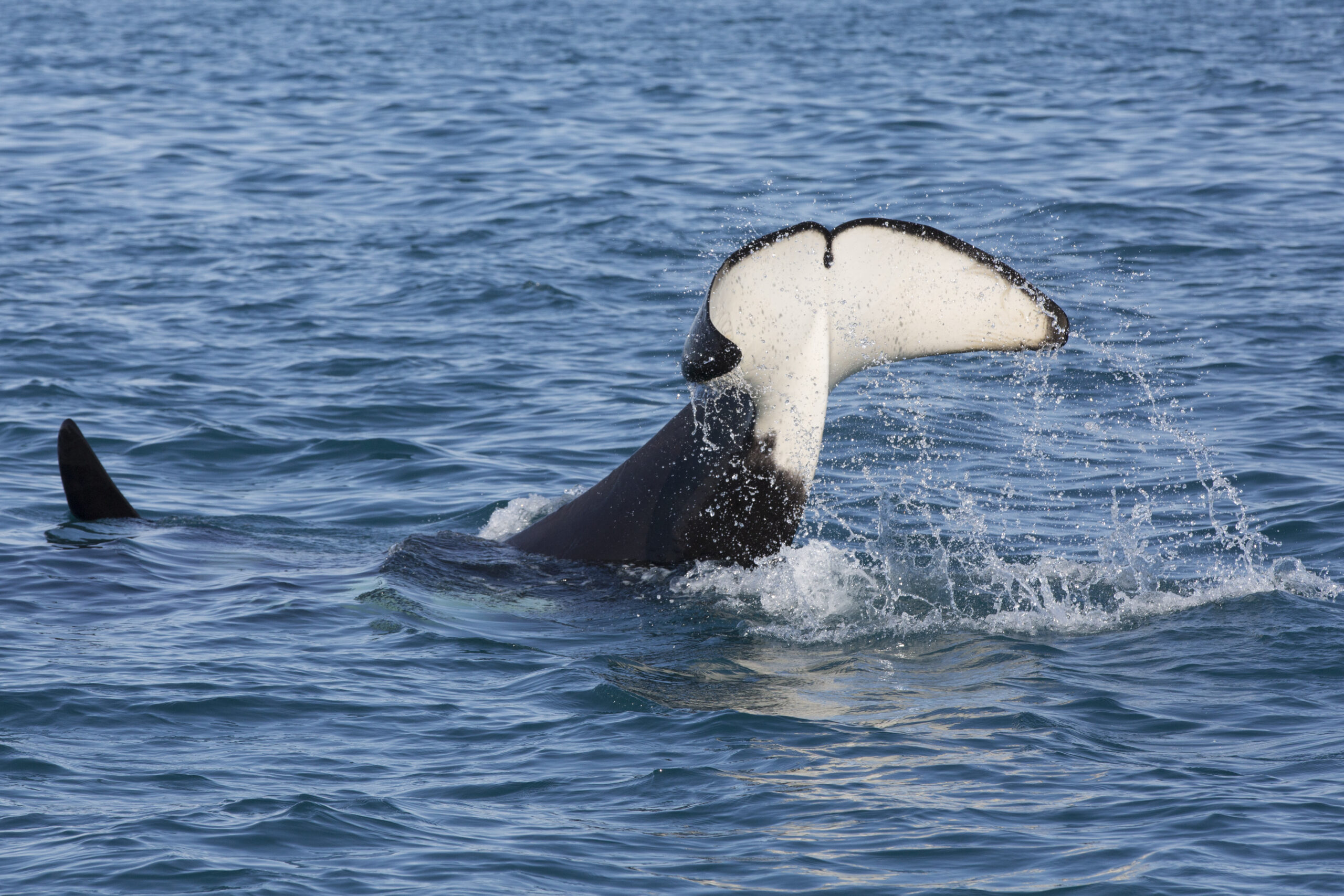
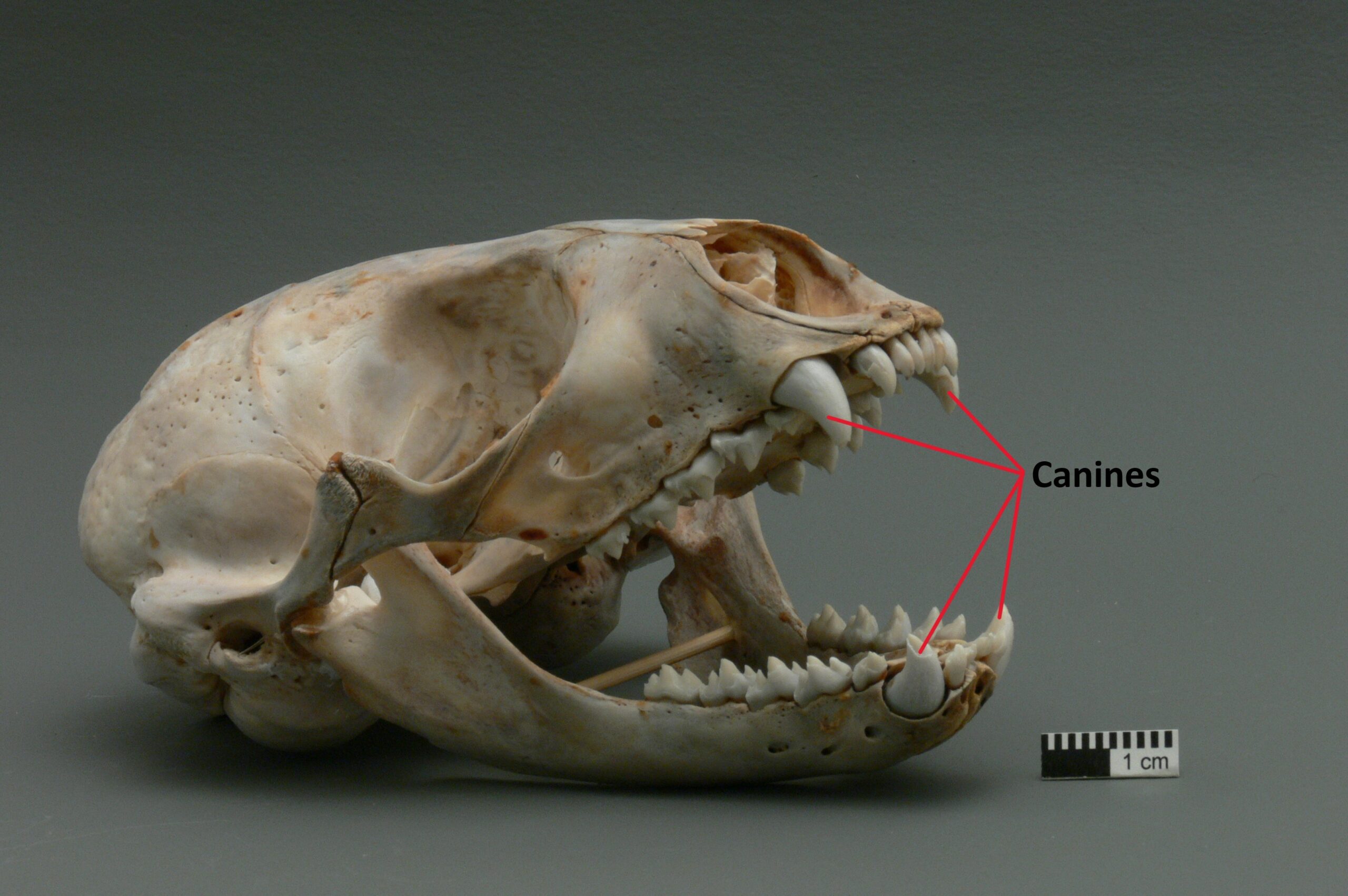
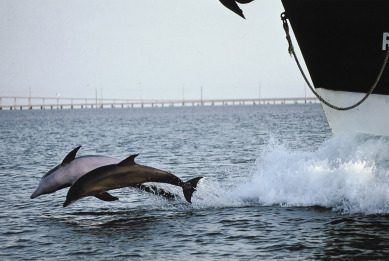
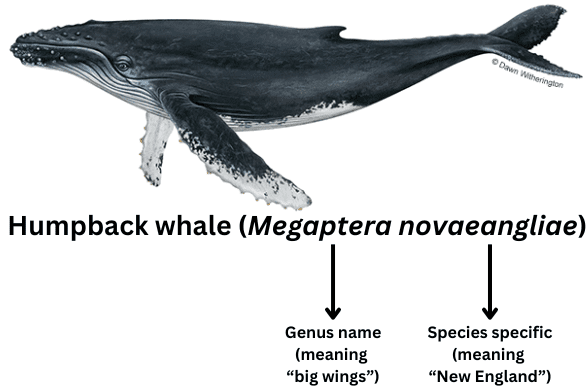
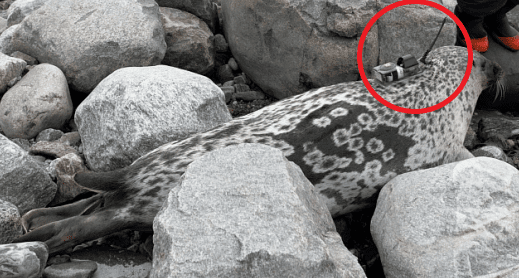
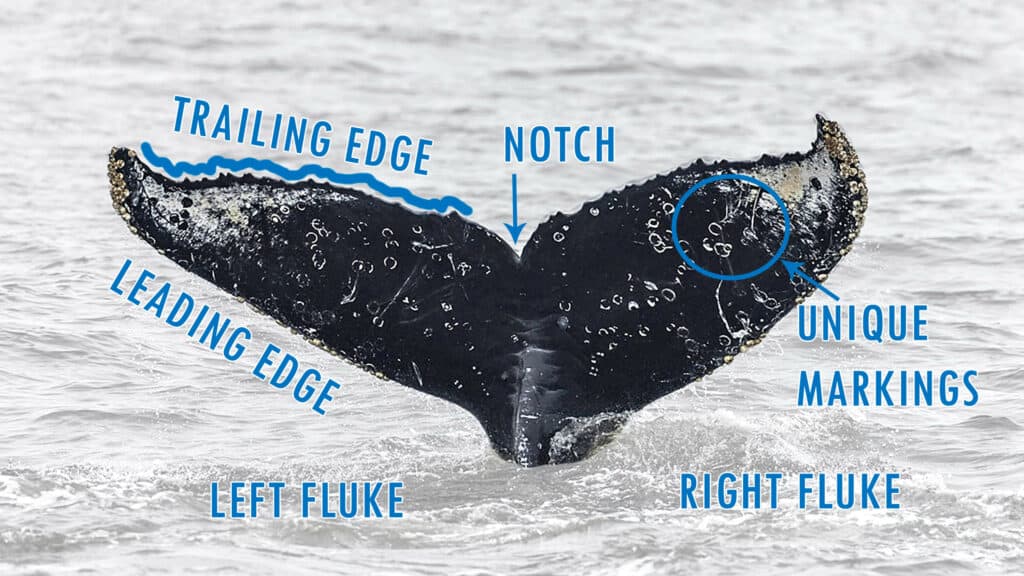
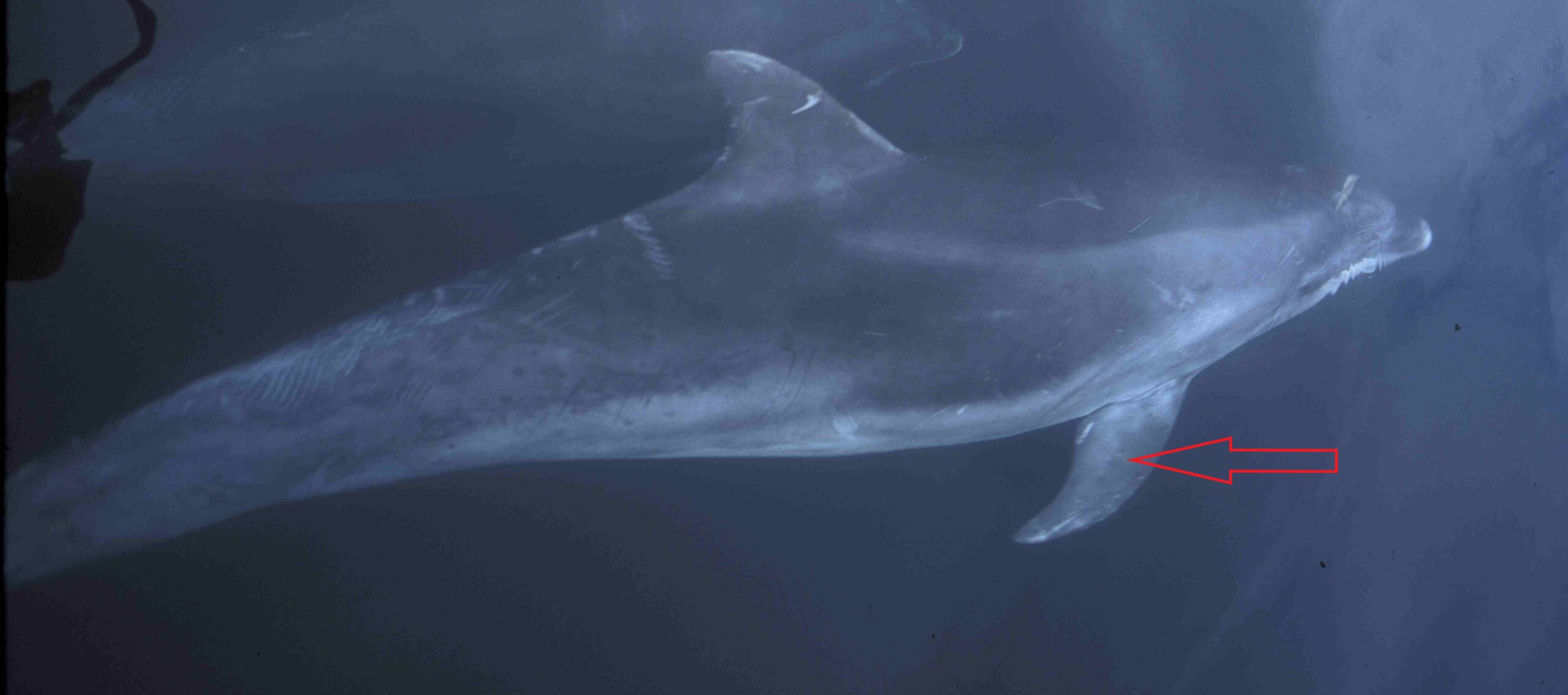
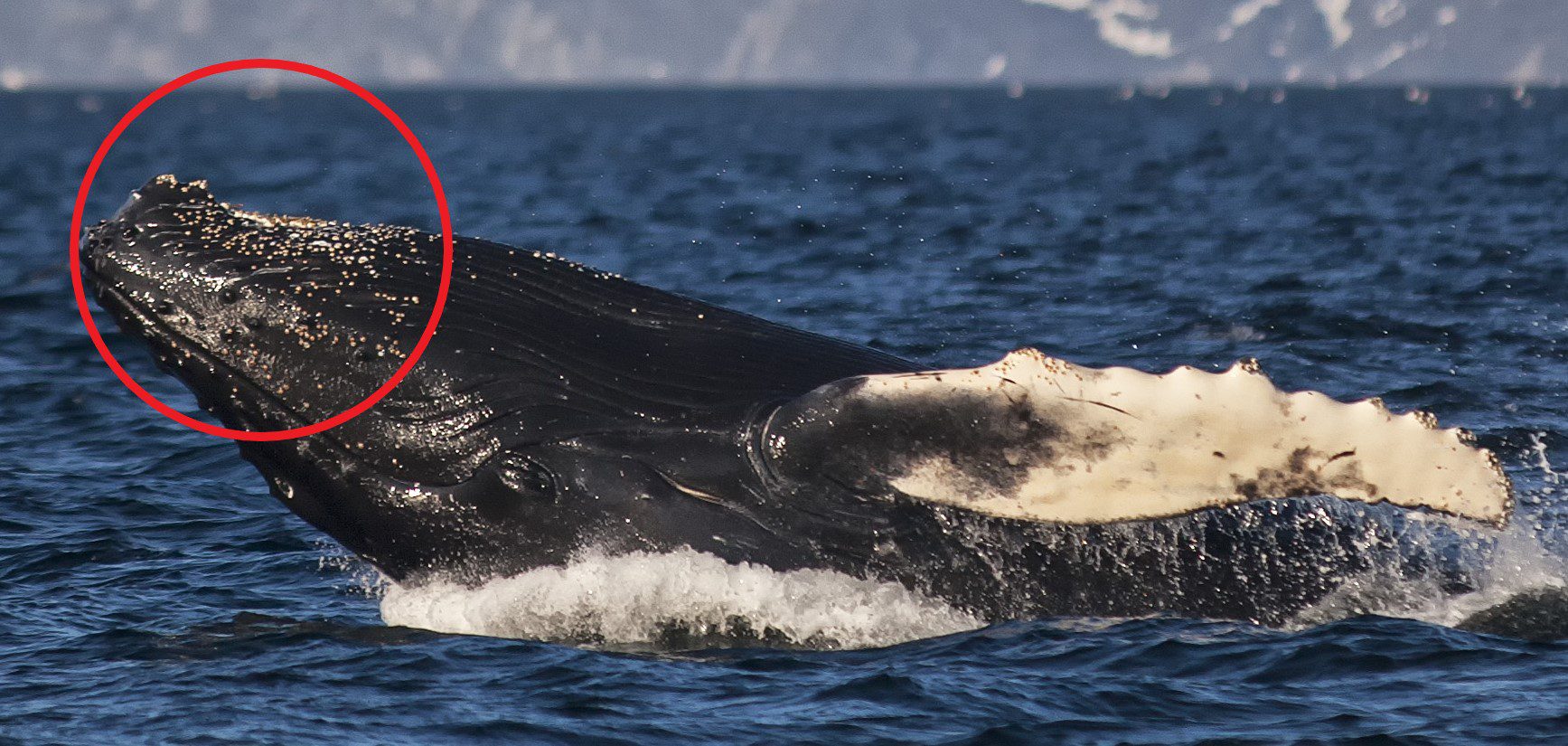
For å kjenne igjen enkeltindivider bruker forskere kjennemerker på bestemte kroppsdeler hos ulike arter av hval. Hos delfiner ser de for eksempel på ryggfinnene, mens det hos knølhval er halefinnen. Hva bruker de hos grønlandshval?
✔️ Answer: The bowhead whale!
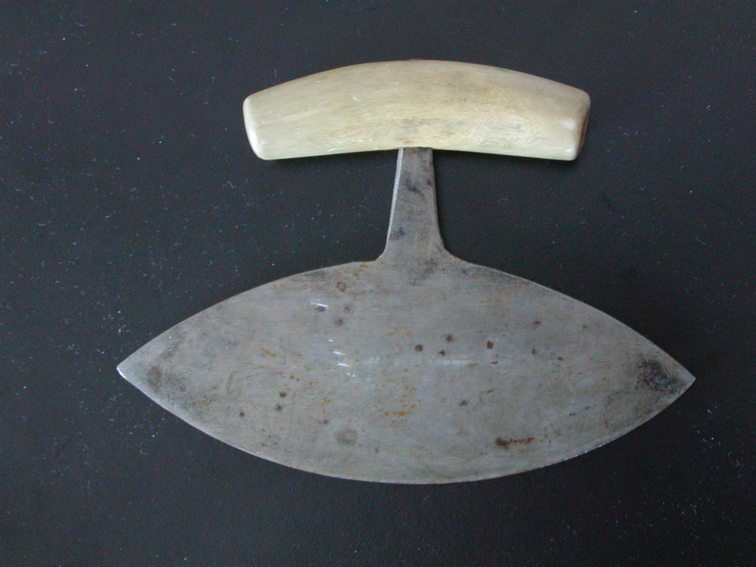
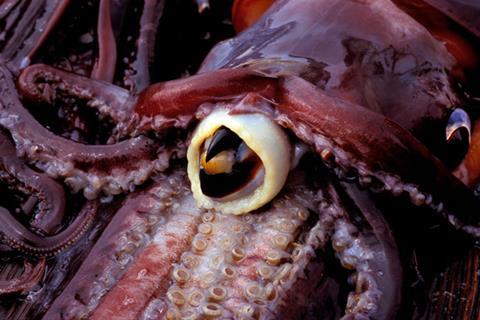
Weapon fragments from the 19th century used for whale hunting were discovered in bowhead whales in Alaska in 2007. Combined with an age-estimation technique that analyses proteins present in the eye lenses of these creatures, scientists revealed that some bowheads may live for more than 200 years! This information is not just fascinating: it is also crucial for the conservation of these great creatures. Marine mammals in the high north face heightened challenges due to climate change and human activities. Comparing longevity in the past and the present helps us evaluate how these threats affect them today.
Interestingly, yawning in aquatic species, like belugas, is intriguing because they don't breathe through their mouths, as fully aquatic mammals have a separate trachea and esophagus. Nevertheless, the open mouth behaviour displayed by beluga whales during certain events has been described as "yawn-like" due to its resemblance to yawning in terrestrial mammals. But why do belugas yawn, and what triggers this behaviour? The function of yawning in animals, including belugas, remains somewhat mysterious. In humans, yawning has been associated with various factors such as sleepiness, respiration and circulatory needs, boredom, arousal, empathy, and thermoregulation. The observation of Ames (2022) raises questions about whether belugas, with their social and imitative abilities, may have the capacity to imitate human motor movements. Read the full observation by Ames (2022) here: https://doi.org/10.1578/AM.48.6.2022.495