Forurensning



Referanser
[1] International Whaling Commission (IWC). (2020). Report of the IWC Workshop on Marine Debris: The Way Forward, 3-5 December 2019, La Garriga, Catalonia, Spain. SC/68B/REP/03. Available at https://archive.iwc.int/pages/view.php?ref=17025&k=
[2] Nelms, S. E., Barnett, J., Brownlow, A. et al. (2019). Microplastics in marine mammals stranded around the British coast: ubiquitous but transitory? Scientific Reports, 9, 1075. https://doi.org/10.1038/s41598-018-37428-3
[3] Jambeck, J. R., Geyer, R., Wilcox, C., Siegler, T. R., Perryman, M., Andrady, A., Narayan, R., & Law, K. L. (2015). Plastic waste inputs from land into the ocean. Science, 347(6223), 768–771. https://doi.org/10.1126/science.1260352
[4] Kosior, E., & Crescenzi, I. (2020). Solutions to the plastic waste problem on land and in the oceans. In: T. M. Letcher (Ed.), Plastic waste and recycling (pp. 415–446). Academic Press. https://doi.org/10.1016/B978-0-12-817880-5.00016-5
[5] James, N. A., & Große, A. (2023). Marine Mammals and Interactions with Debris in the Northeastern Atlantic Region: Synthesis and Recommendations for Monitoring and Research. In: Grimstad, S.M.F., Ottosen, L.M., James, N.A. (Eds.), Marine Plastics: Innovative Solutions to Tackling Waste. Springer, Cham. https://doi.org/10.1007/978-3-031-31058-4_1
[6] Jepson, P. D., & Law, R. J. (2016). Persistent pollutants, persistent threats. Science, 352(6292), 1388–1389. https://doi.org/10.1126/science.aaf9075
[7] Borrell, A. (1993). PCB and DDT in blubber of cetaceans from the northeastern north Atlantic. Marine Pollution Bulletin, 26(3), 146–151. https://doi.org/10.1016/0025-326x(93)90125-4
[8] Jepson, P. D., Deaville, R., Barber, J. L. et al. (2016). PCB pollution continues to impact populations of orcas and other dolphins in European waters. Scientific Reports, 6, 18573. https://doi.org/10.1038/srep18573p
[9] Murphy, S., Barber, J. L., Learmonth J. A. et al. (2015). Reproductive Failure in UK Harbour Porpoises Phocoena phocoena: Legacy of Pollutant Exposure? PLoS ONE, 10(7), e0131085. https://doi.org/10.1371/journal.pone.0131085
Visste du at...?
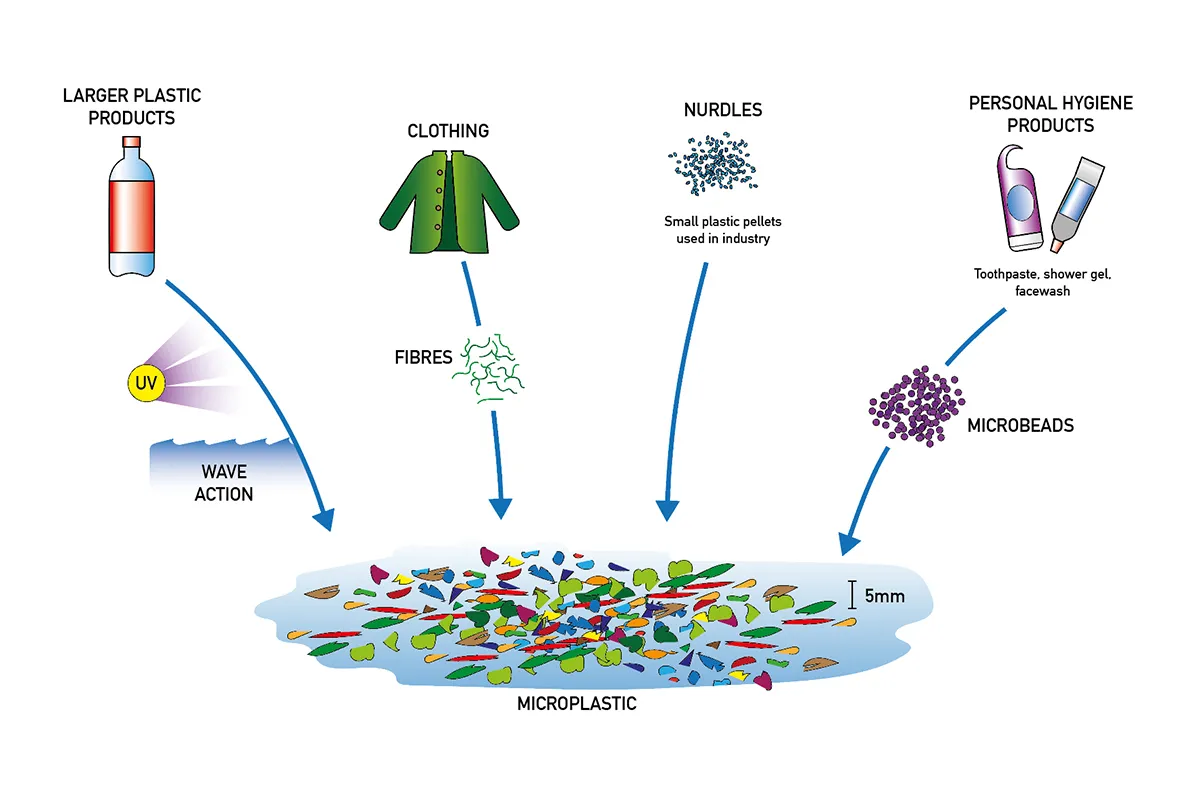
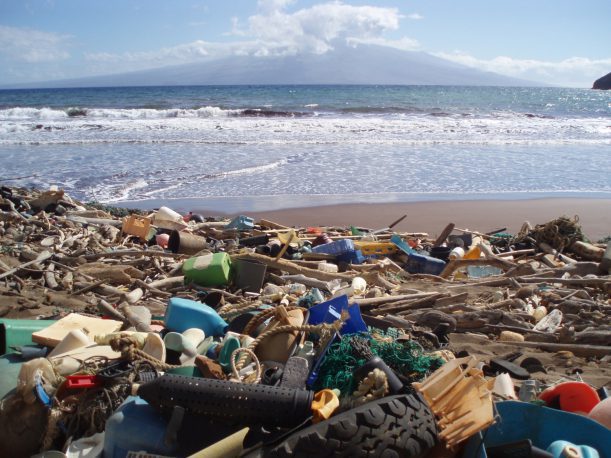
- Minst 8 000 000 000 kg plast havner i havet hvert år på verdensbasis [3]
- 80 % av all plast i havet stammer fra land, men fraktes ut i havet via vind, elver og kloakk [4]
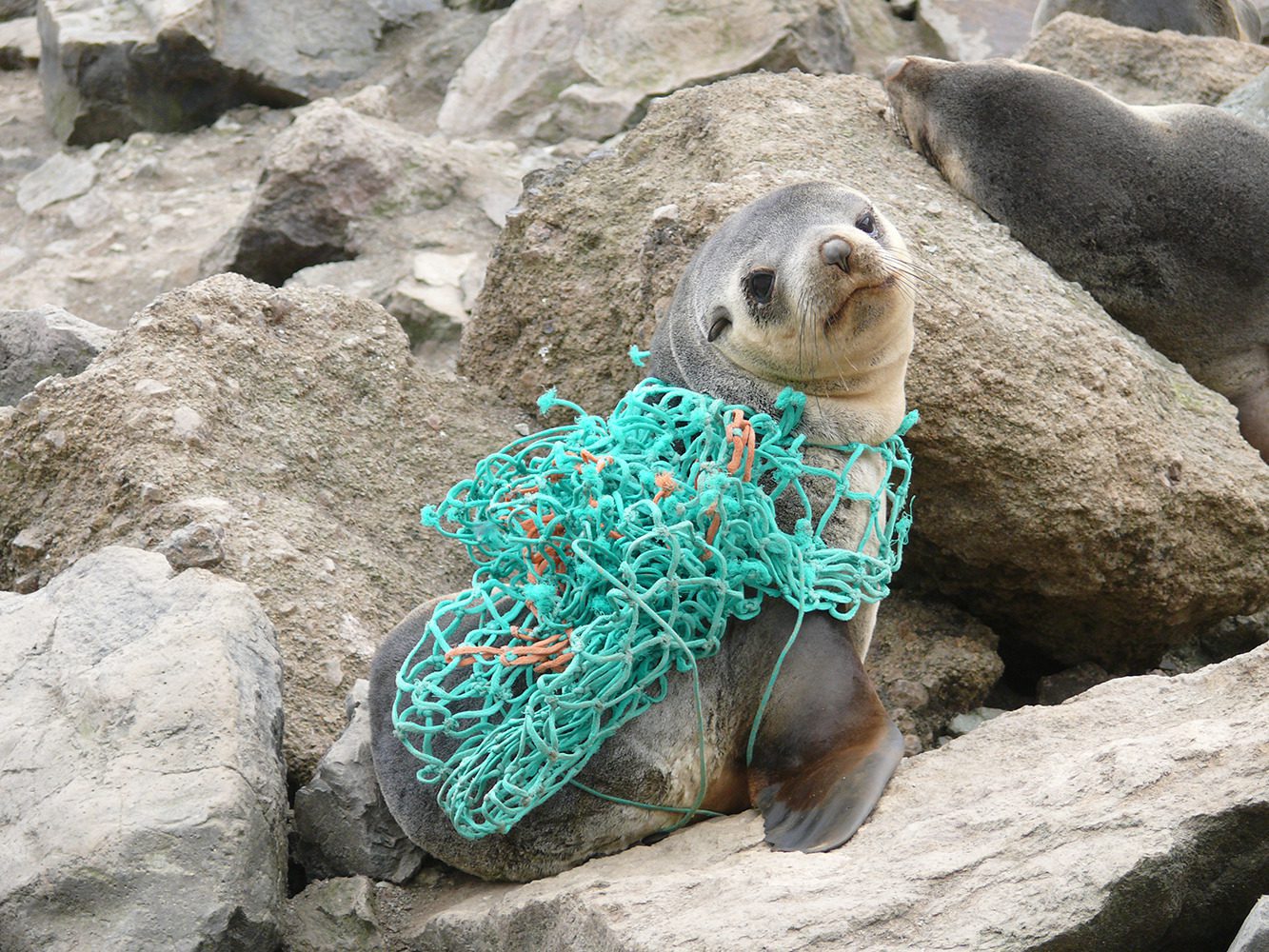
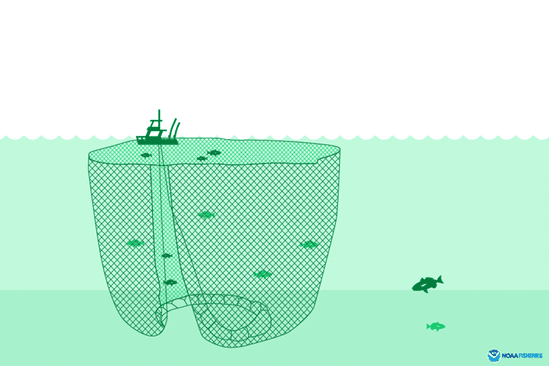
- Minst 60 % av alle arter av sjøpattedyr i det nordøstlige Atlanterhavet har hatt problemer etter å ha svelget marint avfall eller på grunn av fastvikling [5]. Dette skjer for eksempel når sjøpattedyr blir viklet inn i marint avfall.
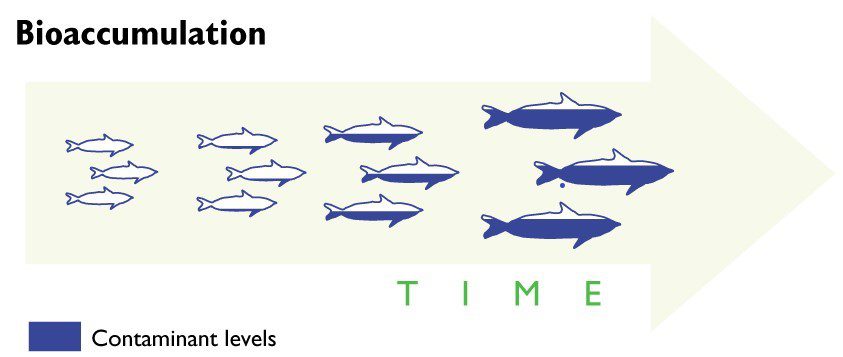
- Bruken av enkelte kjemikalier har vært strengt regulert siden 1980-tallet, men de skader fortsatt sjøpattedyr i dag [6]. Et eksempel er plantevernmiddelet DDT, som ble brukt til å drepe insekter og øke avlingene fra 1940 til 1970. Dette middelet finnes fremdeles i spekket til sjøpattedyr [7]
Diskuter
Når en plastflaske kastes på feil måte, hvem har størst ansvar for miljøpåvirkningen – forbrukeren som kjøper flasken, eller selskapet som produserer den?