- Klappus
- Natsersuaq
- Blöðruselur
- Ávjjur
- Klapmyds
- Hooded seal
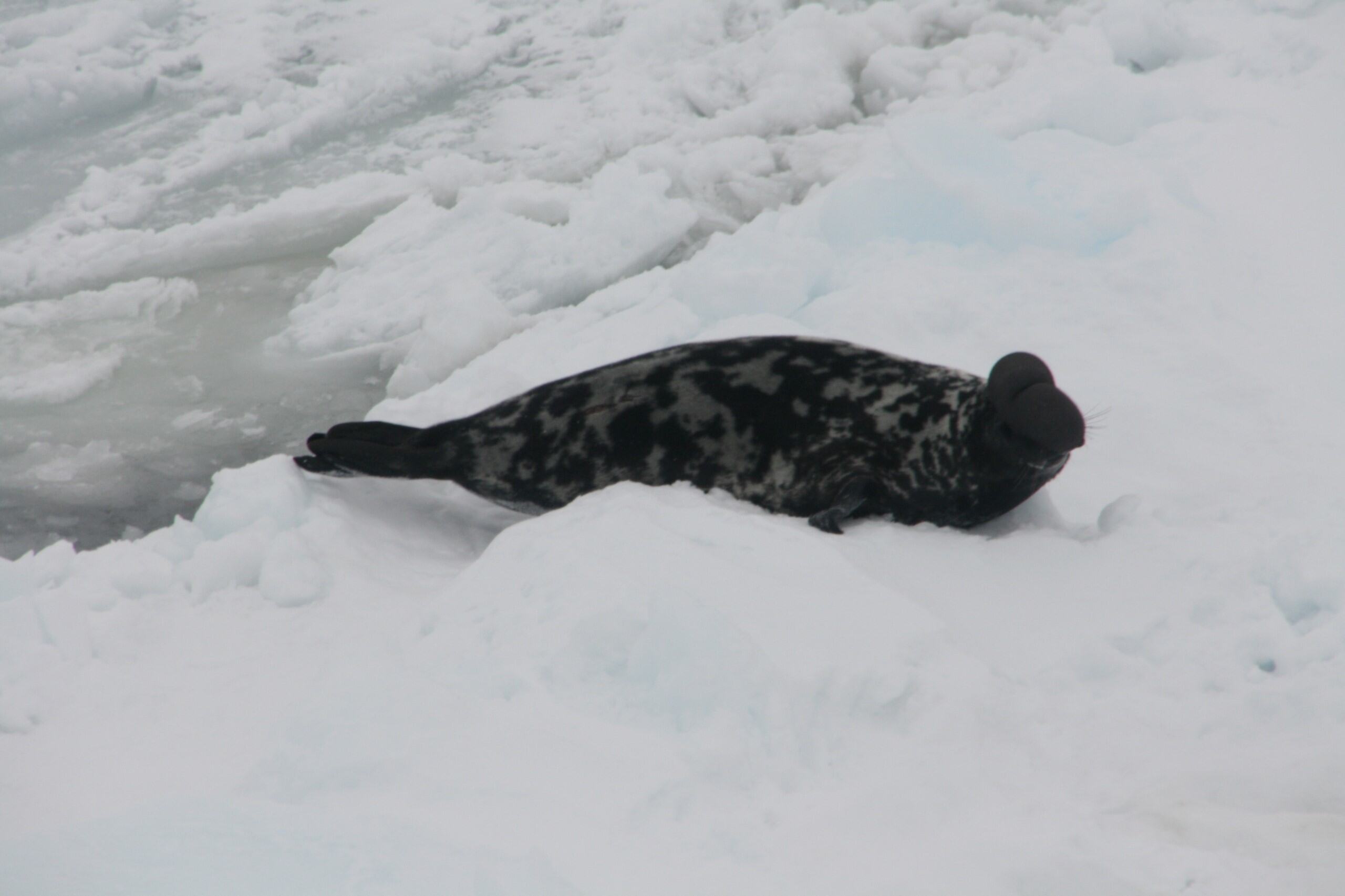
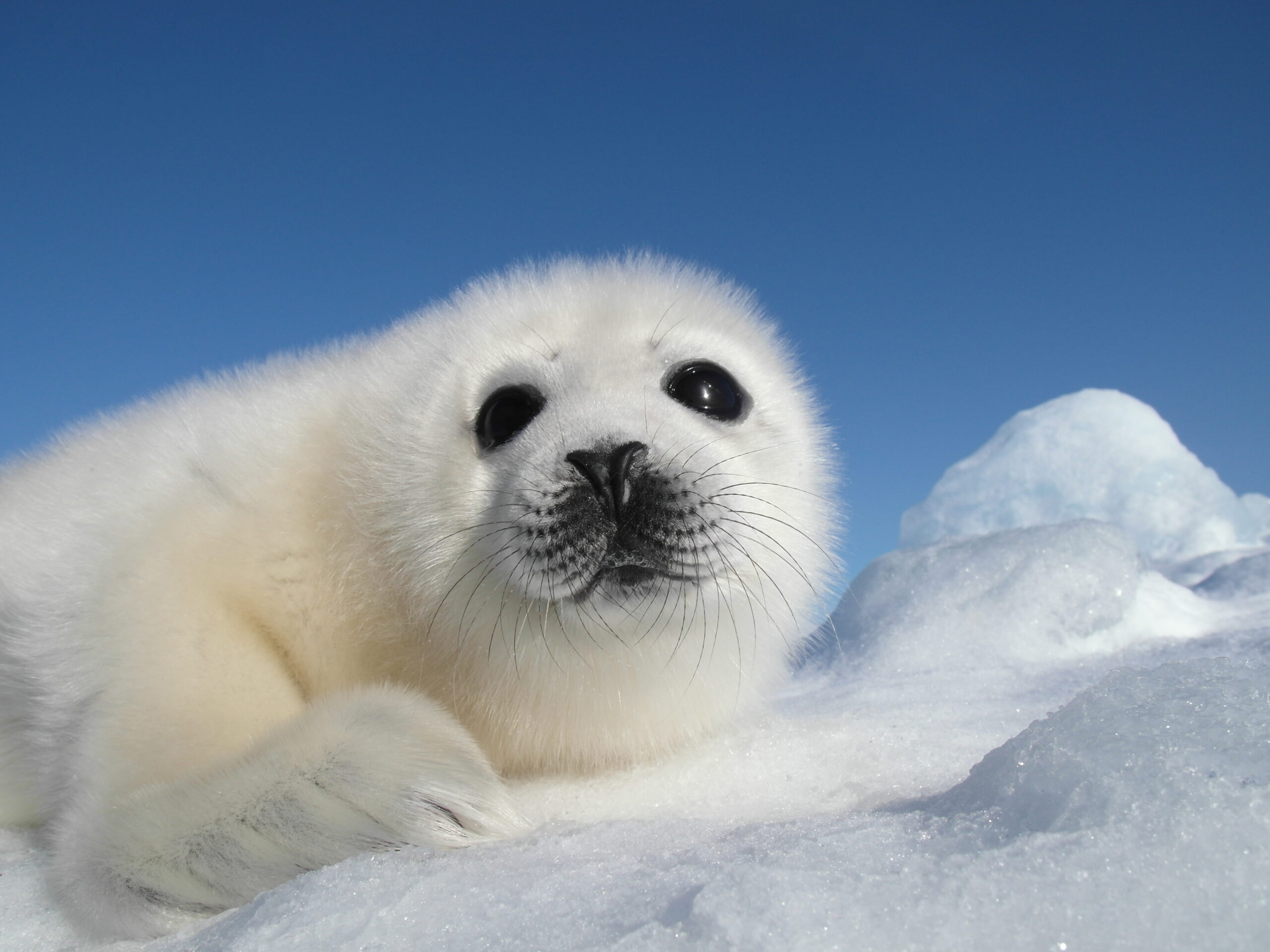
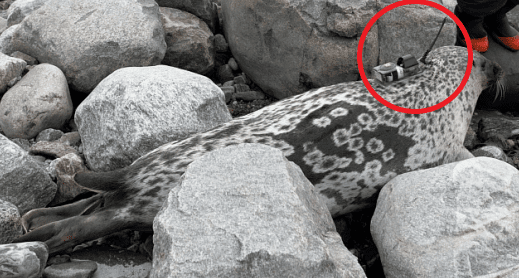
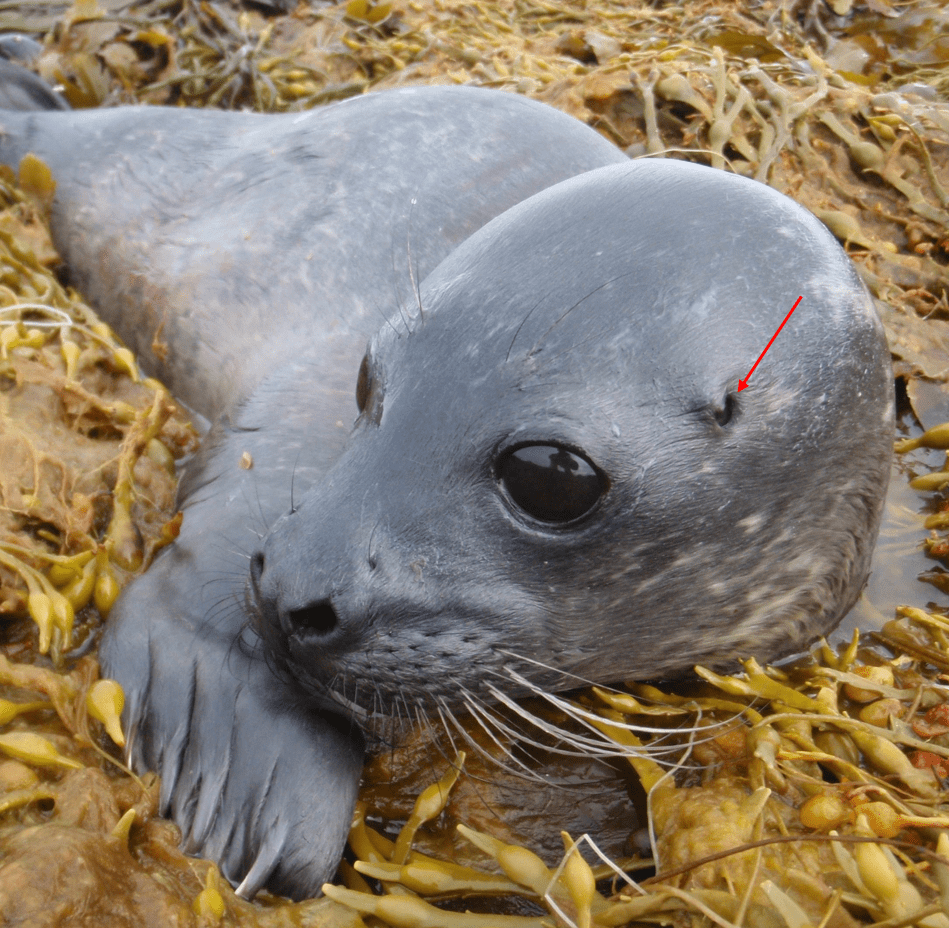
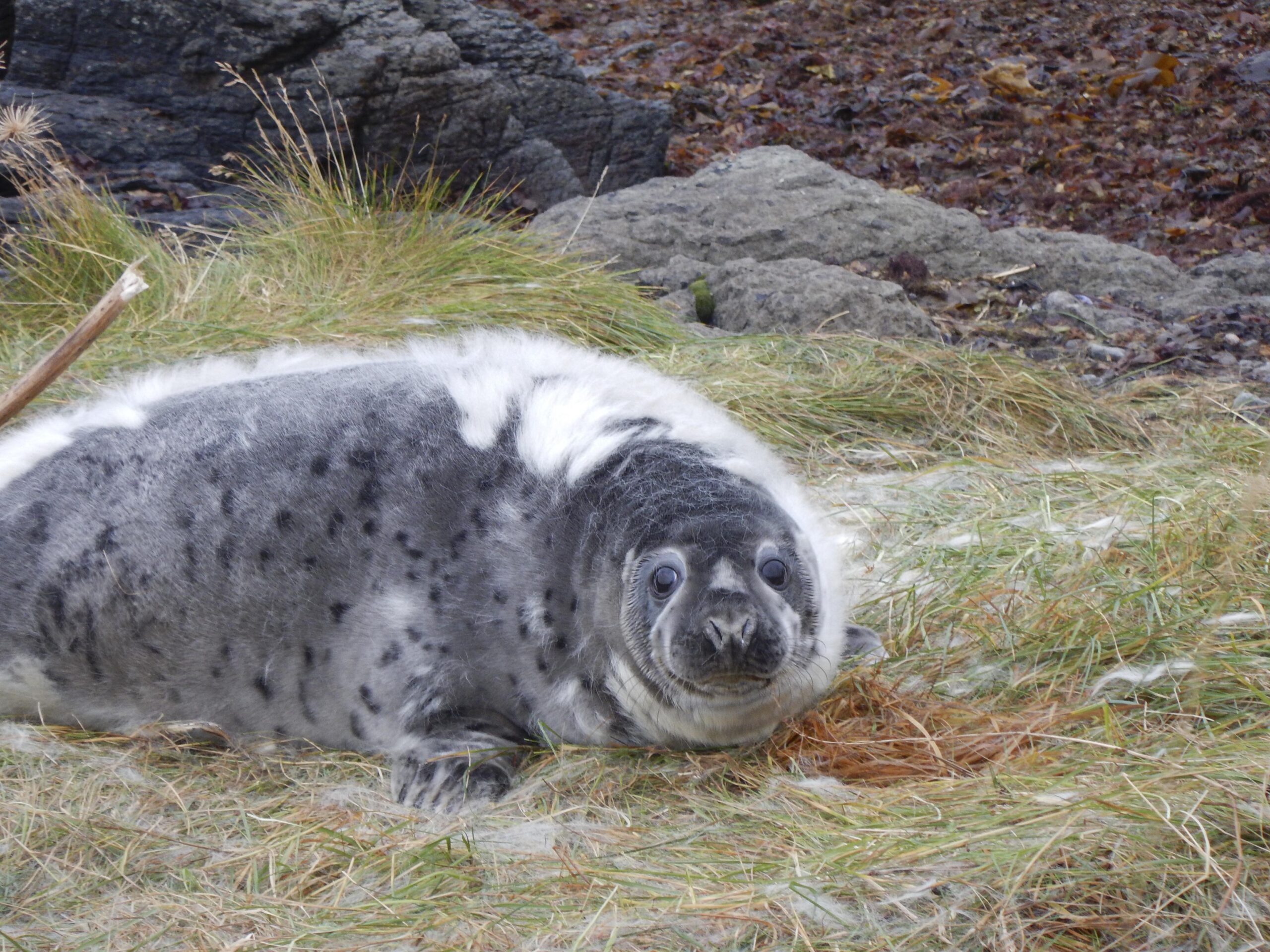
Klappmyss er den største arten av ekte sel i Nord-Atlanteren. Som mange andre dyr viser de kjønnsdimorfisme. Hannene kan bli opptil 2,5 meter lange og veie 300 kilo, mens de mindre hunnene blir opptil 2,2 meter og veier rundt 160 kilo. Voksne klappmyss har en karakteristisk sølvgrå pels med uregelmessige flekker over hele kroppen og mørke luffer og ansikt. Ungene blir født med en særegen blågrå pels på ryggen og lysere buk. På grunn av denne fargetegningen har de fått kallenavnet «blueback» på engelsk.
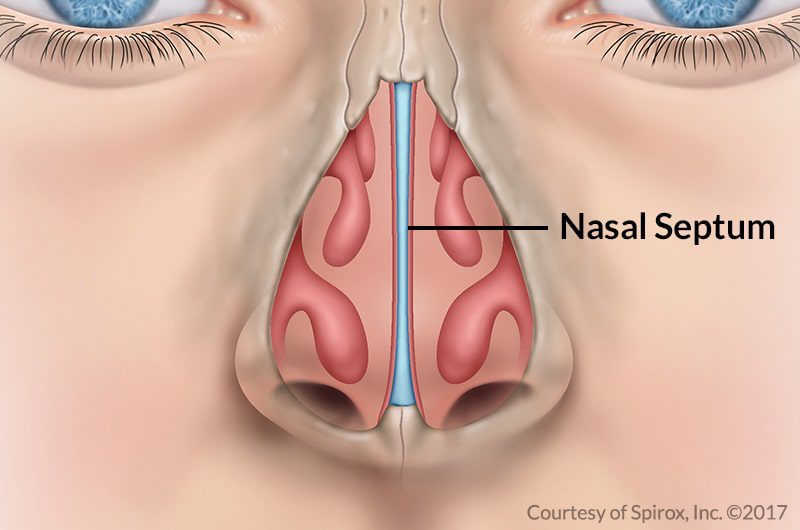
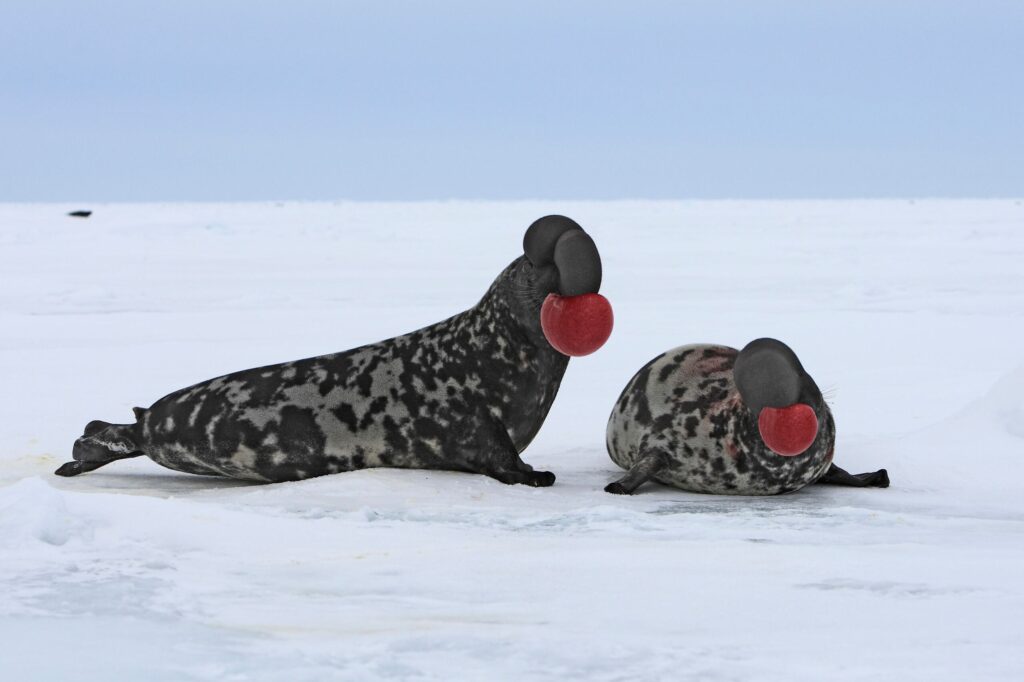
Det mest gjenkjennelige trekket ved klappmyssen er hetten, som har gitt den navnet «hooded seal» på engelsk. Hetten er egentlig en nesesekk som hannene kan blåse opp til en tolappet hette over toppen og fronten av hodet. I tillegg har hannene av klappmyss også en elastisk neseskillevegg som kan blåses opp og ser ut som en rosarød ballong. Den oppblåste «hetten» og neseskilleveggen spiller en rolle i paringen. Mens en hunn dier ungen sin, kjemper hannene om retten til å pare seg ved å blåse opp hetten og neseskilleveggen gjentatte ganger. Konkurransen kan også innebære at hannene slåss med hverandre, noe som kan ende med skader.
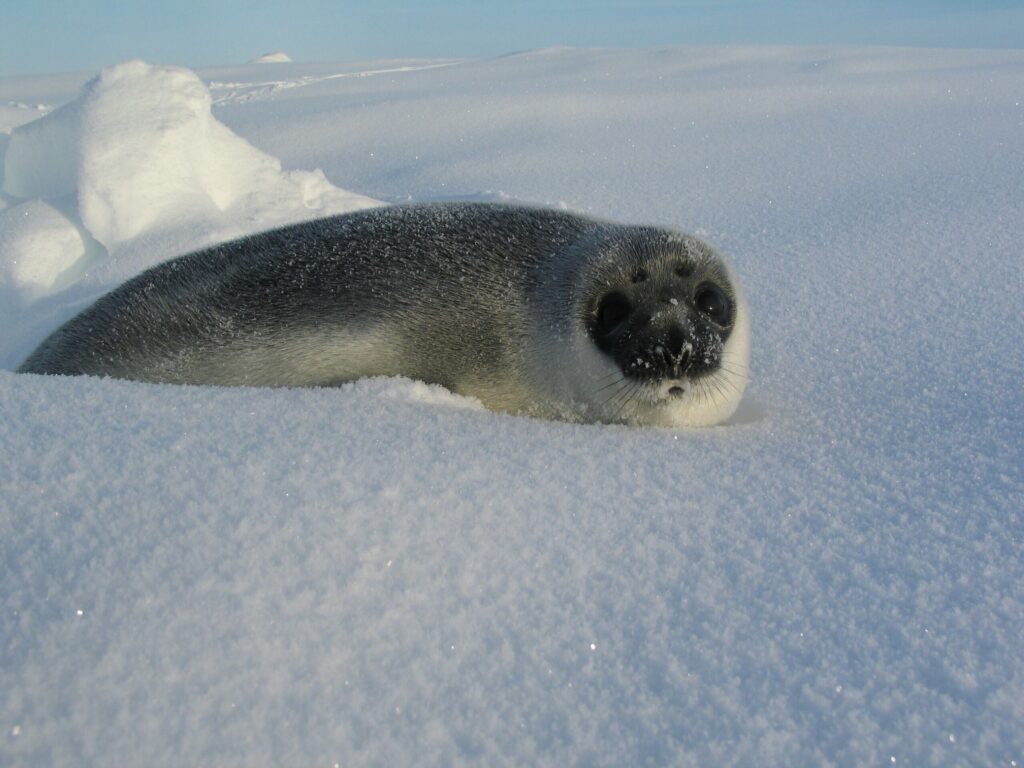
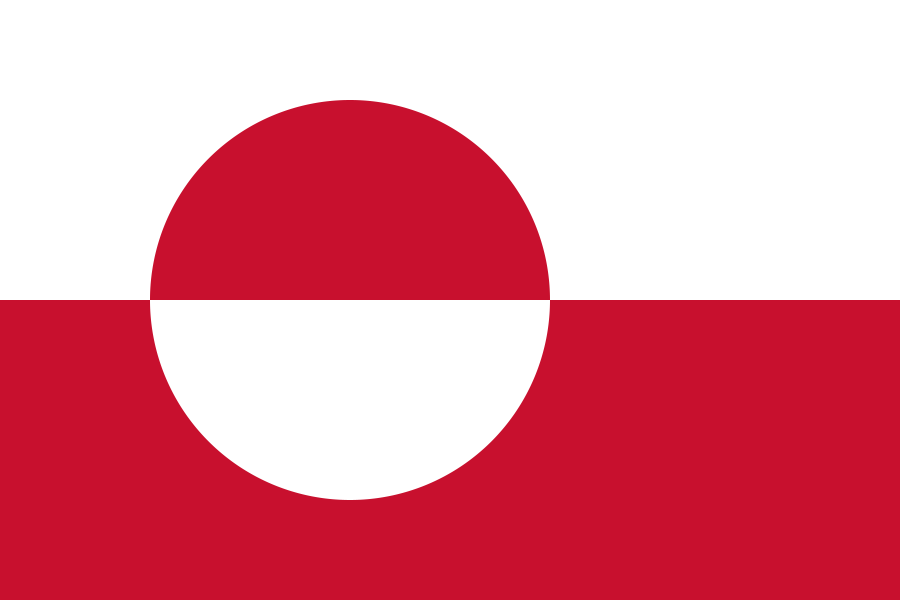 1,112 sel/år gjennomsnitt 2019-2023
 10 sel/år gjennomsnitt 2019-2023
Lydkreditering: Heloise Frouin-Mouy, JASCO Applied Sciences & Mike Hammill, DFO
Trusler
Forskning
Hvordan vil endringene i havisen som følge av klimaendringer påvirke vandringsmønsteret til klappmyss?
The name hooded seals comes from the distinctive hood that males sport. It is usually displayed during the breeding season to attract mates. But what is this hood? It is the nasal sac—air-filled empty spaces on either side of the nasal cavity—which can be inflated to form a bi-lobed hood over the top and front of the head. In addition to their hood, they also have elastic nasal septum—structure in the midline that divides the right and left nasal cavities— which can also be inflated and looks like a pink balloon.
While nursing their pups, female hooded seals are frequently surrounded by one to several males who compete with one another for a mate. This competition consists mainly of display, with males repeatedly inflating their bi-lobed “hoods” and nasal septums. While the competition is usually just displays, it can also involve fighting one another. Because this hood is used in attracting the females, it can be considered secondary sexual characteristics.
Interestingly, yawning in aquatic species, like belugas, is intriguing because they don't breathe through their mouths, as fully aquatic mammals have a separate trachea and esophagus. Nevertheless, the open mouth behaviour displayed by beluga whales during certain events has been described as "yawn-like" due to its resemblance to yawning in terrestrial mammals. But why do belugas yawn, and what triggers this behaviour? The function of yawning in animals, including belugas, remains somewhat mysterious. In humans, yawning has been associated with various factors such as sleepiness, respiration and circulatory needs, boredom, arousal, empathy, and thermoregulation. The observation of Ames (2022) raises questions about whether belugas, with their social and imitative abilities, may have the capacity to imitate human motor movements. Read the full observation by Ames (2022) here: https://doi.org/10.1578/AM.48.6.2022.495