- Tikaagullik
- Hrefna
- Vågehval
- Vuotnabossu
- Vågehval/Sildepisker
- Common minke whale


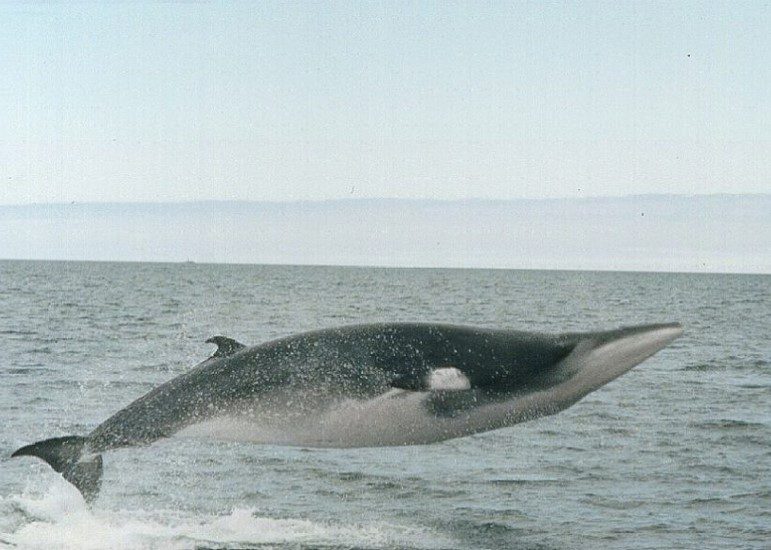
Tað eru tvey góðkend sløg av sildreka: Tann vanligi sildrekin og tann antarktiski sildrekin (sum bert livir á sunnaru hálvkúluni). Tað eru trý undirsløg av vanliga sildrekanum: Norðuratlantiski sildrekin, norðurstillahavssildrekin og dvørgsildrekin. Sildrekin á norðaru hálvkúluni er lættur at kenna við tí eyðkenda, hvíta litinum eftir bøkslinum.
 9 hvalur/ár miðaltal fyri 2019-2023
 20 hvalur/ár miðaltal fyri 2019-2023
  513 hvalur/ár miðaltal fyri 2019-2023
Ljóðheiti: NOAA. Passive Acoustics Group. 2021. Minke whale. https://www.fisheries.noaa.gov/national/science-data/sounds-ocean
Hóttanir
Gransking
Read the openly accessible study by Hutchings et al. (2023) here:
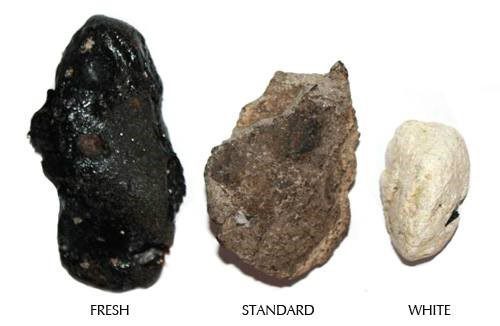
It might not sound fun, but faeces, especially of whales, can have a great impact on nutrient and carbon cycling in the ocean. Whales stimulate primary production and carbon uptake by releasing nutrient-rich faeces into the surface waters.
In a new study by Carla Freitas and colleagues, including Scientific Committee member Martin Biuw, concentrations of macro- and micronutrients were analysed from 31 minke whales off Svalbard, Norway (15,000 population size). Samples were taken from whales onboard commercial whaling vessels, enabling Freitas et al. (2023) to analyse the actual nutrient concentration in faeces before their release and dissolution in the water.
They found that each whale poops on average 43 kg daily. This translates to 7 t of nitrogen and 10 t of phosphorus daily during summer for the whole population. This amount of nutrients can stimulate 407 t of carbon per day which contributes to 0.2 to 4 % of daily net primary production in the region.
Read the full study by Freitas et al. here:
https://www.sciencedirect.com/science/article/pii/S0079661122001860
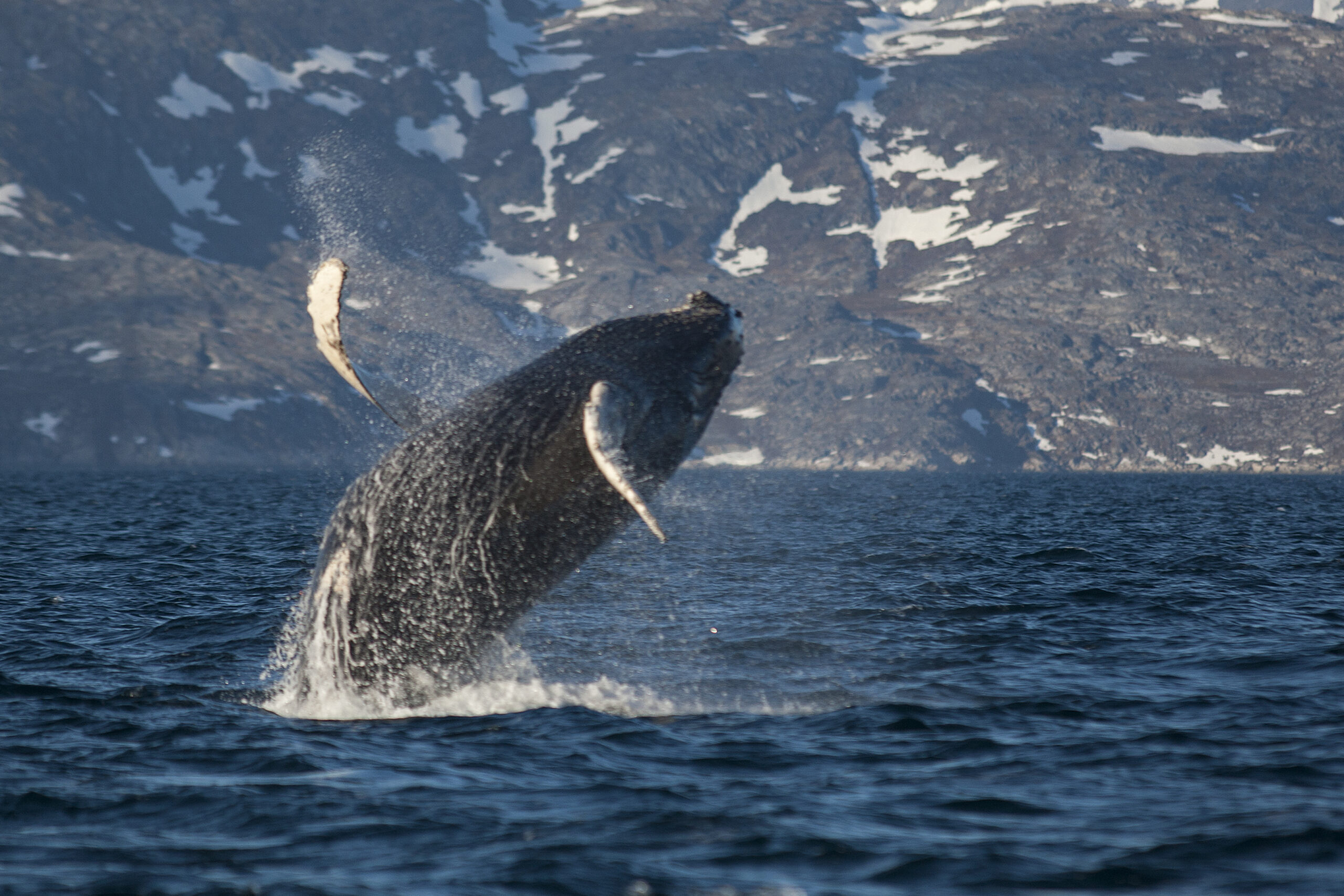
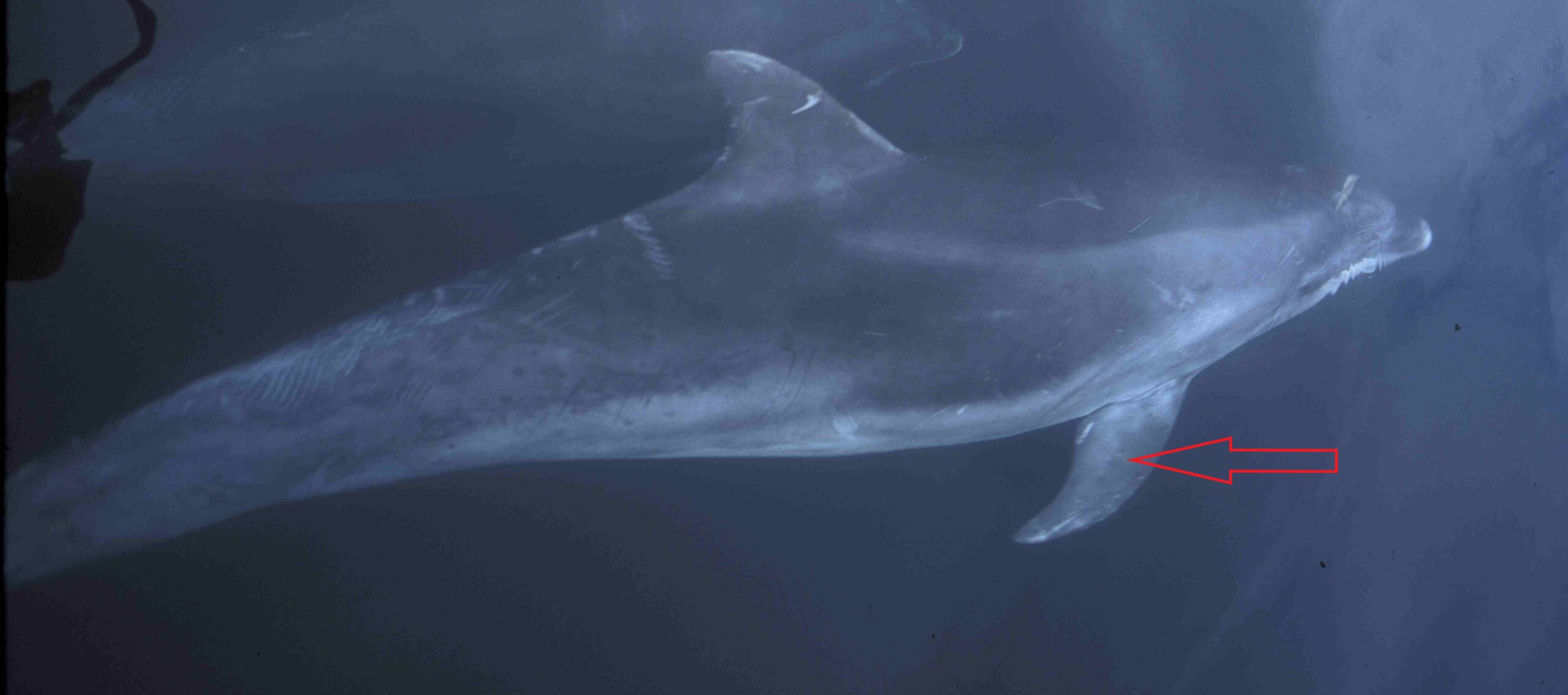
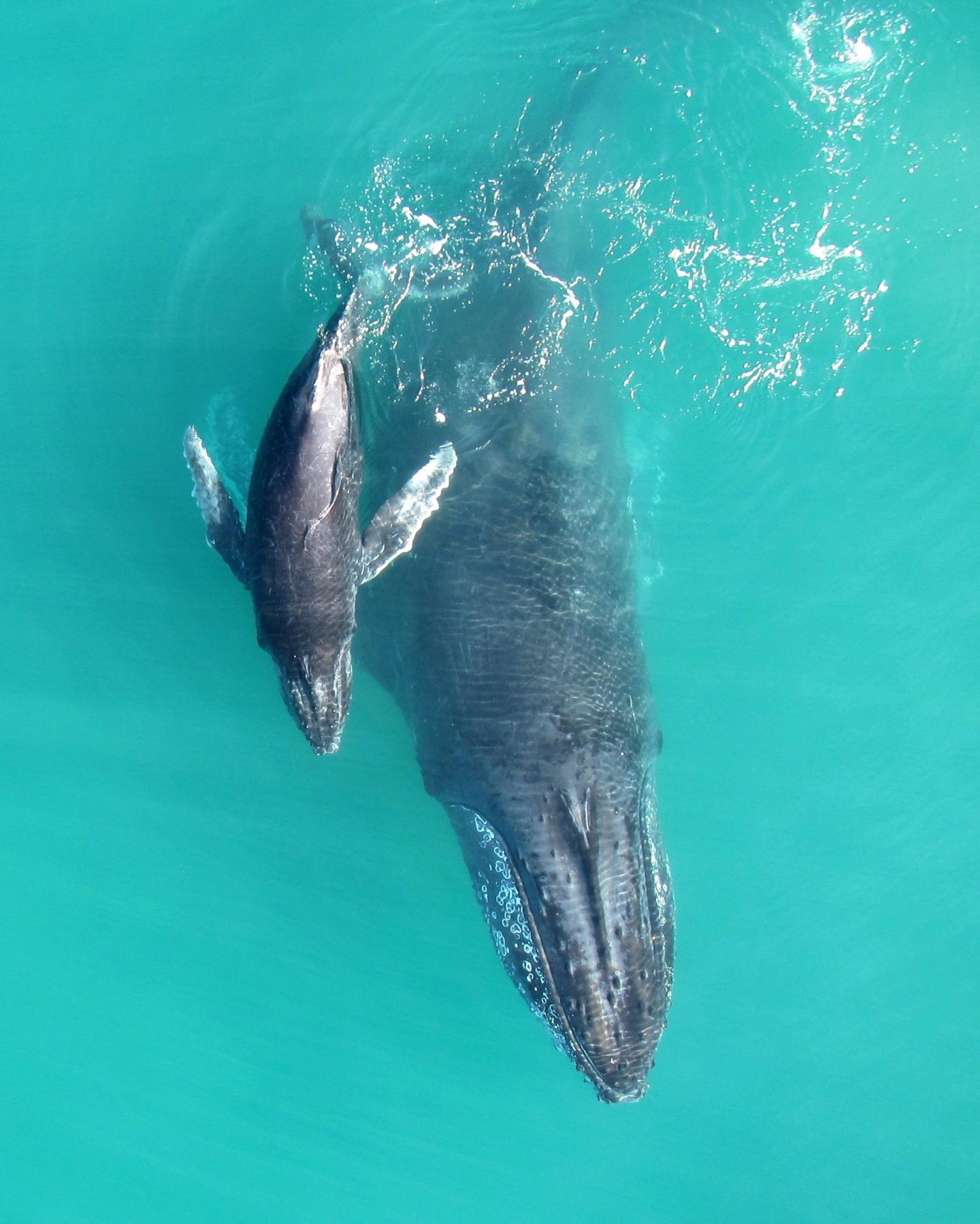
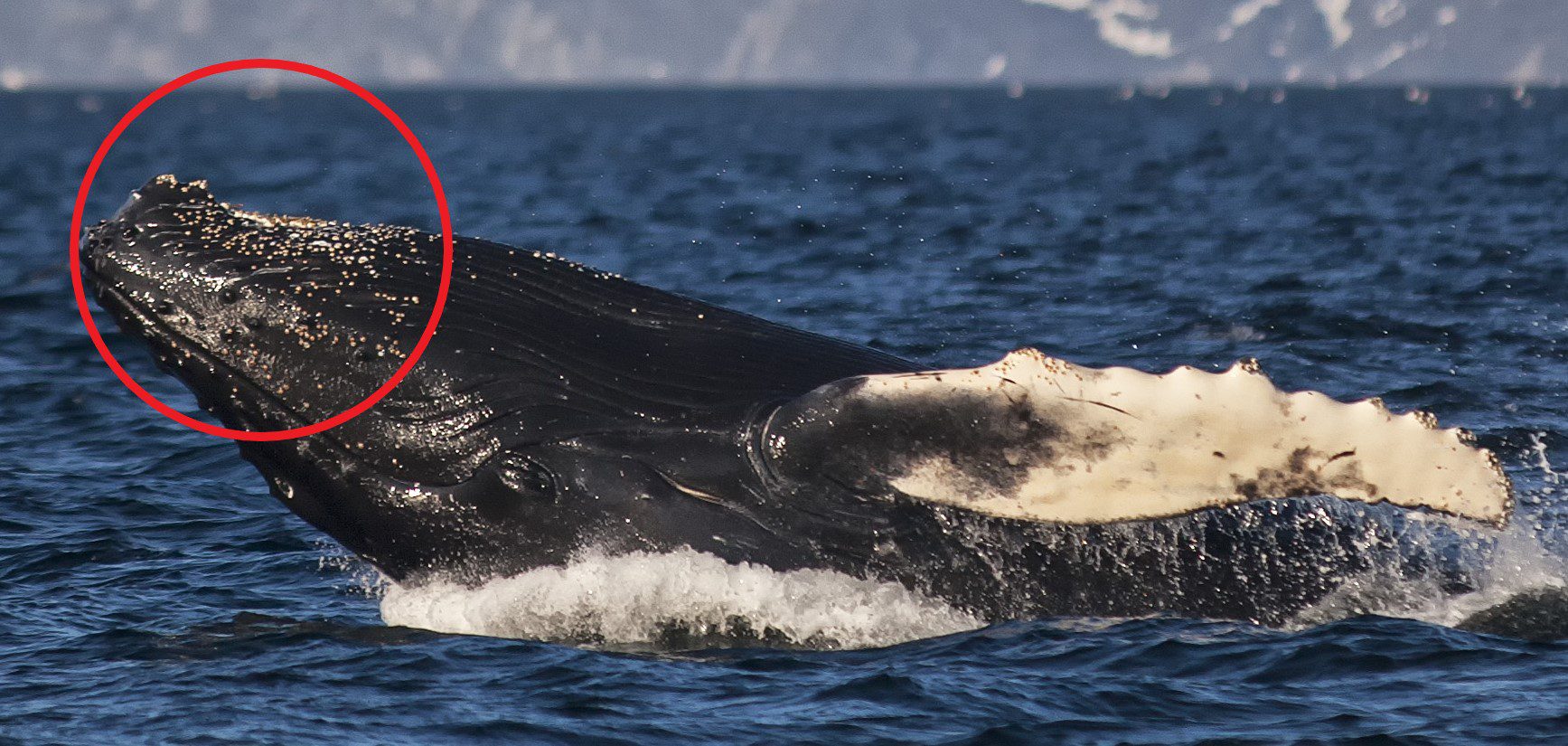
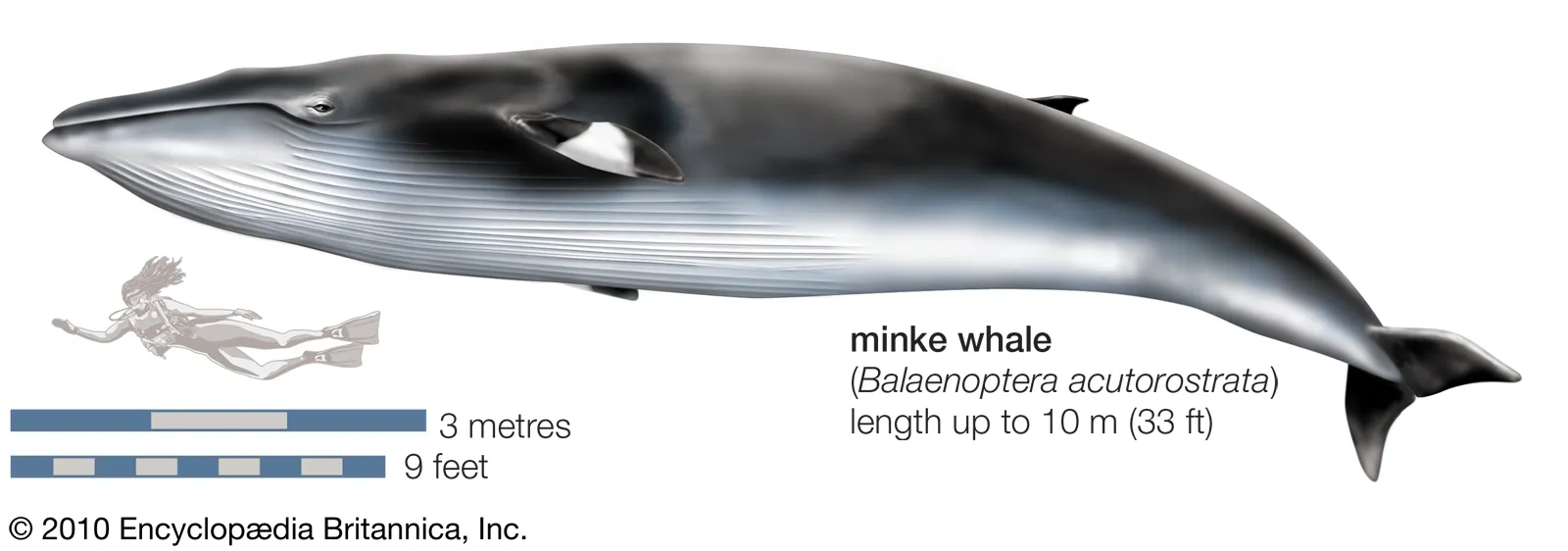
Here are some hints! These amazing creatures grow to about 8–10 meters, weigh up to 9 tonnes, and have a lifespan of around 60 years. These whales reach sexual maturity at 5–7 years old and start breeding yearly. An easy way to distinguish this species is by the recognisable white band on their flippers. The members of this species are important players in the food web. In Icelandic shelf waters, they are the top predators, consuming about 1 million tonnes of fish per year, but they also play the role of prey for humans, orcas, and sharks.
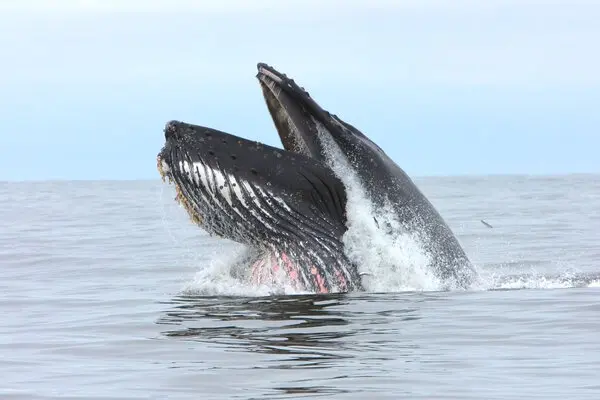
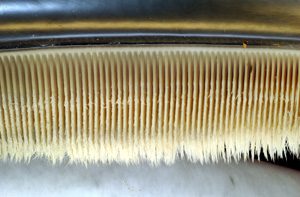
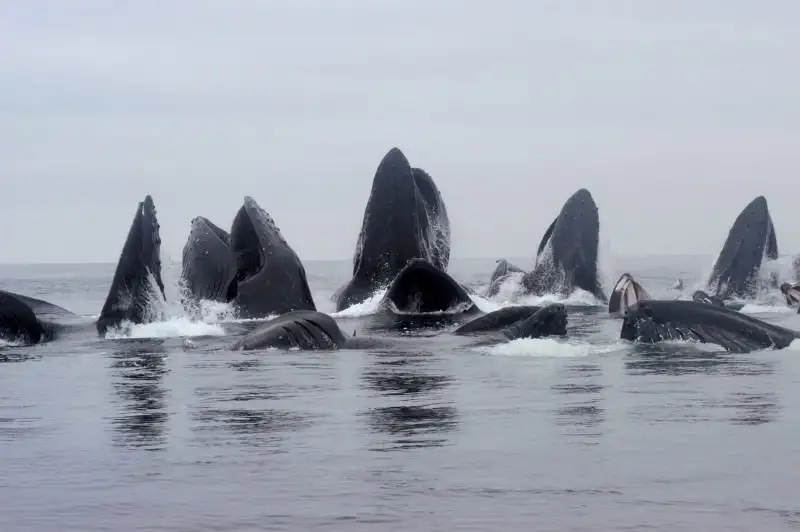
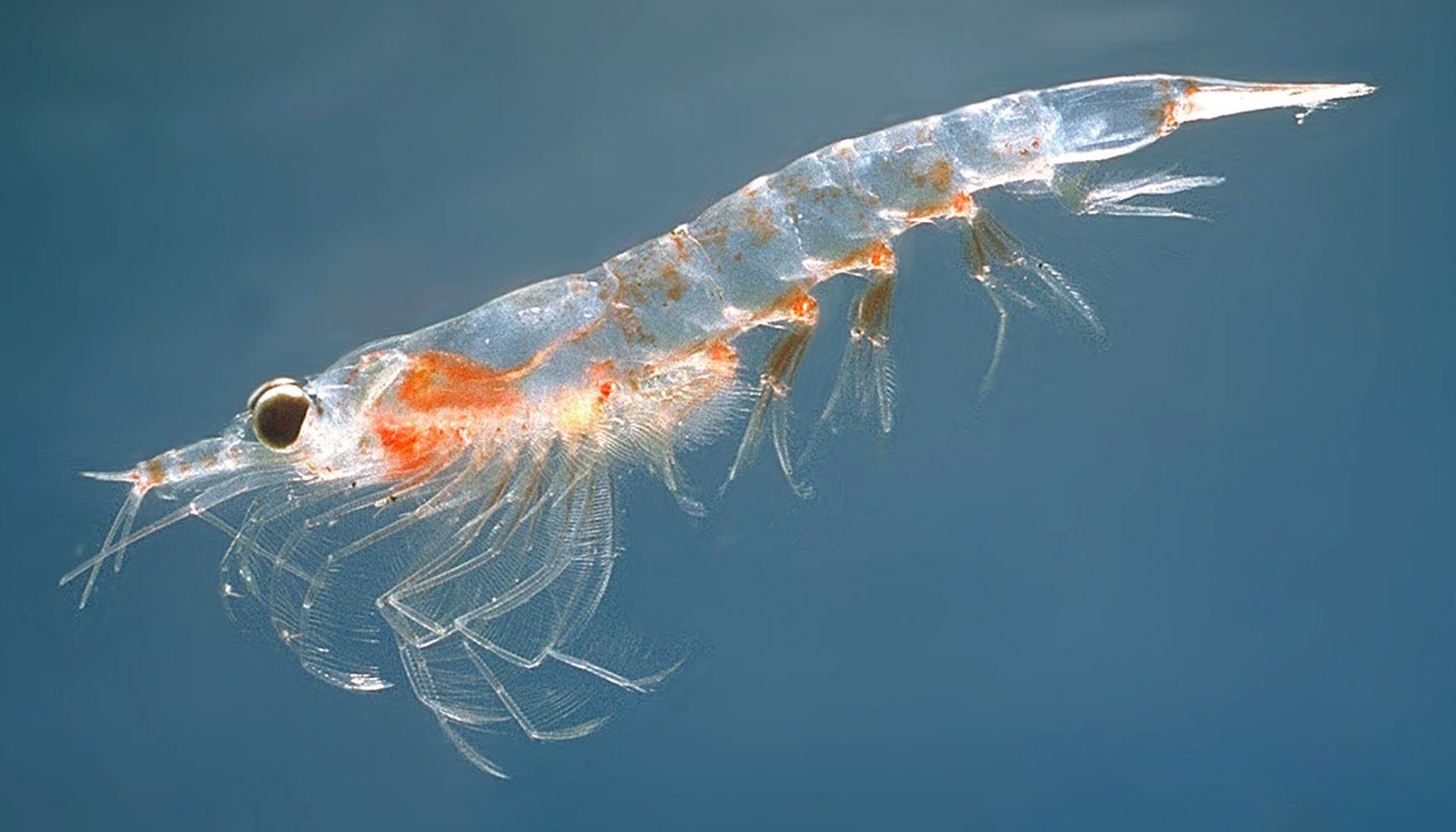
These animals also have some interesting behaviours. For example, in the North Atlantic they are usually solitary, while in the South Atlantic, they are usually seen in groups. They also have a peculiar feeding strategy called lunge feeding—they speed towards their prey (variety of fish and invertebrates) with mouths wide open. Then, with a swift close of their mouth, they expel the water, leaving the prey caught in their baleen plates.
You guessed right! It is the minke whale!