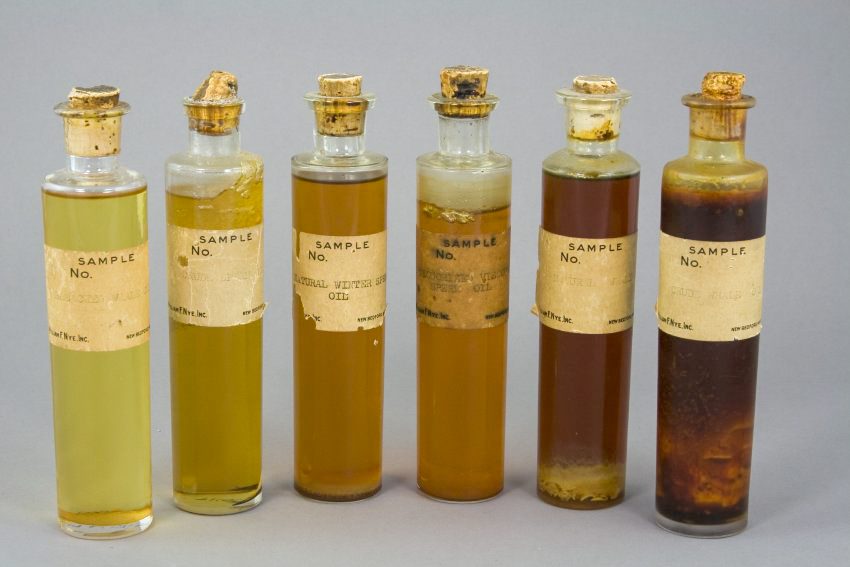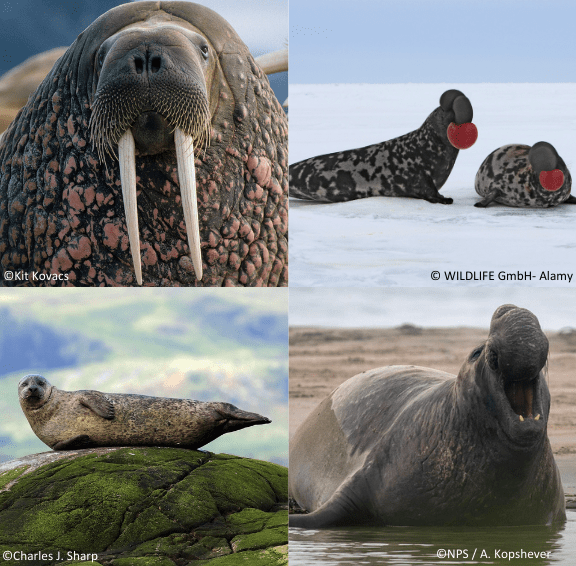
The experiment will be repeated several times, either by the same group of students or a different one, using different insulation materials. The teacher will create an insulation glove using two ziplock bags, which will either be empty or filled with materials to represent different insulation types, depending on the phase of the experiment. The first experiment will be the control to represent an animal without insulation. Each experiment has three different roles, and students will rotate through these: technician (T), researcher (R), and data recorder (D).
- Technicians will prepare the activity materials for the researcher and assist.
- Researchers will conduct the actual experiment as a test subject.
- Data recorders will measure and record data from the experiment and assist the technician.
Carefully read the instructions below, so everyone knows their roles.
- R puts their hand in the insulation glove, and T inserts the thermometer within the glove. The tip of the thermometer should be near the middle knuckle of R’s middle finger, or at least at the same spot for each experiment.
- D records the start temperature and write it down in the table (
 Handout 1).
 - R puts their hand within the insulation glove in the ice water, as far as possible without getting water inside the glove. T starts the stopwatch.
- Every 10 seconds T reads the temperature out loud and D records the temperature in the Table ( Handout 1), for a total of 90 seconds (see step 5).
- R puts the insulated hand in the ice water for 90 seconds, or until the thermometer reads 15.0 °C. Make sure they remove their hand earlier if it starts to hurt!
- After R removes their hand from the ice water, they should slowly put it into the bucket with lukewarm water. The experiment is now over. Allow R’s hand to warm up to within 2 °C of their starting temperature (temperature recorded in step 2).
- Plot the results in the graph ( Handout 2).
- Repeat step 1-7 for all different insulation options, starting with no insulation.

- Ziplock bags
- Large plastic (or other waterproof) box
- Cold water and ice cubes
- Insulation materials (down feathers, reindeer hide), bubble wrap (representing air trapped in fur), mayonnaise or other fatty substance to represent marine mammal blubber.
- Tape
- Stopwatch
- A thermometer with waterproof temperature probe
- Data Table ( Handout 1)
- Graph ( Handout 2)